
Hail, Mary — History & Facts
A hush seems to settle over the scene, as if the day itself pauses to witness a moment of quiet reverence. The viewer’s eye is drawn first to the gentle embrace between a woman and a child, their figures set against the weathered stone and thatch of rural cottages. The woman’s dark cloak frames the child’s golden hair, the only bright note in a palette of earth and straw, suggesting both protection and the promise of something sacred.
Across the yard, a man bows his head beneath the weight of a scythe, his gesture echoing both fatigue and a humble salute, while a second child stands half-hidden, hand to mouth, caught between curiosity and shyness. The light, filtered through a pale sky, softens every edge, inviting the viewer to linger in this suspended instant. Painted around 1885, Hail, Mary by Luc-Olivier Merson belongs to a moment in French art when rural life was both a subject of nostalgia and a stage for quiet allegory. The late nineteenth century saw artists return to the countryside, drawn by the rhythms of peasant labor and the enduring rituals of faith.
Works like this, now in the High Museum of Art, were rarely grand commissions but rather meditations on the persistence of devotion amid hardship. Merson’s choice of oil on canvas and his subdued, naturalistic style speak to a world in transition: industrial modernity pressing in, yet the old gestures—like a greeting, a prayer, a mother’s watch—remaining. The scene asks us to look again, to find the extraordinary in the ordinary, and to wonder what silent stories unfold at the edge of every village path.
More Artworks by Luc-Olivier Merson

Esquisse pour l'escalier des fêtes de l'Hôtel de Ville de Paris , Bélier
Luc-Olivier Merson
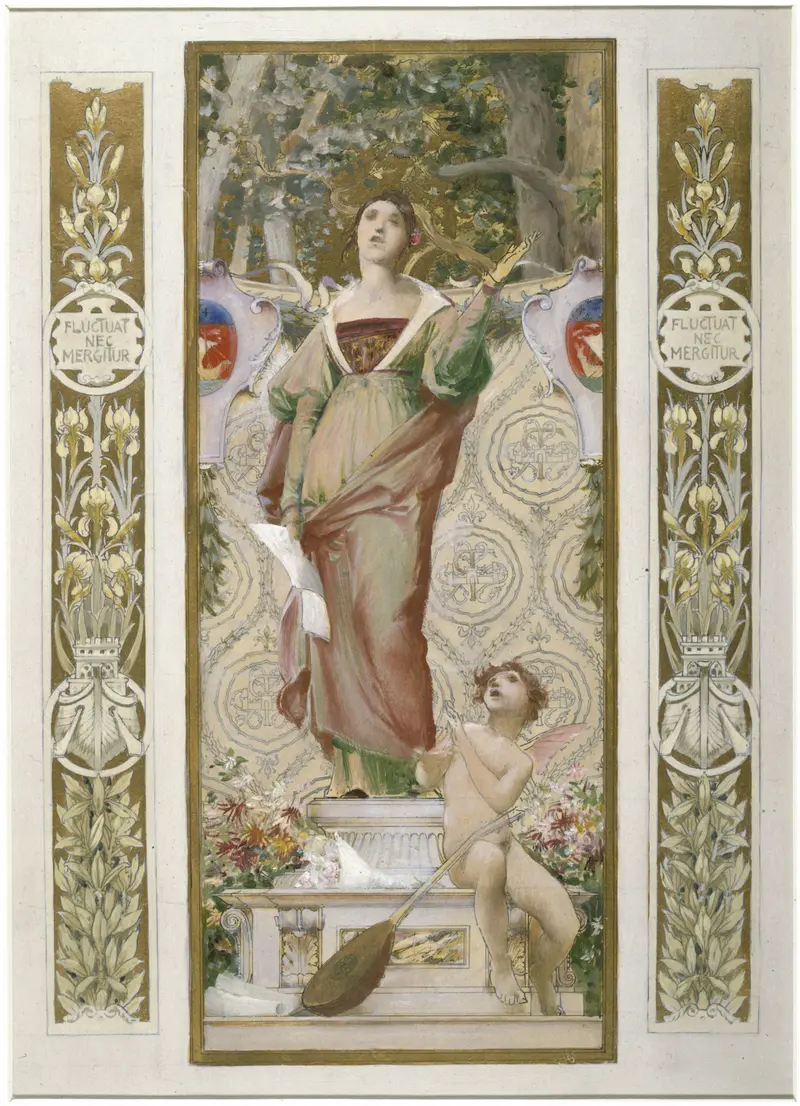
Esquisse pour l'escalier des Fêtes de l'Hôtel de Ville de Paris , Le Chant
Luc-Olivier Merson
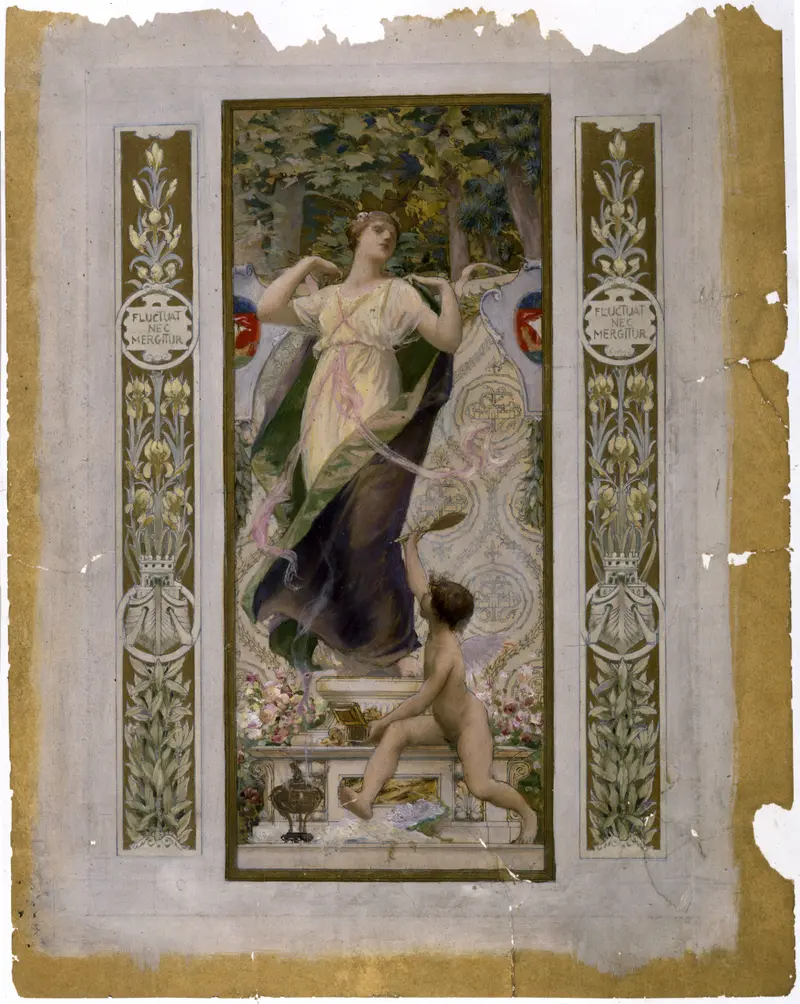
Esquisse pour l'escalier des Fêtes de l'Hôtel de ville de Paris , La Toilette féminine
Luc-Olivier Merson
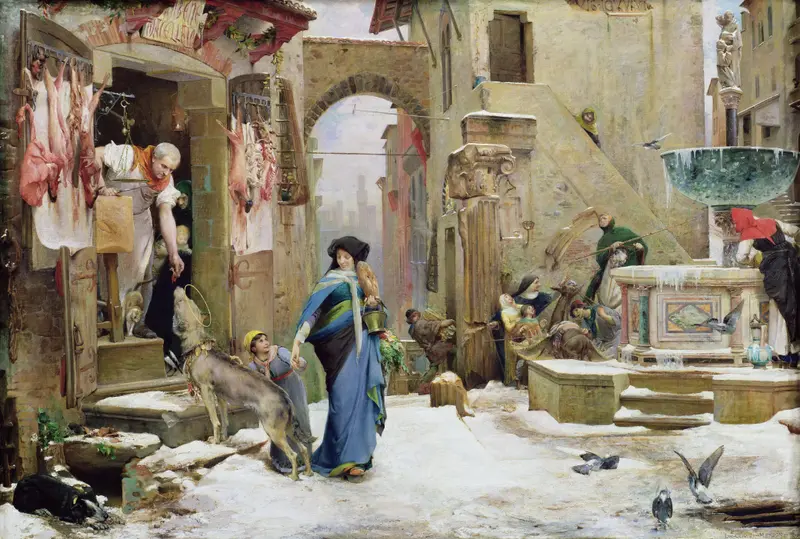
The Wolf of Gubbio
Luc-Olivier Merson
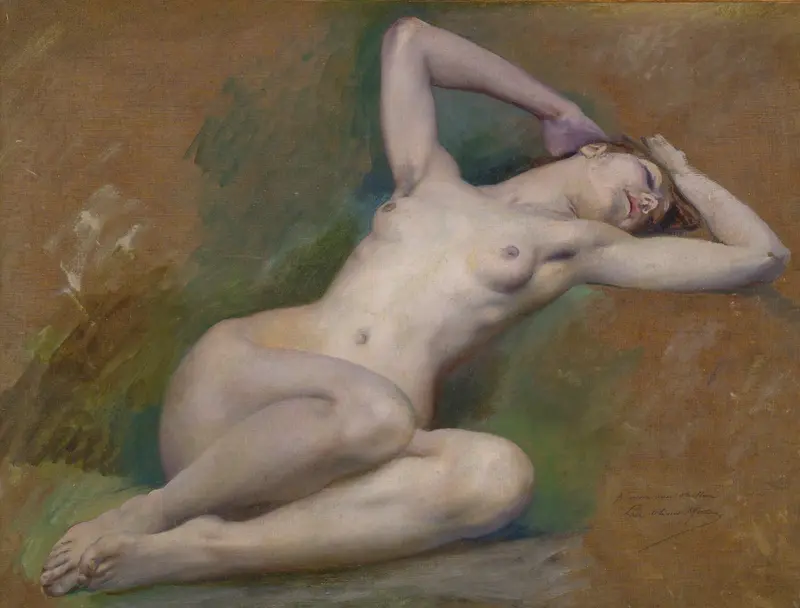
Luc Olivier Merson Study for the figure of Spring
Luc-Olivier Merson
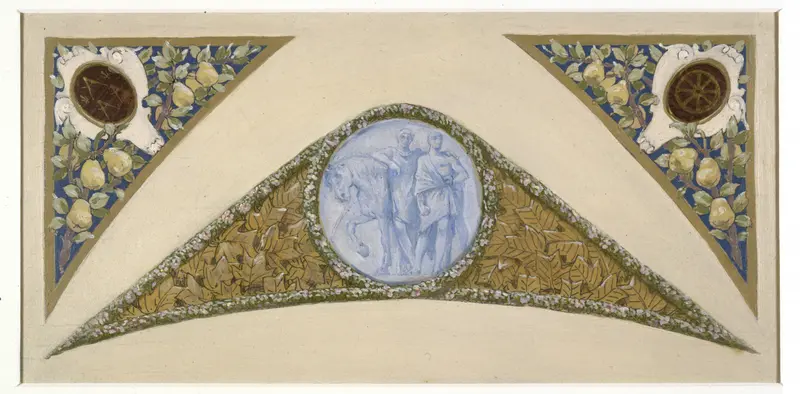
Esquisse pour l'escalier des Fêtes de l'Hôtel de Ville de Paris , Gémeaux
Luc-Olivier Merson
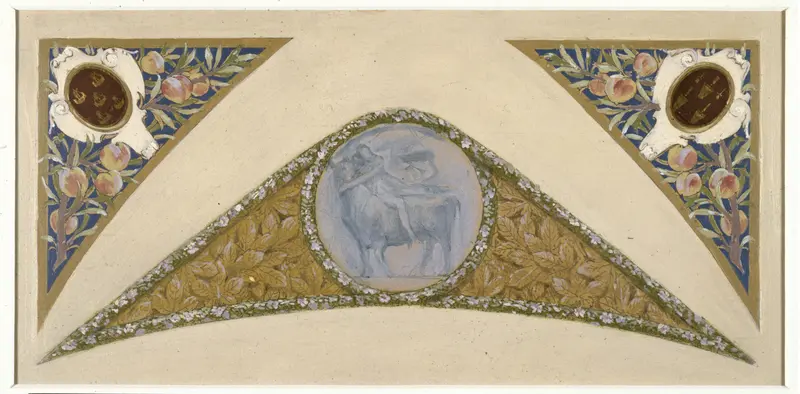
Esquisse pour l'escalier des Fêtes de l'Hôtel de Ville de Paris , Taureau
Luc-Olivier Merson
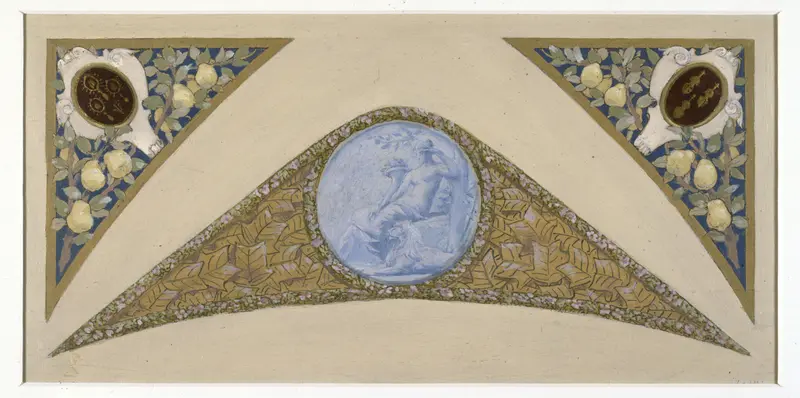
Esquisse pour l'escalier des Fêtes de l'Hôtel de Ville de Paris , Vierge
Luc-Olivier Merson
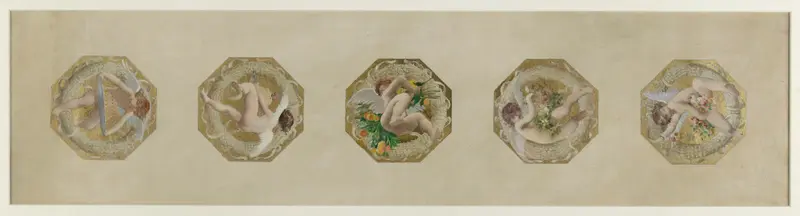
Esquisse pour l'Hôtel de Ville de Paris, escalier des Fêtes , les génies des fêtes
Luc-Olivier Merson
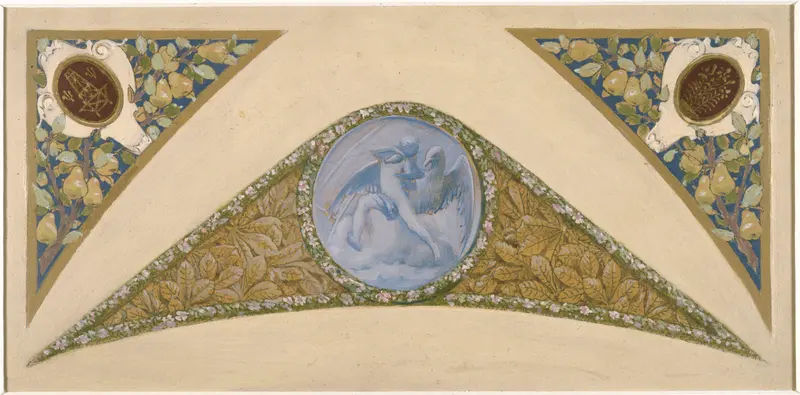
Esquisse pour l'escalier des Fêtes de l'Hôtel de Ville de Paris , Verseau
Luc-Olivier Merson
More Genre Scene Art

Banquet of the Officers of the St George Civic Guard
Frans Hals

Rembrandt and Saskia in the Scene of the Prodigal Son
Rembrandt van Rijn

Bal du moulin de la Galette
Pierre-Auguste Renoir

Quadrille at the Moulin Rouge
Henri de Toulouse-Lautrec

A Burial at Ornans
Gustave Courbet

When Will You Marry?
Paul Gauguin