
Halten — History & Facts
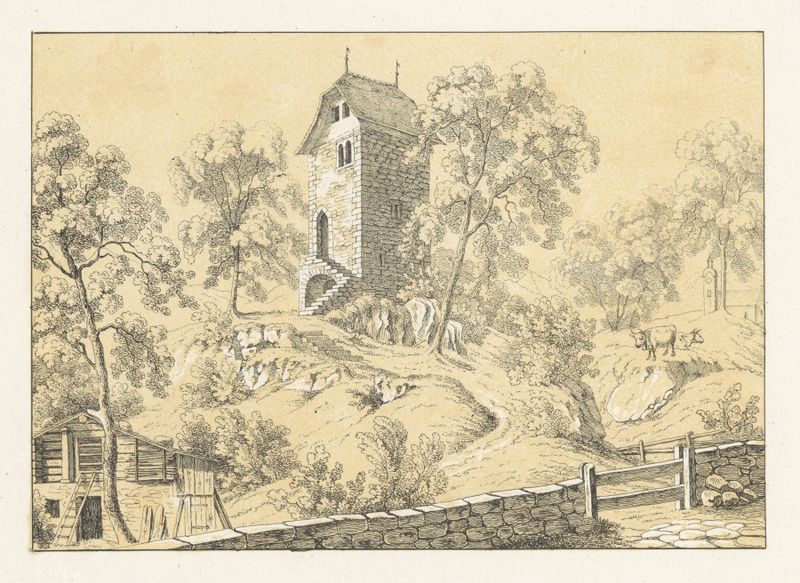
The essence of decay weaves itself through time, whispering stories of what once was, now fading into quietude. To grasp the full impact of Halten, let your gaze linger on the carefully rendered textures that echo the passage of time. Notice how the artist employs muted earth tones, each stroke reflecting a sense of weariness and nostalgia. In the foreground, the crumbling remnants of what appears to be an ancient structure draw you closer, while shadows pooling around the edges conjure a melancholic atmosphere, inviting reflection and introspection. The interplay of light and shadow reveals layers of significance.
Look closely at the small details: the delicate vines pushing their way through the cracks in the stone, symbolizing resilience amid decay. The subtle contrast between the decaying architecture and the vibrant life around it speaks volumes about nature reclaiming its space, a poignant reminder of the impermanence inherent in existence. This duality evokes an emotional tension, pulling the viewer into a space of contemplation about loss and renewal. Created between 1840 and 1844, this work reflects Johann Friedrich Wagner's exploration of Romantic ideals during a transformative period in Germany.
The artist was immersed in a world where nature and ruin frequently intertwined, as industrialization began to reshape landscapes and lives. Wagner’s focus on the beauty of decay and his intricate detailing marks a significant point in a broader narrative about humanity's relationship with its environment, suggesting a deep-seated yearning to find beauty in transience.
More Artworks by Johann Friedrich Wagner
Browse all →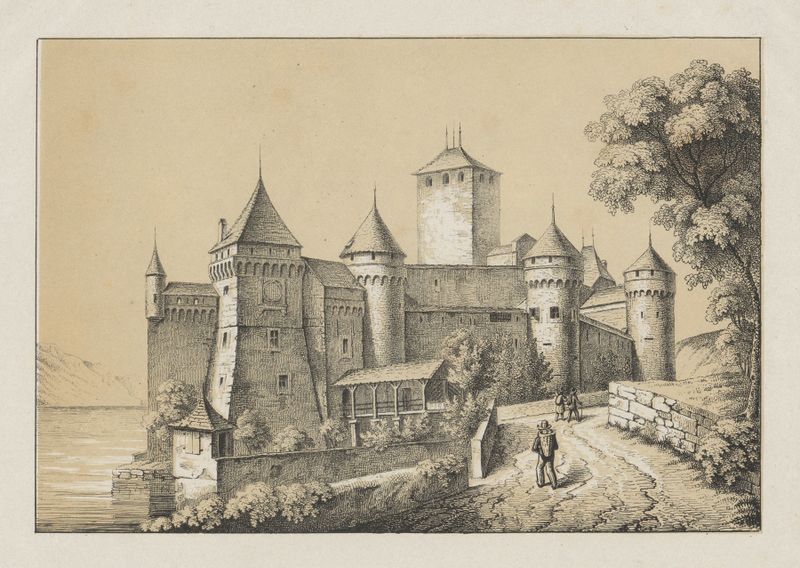
Chillon
Johann Friedrich Wagner

Valangin
Johann Friedrich Wagner
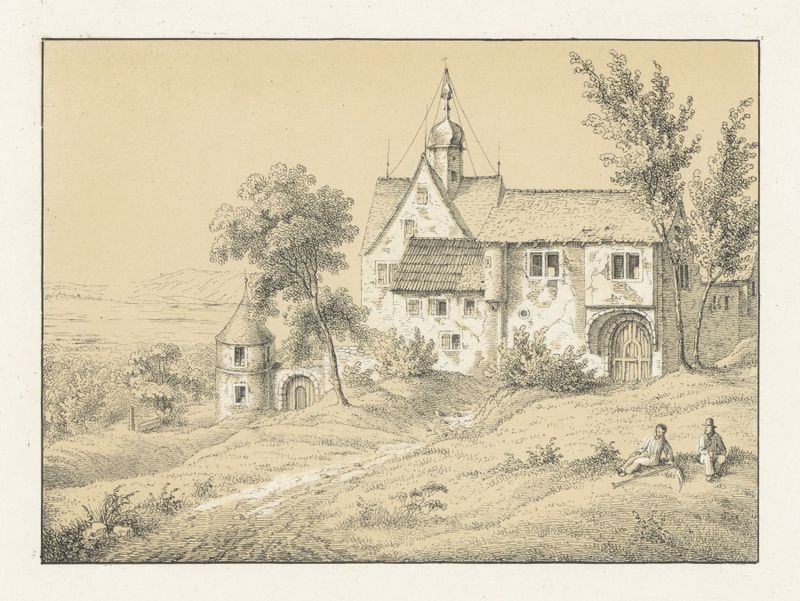
Greifenstein
Johann Friedrich Wagner

Vorburg
Johann Friedrich Wagner
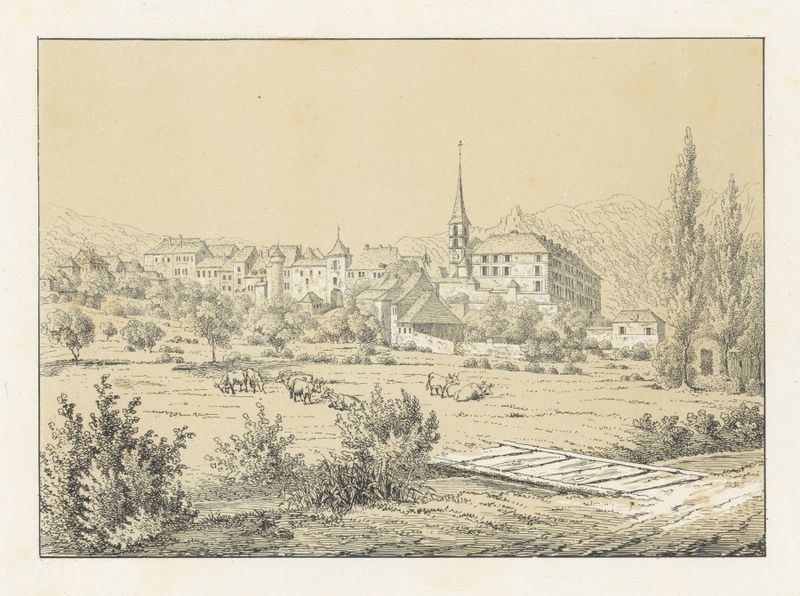
Delémont
Johann Friedrich Wagner

Pleujouse
Johann Friedrich Wagner

Challay
Johann Friedrich Wagner
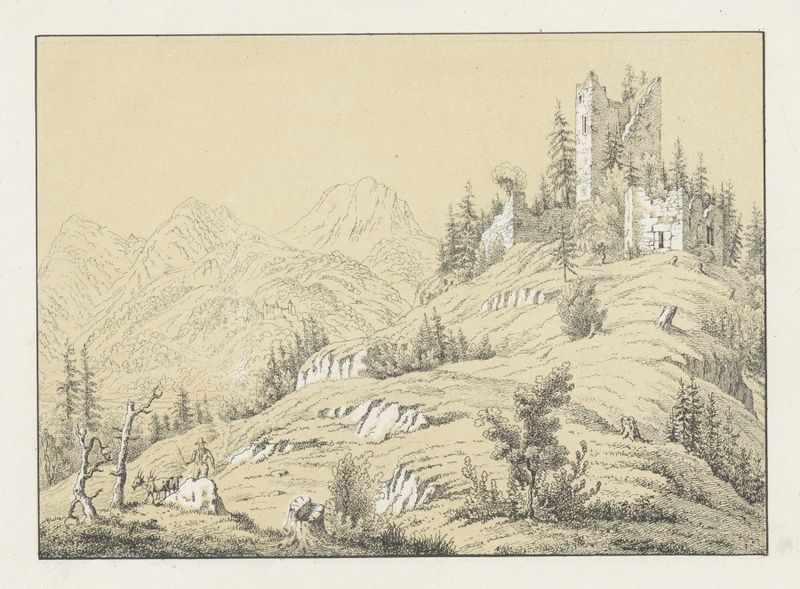
Mont Salvant
Johann Friedrich Wagner
Aha. Od. Untere Burg von Sarnen
Johann Friedrich Wagner
Lausanne
Johann Friedrich Wagner





