
Hanuman (Kalighat Painting) — History & Facts
Hanuman (Kalighat Painting), created by an unknown artist around 1880, is executed in gum tempera, graphite, and ink on paper. The work belongs to the Kalighat painting tradition, which flourished in the vicinity of the Kalighat temple in Kolkata, India during the nineteenth century. This piece is currently held in the collection of the Cleveland Museum of Art. The image depicts the Hindu deity Hanuman, rendered with a deep red body and yellow garments, carrying Rama and his brother Lakshmana on his shoulders, as a pencil inscription in English at the bottom of the sheet records.
Hanuman is shown in a dynamic pose, with one knee bent and both arms raised, holding a large yellow object, possibly a club or a symbolic attribute. The two brothers, painted in lighter tones, sit on his shoulders, one of them holding onto Hanuman for support. The background is plain, focusing attention on the central figure, and the outlines are defined with black ink, characteristic of Kalighat painting style. Kalighat paintings emerged in nineteenth-century Kolkata as a popular form of urban folk art, often depicting Hindu deities, mythological scenes, and contemporary social subjects.
These works were typically produced for pilgrims and visitors to the Kalighat temple and are known for their bold lines, flat areas of color, and expressive figures. This painting, dated circa 1880, measures 46 × 27.5 cm and reflects the stylized and accessible approach of Kalighat artists in representing religious narratives for a broad audience.
More Artworks by Unknown Artist

The Tale of Genji Scroll: Yadorigi
Unknown Artist
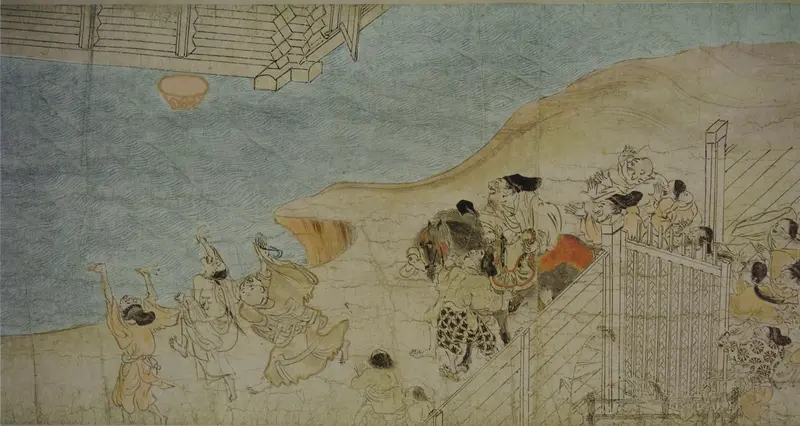
Legends of Mount Shigi: The Flying Granary
Unknown Artist
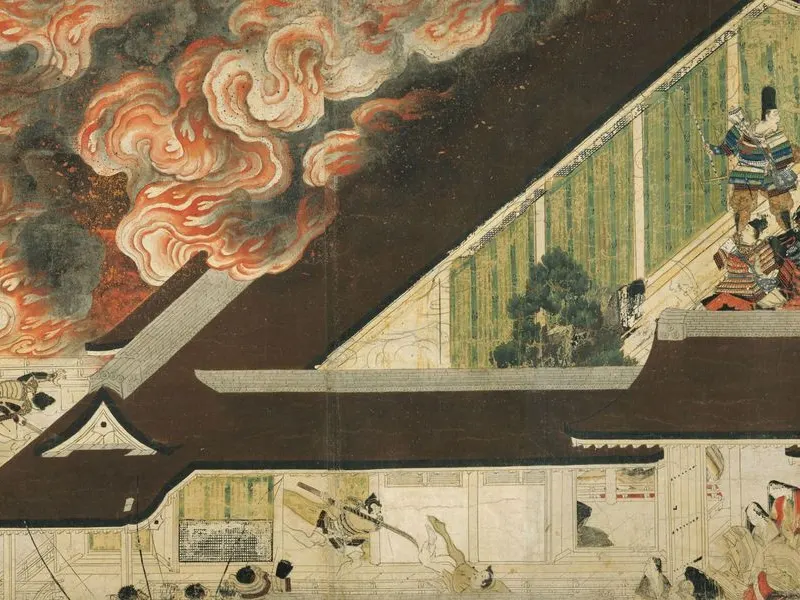
Night Attack on the Sanjō Palace
Unknown Artist
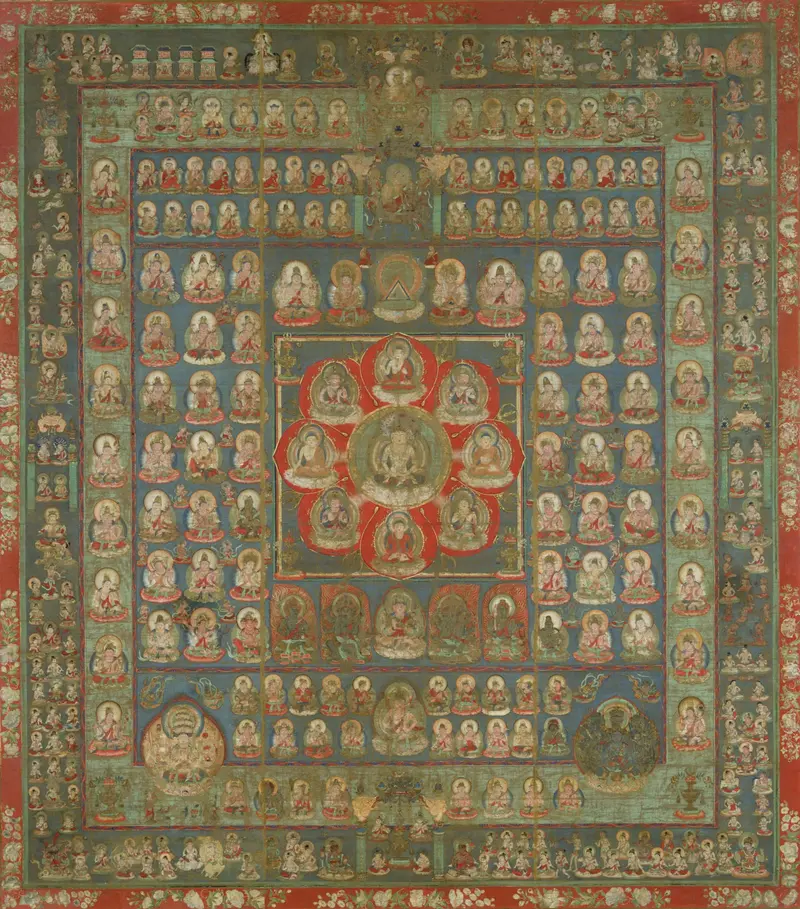
Womb World Mandala (Mandala of the Two Realms)
Unknown Artist
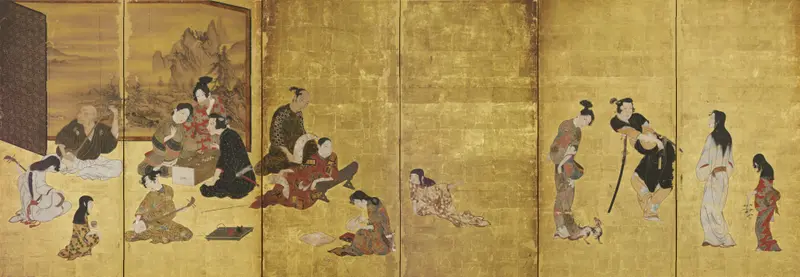
Hikone Screen
Unknown Artist
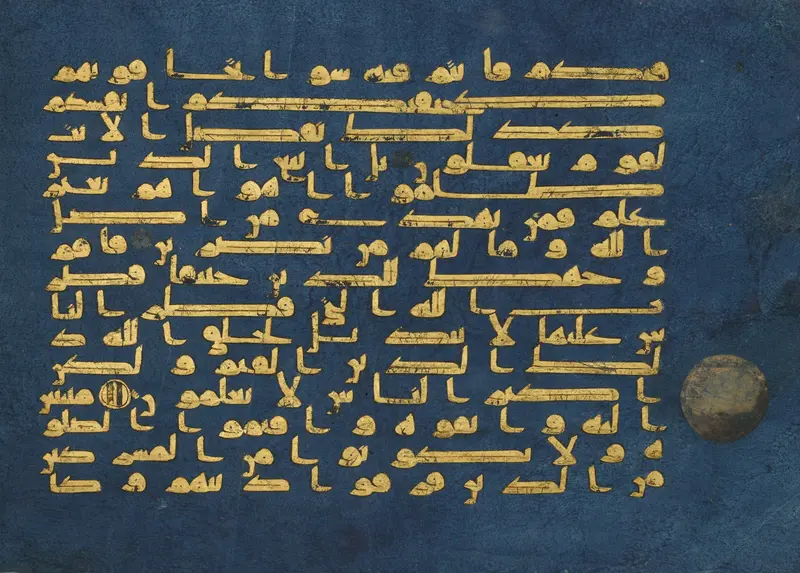
Folio from the Blue Qur'an
Unknown Artist
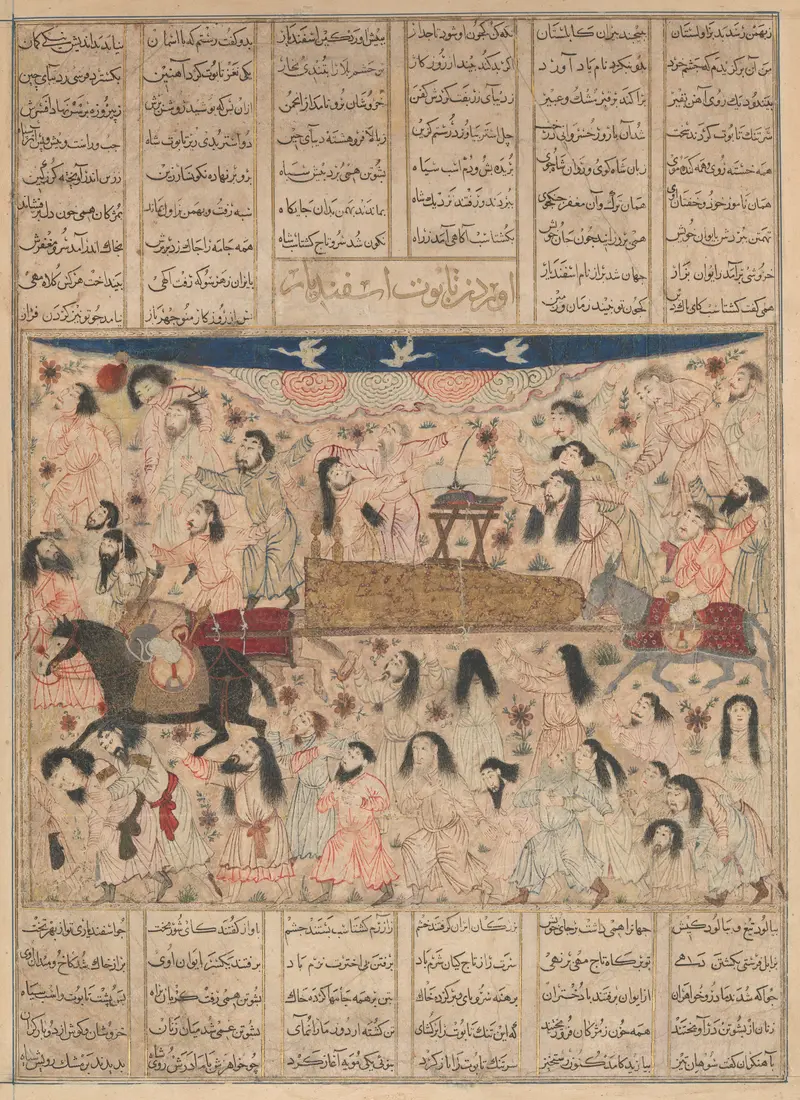
The Funeral of Isfandiyar (Great Mongol Shahnama)
Unknown Artist

The Ideal City
Unknown Artist
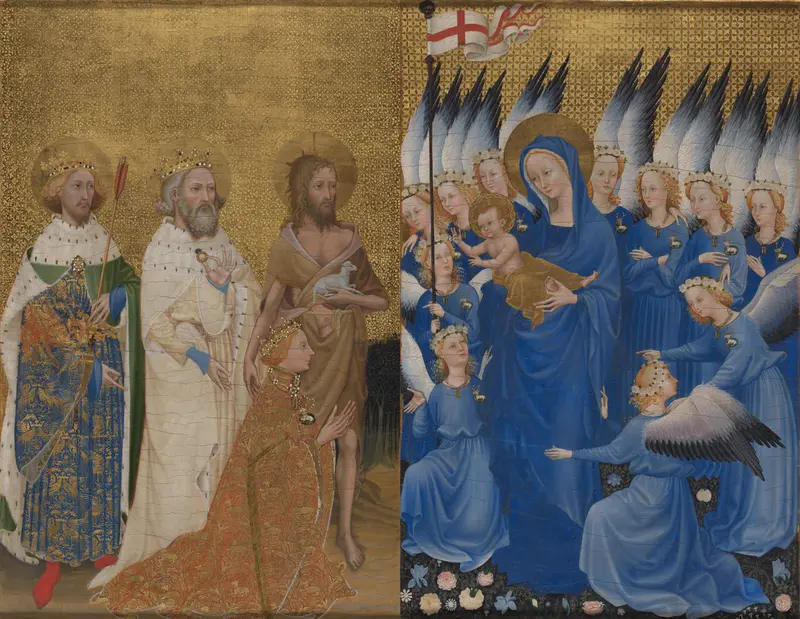
The Wilton Diptych
Unknown Artist

Ridder, Dood en Duivel
Unknown Artist





