
Harvesting — History & Facts
Who listens when art speaks of silence? In Harvesting, a deep stillness envelops the pastoral landscape, inviting the viewer to pause and reflect on the passage of time. Look to the horizon where gentle hills roll beneath a dusky sky. Notice how the soft glow of twilight bathes the fields in golden hues, capturing the moment when day yields to night. The figures are small, almost ethereal, engaged in the labor of harvest, their rhythmic movements echoing the cycles of nature.
Palmer’s brushstrokes evoke texture, while the rich, earthy tones create a sense of intimacy, anchoring the scene in a world that feels both timeless and transient. Within this serene tableau lies a profound tension between toil and tranquility. The workers, though focused on their task, seem suspended in a moment that transcends their labor, embodying a connection to the land that is both reverent and melancholic. The interplay between light and shadow not only highlights their efforts but also suggests the inevitability of change, a reminder of the fleeting nature of both labor and life.
The scene whispers of unspoken stories and memories held within the earth. In the early 1850s, as Palmer painted this piece, he was immersed in the Romantic tradition, exploring themes of nature and spirituality. Living in England, he sought to capture the emotional resonance of rural life, which contrasted sharply with the growing industrialization of his time. This work reflects both a yearning for the pastoral ideal and a contemplation of the inexorable passage of time, marking a pivotal moment in the artist's career as he honed his unique vision.
More Artworks by Samuel Palmer
Browse all →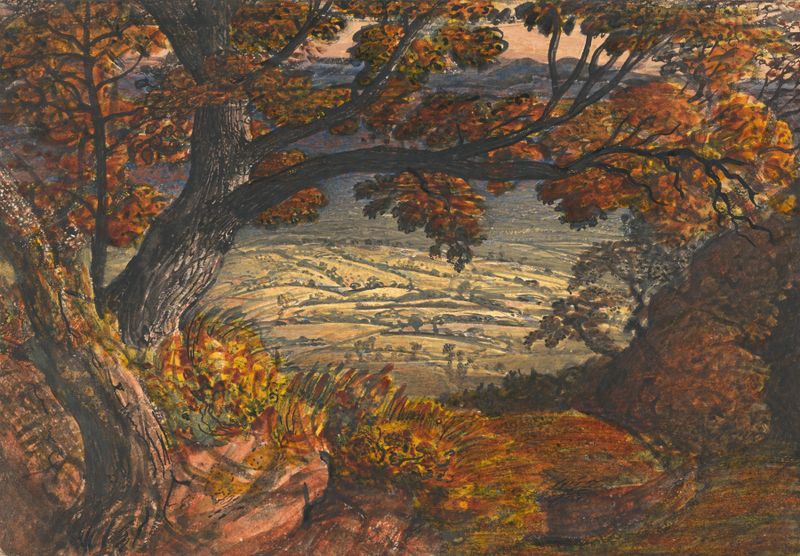
The Weald of Kent
Samuel Palmer
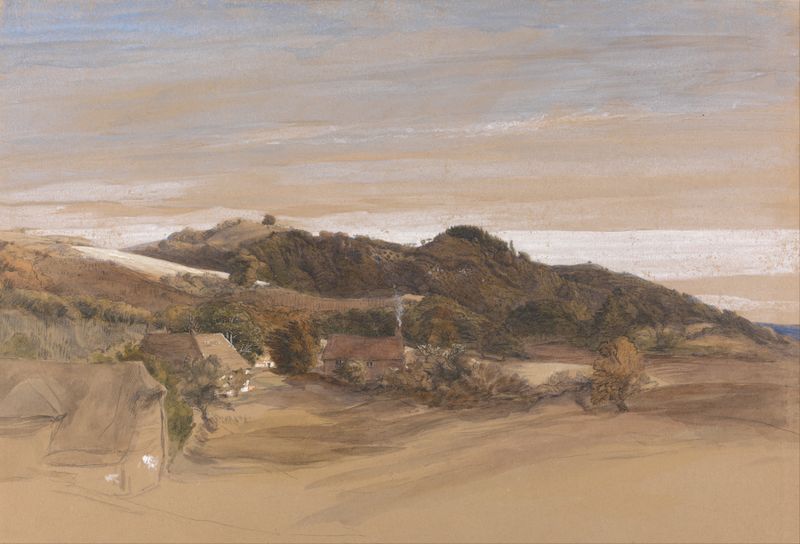
Underriver Hills, near Sevenoaks, Kent, from the Grounds of J. Herries, Esq.
Samuel Palmer
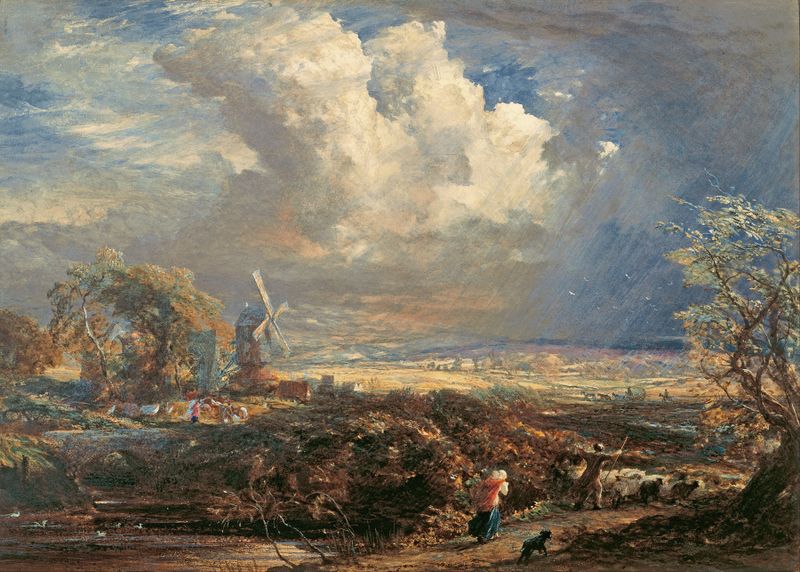
Summer Storm near Pulborough, Sussex
Samuel Palmer
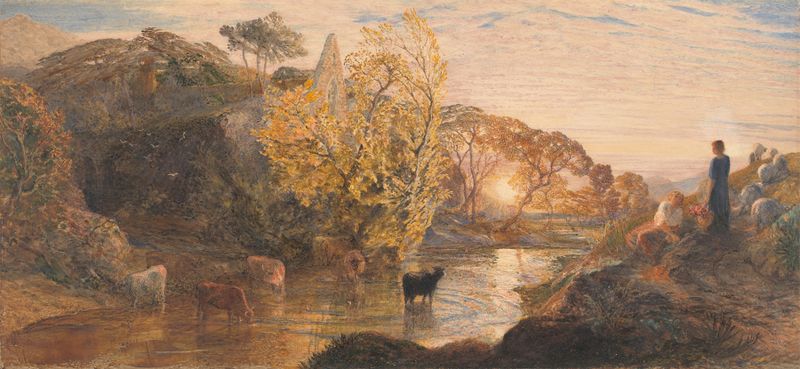
Tintern Abbey at Sunset
Samuel Palmer
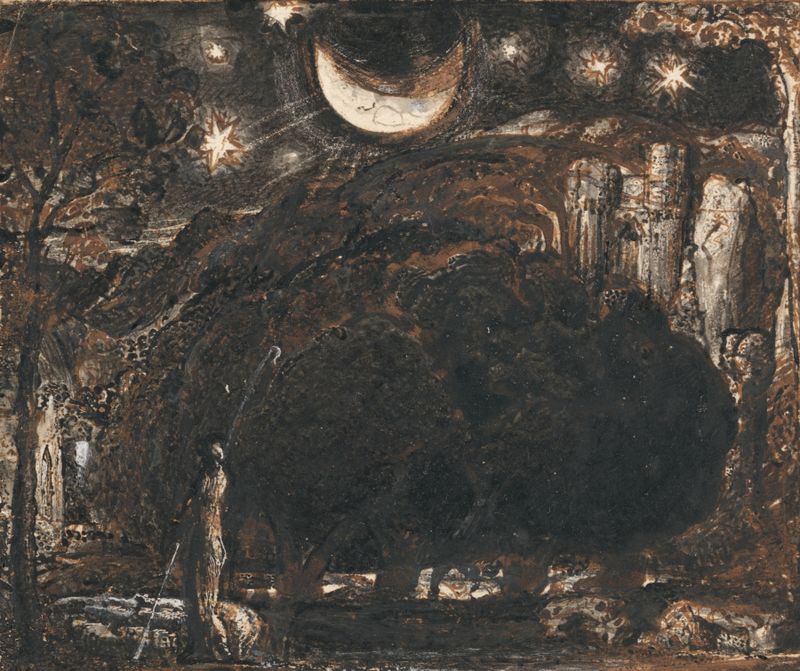
A Shepherd and his Flock under the Moon and Stars
Samuel Palmer
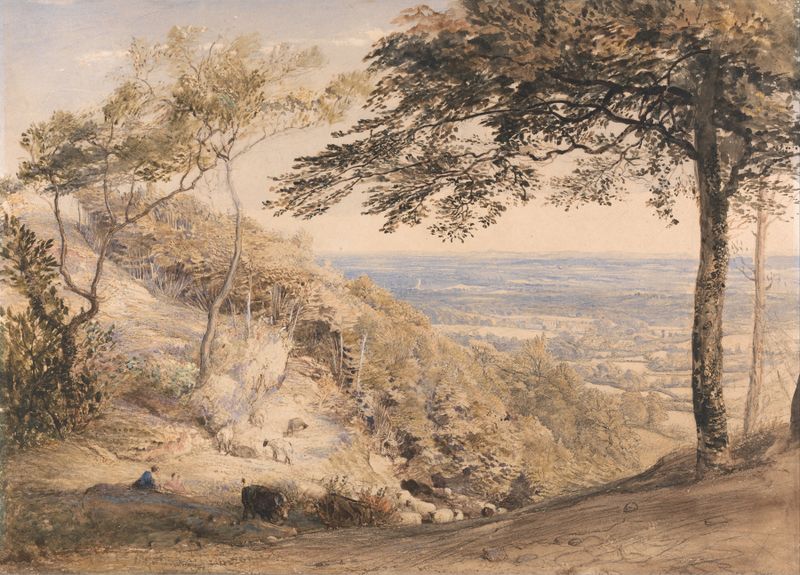
Wilmot’s Hill, Kent
Samuel Palmer
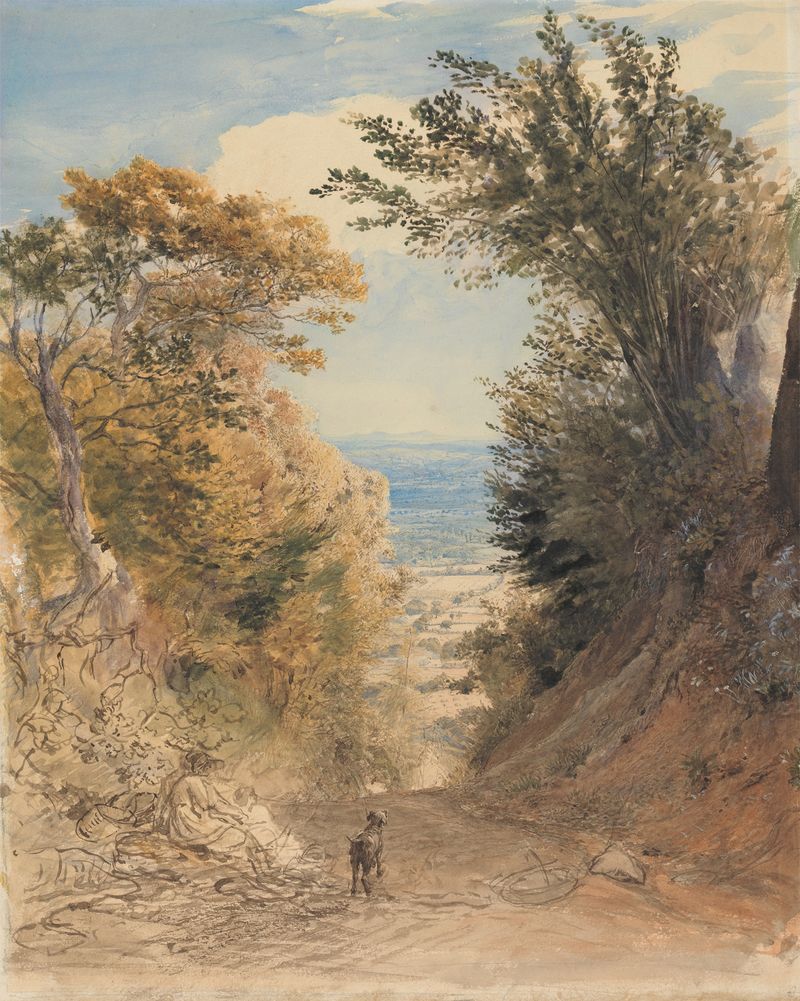
View from Rook’s Hill, Kent
Samuel Palmer
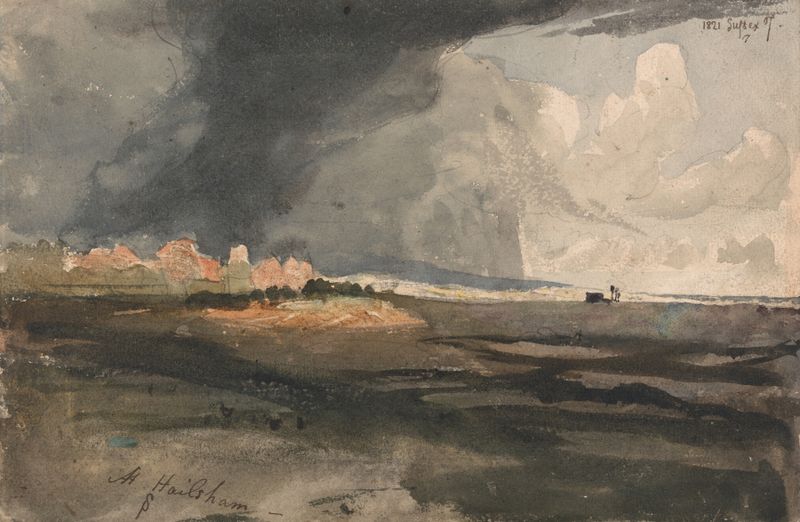
At Hailsham, Sussex; a Storm Approaching
Samuel Palmer
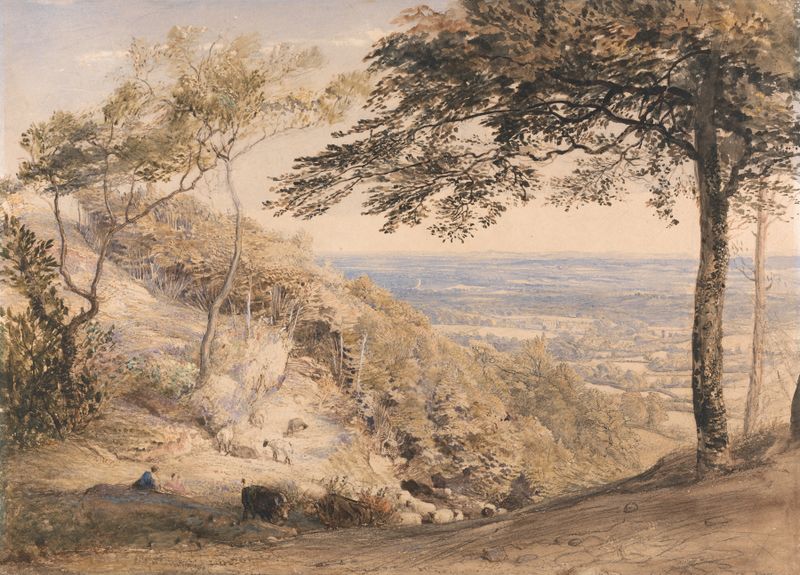
Wilmot’s Hill, Kent
Samuel Palmer
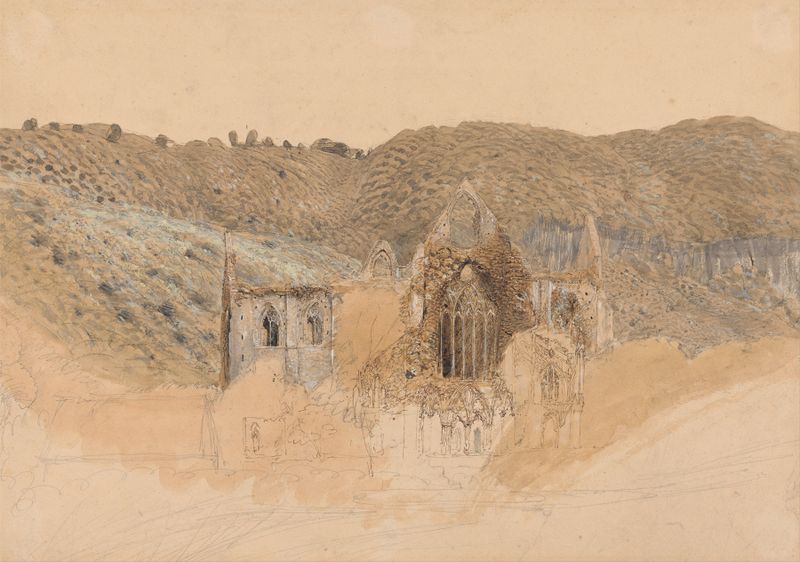
Tintern Abbey
Samuel Palmer





