
Hattem — History & Facts
In the realm of beauty, there lies a quiet elegance that whispers rather than shouts, inviting introspection and longing. Focus on the harmonious blend of earthy tones that pervade the canvas, guiding your gaze toward a tranquil village scene, rich with detail. Notice how the muted blues and browns create a serene backdrop, while splashes of warm ochre suggest the gentle embrace of sunlight on rooftops. The composition is balanced, almost meditative, with a river subtly flowing through, directing your eyes from the foreground into the distance where time seems to stand still. As you examine the foliage, see how the leaves dance lightly in the breeze, a reminder of nature's constant yet silent rhythm.
The stillness of the water reflects not just the landscape, but the emotional depths of existence, hinting at the intertwined nature of life and beauty. There’s a contrast between the vibrant life depicted and the palpable stillness that evokes a sense of nostalgia, as if capturing a fleeting moment suspended in time. Willem Adrianus Grondhout painted Hattem between 1888 and 1934, a period during which he was deeply influenced by the Impressionist movement. Living in the Netherlands, he was part of an artistic community that sought to explore the interplay of light and color in everyday scenes.
The world was undergoing significant changes during this time, yet Grondhout chose to focus on the enduring beauty of landscapes, reflecting both his personal experiences and broader cultural shifts in art.
More Artworks by Willem Adrianus Grondhout
Browse all →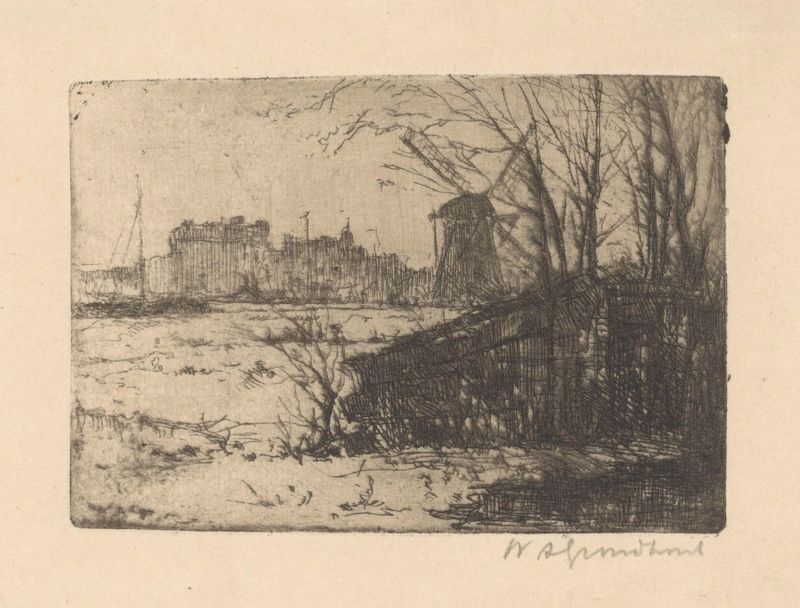
Landschap met molen in de Binckhorst in Den Haag
Willem Adrianus Grondhout
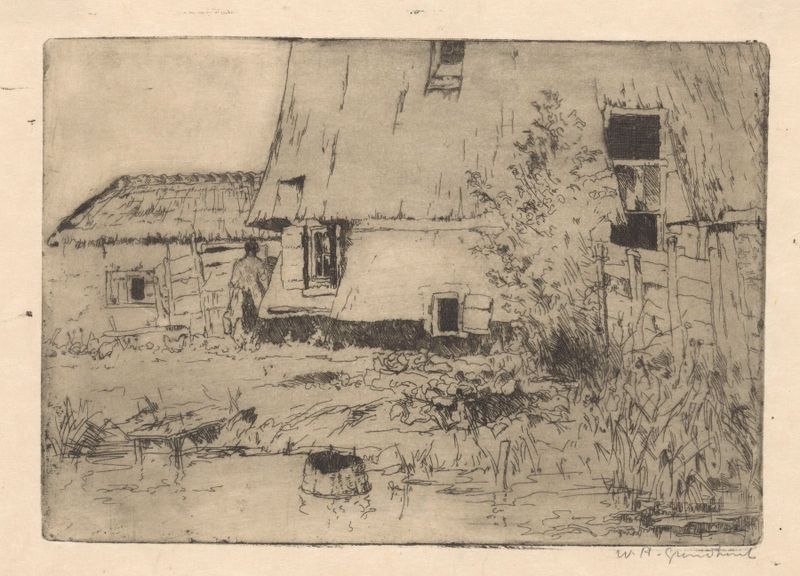
Voet van een molen in Voorburg
Willem Adrianus Grondhout
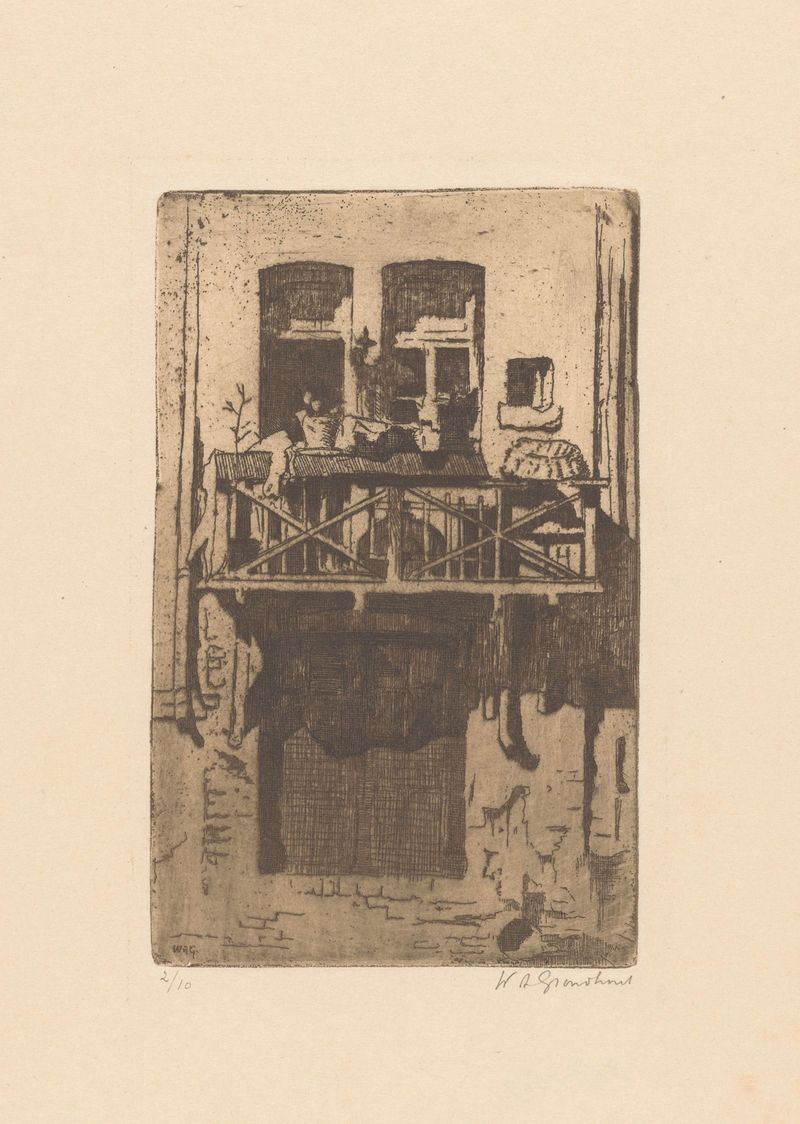
Balkon van een huis aan de Oudezijds Kolk in Amsterdam
Willem Adrianus Grondhout
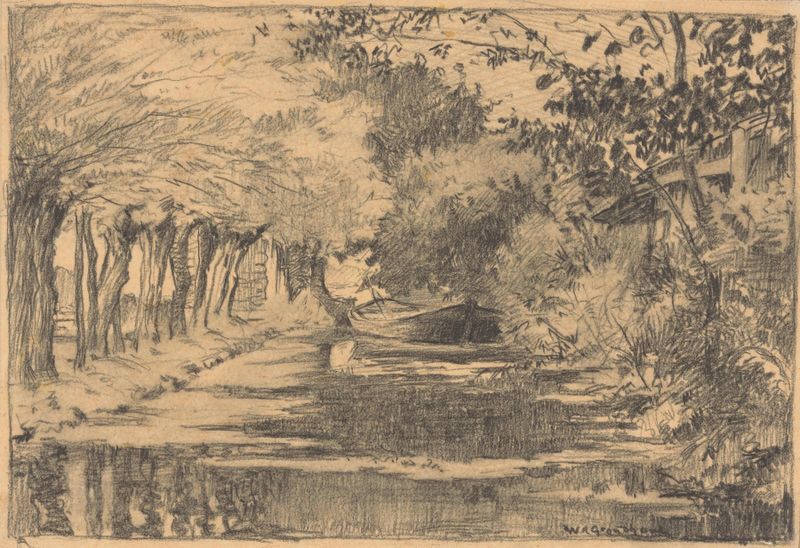
Broeksloot bij Voorburg
Willem Adrianus Grondhout
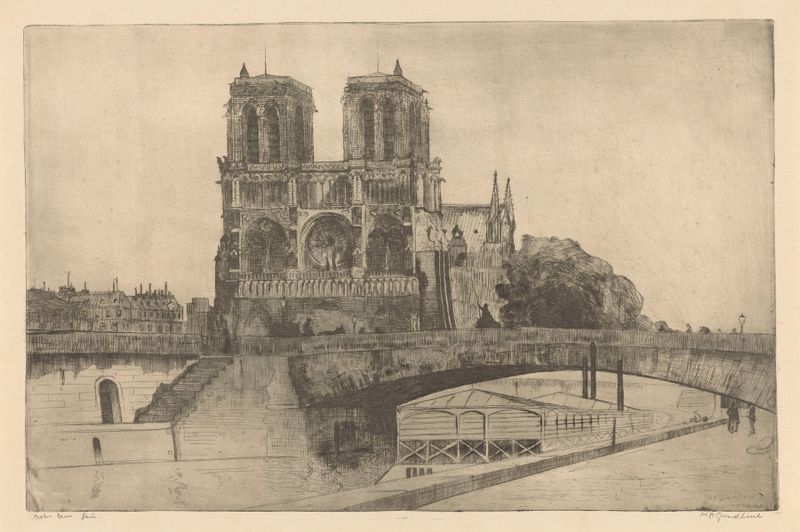
Notre-Dame, Paris
Willem Adrianus Grondhout
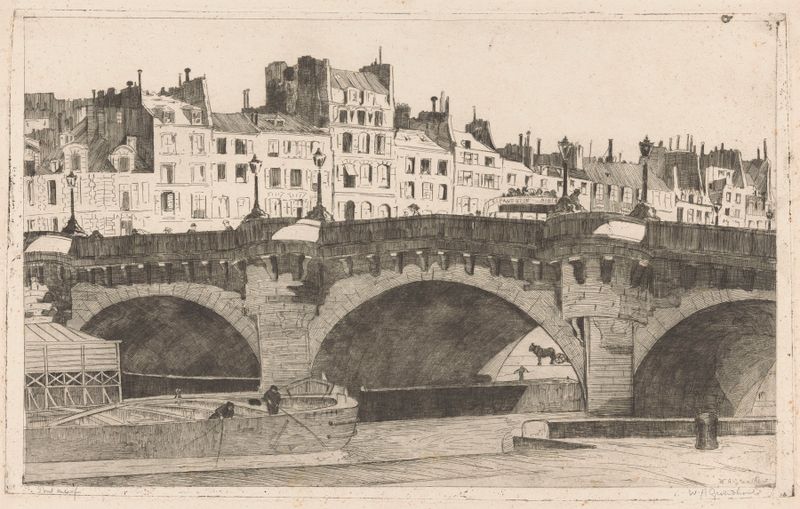
Pont Neuf
Willem Adrianus Grondhout
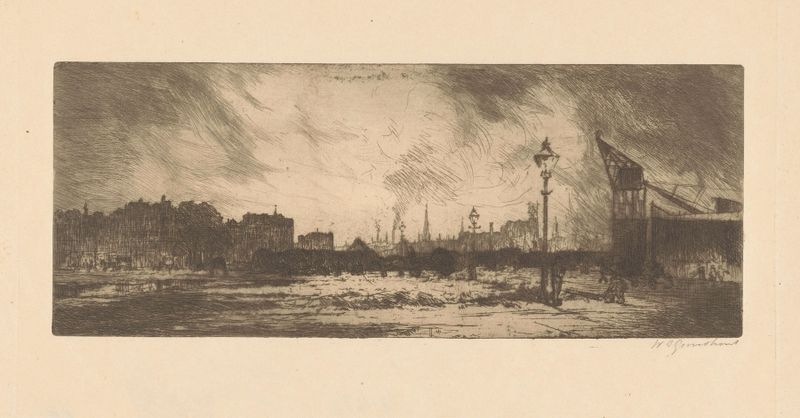
Havenkade met lantaarnpalen in Rotterdam
Willem Adrianus Grondhout
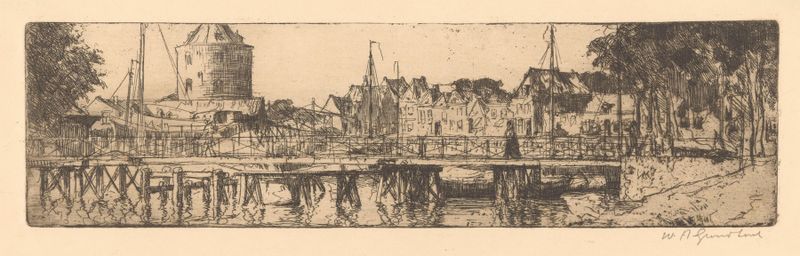
Enkhuizen
Willem Adrianus Grondhout
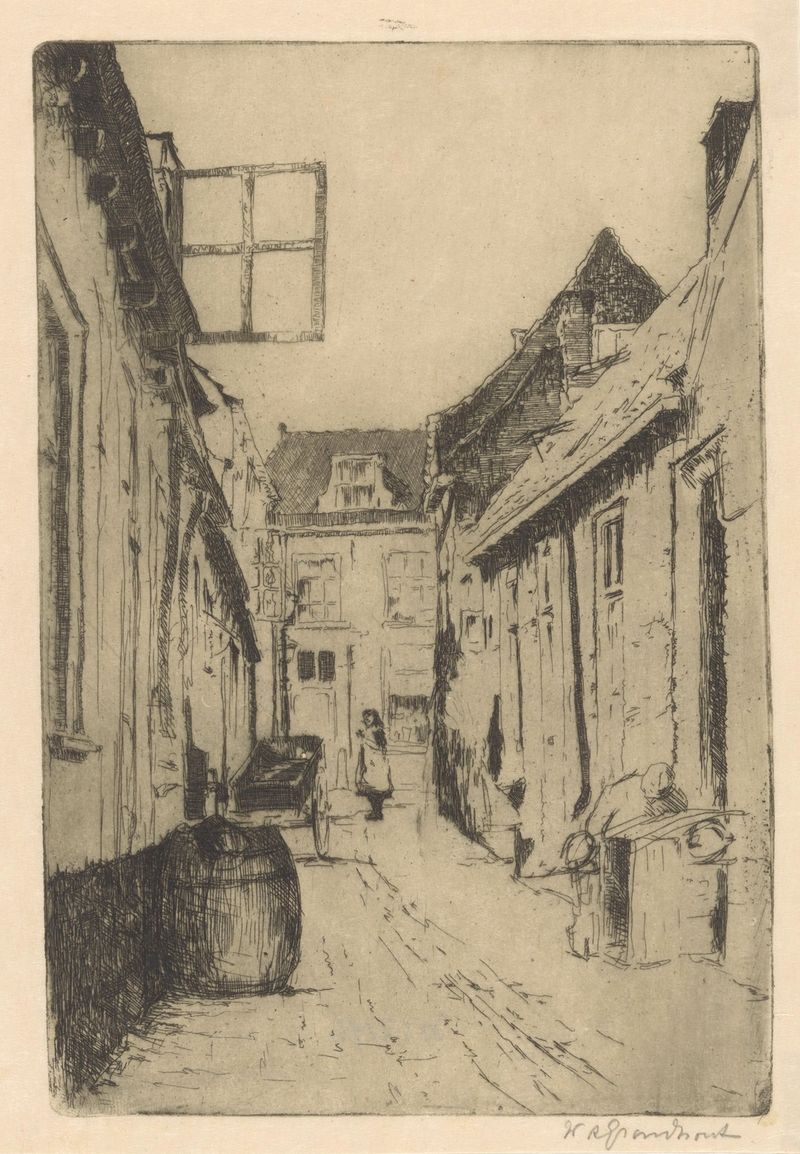
Straatje in Voorburg.
Willem Adrianus Grondhout
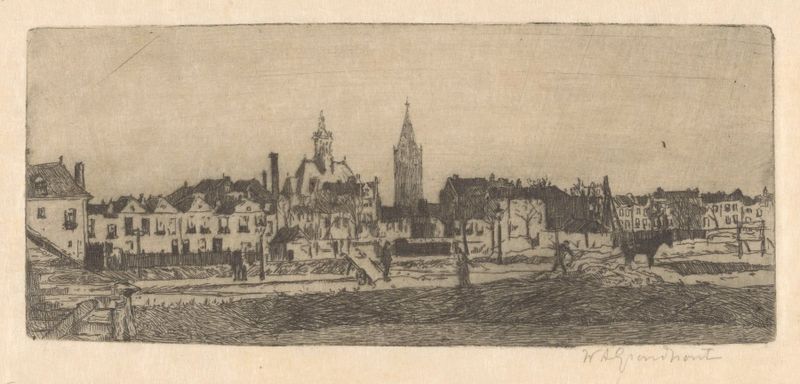
Delft
Willem Adrianus Grondhout





