
Hazenjacht — History & Facts
Can paint confess what words never could? In Wenceslaus Hollar's Hazenjacht, a haunting tableau captures the slow embrace of decay intertwined with life, inviting the viewer to ponder the transient nature of existence. Look to the center where a group of hunters stands poised, their figures highlighted against a muted backdrop of browns and grays. The warm light filters through the trees, creating an interplay of shadow and illumination that draws the eye to the meticulously detailed textures of the foliage and the hunters’ garments. Each stroke reveals not just form but also the essence of their pursuit—a delicate balance between vitality and the inevitable end lurking just beyond the frame. Hidden within the bustling scene lies a profound dichotomy: the hunters, caught in fervent action, stand juxtaposed against the stillness of the forest, where time seems to linger.
The subtle decay of fallen leaves and the creeping vines nod to nature’s reclamation, a reminder that every chase ends in surrender. The tension between the immediate thrill of the hunt and the quiet acceptance of decay creates an emotional resonance that speaks to life’s cyclical rhythm. In 1671, amidst a flowering of baroque artistry, Hollar painted this work during his time in London, where he was influenced by the natural world and the changing landscapes of the city. The art scene was alive with exploration and innovation, yet Hollar’s focus on the intricate details of nature and the human condition reveals his deeper contemplation on mortality—a theme that resonates through the ages.
More Artworks by Wenceslaus Hollar
Browse all →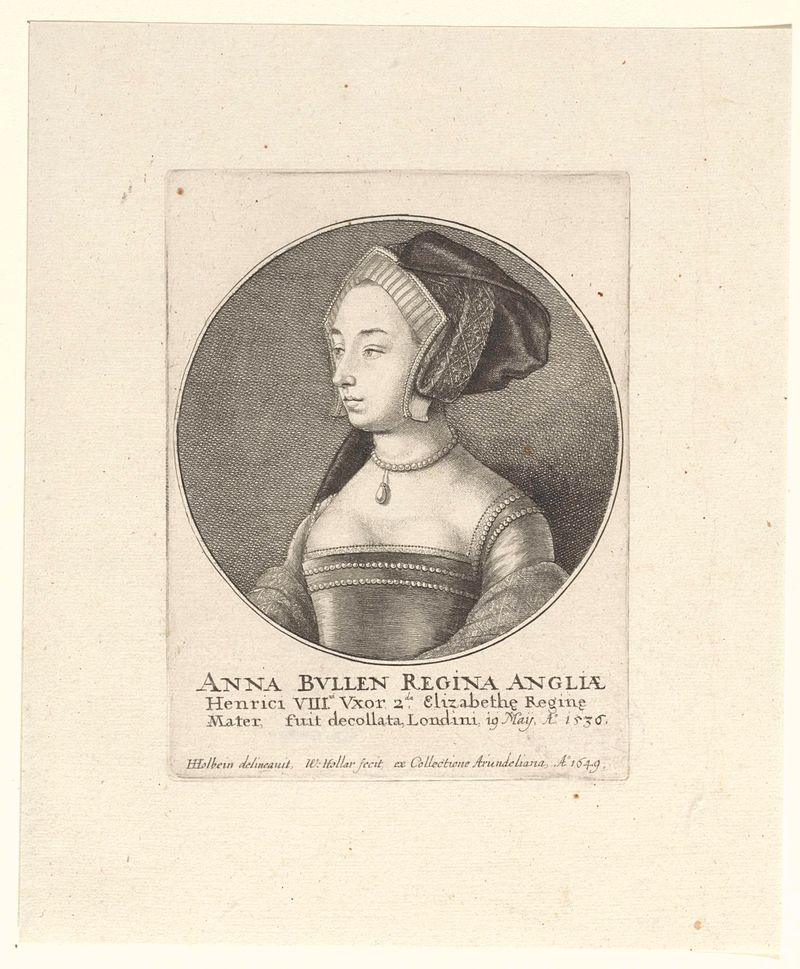
Portret van Anna Boleyn, koningin van Engeland
Wenceslaus Hollar
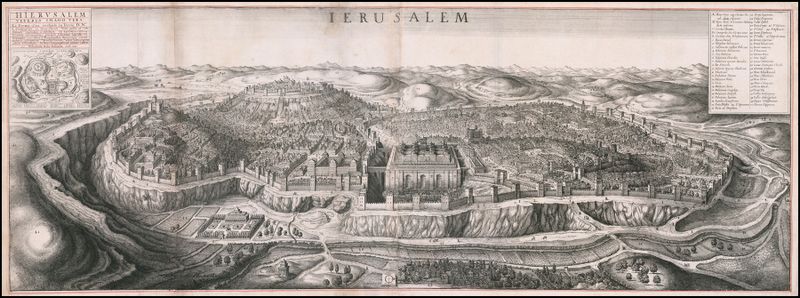
Bird’s eye view of Jerusalem
Wenceslaus Hollar
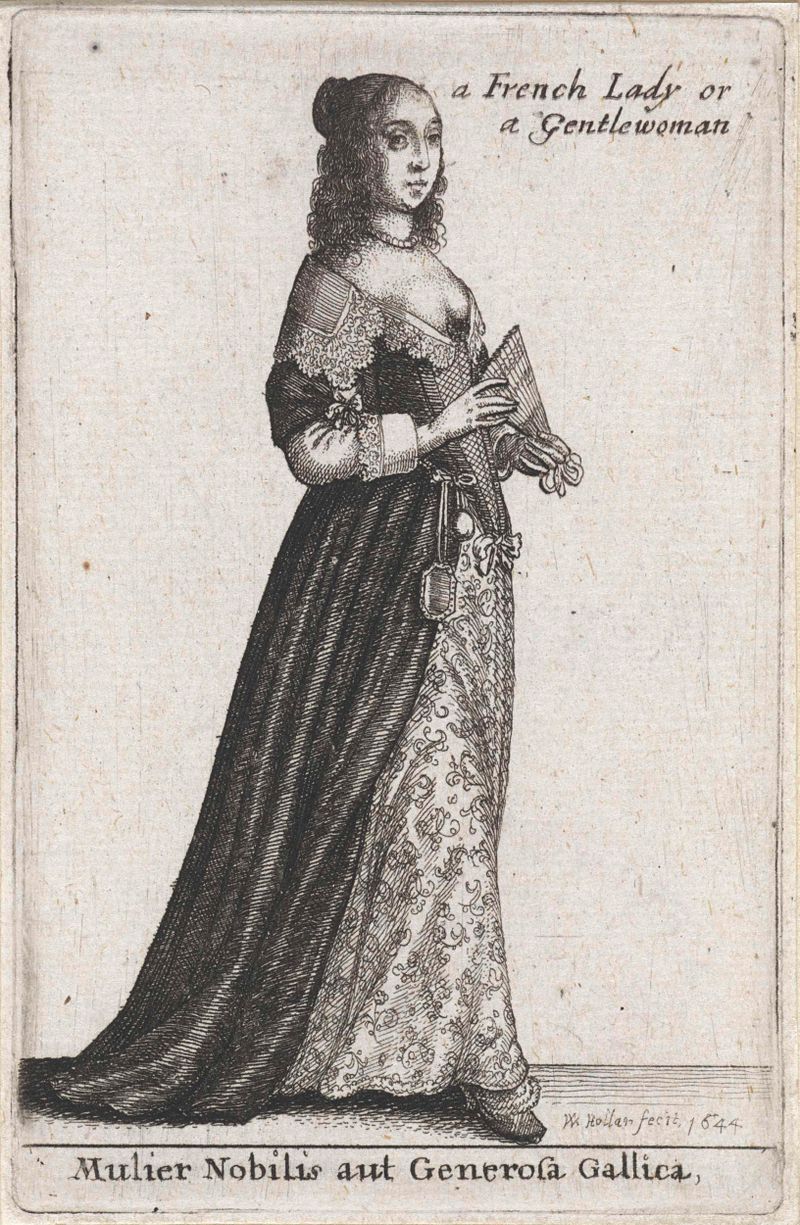
Mulier Nobilis aut Generosa Gallica / a French Lady or Gentlewoman
Wenceslaus Hollar
Titelprent voor: Ornatus Muliebris Anglicanus
Wenceslaus Hollar
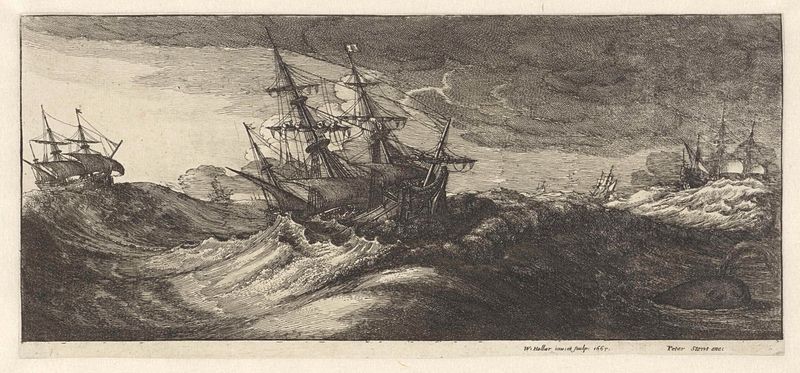
Oorlogsschepen en een walvis in een zeestorm
Wenceslaus Hollar
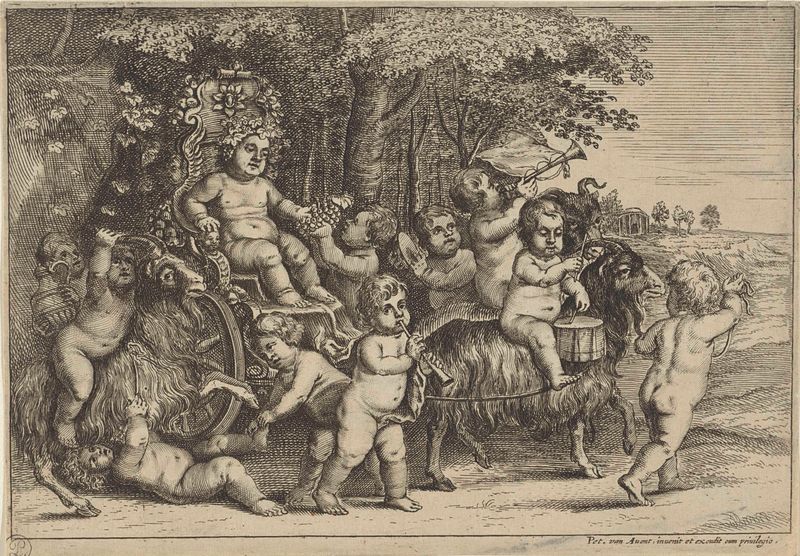
Optocht van bacchant en jongetjes op geiten
Wenceslaus Hollar
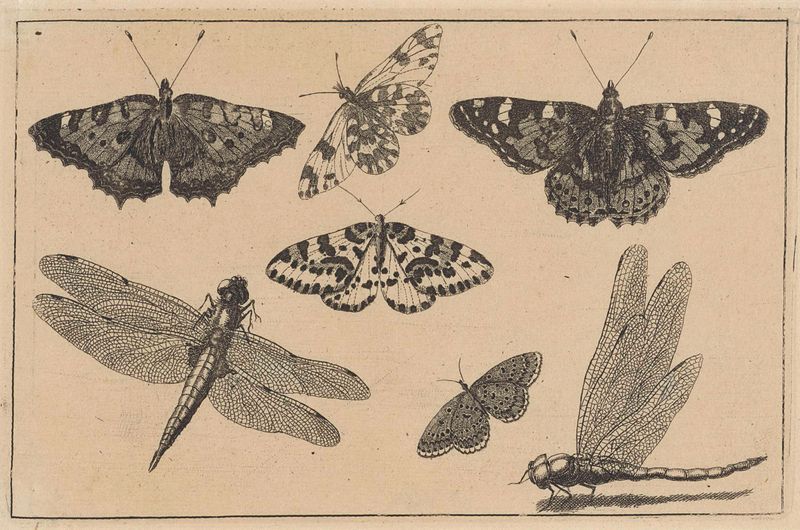
Twee libellen en vijf vlinders
Wenceslaus Hollar
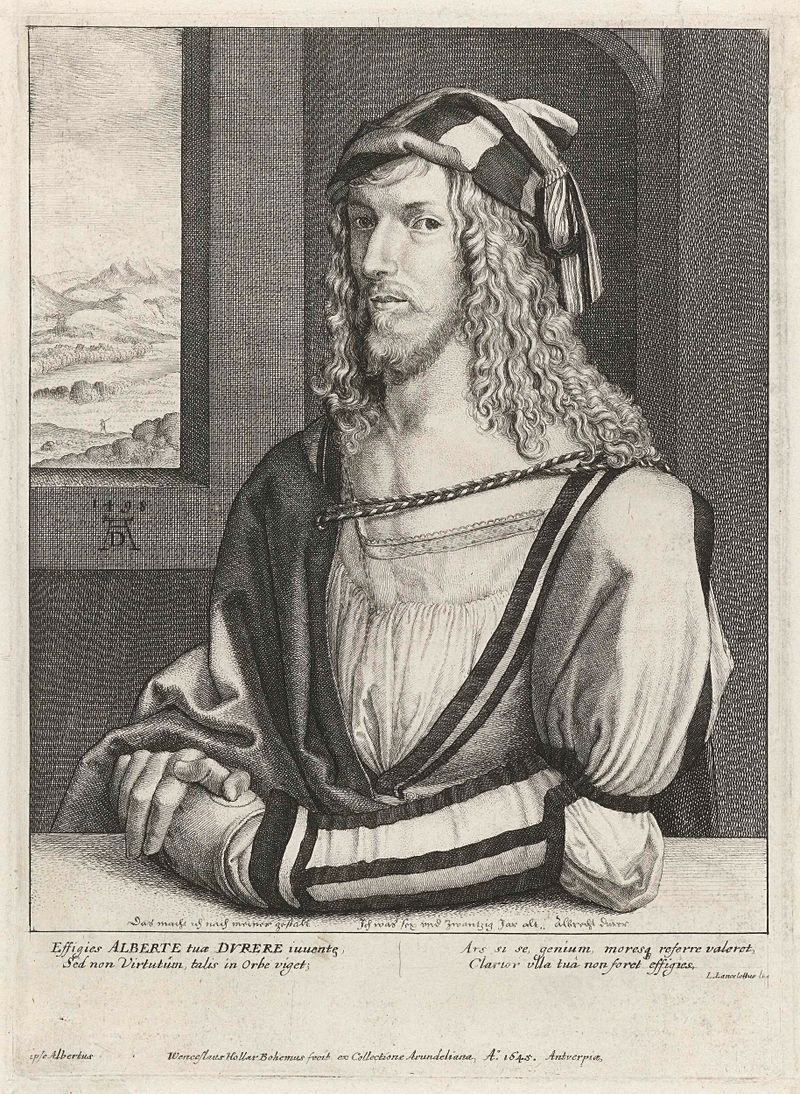
Portret van Albrecht Dürer
Wenceslaus Hollar
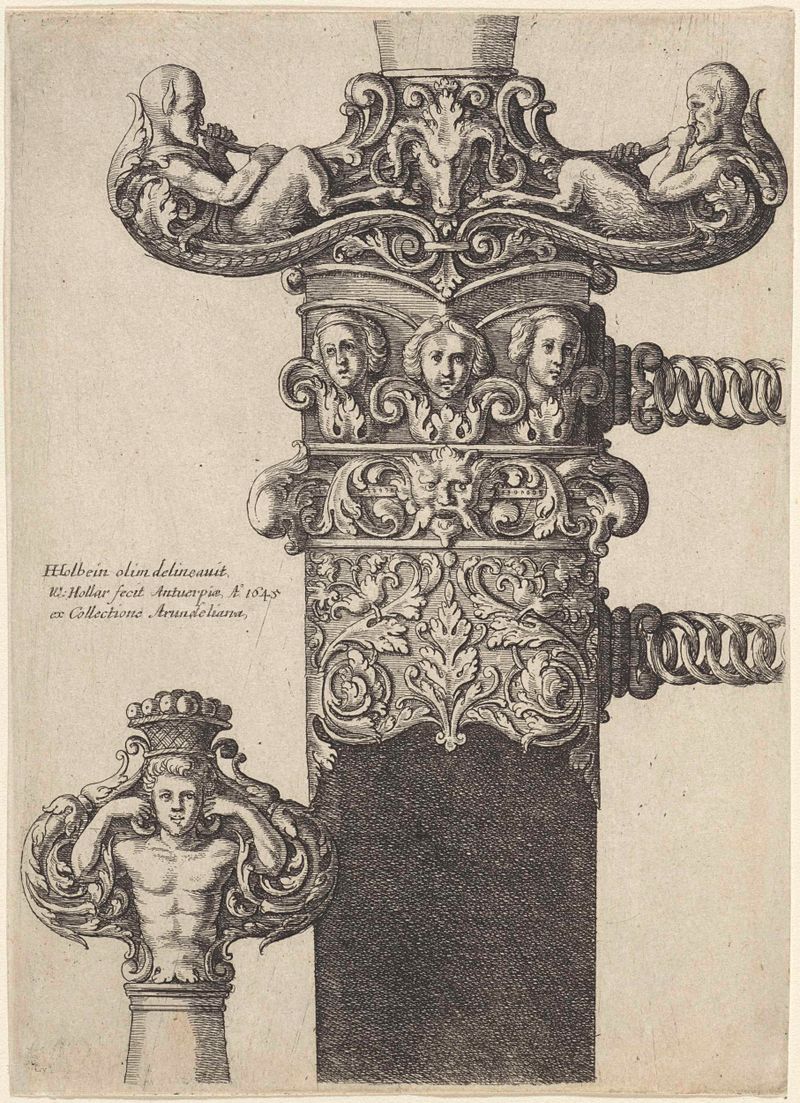
Ornamenteel ontwerp voor een dolk
Wenceslaus Hollar
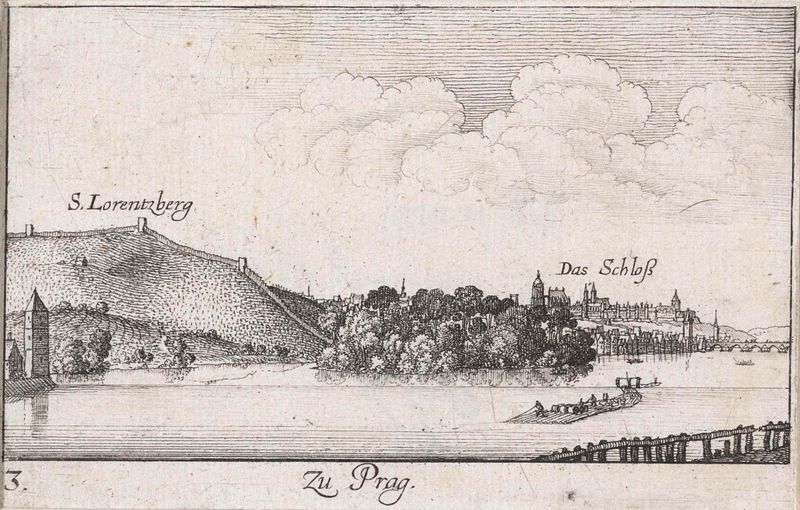
Gezicht op Praag vanaf de Moldau
Wenceslaus Hollar





