
Head of a Girl — History & Facts
What draws the eye first in Head of a Girl is the gentle tilt of her head, a gesture that seems to catch her in a private moment of thought or shyness. The cool, muted background pushes her face forward, where the play of light across her brow and cheek suggests a soft, natural illumination. Her simple white cap frames her features, while the reddish-brown of her garment anchors her in the everyday world of seventeenth-century Holland.
The artist, Adriaen van Ostade, lingers on the downcast eyes and faint smile, inviting us to wonder what occupies her mind—a fleeting mood, a half-heard song, or perhaps the presence of someone just out of view. Painted in 1655, this work belongs to the world of Dutch genre painting, where artists like van Ostade found beauty and meaning in humble subjects. In an age when grand portraits and history scenes dominated, small studies of ordinary people—especially children—offered collectors a glimpse of daily life, often with a touch of humor or tenderness. Little is recorded about this specific painting's journey before it entered the collection of the Detroit Institute of Arts, but its quiet intimacy is typical of the era's fascination with character and mood over narrative.
Look again at the girl's expression: in its simplicity, it captures the spirit of a time when the ordinary was worthy of close, loving attention.
More Artworks by Adriaen van Ostade

Dans in de herberg
Adriaen van Ostade
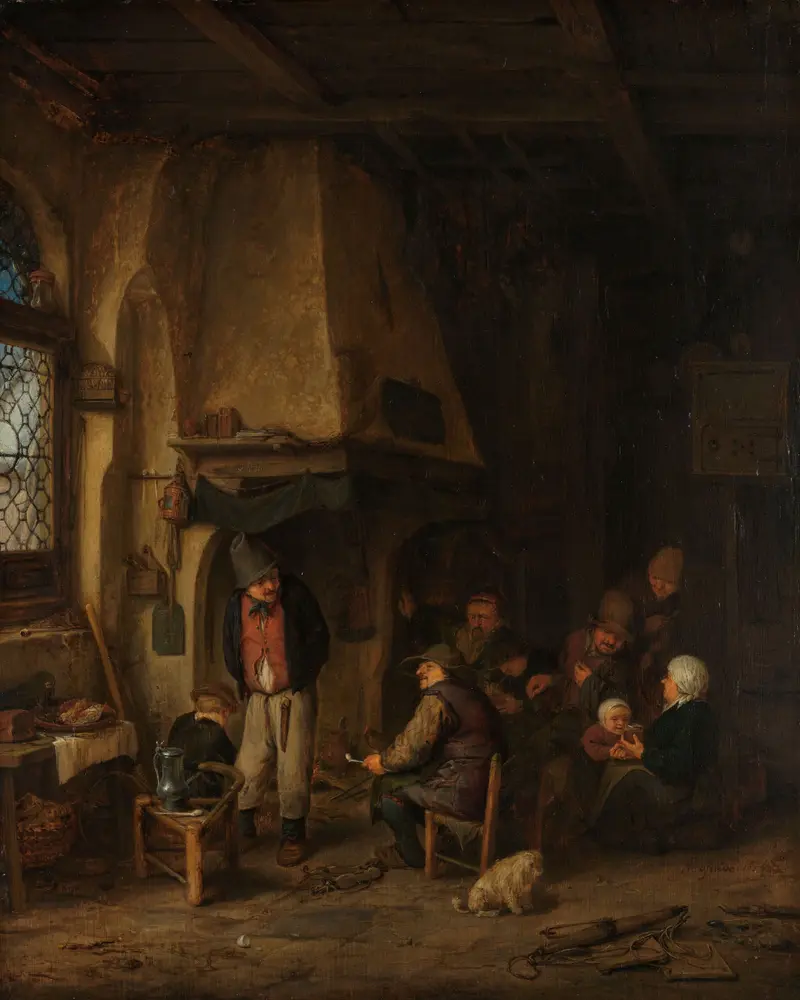
‘The Skaters’: Peasants in an Interior
Adriaen van Ostade
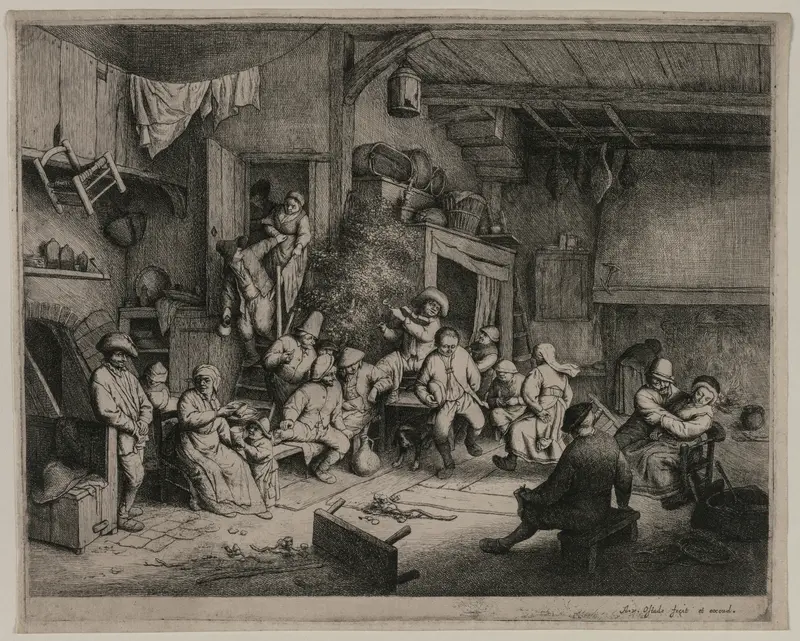
Dance at the Inn
Adriaen van Ostade
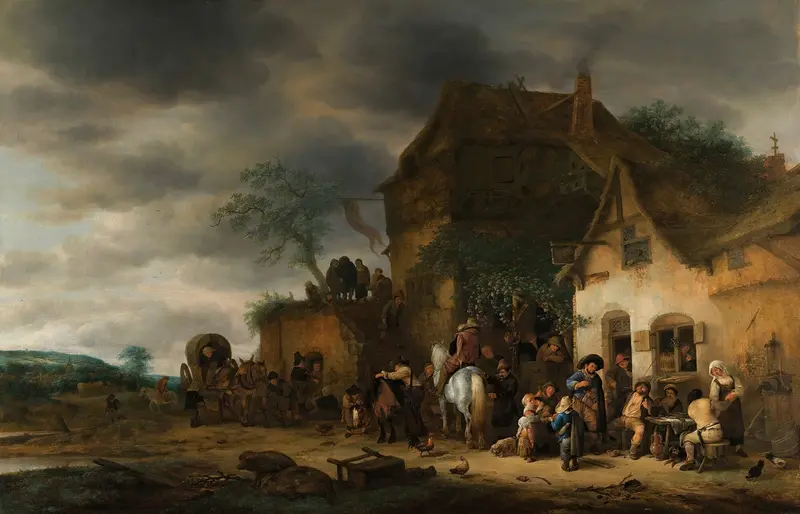
Travellers Halted At A Country Inn
Adriaen van Ostade
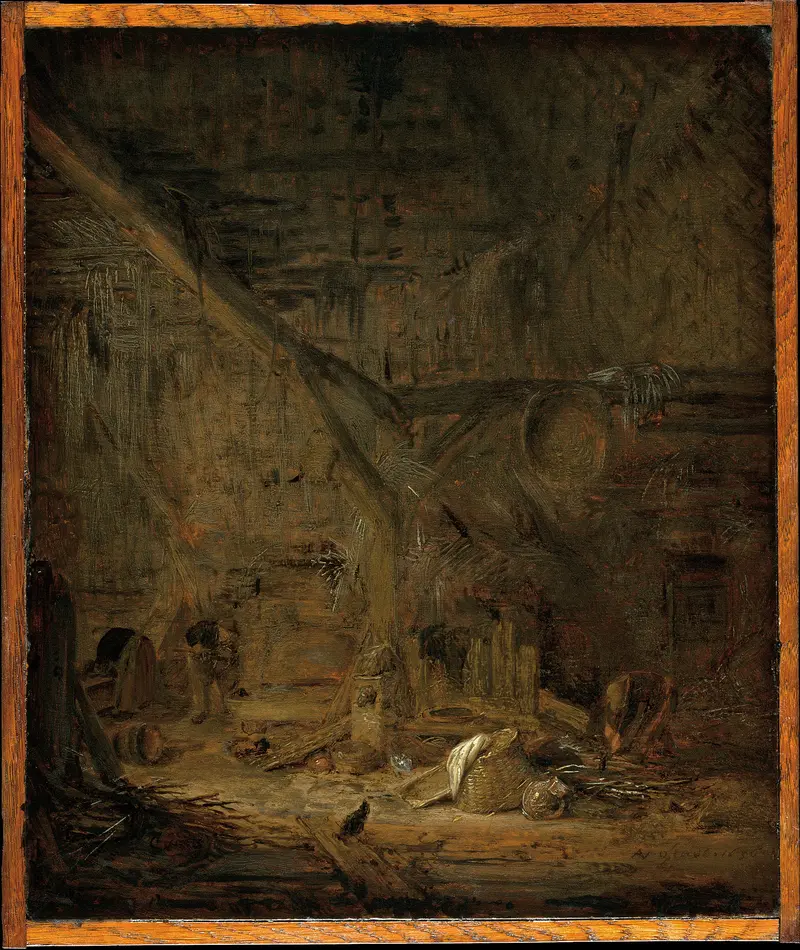
Interior of a Barn
Adriaen van Ostade
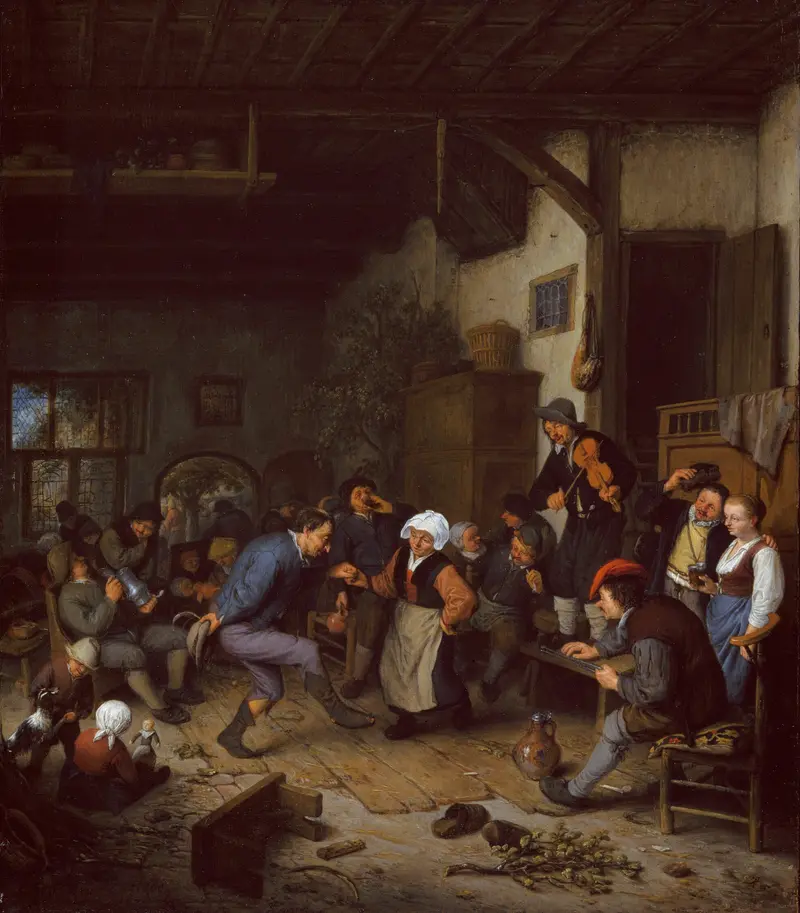
Merrymakers in an Inn
Adriaen van Ostade
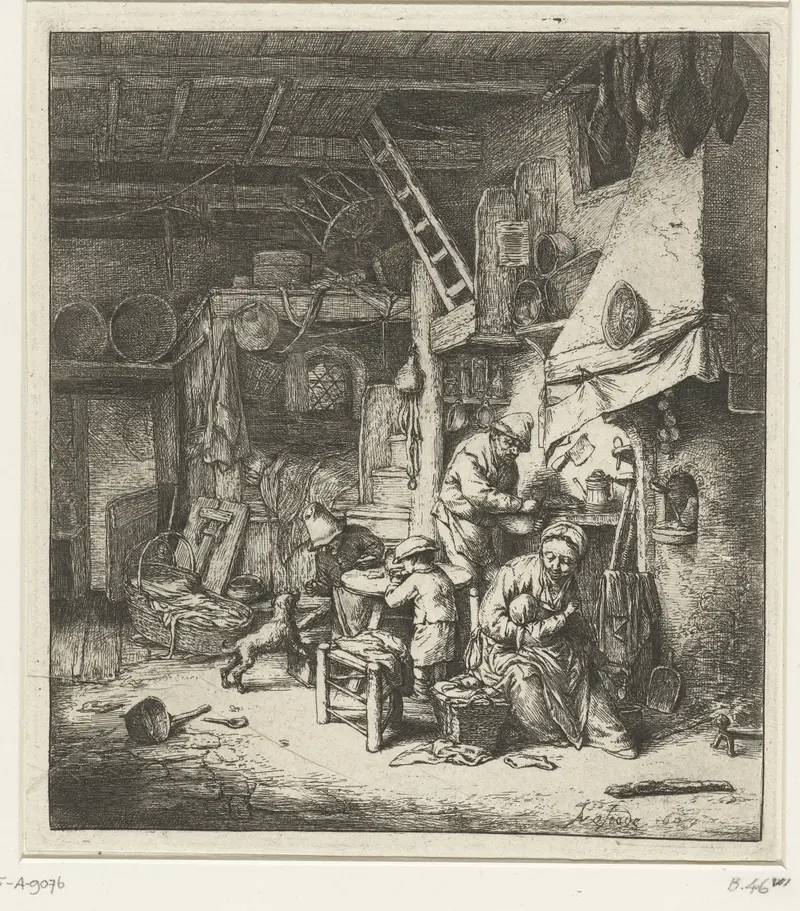
Boerengezin in interieur
Adriaen van Ostade
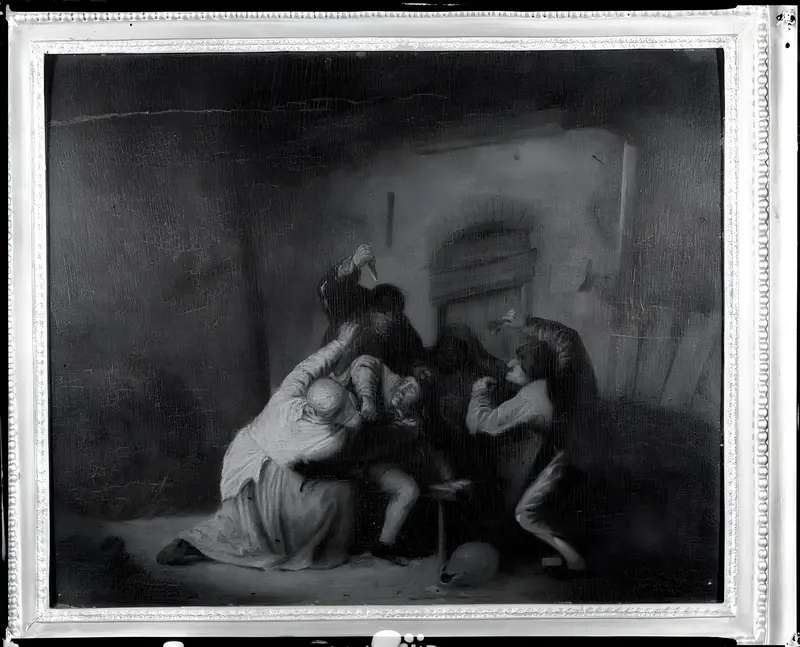
Peasants Brawling in a Tavern
Adriaen van Ostade
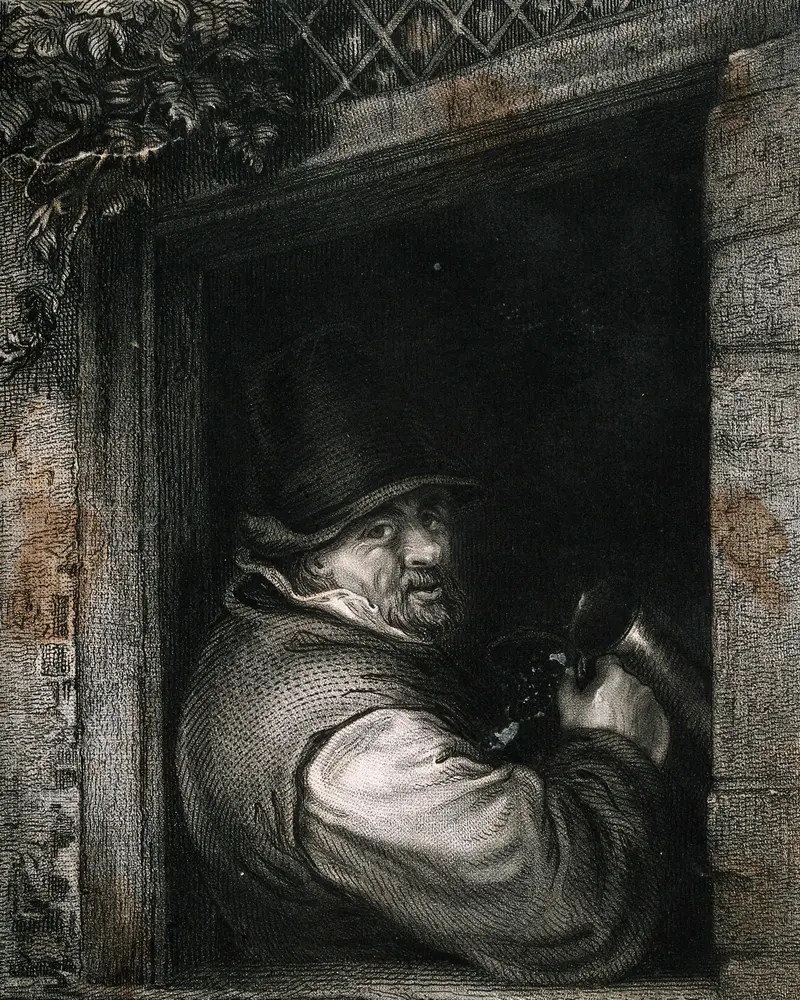
Man with a Tankard at a Window
Adriaen van Ostade
Dans in de herberg
Adriaen van Ostade
More Genre Scene Art

Banquet of the Officers of the St George Civic Guard
Frans Hals

Rembrandt and Saskia in the Scene of the Prodigal Son
Rembrandt van Rijn

Bal du moulin de la Galette
Pierre-Auguste Renoir

Quadrille at the Moulin Rouge
Henri de Toulouse-Lautrec

A Burial at Ornans
Gustave Courbet

When Will You Marry?
Paul Gauguin