
Headland near Greymouth — History & Facts
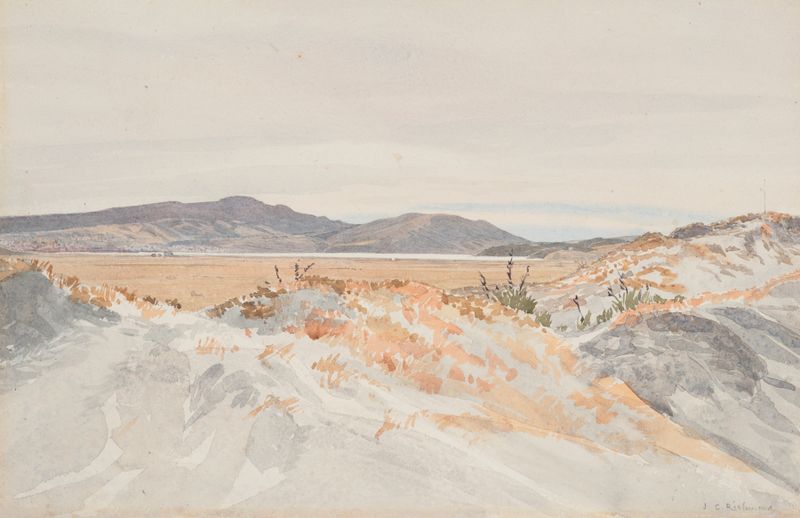
This sentiment echoes through the rich, textured landscape painted in the 1860s, revealing a world where destiny unfolds in quiet solitude. In this serene tableau, nature’s beauty invites contemplation, yet whispers of untold stories linger beneath the surface. Look to the bottom right at the rugged shoreline, where dark, jagged rocks jut out into the rippling sea. The painter’s brushstrokes capture the play of light on the water, shifting from deep emerald to shimmering gold as the sun dips towards the horizon.
The composition leads the eye upward toward the soft clouds drifting in a pastel sky, creating a harmonious balance between the tumultuous earth and the tranquil heavens. The vibrant greens of the land contrast with the deep blues of the ocean, illustrating the intricate relationship between strength and vulnerability. Hidden meanings pulse within the landscape—a testament to nature’s duality. The rocky headland represents resilience, while the calm waters symbolize the flow of time and the inevitability of change.
This vibrant yet subdued scene reflects the tension between human ambition and the encompassing force of nature. Each element invites viewers to ponder their own paths, suggesting that beauty is often intertwined with struggle. During the 1860s, James Crowe Richmond was establishing his reputation in the burgeoning landscape movement in New Zealand. With a keen interest in capturing the country’s natural beauty, he painted Headland near Greymouth while navigating the complexities of colonial life and the artistic transition in a rapidly changing society.
This period marked a significant moment in his career, as he sought to fuse emotional depth with the unyielding spirit of the land.
More Artworks by James Crowe Richmond
Browse all →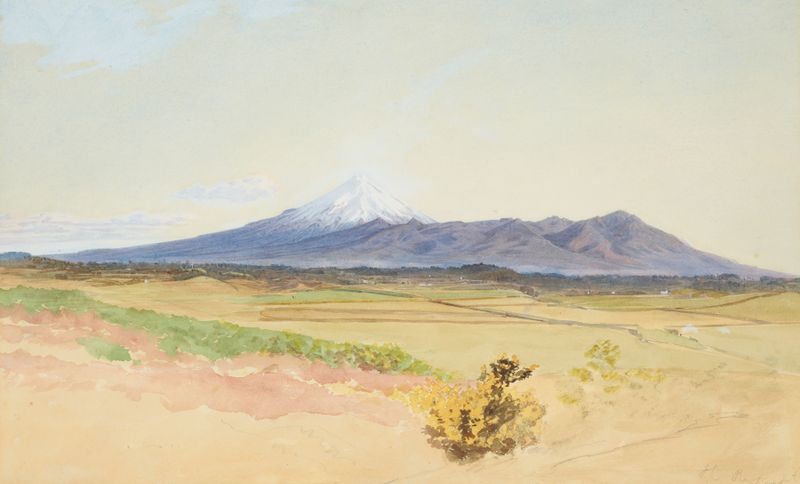
Mount Egmont and Pouakai, from New Plymouth
James Crowe Richmond
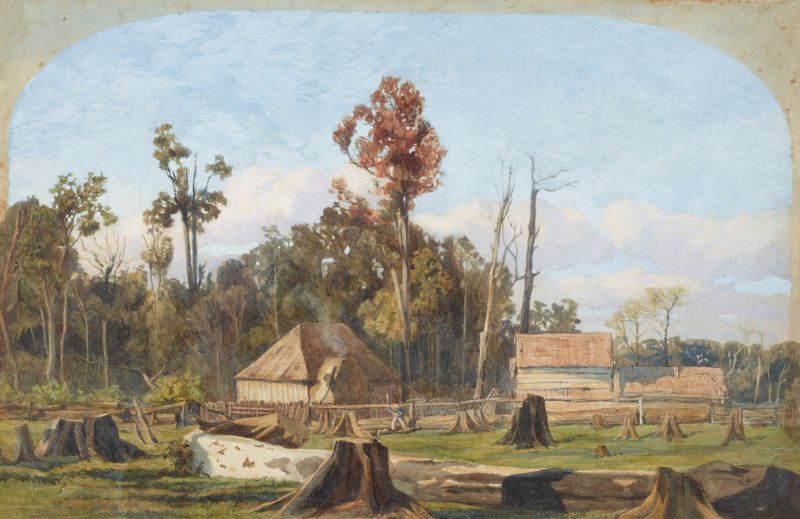
Settler’s home, Merton, near New Plymouth
James Crowe Richmond
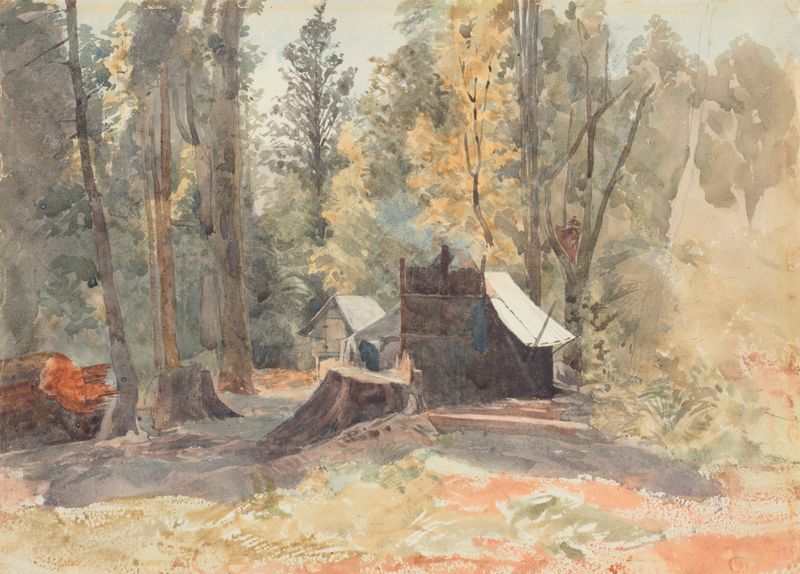
Hut of the ‘Italian party’, old diggings on Buller
James Crowe Richmond

Mosque at Tlemcen
James Crowe Richmond

Ngatapa, Te Kooti’s Pa
James Crowe Richmond

Dividing Range, Riwaka and Takaka
James Crowe Richmond
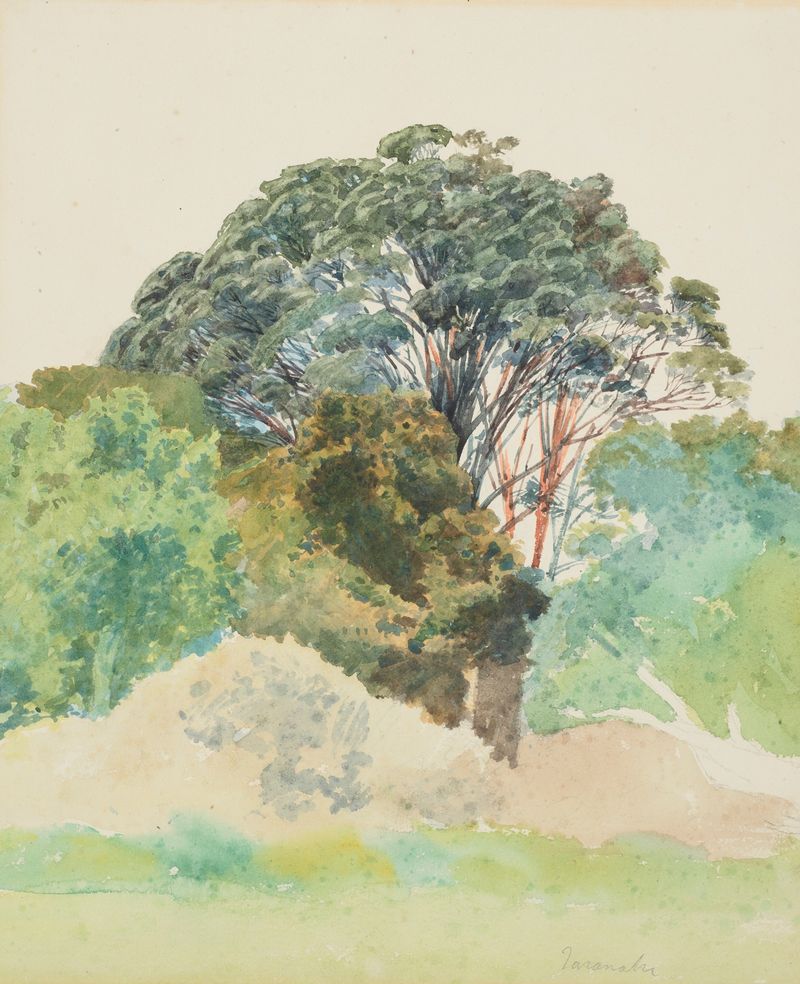
Rata, Taranaki
James Crowe Richmond

Grey River, on the beach
James Crowe Richmond
Dunedin from the Ocean Beach
James Crowe Richmond

On Collingwood Goldfields
James Crowe Richmond





