
Hegauberge — History & Facts
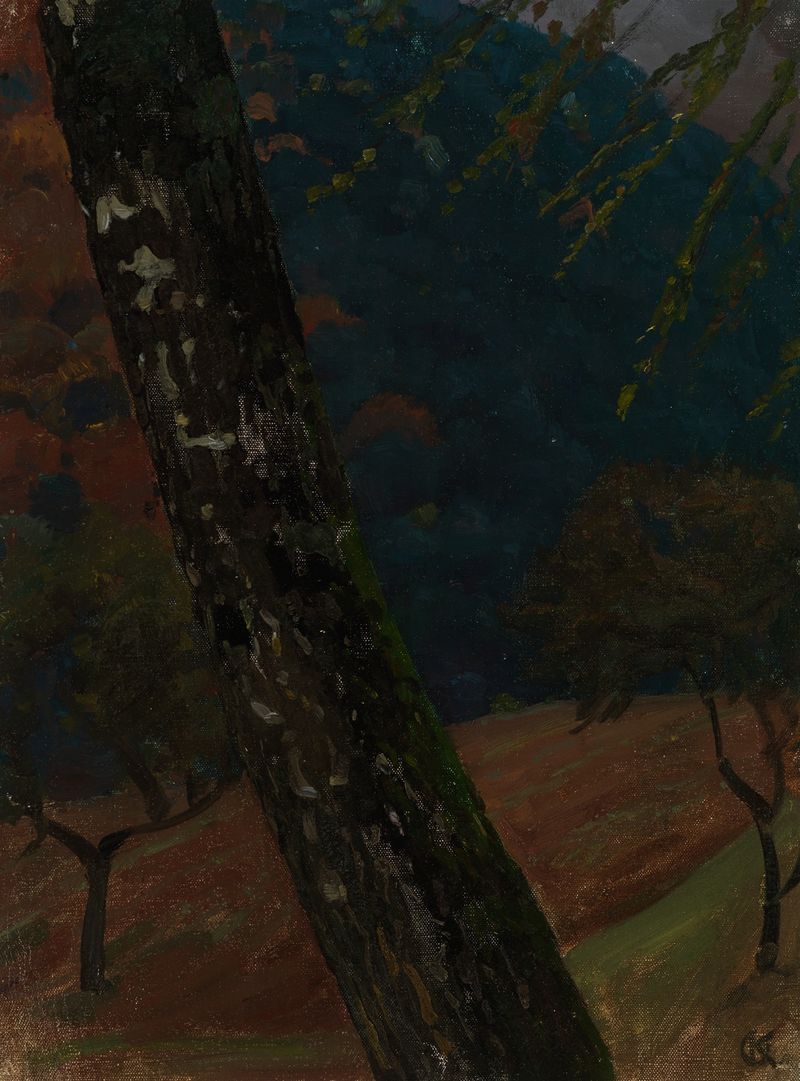
Who listens when art speaks of silence? In the stillness of Hegauberge, a tranquil awakening unfolds, inviting viewers to pause and reflect upon the quiet beauty of the natural world. Look to the left at the soft, rolling hills that cradle the horizon, their muted greens blending seamlessly with the warm ochres of the earth. The artist employs a delicate palette, characterized by a harmonious interplay of color that evokes a sense of calm. Notice how the light bathes the landscape, illuminating the gentle contours of the terrain, while shadows play coyly along the meandering paths.
Each brushstroke feels intentional, drawing the eye deeper into the serene atmosphere. As you explore further, consider the emotional tension between serenity and solitude. The stillness of the landscape seems to echo the weight of unspoken thoughts, inviting viewers to confront their own moments of introspection. The distant peaks, shrouded in a hazy veil, symbolize both a barrier and a bridge to self-discovery—an invitation to explore the unknown within.
It’s a reminder that in silence, profound awakenings often take place. Created around 1912, Hegauberge reflects Kampmann’s exploration of natural landscapes during a time of personal and artistic growth. Living in Germany, he was influenced by the burgeoning expressionist movement, which sought to capture emotional experiences through vivid and abstract representations. This work encapsulates his desire to convey a deep connection to nature and the inner awakening that such landscapes can inspire amid the complex currents of early 20th-century art.
More Artworks by Gustav Kampmann
Browse all →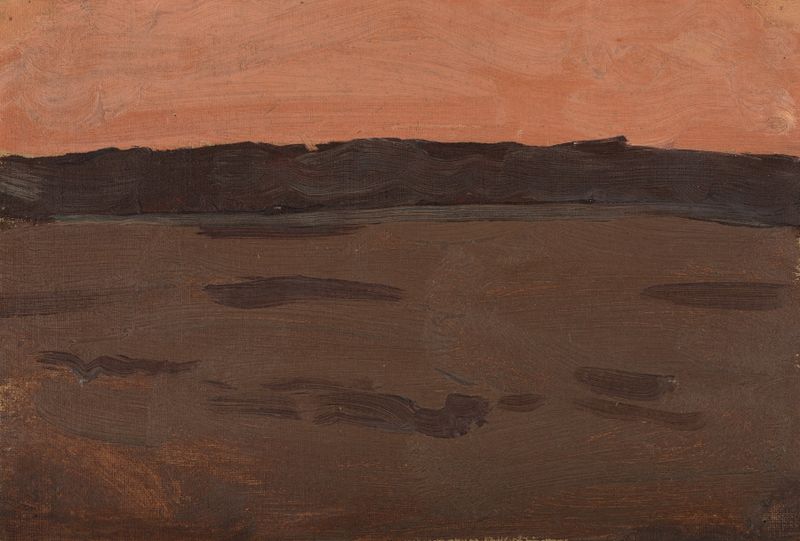
Abendstimmung
Gustav Kampmann

Eisenbahn am Abend
Gustav Kampmann

Nach Sonnenuntergang im Winter
Gustav Kampmann

Blick von der Hornisgrinde
Gustav Kampmann

Hügelige Landschaft mit Baumreihe
Gustav Kampmann
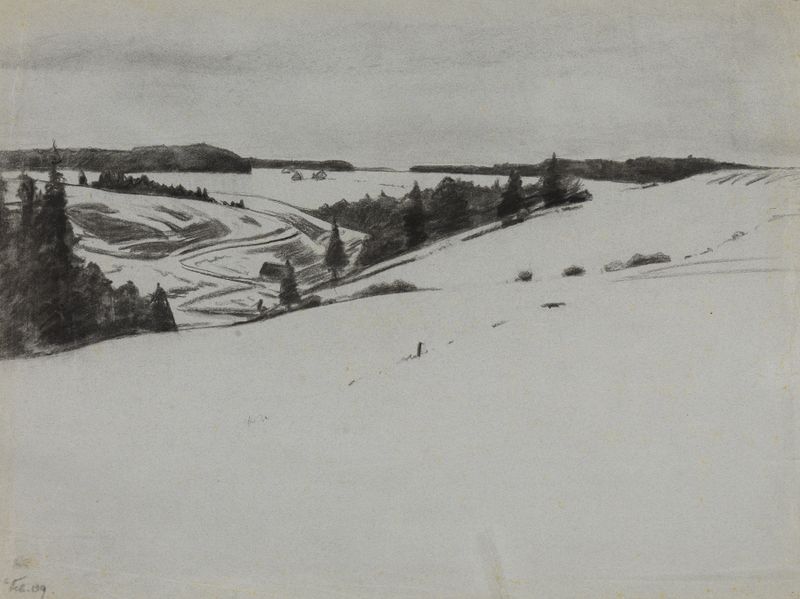
Schneelandschaft bei Königsfeld
Gustav Kampmann
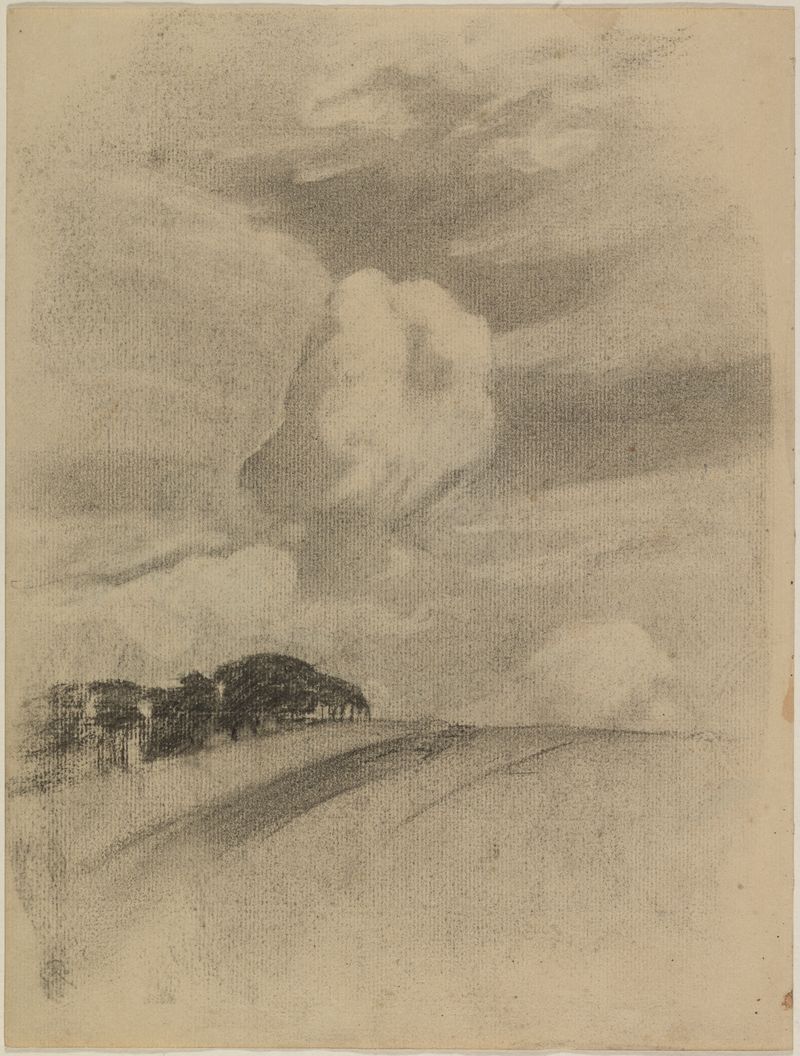
Landschaftsstudie
Gustav Kampmann
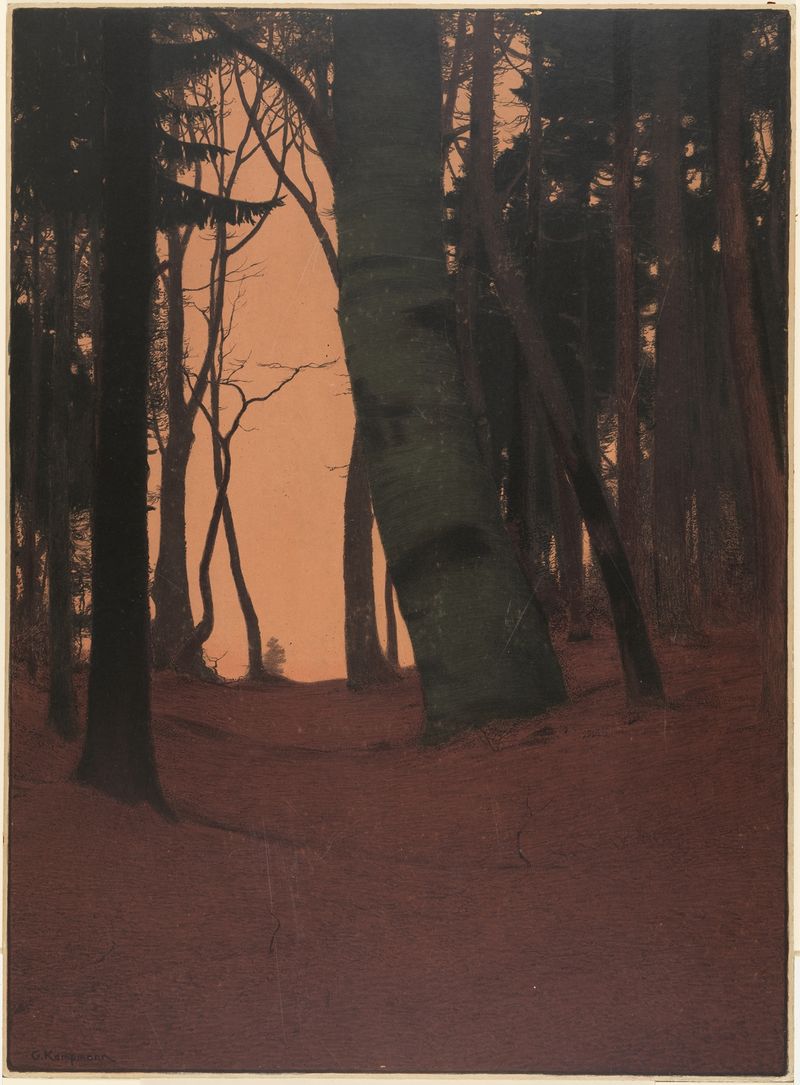
Abend im Wald
Gustav Kampmann

Drei alte Weiden bei Langenpreising
Gustav Kampmann
Baumstamm bei Obersteinbach
Gustav Kampmann





