
Hegi — History & Facts
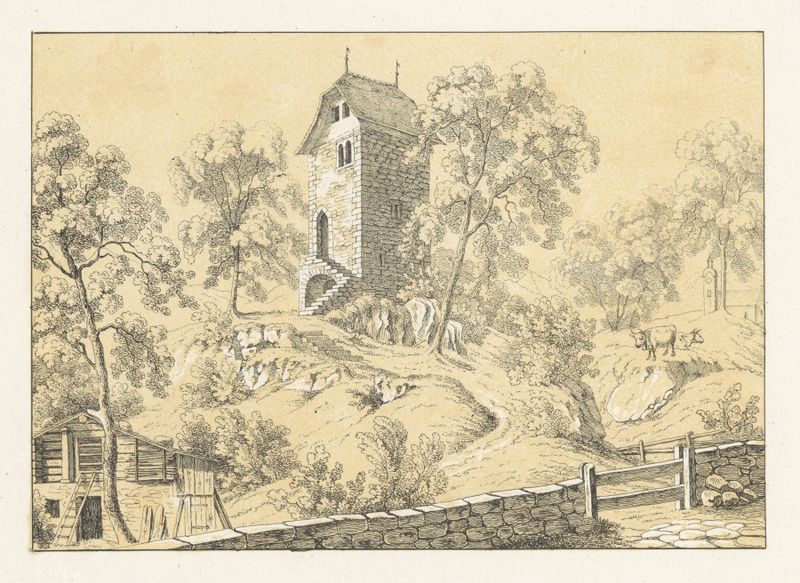
Could a single brushstroke hold eternity? In Hegi, Johann Friedrich Wagner captures the boundless ecstasy of existence, inviting the viewer to explore the depths of human emotion and experience through art. Look to the left at the swirling reds and golds that pulse with vitality, drawing you into a vibrant dance of color. The brushwork varies from sharp, defined strokes to soft, flowing lines, suggesting a joyful movement amid an almost surreal landscape. Notice how the light interacts with the pigments, illuminating the canvas and creating a sense of warmth that envelops the entire piece.
The composition feels alive, as if the forms might leap off the surface and into the viewer’s world. Beneath the exuberant surface lies a profound tension between chaos and harmony. The contrasting colors evoke feelings of joy and melancholy simultaneously, reminiscent of life’s dualities. Look closely at the intricate details—each brushstroke seems to convey an emotion, from the exhilarating highs to the contemplative lows that define the human experience.
In this way, Wagner transforms the canvas into a mirror reflecting the complexities of existence. Created between 1840 and 1844, this piece emerged during a time of significant change in European art, as Romanticism gave way to new movements. Wagner was forging his path during this period, grappling with the implications of industrialization and the shifting cultural landscape. His work, including Hegi, reflects his quest to capture the essence of humanity, demonstrating a shift towards emotional expression that would influence future generations of artists.
More Artworks by Johann Friedrich Wagner
Browse all →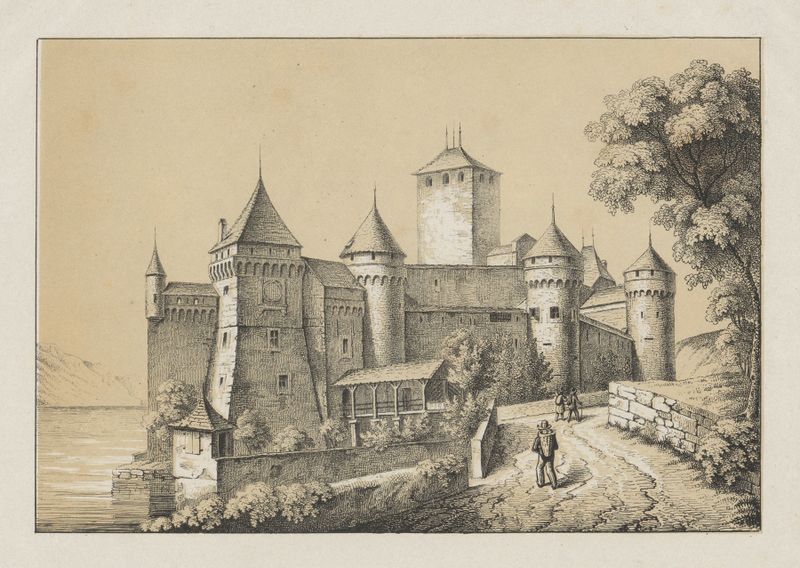
Chillon
Johann Friedrich Wagner

Valangin
Johann Friedrich Wagner
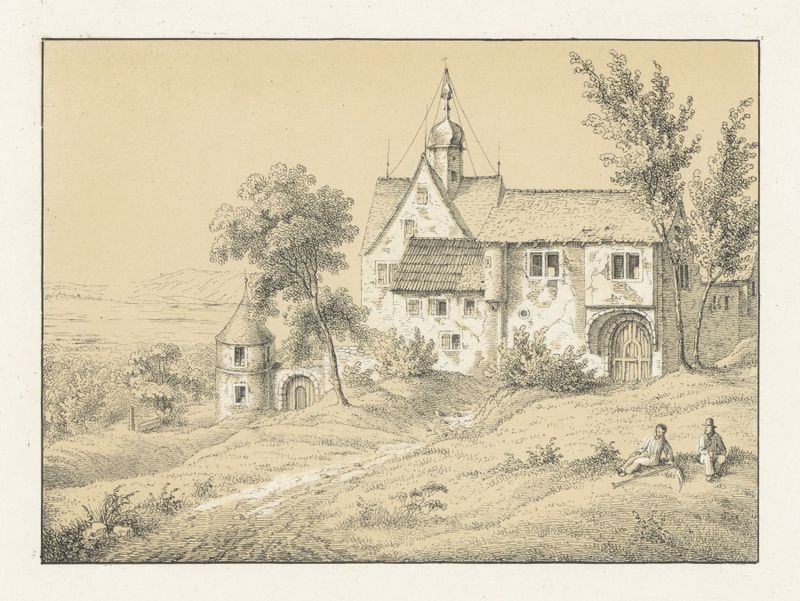
Greifenstein
Johann Friedrich Wagner

Vorburg
Johann Friedrich Wagner
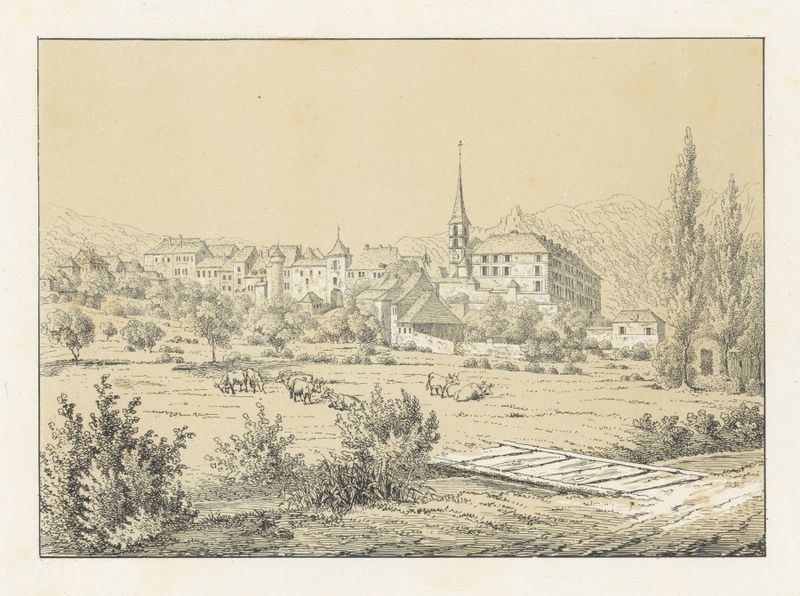
Delémont
Johann Friedrich Wagner

Pleujouse
Johann Friedrich Wagner

Challay
Johann Friedrich Wagner
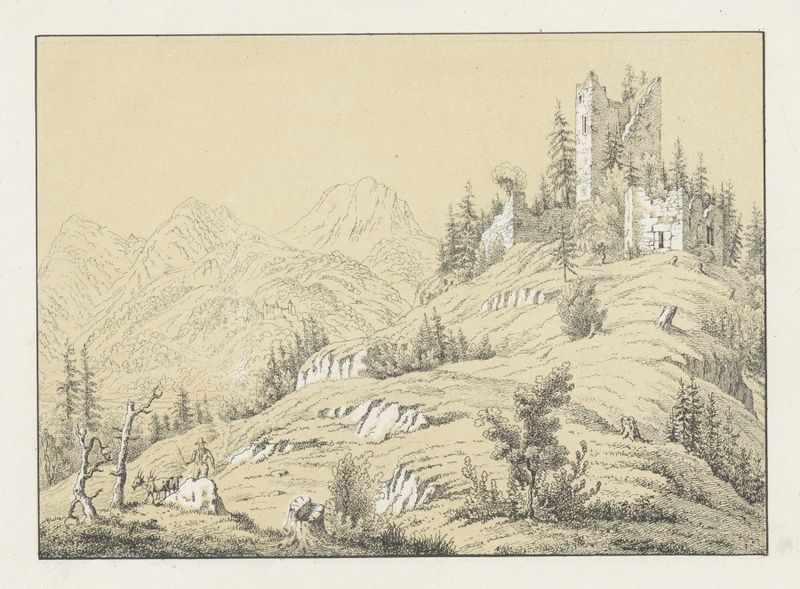
Mont Salvant
Johann Friedrich Wagner
Aha. Od. Untere Burg von Sarnen
Johann Friedrich Wagner
Lausanne
Johann Friedrich Wagner





