
Heilige Sebastiaan — History & Facts
What draws the eye first is the vulnerability written in line: a young man, stripped to the waist, his arms bound behind a tree, his head bowed in resignation or prayer. The body is rendered with a spare, almost hesitant touch, every contour and muscle defined by quick, searching strokes. Light falls across his chest and face, drawing attention to the gentle tilt of his head and the open palm that seems to offer both suffering and forgiveness.
The background is little more than a suggestion, a few horizontal lines that echo the tension of the scene, leaving the figure suspended in a space that feels both real and symbolic. Works like this print by Jusepe de Ribera, dated 1618, belong to a world where the story of martyrdom was a living presence in art and faith. In the early seventeenth century, images of Saint Sebastian—a Roman soldier turned Christian martyr—were everywhere, commissioned for churches, private devotion, and even as prints for collectors. Ribera, active in Naples, was famed for his intense, unflinching studies of the human body in pain, a hallmark of the Baroque taste for drama and truth.
Yet this print, now in the Rijksmuseum, is stripped of theatrical flourish; it offers instead a quiet meditation on endurance, inviting viewers to linger on the humanity of the saint rather than the spectacle. Look again at the lines: each one is a decision, a gesture toward empathy.
More Artworks by Jusepe de Ribera

Saint Francis of Paola
Jusepe de Ribera

Penitent Saint Peter
Jusepe de Ribera
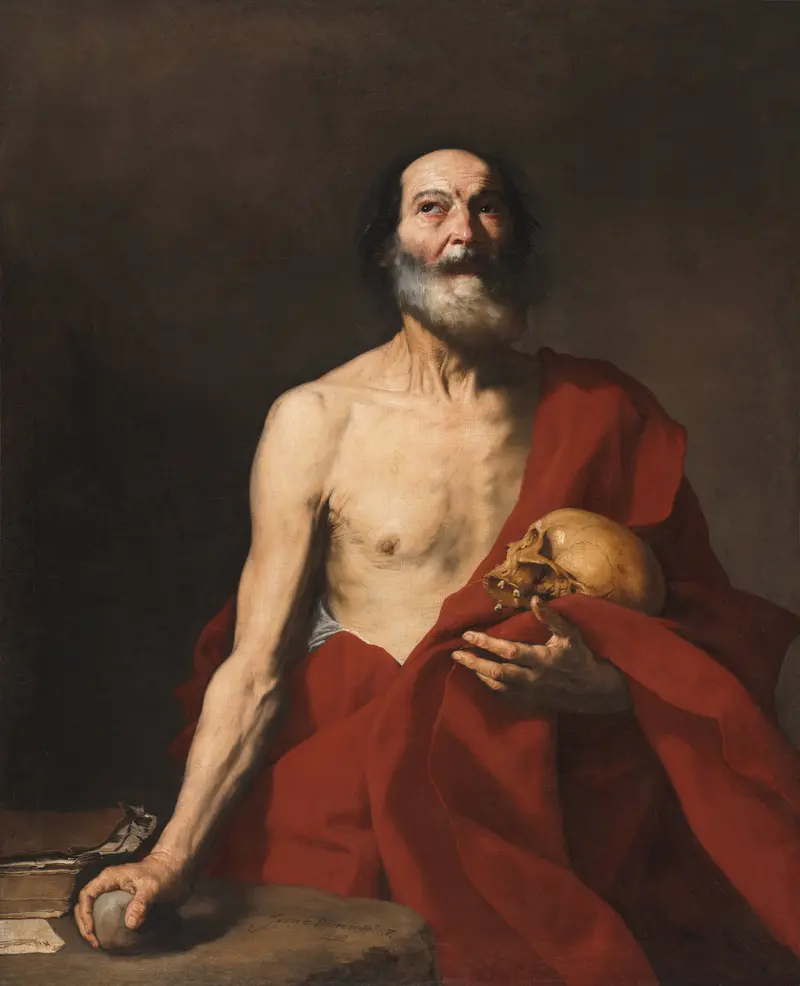
Saint Jerome
Jusepe de Ribera
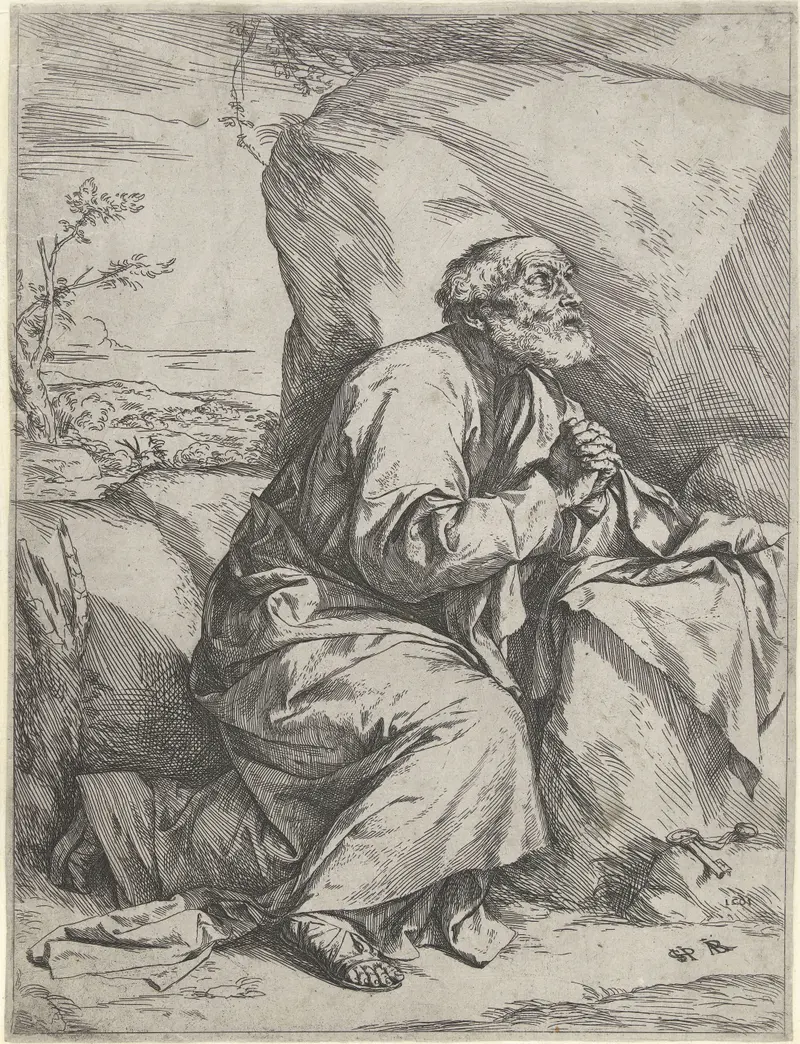
Boetvaardige Petrus
Jusepe de Ribera
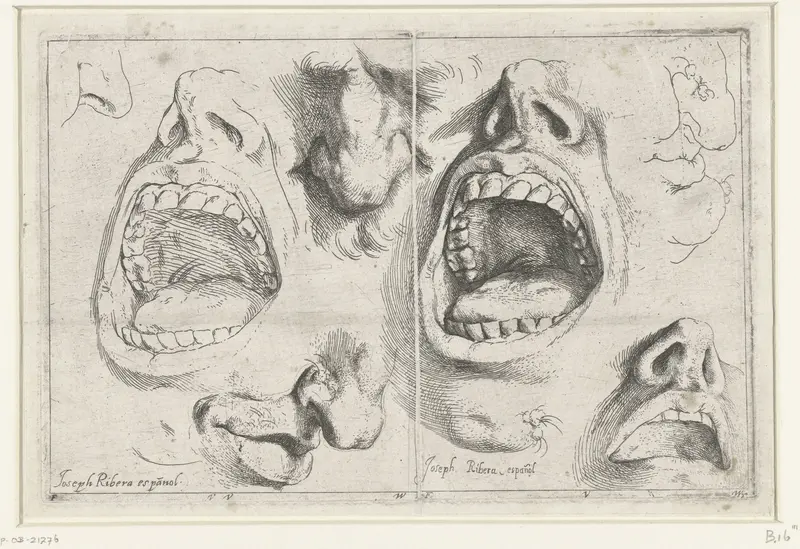
Studies van neus en mond
Jusepe de Ribera
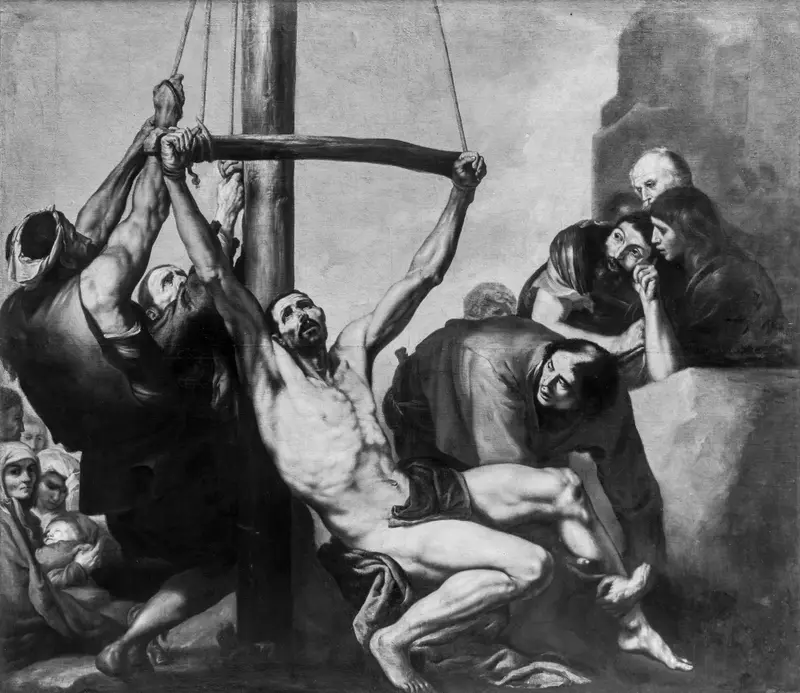
The Martyrdom of Saint Bartholomew
Jusepe de Ribera
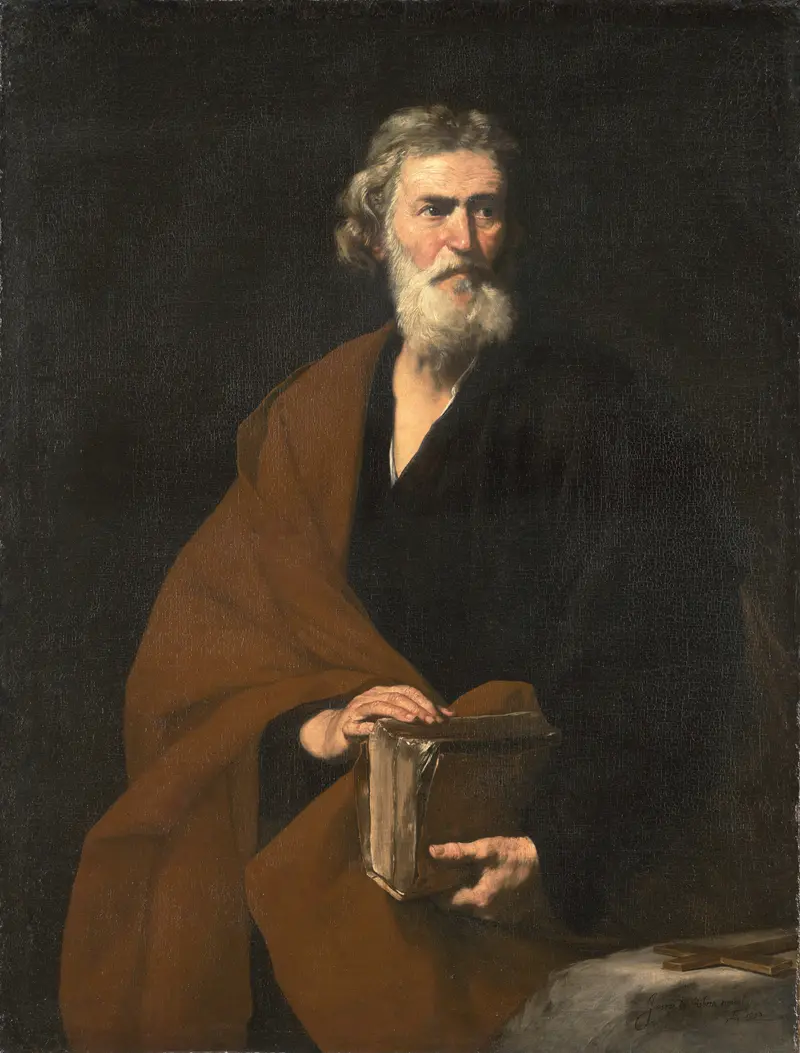
Saint Matthew
Jusepe de Ribera
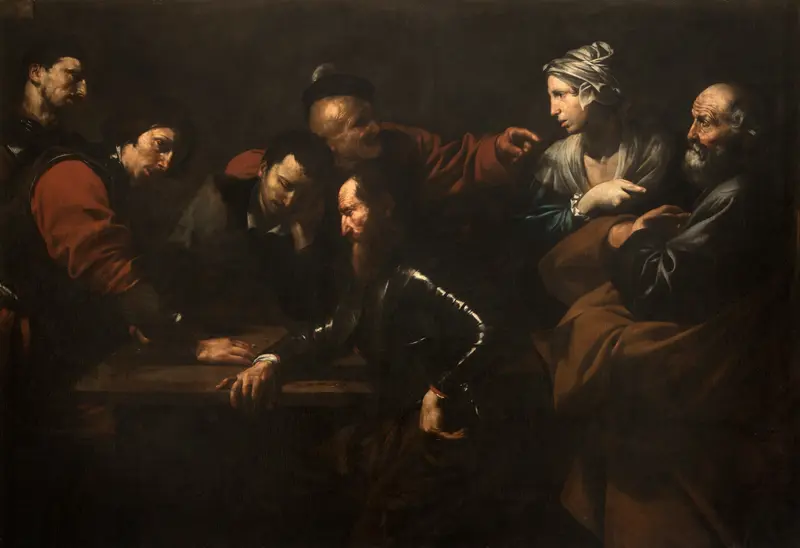
The Denial of Saint Peter
Jusepe de Ribera
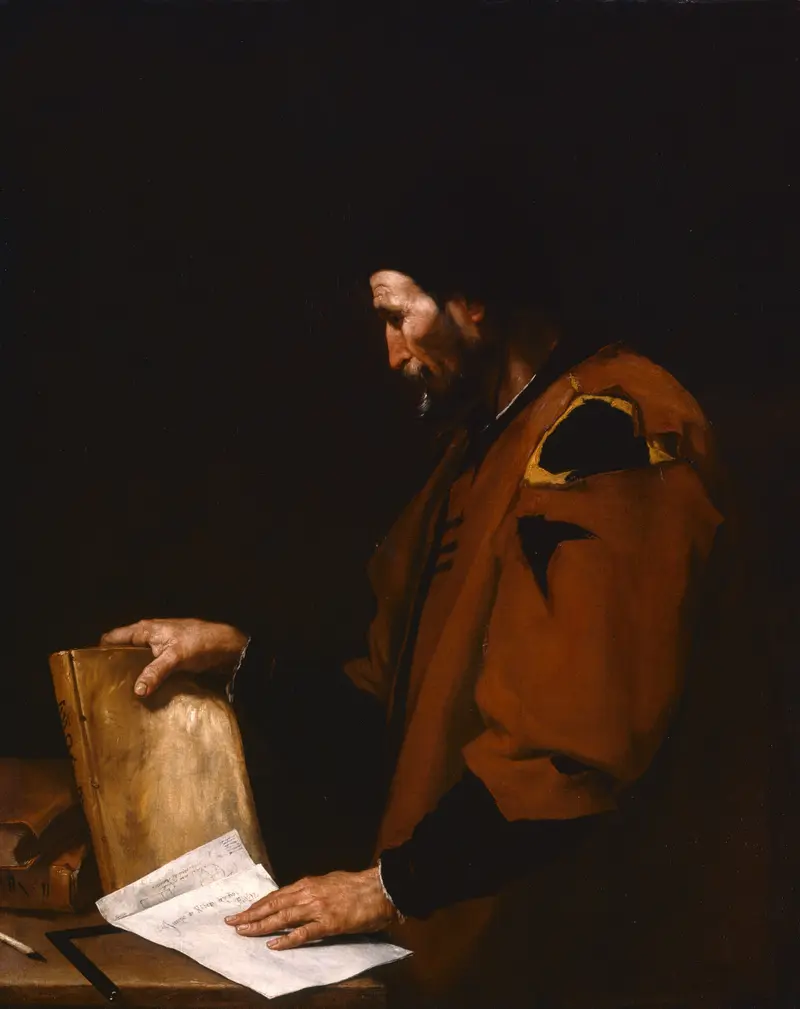
Aristotle
Jusepe de Ribera
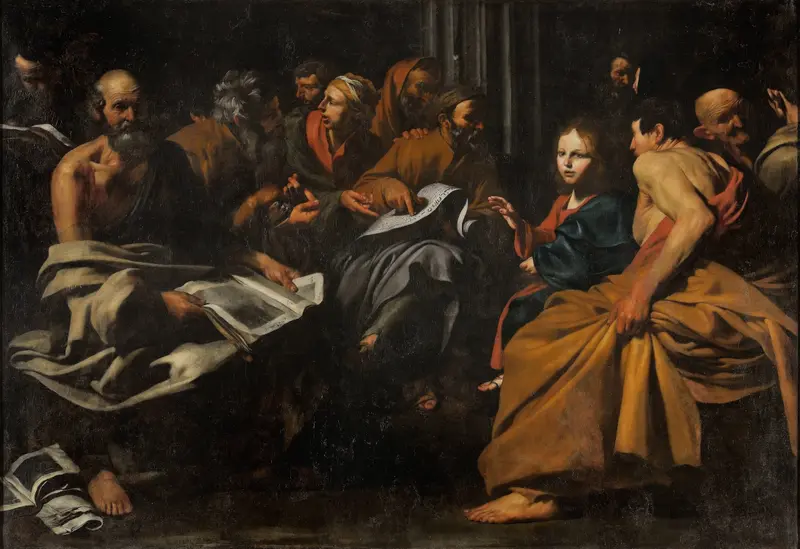
Christ among the doctors
Jusepe de Ribera





