
Heldsberg — History & Facts
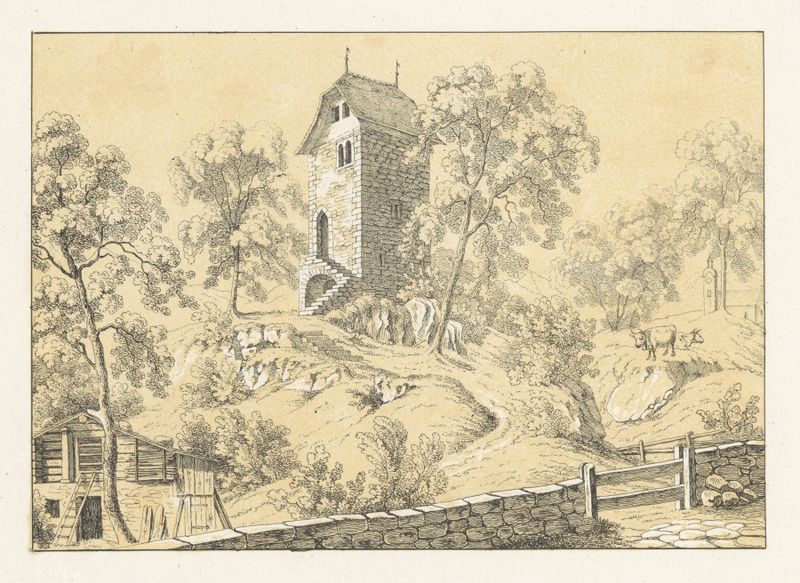
Can paint confess what words never could? In Heldsberg, the weight of loss hangs palpably in the air, inviting the viewer to feel the unspeakable sorrow housed within its depths. Look to the left, where muted earth tones merge seamlessly with shadowy hues, creating a landscape that feels both familiar and distant. The gentle curve of the horizon is painted with delicate strokes, while a solitary figure stands in the foreground, cloaked in quiet contemplation. Notice how the light cascades from behind, illuminating the edges of the figure and casting long shadows that suggest a lingering absence, as if the scene is caught in a moment of remembrance. A sense of isolation permeates the work, highlighted by the stark contrast between the vibrant, life-giving landscape and the solitary figure’s stillness.
The juxtaposition of color and shadow evokes the tension between presence and absence, hinting at an unvoiced grief that resonates with anyone who has experienced loss. Each brushstroke carries a weight of emotion, amplifying the silent narrative of longing and introspection. Created during the years 1840 to 1844, this piece emerged while Wagner was navigating the artistic shifts of his time, marked by Romanticism's embrace of emotion and nature. Living in Germany, he was influenced by the growing desire to capture the human experience through landscape, reflecting both the beauty and melancholy of existence.
In this context, Heldsberg becomes not just a painting, but a poignant exploration of the human condition.
More Artworks by Johann Friedrich Wagner
Browse all →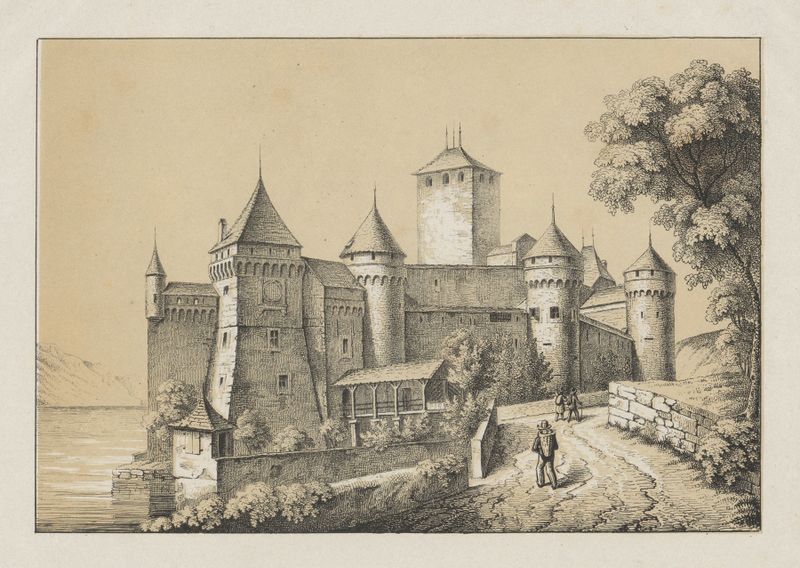
Chillon
Johann Friedrich Wagner

Valangin
Johann Friedrich Wagner
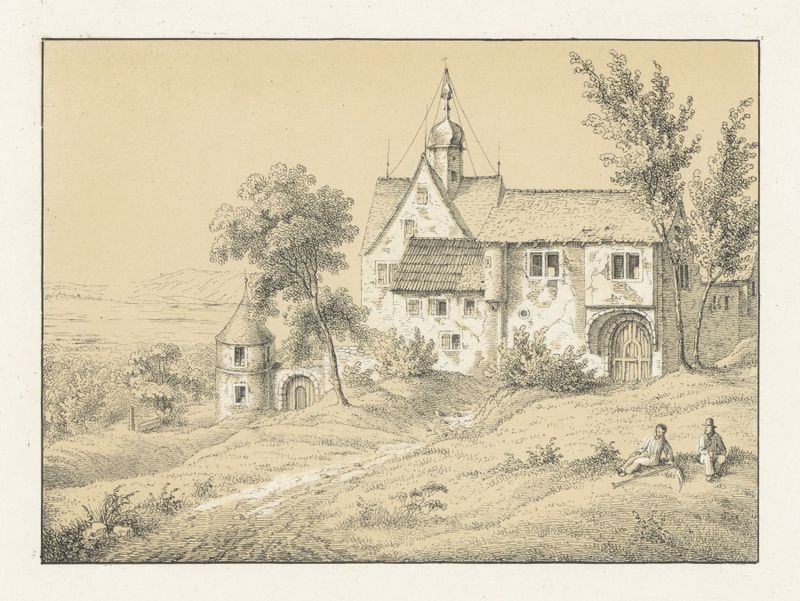
Greifenstein
Johann Friedrich Wagner

Vorburg
Johann Friedrich Wagner
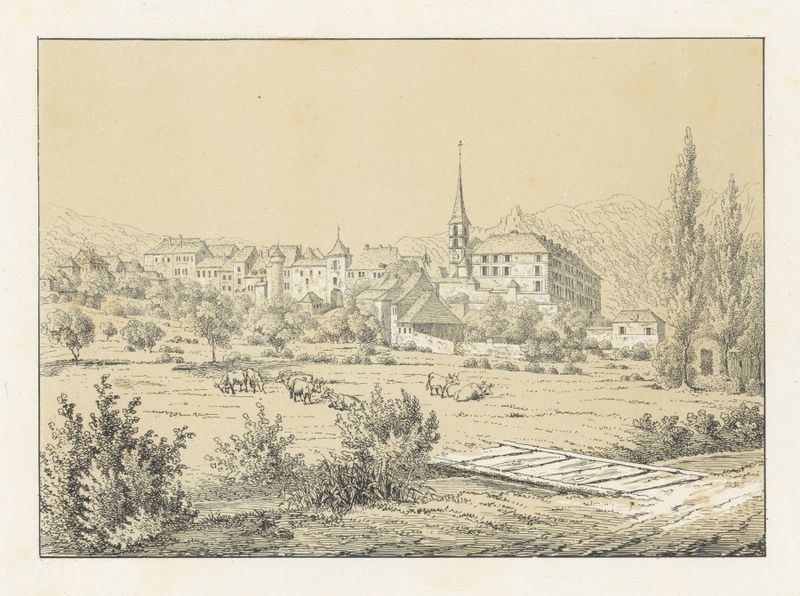
Delémont
Johann Friedrich Wagner

Pleujouse
Johann Friedrich Wagner

Challay
Johann Friedrich Wagner
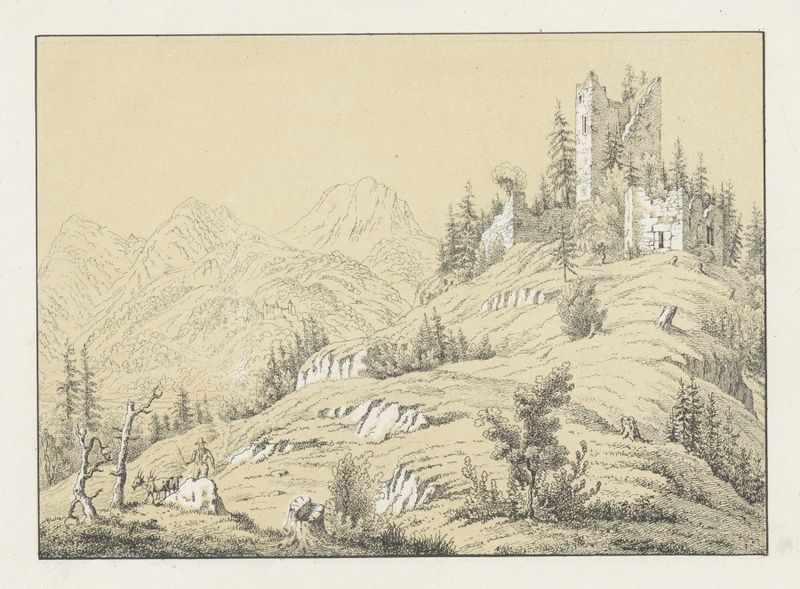
Mont Salvant
Johann Friedrich Wagner
Aha. Od. Untere Burg von Sarnen
Johann Friedrich Wagner
Lausanne
Johann Friedrich Wagner





