Hellebaardier en de Dood met zandloper — History & Facts
In the stillness of Hellebaardier en de Dood met zandloper, we encounter a poignant reminder of mortality, suspended in a moment where past and present intertwine. Focus first on the imposing figure of the halberdier, positioned to the left, as his taut posture exudes strength and resolve. Notice how the soft chiaroscuro plays across his armor, creating a contrast that emphasizes both the glint of his weapon and the shadow of the looming figure of Death, who stands calmly to the right. In the center, the hourglass draws the eye, its sands flowing steadily, suggesting the unstoppable passage of time, all rendered in earthy hues that evoke a sense of both alarm and acceptance. As you explore the dimensions of this work, consider the emotional tension between the halberdier’s defiance and Death’s quiet inevitability.
The juxtaposition of the vibrant life represented by the soldier and the skeletal figure embodies a universal struggle, where valor faces the inescapable truth of our finiteness. The hourglass, an emblem both of urgency and of nostalgia, invites contemplation on how fleeting moments are often the most treasured. Jacob Binck created this compelling piece between 1510 and 1569, a period marked by the evolving dialogue surrounding life and death in Northern Renaissance art. Living in the Netherlands, he contributed to a growing interest in humanist themes, where the memento mori motif became a significant aspect of artistic discourse, challenging viewers to reflect on their own mortality amidst a rapidly changing world.
More Artworks by Jacob Binck
Browse all →
Portret van Christiaan II, koning van Denemarken
Jacob Binck

Christus en de Samaritaanse vrouw
Jacob Binck
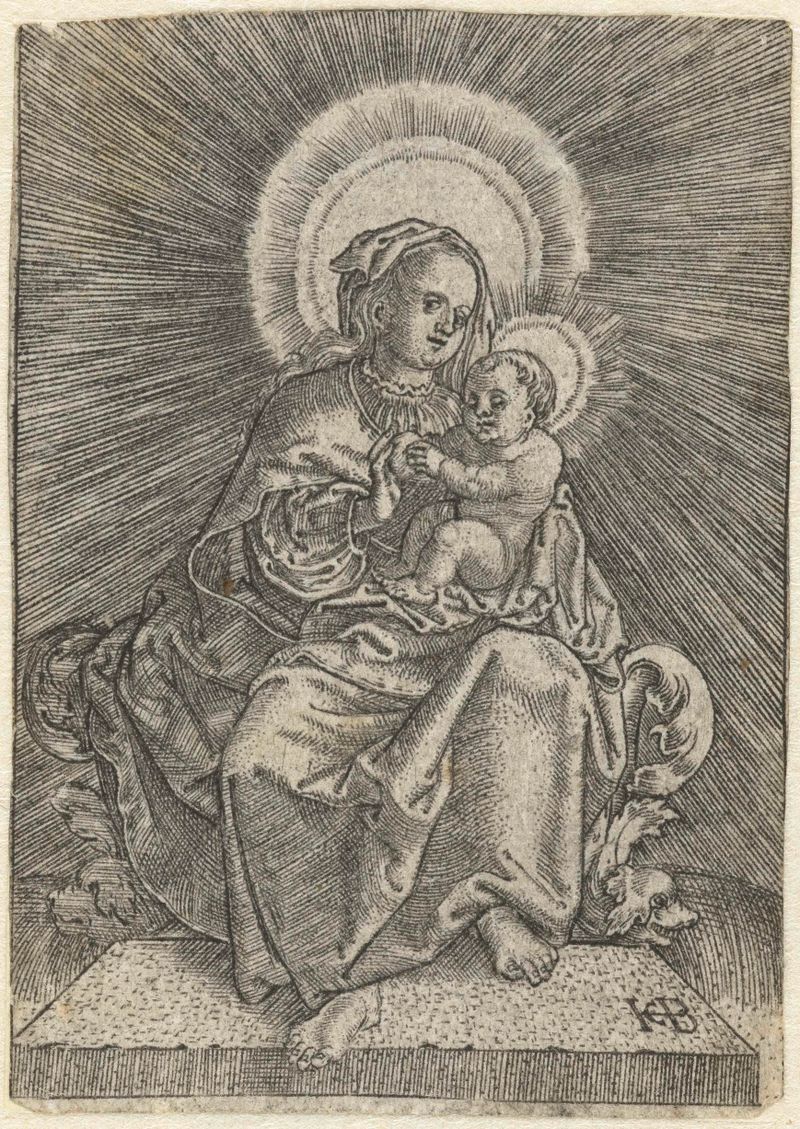
Tronende Maria met kind en appel in stralenkrans
Jacob Binck

Christus op de koude steen
Jacob Binck

Ornament met twee putti op dolfijnen onder een vaas
Jacob Binck
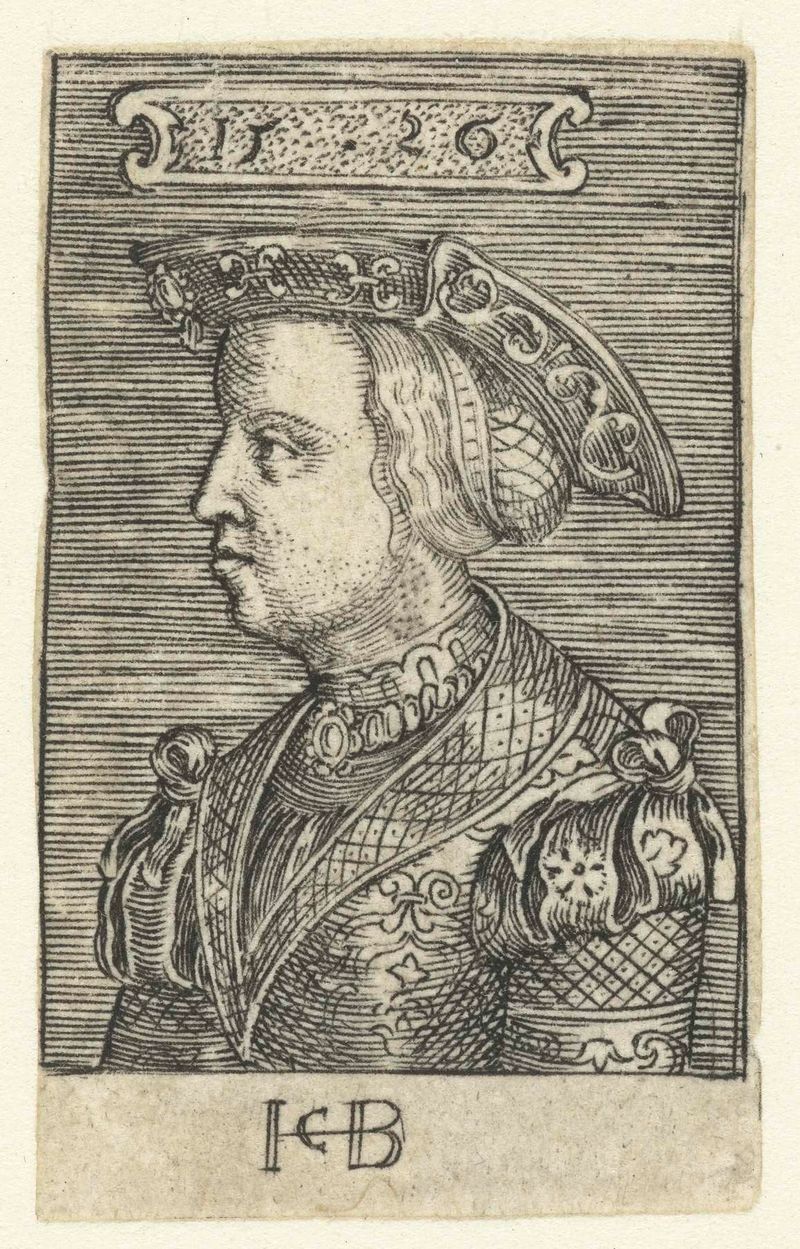
Portret van Claudia van Valois, echtgenote van Frans I
Jacob Binck

Ceres met kroon van korenaren, sikkel, brandende toorts en tweekoppige slang
Jacob Binck
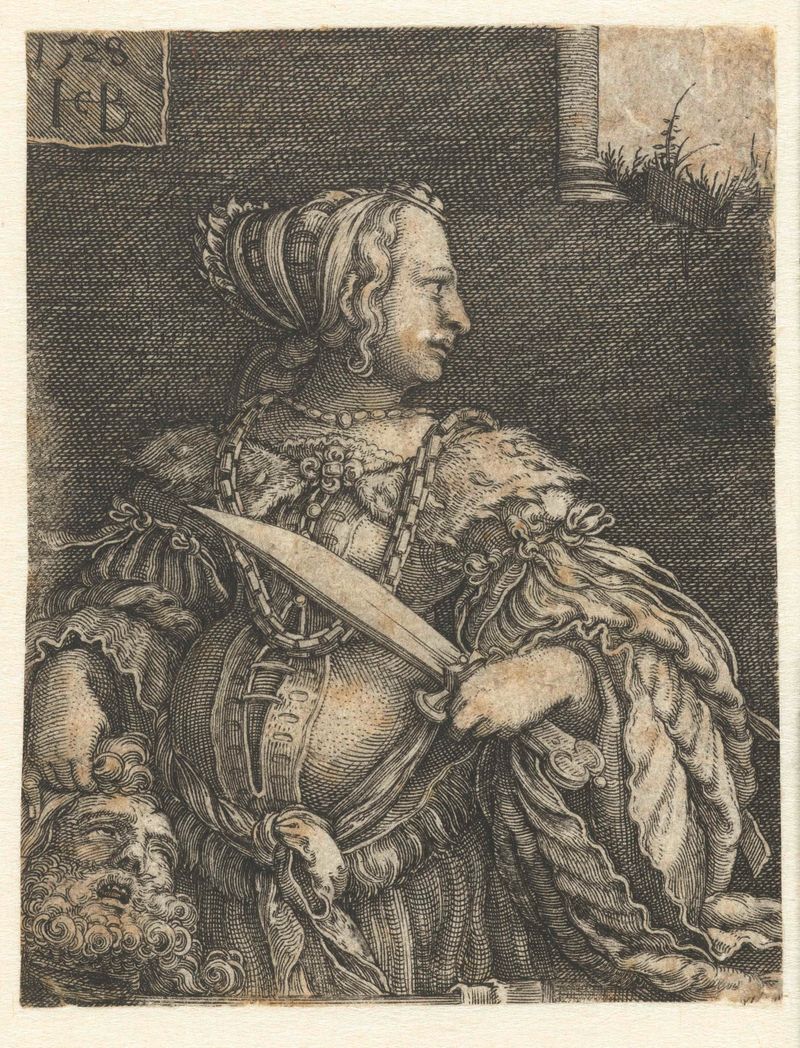
Judith met het hoofd van Holofernes
Jacob Binck
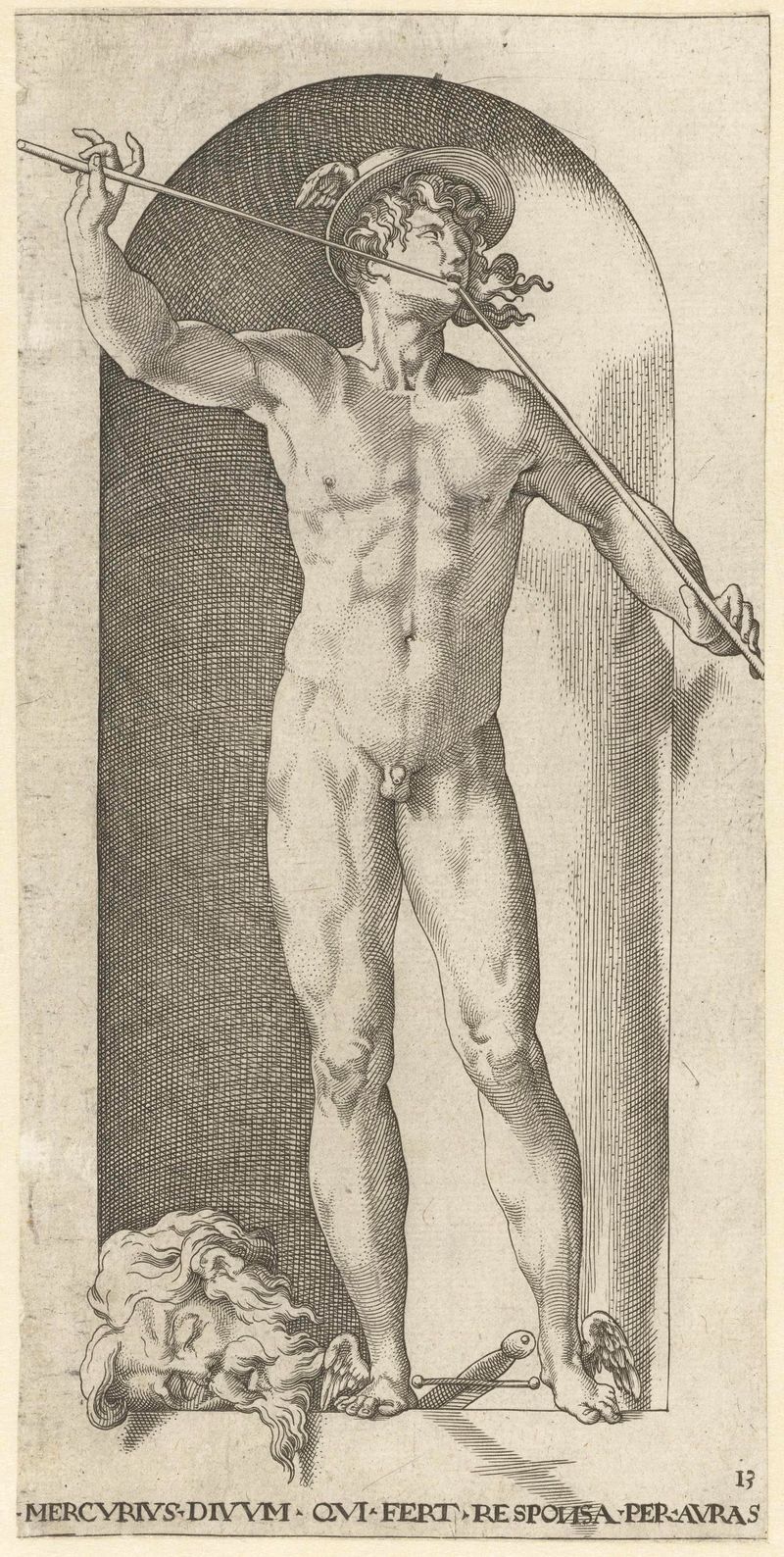
Mercurius met het hoofd van Argus
Jacob Binck

Minerva (Pallas Athena) met Medusahoofd op schild
Jacob Binck