
Henry IV Receiving the Spanish Ambassador — History & Facts
When Jean Auguste Dominique Ingres completed Henry IV Receiving the Spanish Ambassador in 1817, he was just thirty-six and already embroiled in the Parisian debates over the direction of French painting. Commissioned by the French state for the newly restored monarchy, the canvas was meant to celebrate the glories of France’s past and the diplomatic finesse of its kings. The painting’s debut at the 1819 Salon was closely watched, as Ingres was then known more for his drawings than his large-scale historical works.
Critics immediately noticed how the young painter blended the clarity of Neoclassicism with a new, sensuous attention to color and detail, signaling a shift in his art. The scene captures a moment from 1598, when King Henry IV of France, newly secure on his throne after years of religious civil war, receives the Spanish ambassador in the presence of his wife, Marie de’ Medici, and their children. Ingres chooses the instant when the king, relaxed and affectionate, sits playing with his children, while the ambassador bows with rigid formality—an image of royal power softened by domestic warmth. The king’s open gesture, the children’s scattered toys, and the golden light streaming through the chamber all point to a new era of peace and reconciliation.
The Spanish ambassador’s dark, elaborate costume contrasts with the bright, informal court, underlining the difference between old enmities and the promise of alliance. Unlike Rubens’s grand cycle for Marie de’ Medici, which brims with myth and allegory, Ingres roots his scene in the everyday reality of royal life. After its Salon exhibition, Henry IV Receiving the Spanish Ambassador entered the collection of the French state and has remained in public hands ever since, today housed in the Musée de l’Armée in Paris. The painting marked a turning point for Ingres, who would go on to become one of the most influential figures in nineteenth-century French art.
Though he later became famous for his portraits and mythological subjects, this early work reveals his fascination with history and his ability to humanize even the most formal of occasions. The painting’s careful preservation and continued display attest to its importance as both a document of its time and a milestone in the artist’s development.
More Artworks by Jean Auguste Dominique Ingres
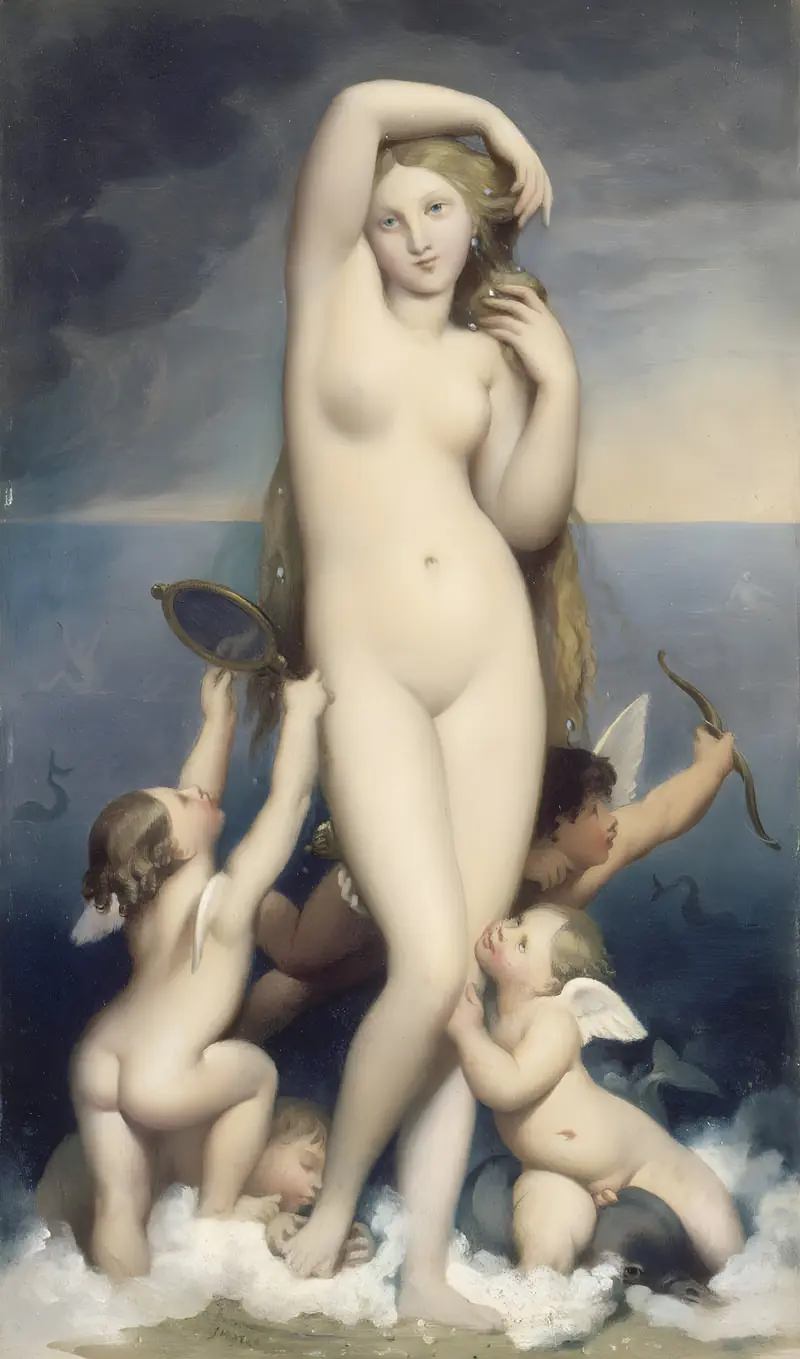
Vénus anadyomène
Jean Auguste Dominique Ingres
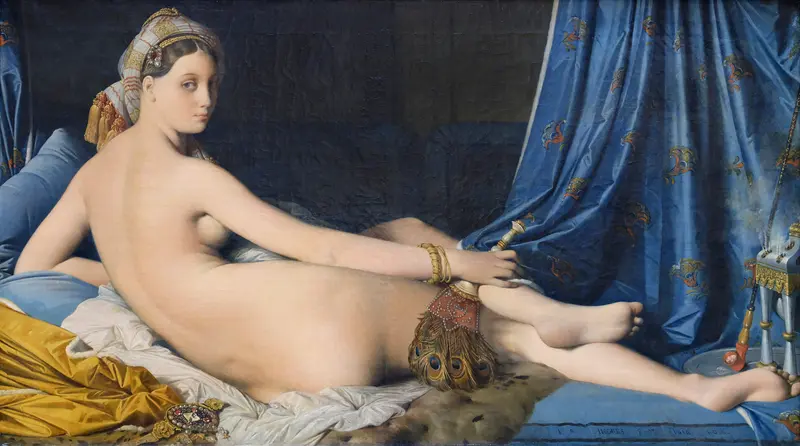
Grande Odalisque
Jean Auguste Dominique Ingres
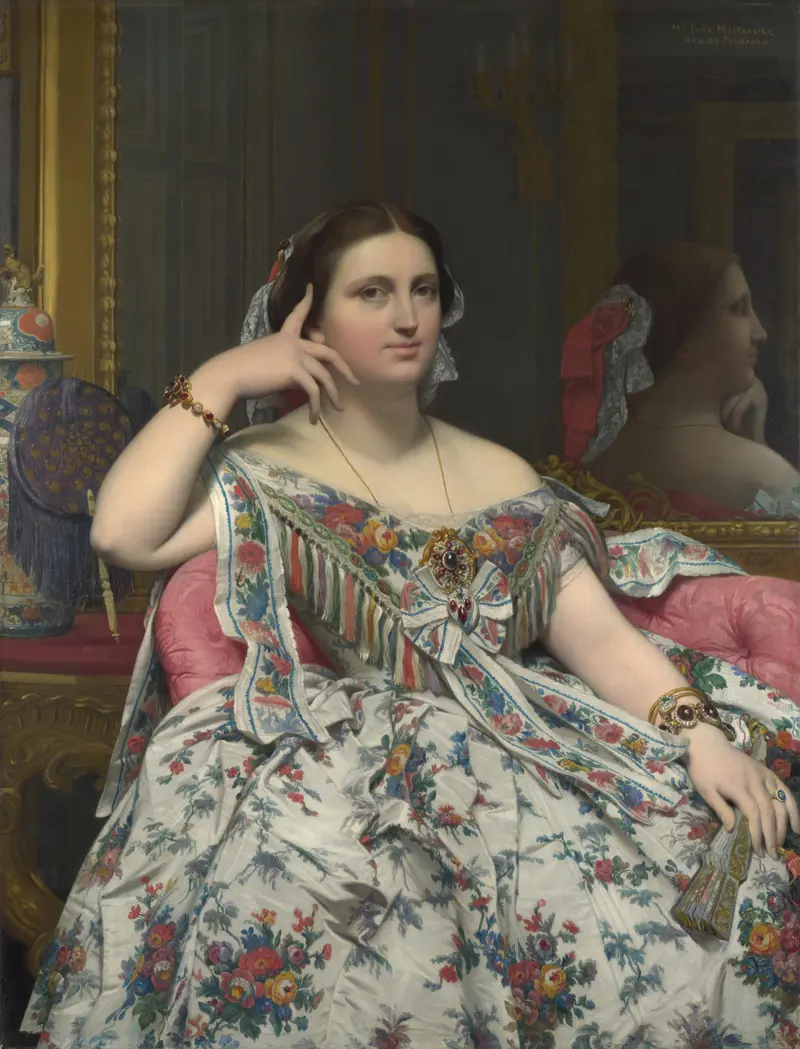
Madame Moitessier (seated)
Jean Auguste Dominique Ingres
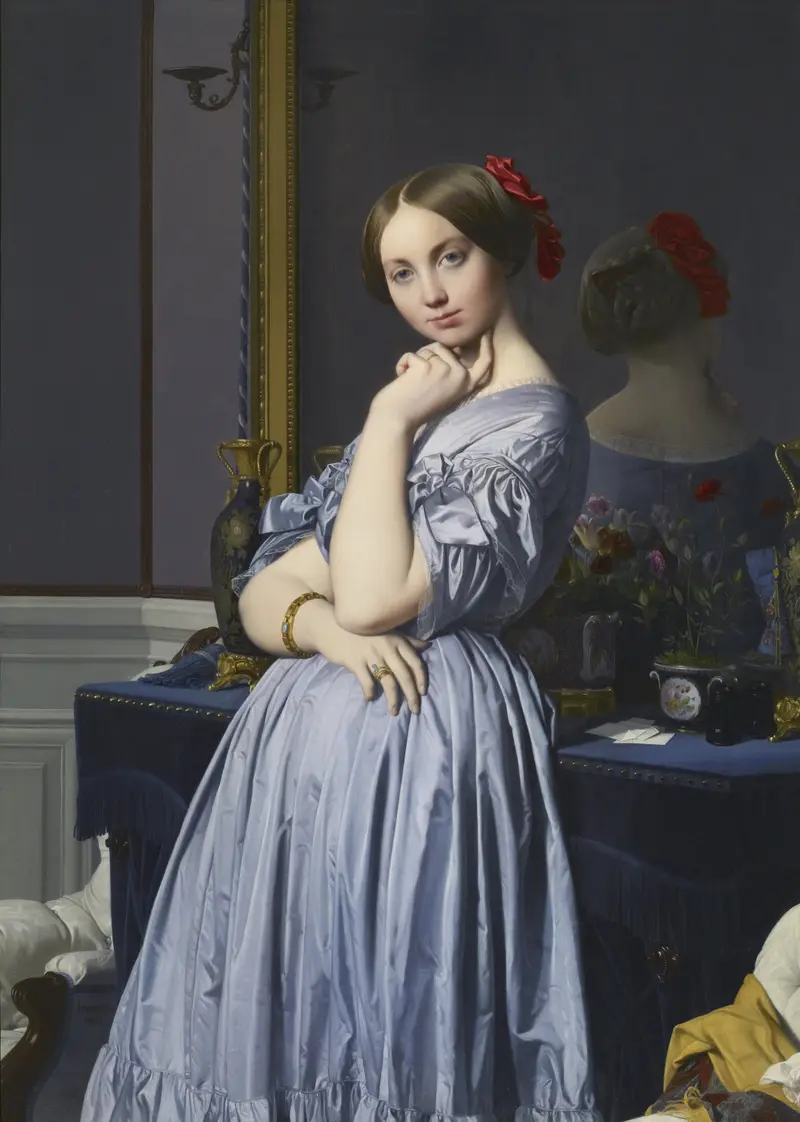
Portrait of Comtesse d’Haussonville
Jean Auguste Dominique Ingres
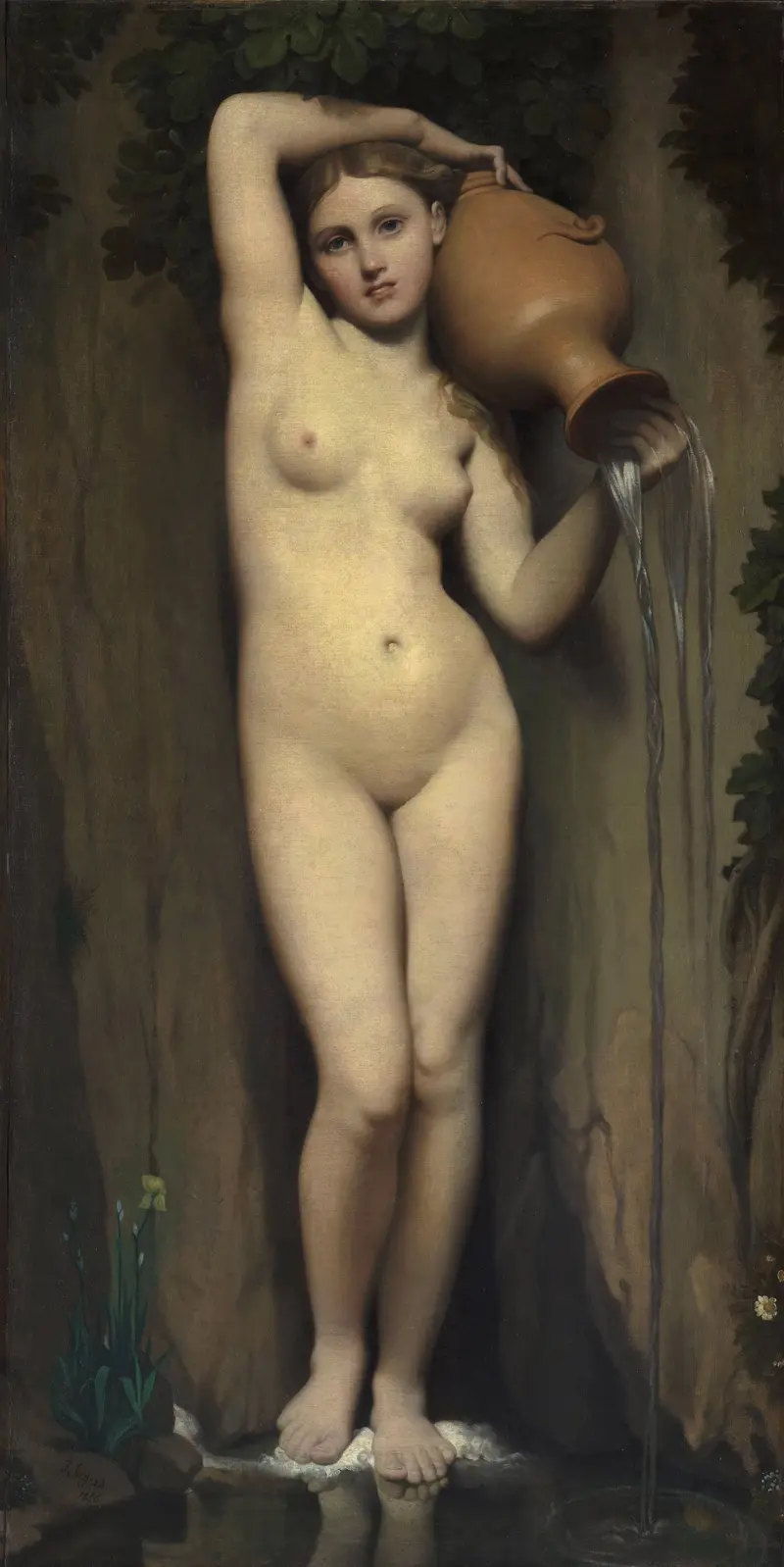
The Source
Jean Auguste Dominique Ingres
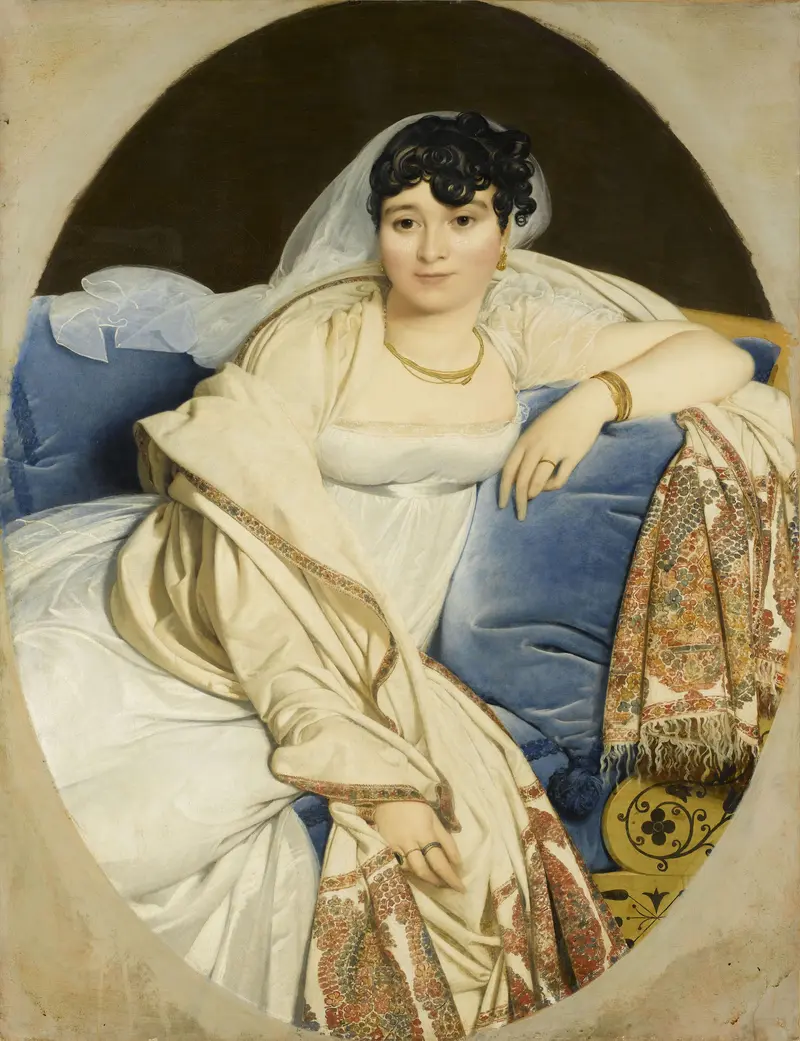
Madame Rivière
Jean Auguste Dominique Ingres

Madame Jean-Auguste-Dominique Ingres, née Madeleine Chapelle
Jean Auguste Dominique Ingres

Portrait of a Lady
Jean Auguste Dominique Ingres
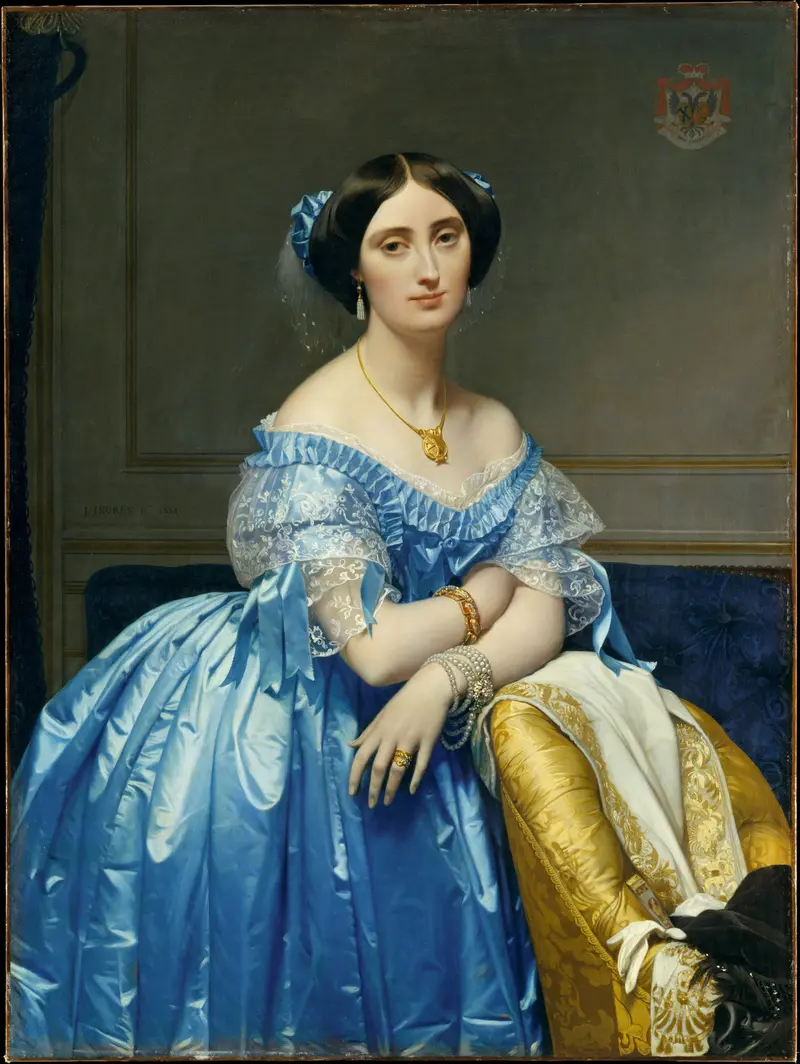
Joséphine-Éléonore-Marie-Pauline de Galard de Brassac de Béarn (1825–1860), Princesse de Broglie
Jean Auguste Dominique Ingres
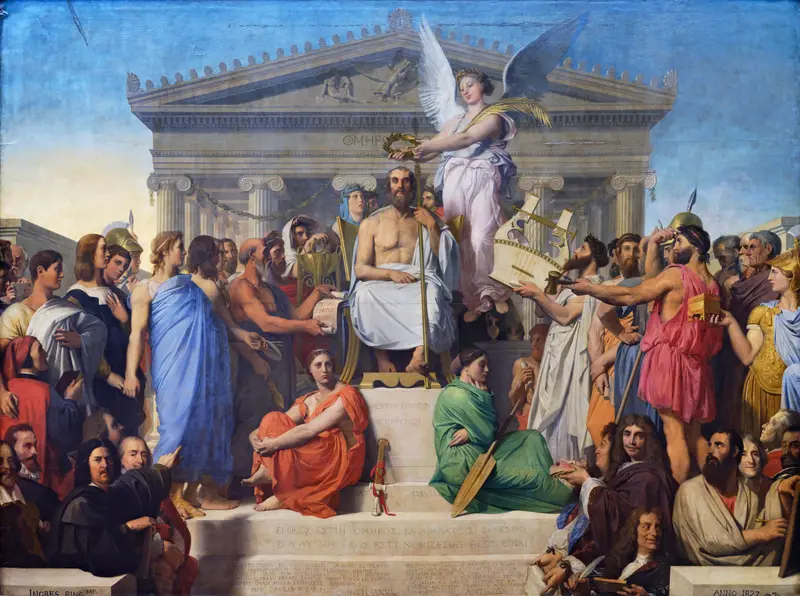
The Apotheosis of Homer
Jean Auguste Dominique Ingres





