
Herberg bij de Grotta della Ninfa Egeria — History & Facts
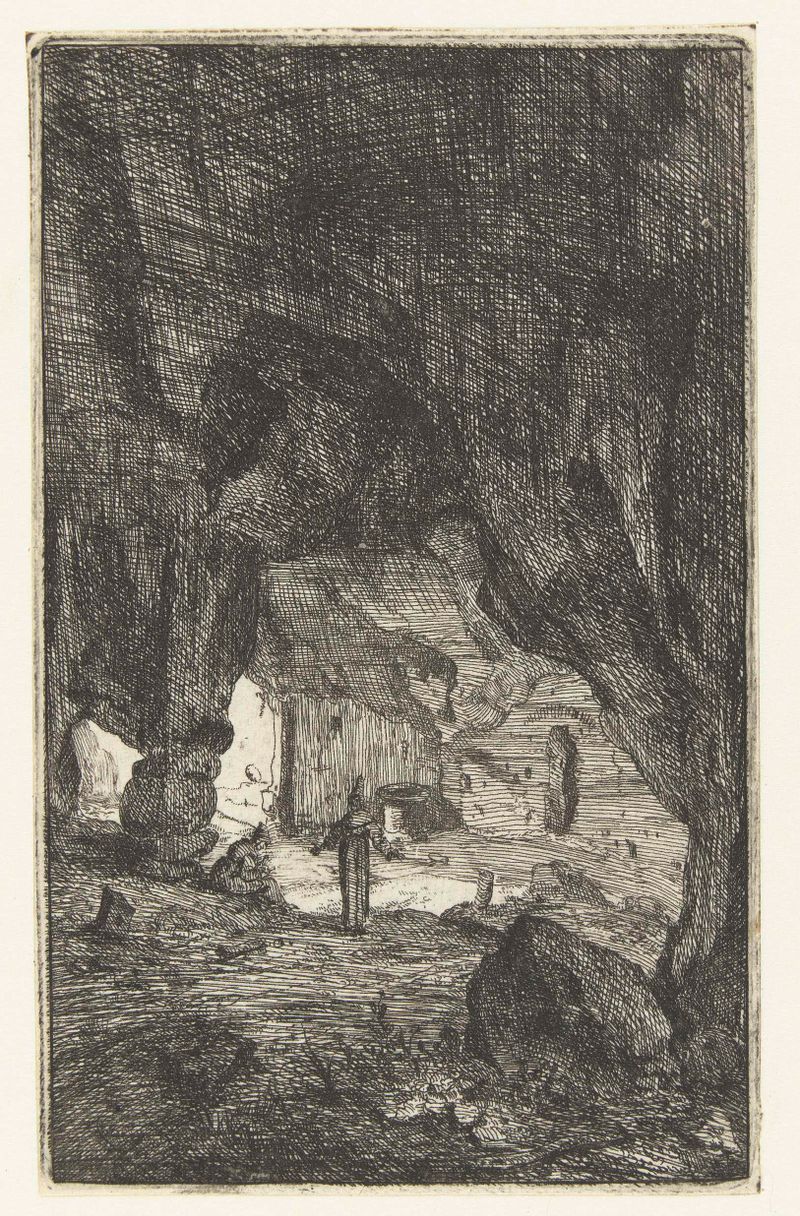
In the quiet stillness of a world captured by brushstrokes, truth lingers in the spaces between the painted forms. Look to the left at the intricate ruins that rise against the backdrop of a gently cascading waterfall. Breenbergh employs a rich palette of greens and earthy tones, beautifully contrasting with the soft blues of the sky, inviting the viewer's gaze to wander across the serene landscape. The delicate interplay of light and shadow reveals the textures of the crumbling stone, each detail meticulously rendered, creating a sense of depth and history that draws you into this otherworldly scene. Delve deeper into the painting, and you’ll find an exploration of solitude and reflection amid the remnants of a past civilization.
The lush foliage entwined with the ruins speaks to nature’s reclamation of man-made structures, illustrating a timeless cycle of decay and rebirth. Each figure, poised thoughtfully, hints at a narrative of contemplation, gesturing toward the unknown, while the distant mountains loom like guardians of secret truths that remain elusive. In 1640, while residing in Rome, Bartholomeus Breenbergh painted this work during a period of rich artistic exchange and discovery. The late Renaissance influenced his approach, echoing classical themes yet infused with a distinct Northern sensibility.
At a time when the Baroque was on the rise, Breenbergh’s meticulous attention to nature and historical context reflects both a personal and cultural search for meaning in a rapidly evolving artistic landscape.
More Artworks by Bartholomeus Breenbergh
Browse all →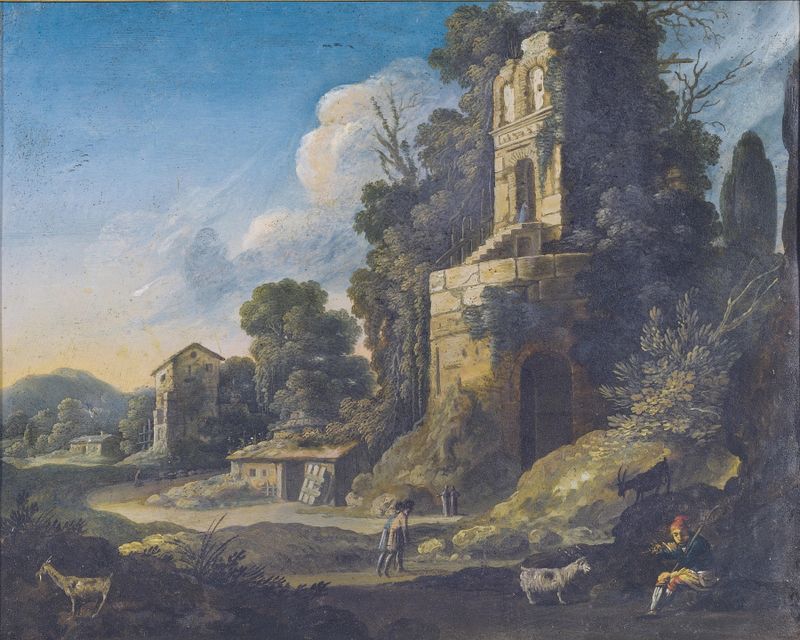
Italianate landscape with buildings and a herdsman playing pipes
Bartholomeus Breenbergh

Arcadian Landscape
Bartholomeus Breenbergh

Ruïnes van keizerlijk paleis te Rome
Bartholomeus Breenbergh

Ruïne van het Colosseum
Bartholomeus Breenbergh
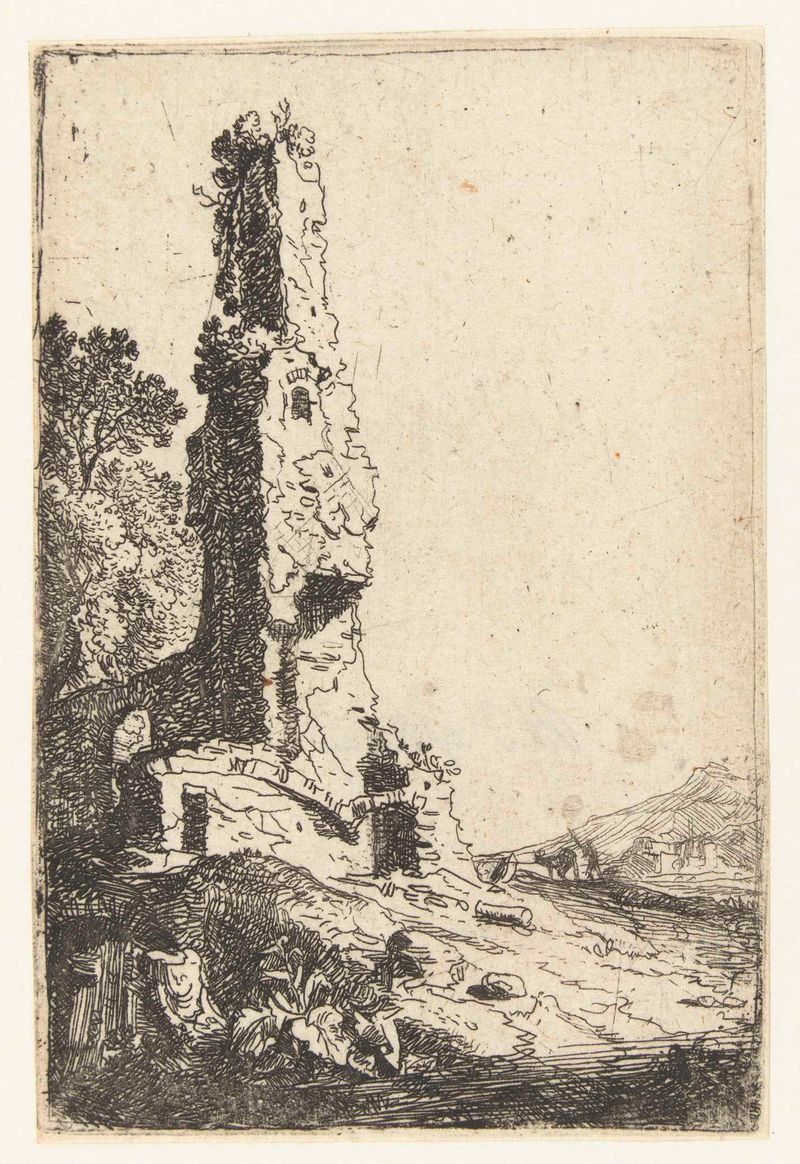
Ruïnes van de stadsmuren van Rome
Bartholomeus Breenbergh
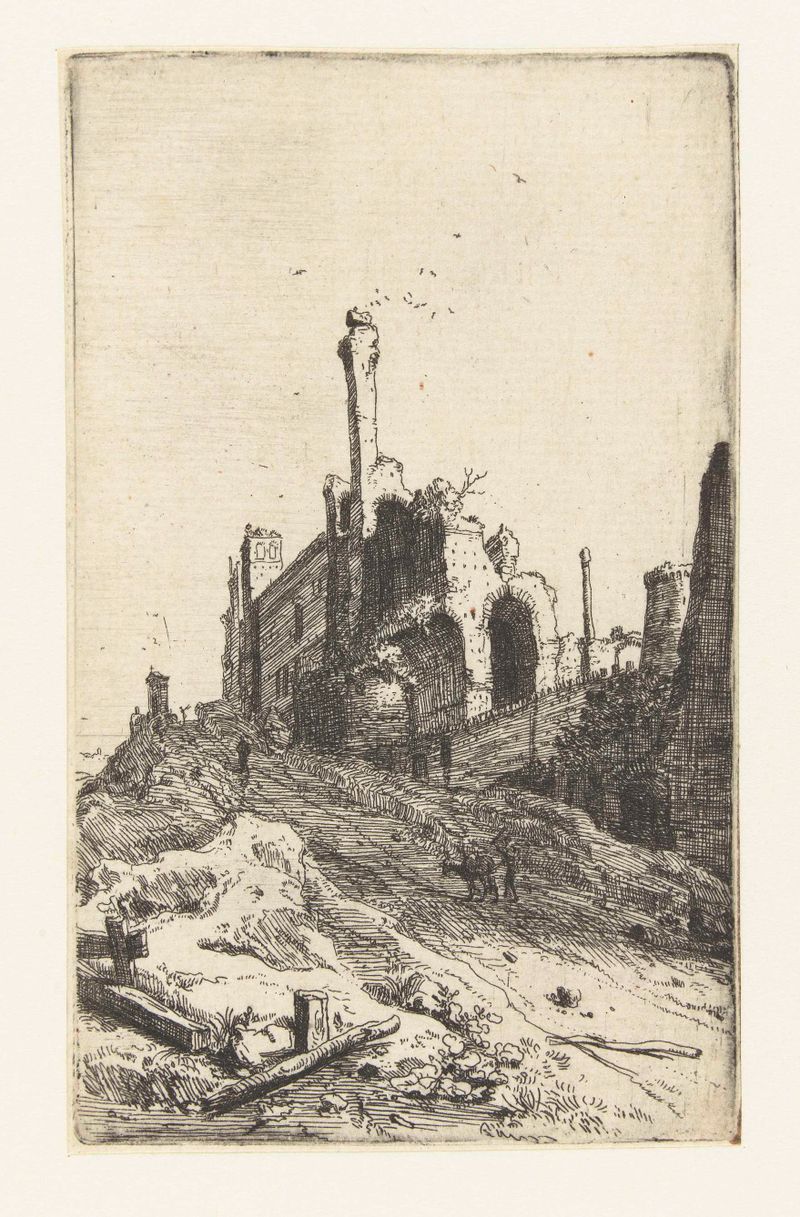
Ruïnes van een paleis te Tivoli
Bartholomeus Breenbergh

Figures Among Ruins By The Tiber
Bartholomeus Breenbergh

Italian Landscape with the Aurelian Wall
Bartholomeus Breenbergh
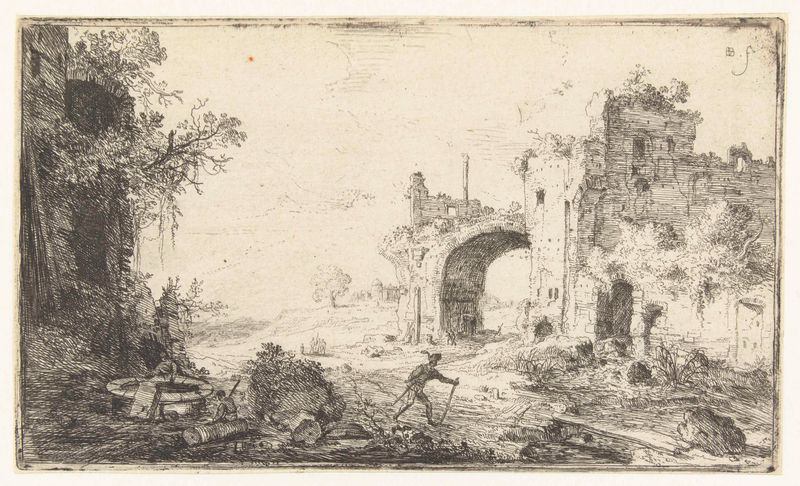
Ruïnes van de thermen van Caracalla
Bartholomeus Breenbergh
Interieur van een grot
Bartholomeus Breenbergh





