
Herder Meliboeus beoordeelt het spel van de herders Corydon en Thyrsis — History & Facts
Could beauty survive in a century of chaos? In Wenceslaus Hollar's Herder Meliboeus beoordeelt het spel van de herders Corydon en Thyrsis, the delicate balance between light and shadow offers a resounding answer: yes, it can, but only if we dare to look closely. Look to the center of the composition, where the herdsman Meliboeus leans intently, his posture radiating a blend of authority and contemplation. Surrounding him are the vibrant figures of Corydon and Thyrsis, poised in an expressive tableau of youthful exuberance. The soft, muted palette highlights their skins against the intricate backdrop of pastoral scene, while the gentle play of light illuminates the textures of their garments and the lush landscape, drawing the viewer's eye toward the emotional core of the work. Within this serene gathering lies a complex interplay of emotions.
The shadows that linger around the figures suggest unspoken tensions, hinting at a world beyond their pastoral peace. Observe the subtle expressions of the herders; their youthful ambition contrasts with Meliboeus's wise gaze, embodying the tension between innocence and experience. Hidden within this idyllic setting is a reflection on the fleeting nature of beauty and joy, inviting contemplation on what lies beneath the surface of idyllic life. In 1654, Hollar created this intimate scene amidst the turbulence of the Thirty Years' War's aftermath, a period that saw Europe engulfed in profound chaos and change.
Living in London at the time, Hollar experienced the arts' evolution as he sought to capture fleeting moments of beauty through his engravings. This particular work reflects not just a pastoral ideal but also the resilience of the human spirit, anchored in the tension between light and shadow.
More Artworks by Wenceslaus Hollar
Browse all →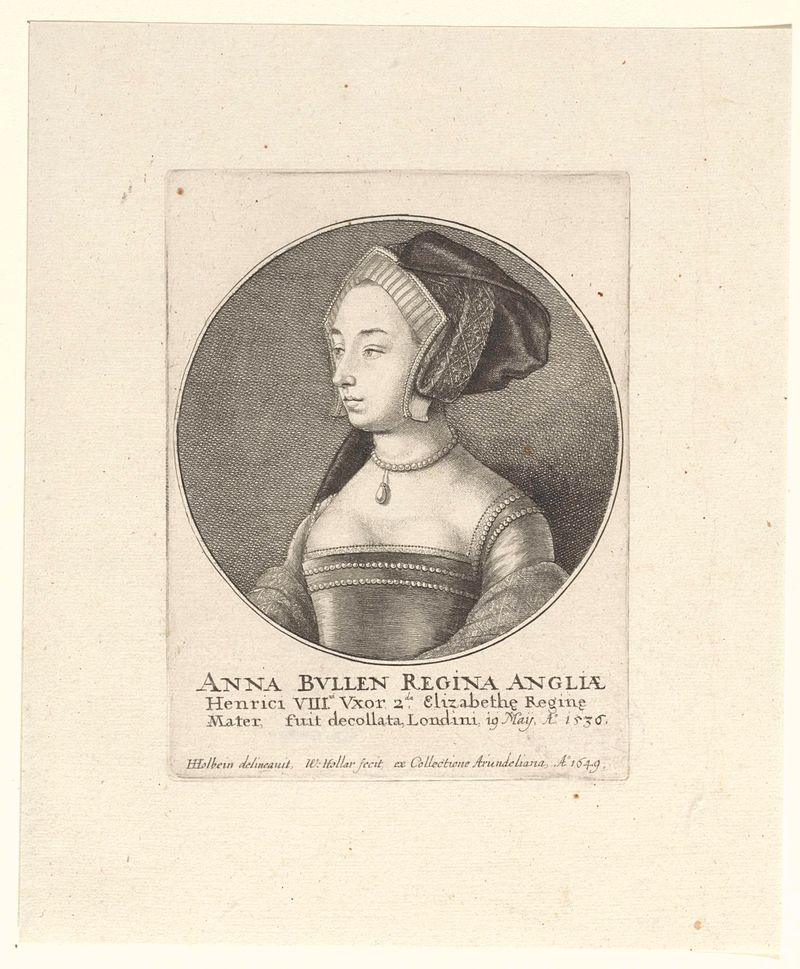
Portret van Anna Boleyn, koningin van Engeland
Wenceslaus Hollar
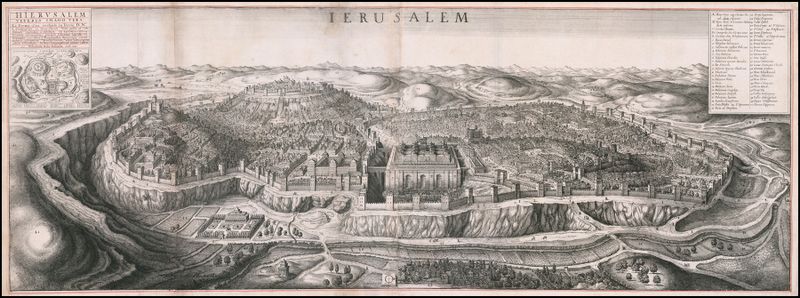
Bird’s eye view of Jerusalem
Wenceslaus Hollar
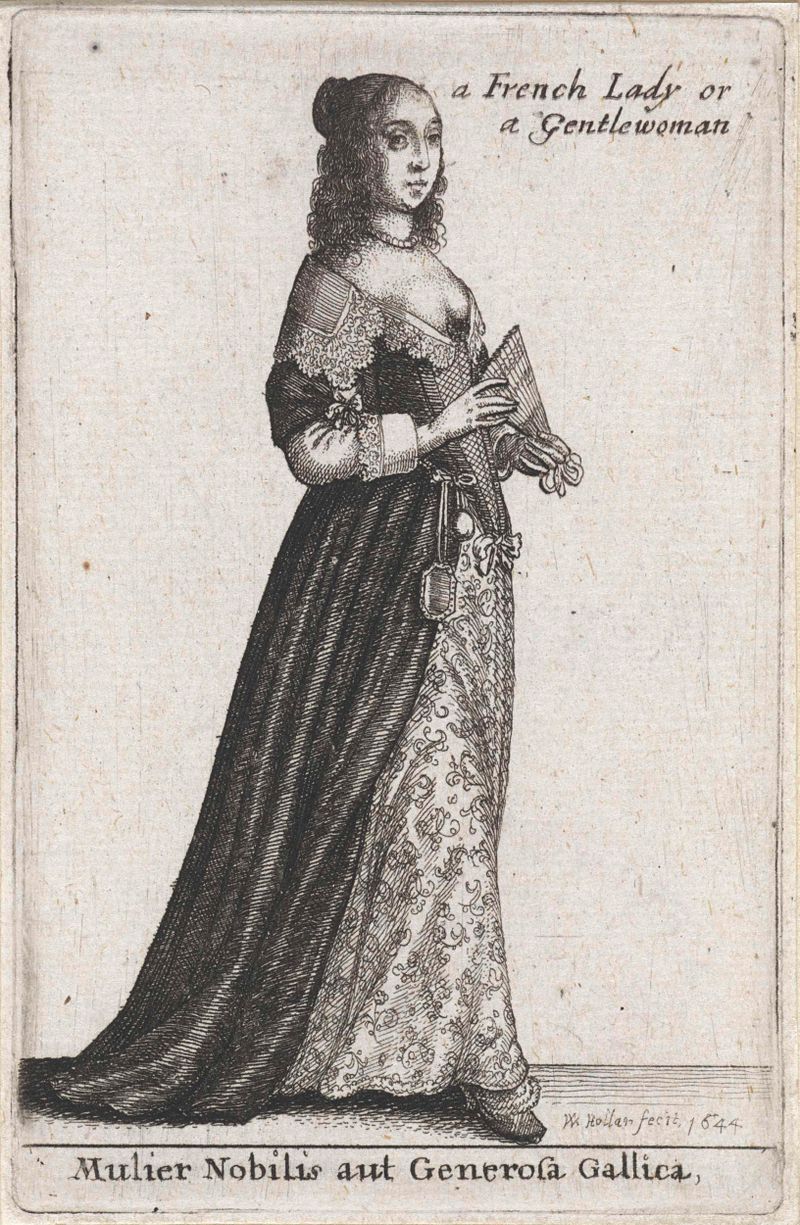
Mulier Nobilis aut Generosa Gallica / a French Lady or Gentlewoman
Wenceslaus Hollar
Titelprent voor: Ornatus Muliebris Anglicanus
Wenceslaus Hollar
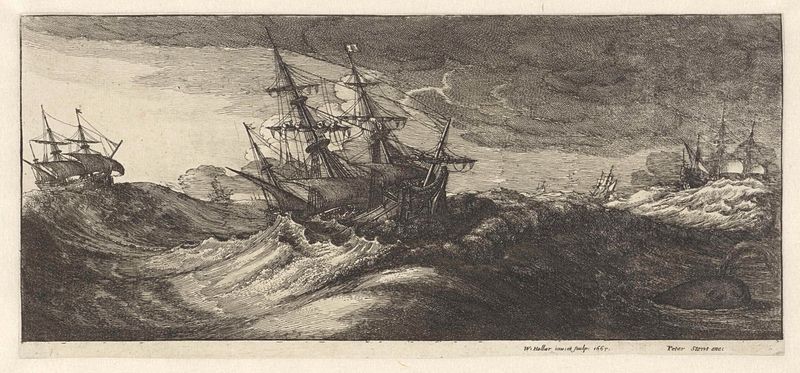
Oorlogsschepen en een walvis in een zeestorm
Wenceslaus Hollar
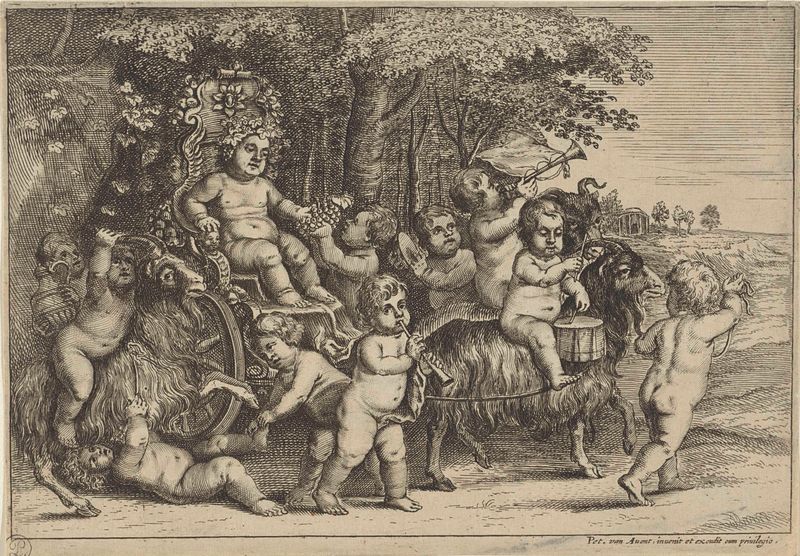
Optocht van bacchant en jongetjes op geiten
Wenceslaus Hollar
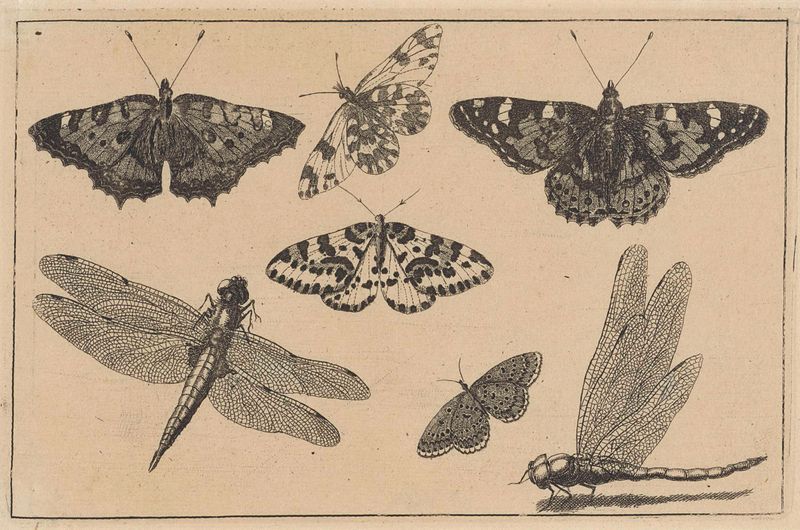
Twee libellen en vijf vlinders
Wenceslaus Hollar
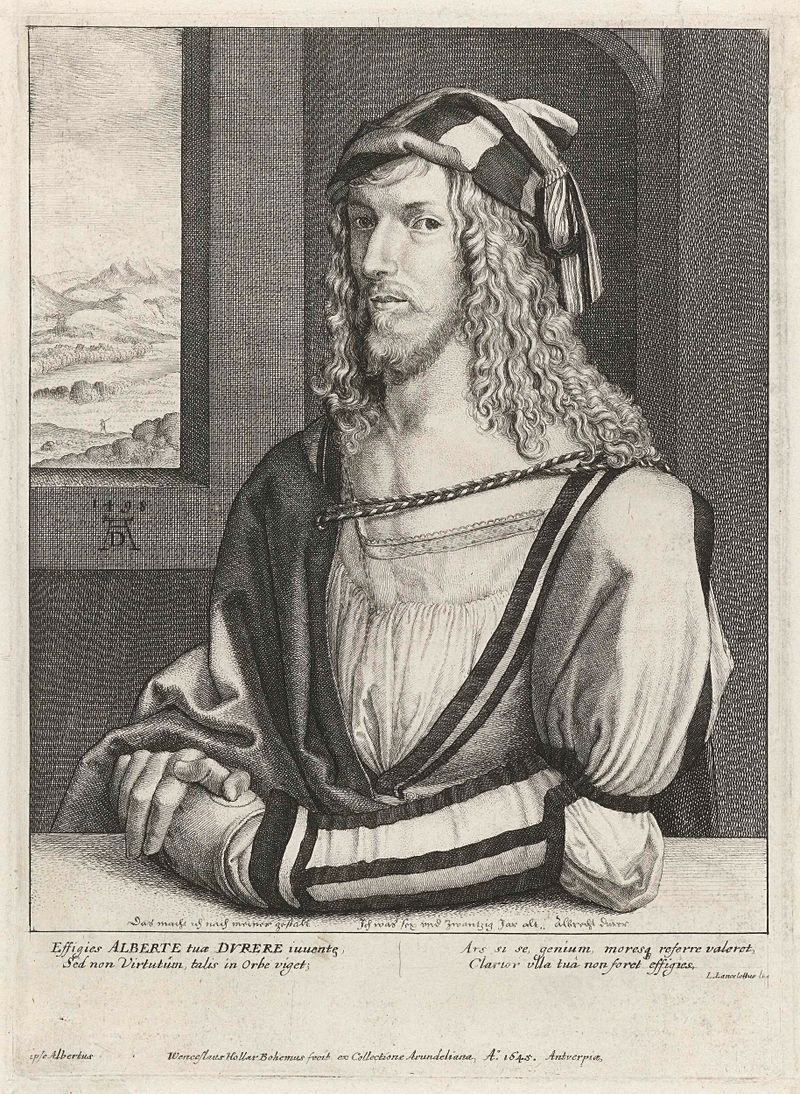
Portret van Albrecht Dürer
Wenceslaus Hollar
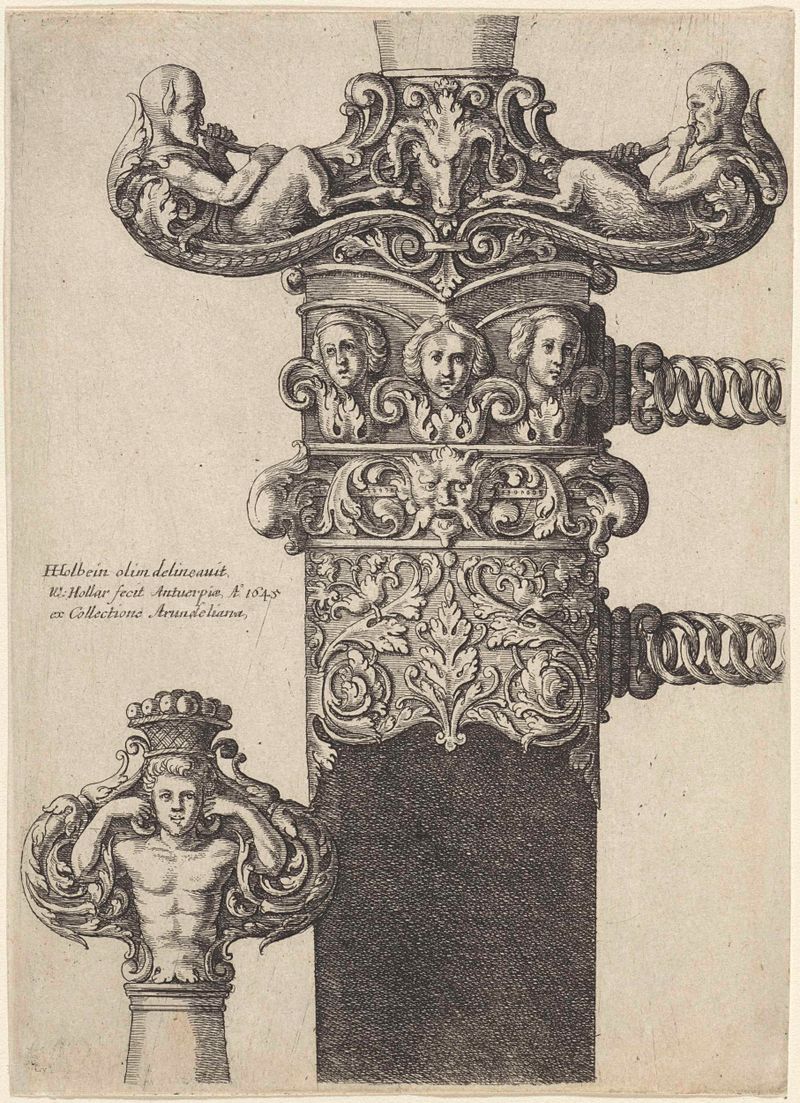
Ornamenteel ontwerp voor een dolk
Wenceslaus Hollar
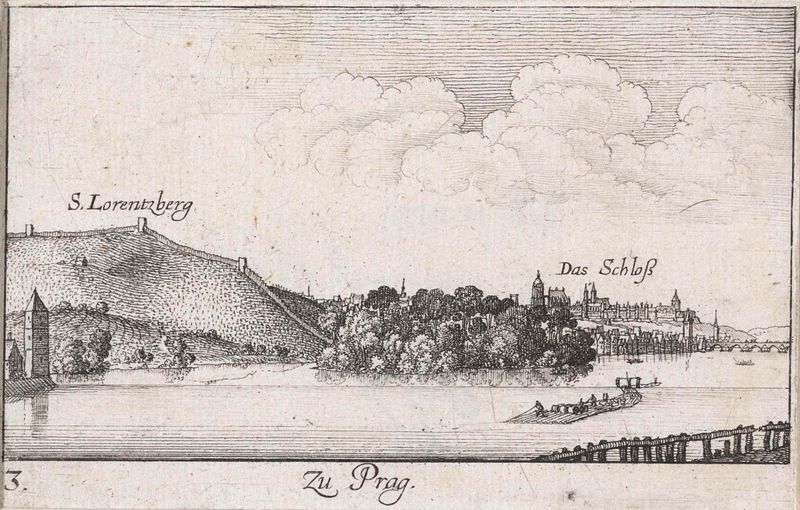
Gezicht op Praag vanaf de Moldau
Wenceslaus Hollar





