
Het bal — History & Facts
Within the confines of elegance and festivity, a hidden world of dreams and despair unfolds. Look to the left where the carefully arranged figures dance in harmonious celebration, their vivid garments juxtaposed against the muted tones of the surrounding architecture. Notice how the light spills from the grand chandeliers, casting a warm glow on their faces, illuminating the joy yet hinting at the fleeting nature of such moments. The circular composition invites you to explore the interplay of dance and stillness, each figure a careful brushstroke in a vibrant tapestry. But beneath the surface of merriment lies an intricate web of emotions.
The playful gestures of the dancers reveal a longing for connection, while the distant, shadowed figures hint at unfulfilled dreams and societal constraints. The golden accents serve as a reminder of the transient beauty of life, a sharp contrast to the underlying melancholy that permeates the scene. In this dance of light and shadow, the artist captures both the euphoria of celebration and the quiet ache of yearning. Cornelis Anthonisz.
painted Het bal in 1541, likely while working in Amsterdam, where the cultural tides were shifting with the rise of the Northern Renaissance. At this time, the artist was known for his portraiture and group scenes, capturing the essence of societal interactions. The world was evolving, yet within the revelry of this masterpiece, Anthonisz.
masterfully encapsulated the longing and beauty that transcend time, inviting viewers into a dreamscape that beckons both joy and reflection.
More Artworks by Cornelis Anthonisz.
Browse all →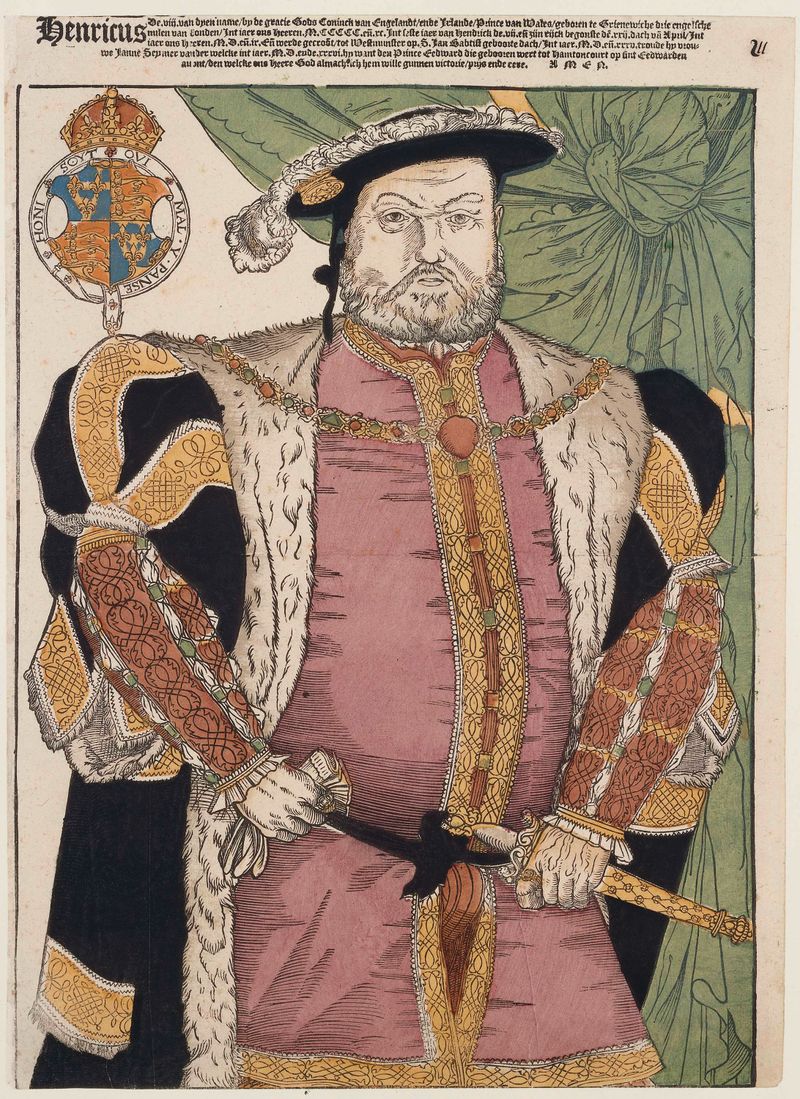
Portret van Hendrik VIII van Engeland
Cornelis Anthonisz.

Portret van Hendrik VIII van Engeland
Cornelis Anthonisz.

Portret van Maarten van Rossum te paard
Cornelis Anthonisz.
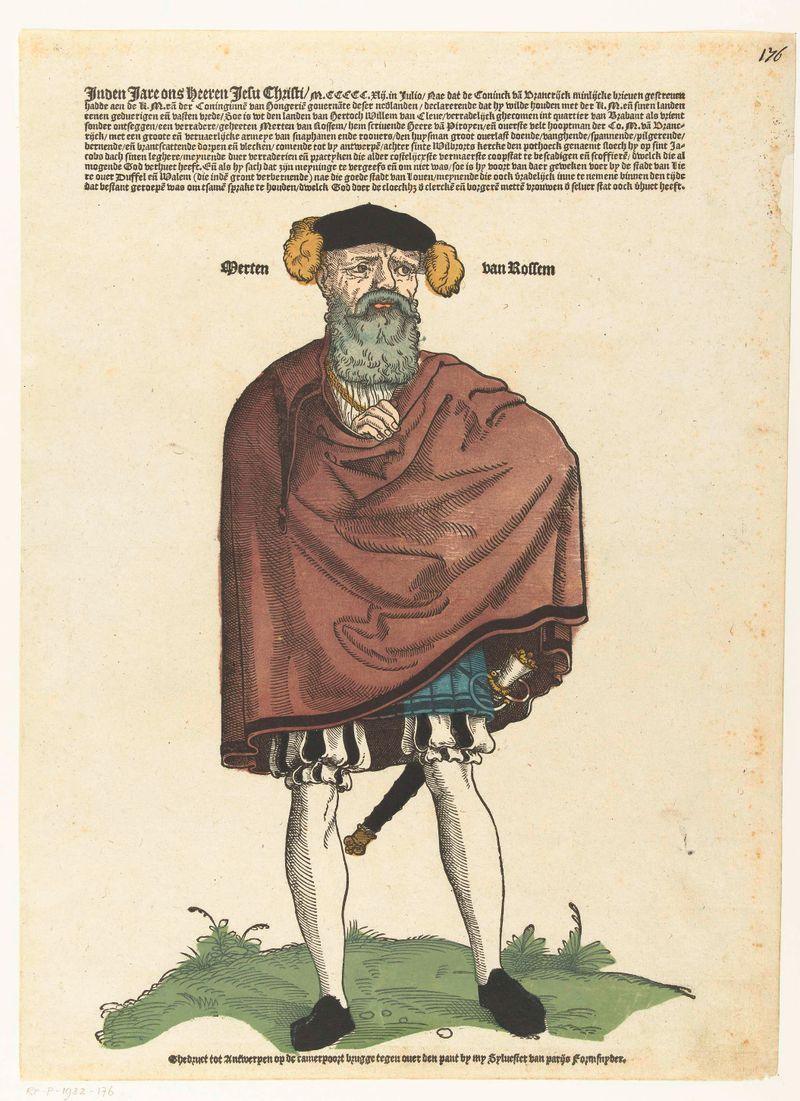
Portret van Maarten van Rossum
Cornelis Anthonisz.

De verloren zoon eet uit de varkenstrog
Cornelis Anthonisz.
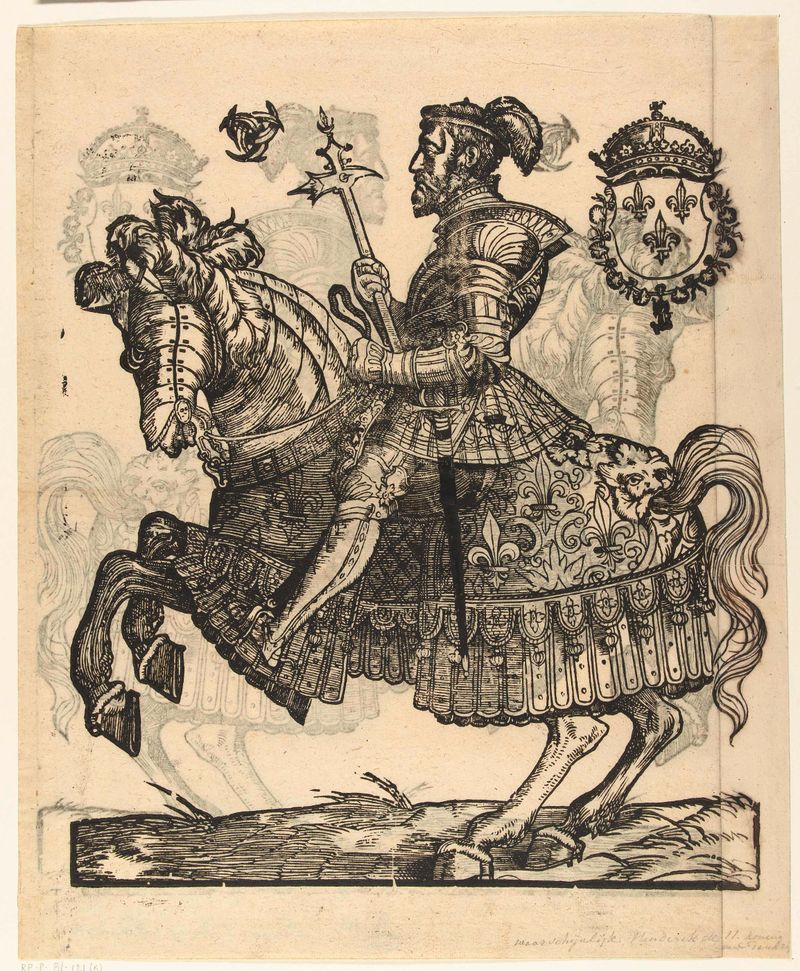
Portret van Hendrik II van Frankrijk te paard
Cornelis Anthonisz.

Portret van hertog Willem van Kleef, Gulik en Berg, graaf van Mark, heer van Ravenstein te paard
Cornelis Anthonisz.

Portret van Karel V te paard
Cornelis Anthonisz.

Portret van Maria van Hongarije te paard
Cornelis Anthonisz.
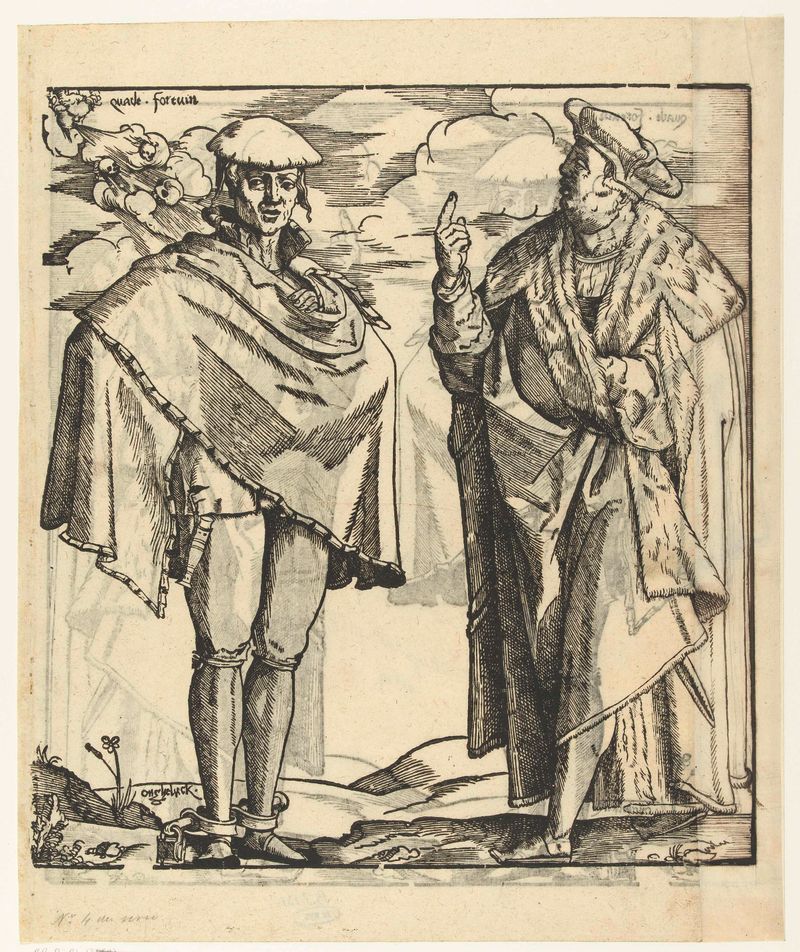
De lichtzinnige jeugd
Cornelis Anthonisz.





