Het kind en de Dood — History & Facts
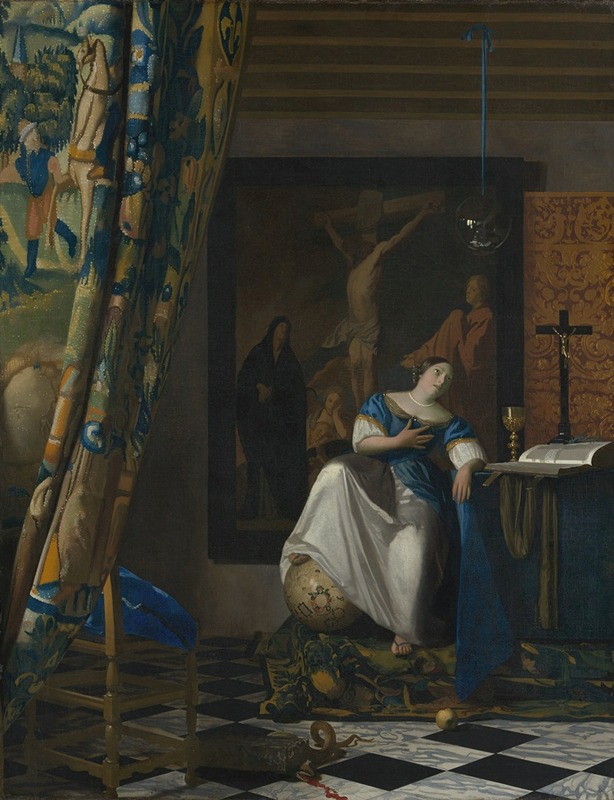
Can beauty exist without sorrow? In Het kind en de Dood, Wenceslaus Hollar encapsulates the haunting intimacy of life and death, inviting viewers to reflect on the fragile nature of existence. Look closely at the center of the composition, where a serene, slumbering child rests, framed by the ethereal figure of Death looming nearby. The contrasts between the soft lines of the child’s features and the sharper, more angular forms of the skeletal figure create a haunting dialogue. Hollar employs delicate etching techniques to emphasize the intricate details in the child’s garments, while the monochromatic palette evokes a somber yet peaceful ambiance, as if time itself has paused. The work explores profound themes of innocence and inevitability.
The juxtaposition of the innocent child, seemingly untouched by the world’s harshness, against the skeletal figure reminds us of the transient nature of life. The way Death bends slightly, almost tenderly, toward the child suggests a complexity of emotion—an acknowledgment that beauty and sorrow often coexist, each enhancing the impact of the other. This tension evokes a deep empathy, forcing us to confront our own perceptions of mortality. In the late 17th century, while residing in London, Hollar produced this piece during a period of personal hardship and reflection.
The art world was evolving, influenced by the baroque movement, yet Hollar remained committed to capturing the delicate nuances of human experience. This artwork stands as a testament to his ability to weave together themes of life, death, and beauty, offering a poignant commentary that resonates through the ages.
More Artworks by Wenceslaus Hollar
Browse all →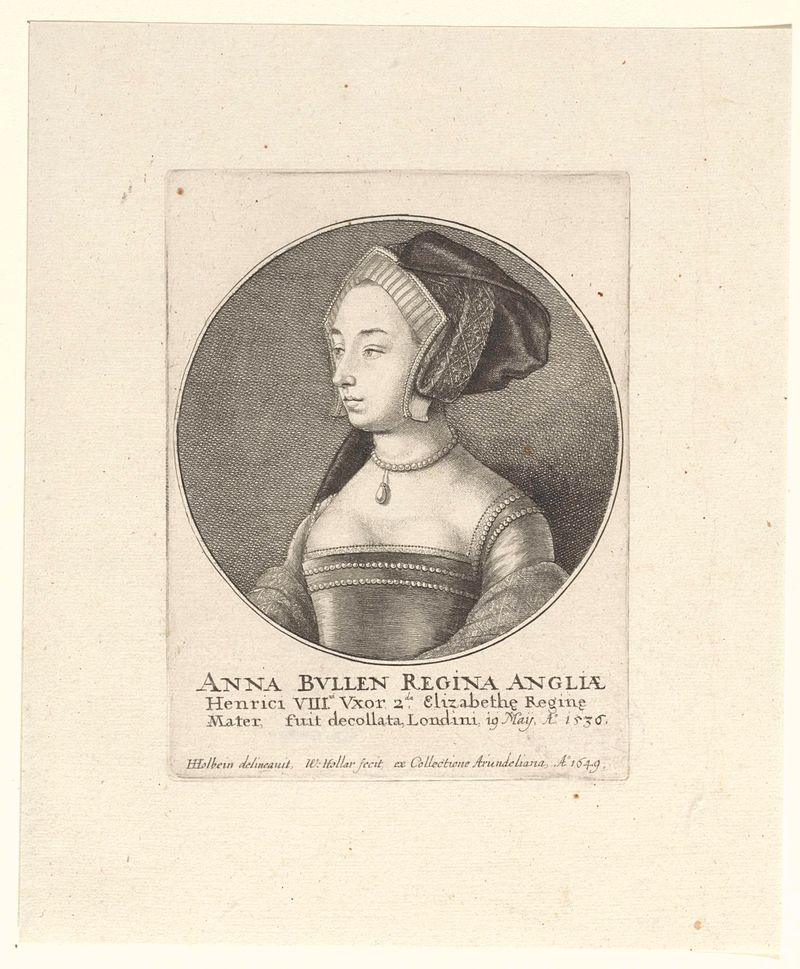
Portret van Anna Boleyn, koningin van Engeland
Wenceslaus Hollar
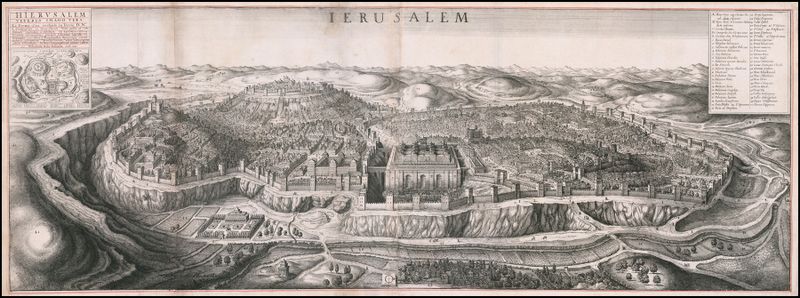
Bird’s eye view of Jerusalem
Wenceslaus Hollar
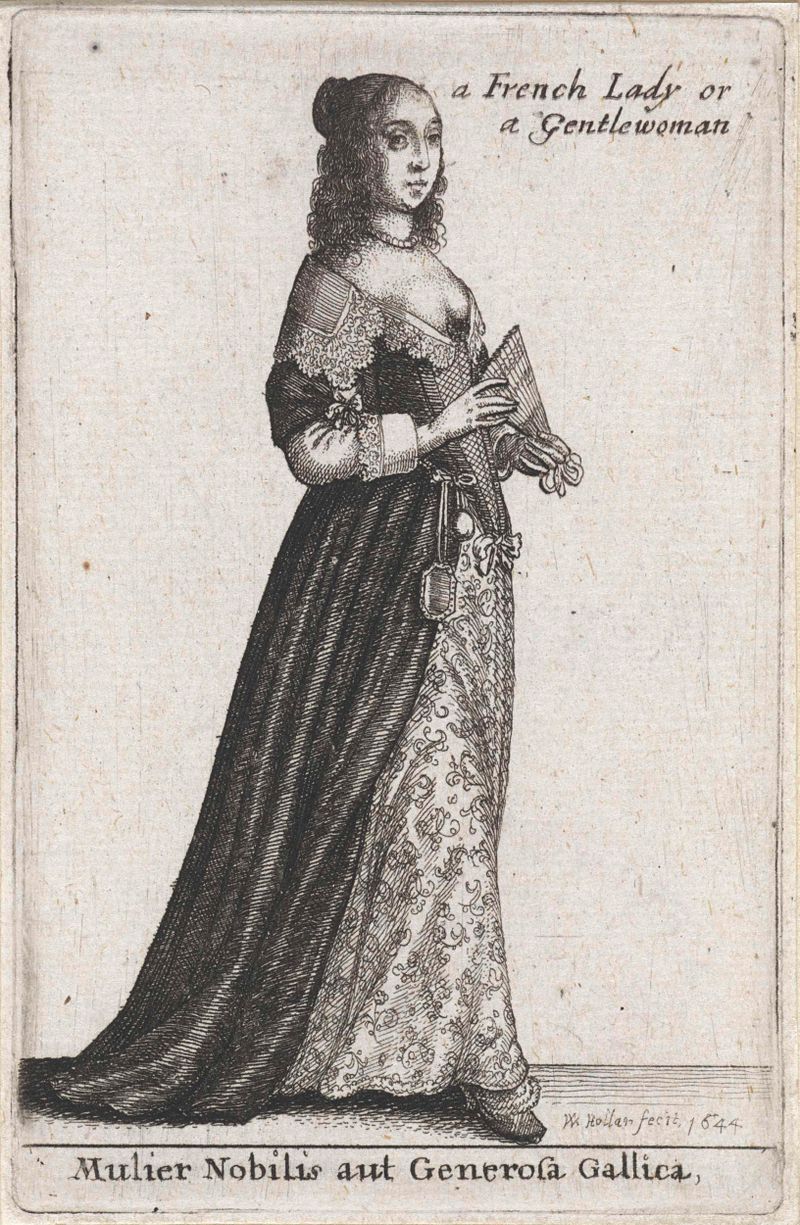
Mulier Nobilis aut Generosa Gallica / a French Lady or Gentlewoman
Wenceslaus Hollar
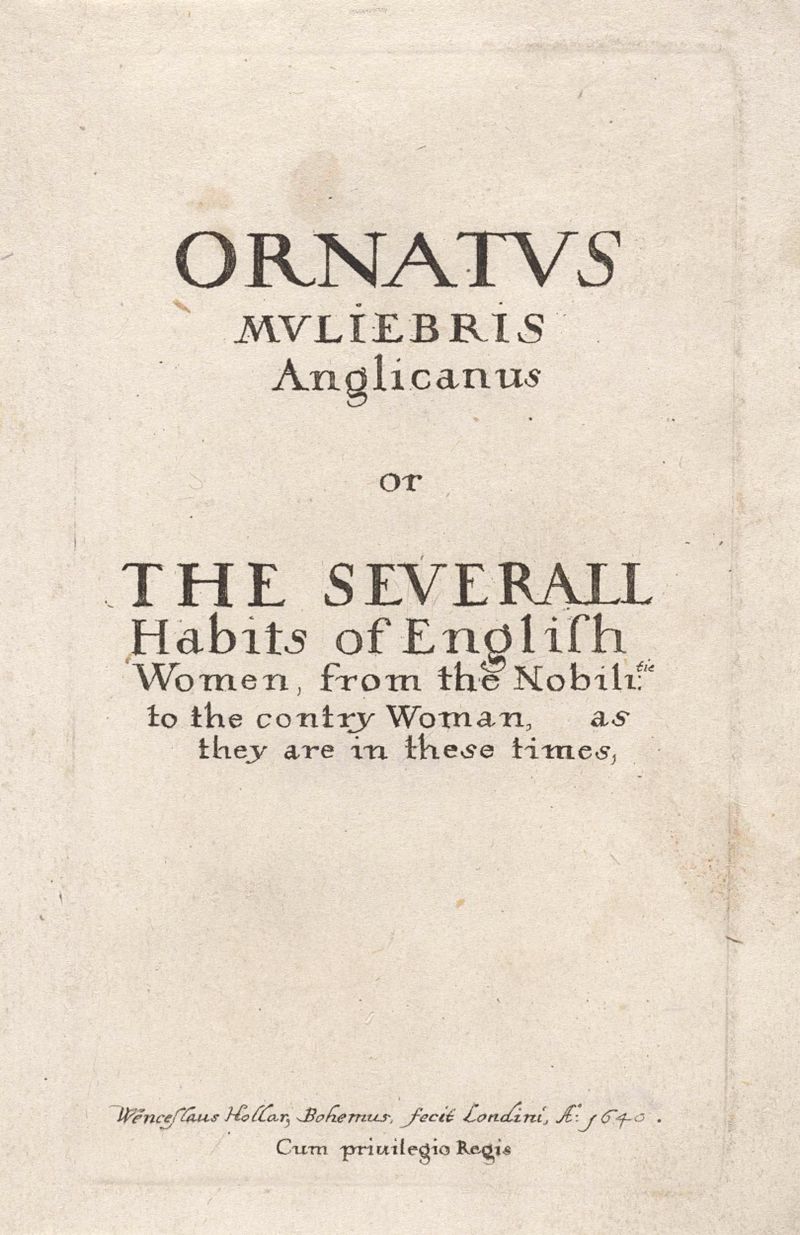
Titelprent voor: Ornatus Muliebris Anglicanus
Wenceslaus Hollar
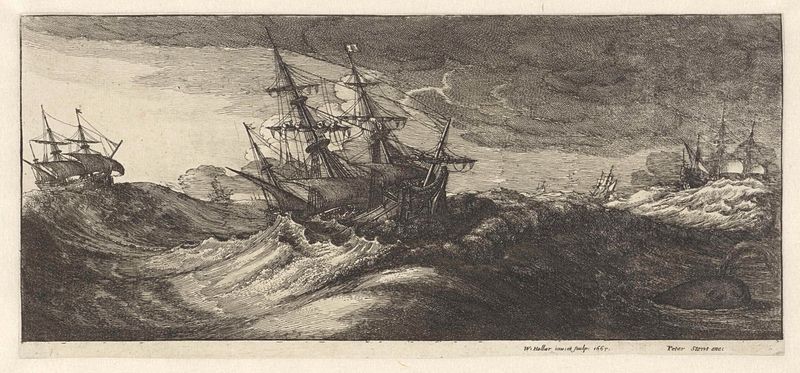
Oorlogsschepen en een walvis in een zeestorm
Wenceslaus Hollar
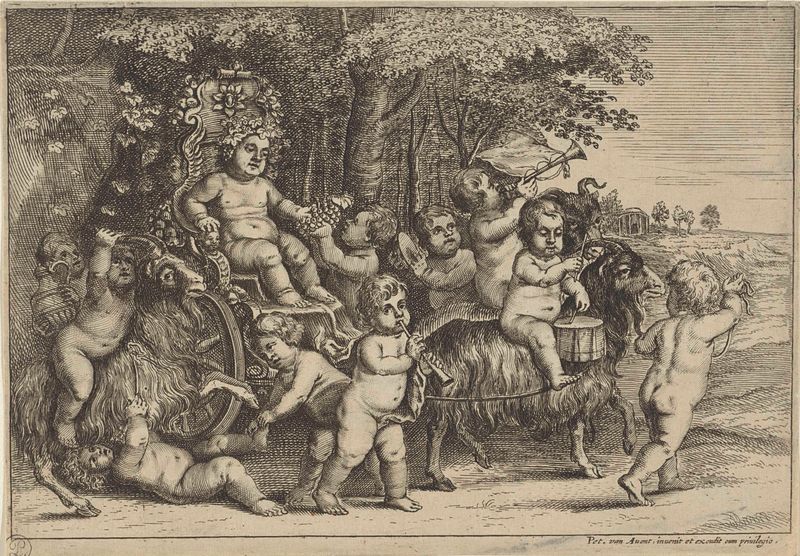
Optocht van bacchant en jongetjes op geiten
Wenceslaus Hollar
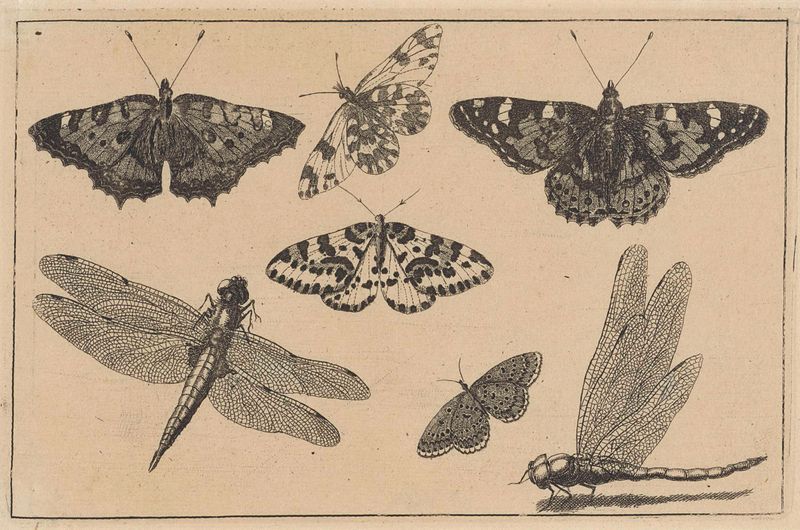
Twee libellen en vijf vlinders
Wenceslaus Hollar
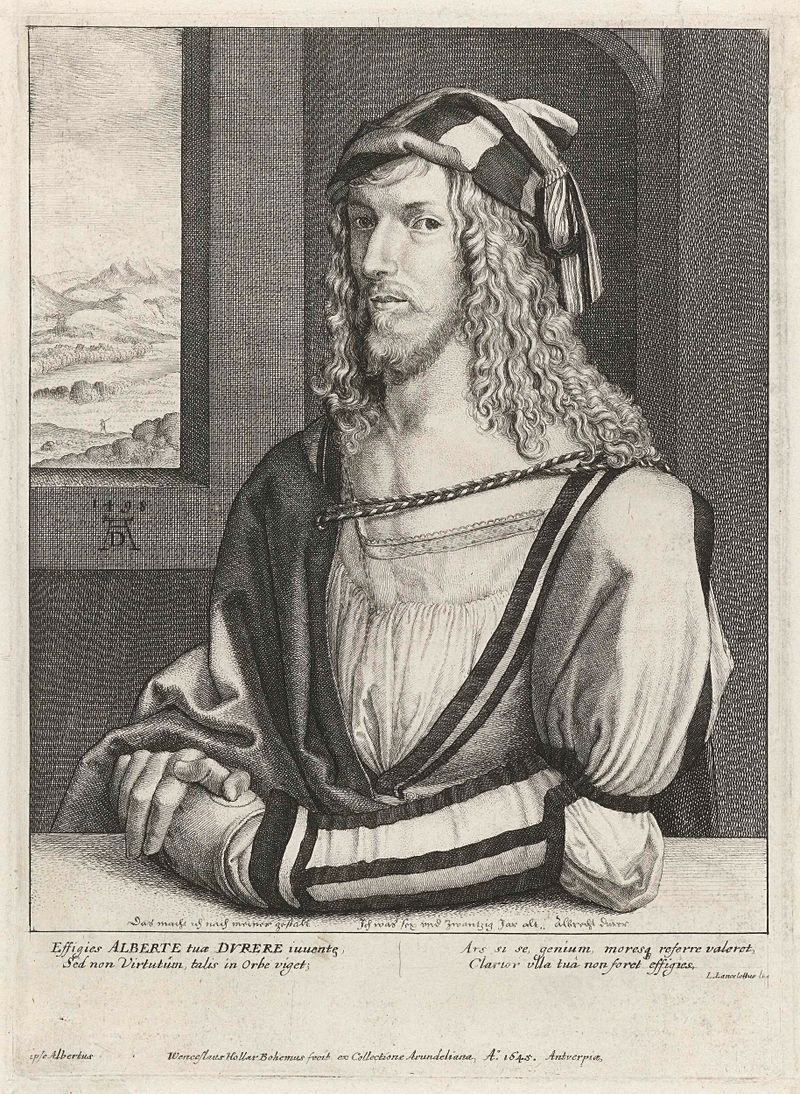
Portret van Albrecht Dürer
Wenceslaus Hollar
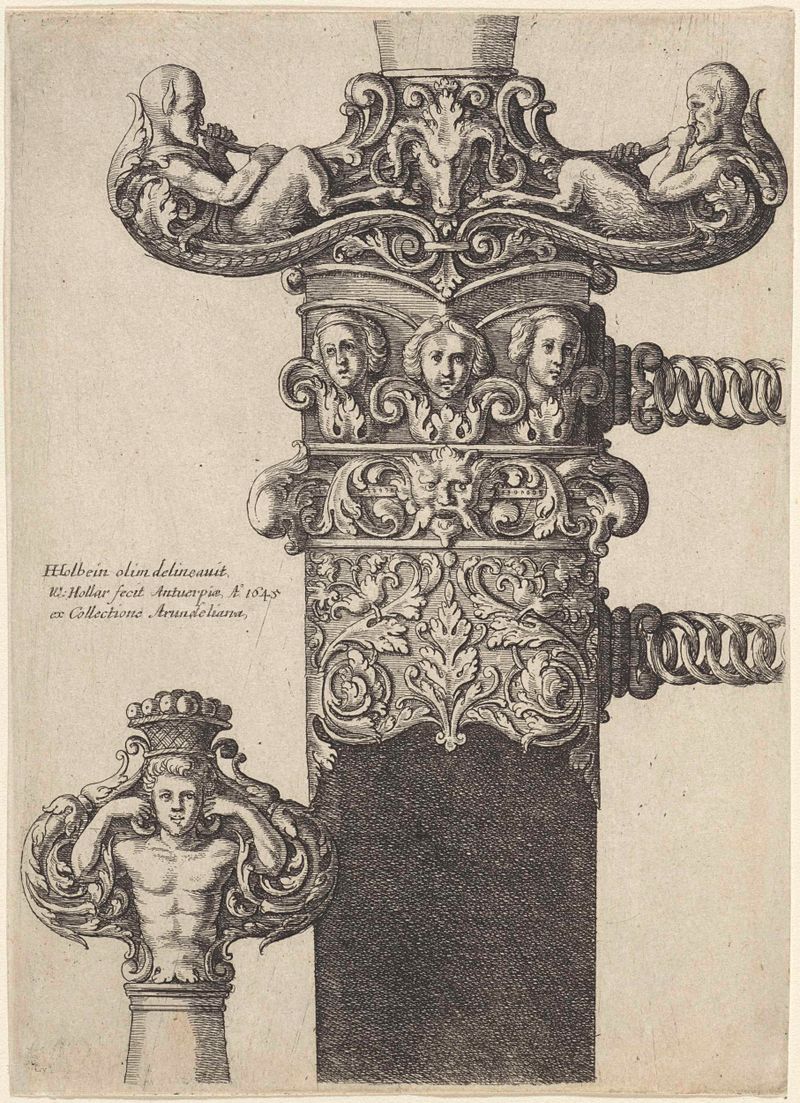
Ornamenteel ontwerp voor een dolk
Wenceslaus Hollar
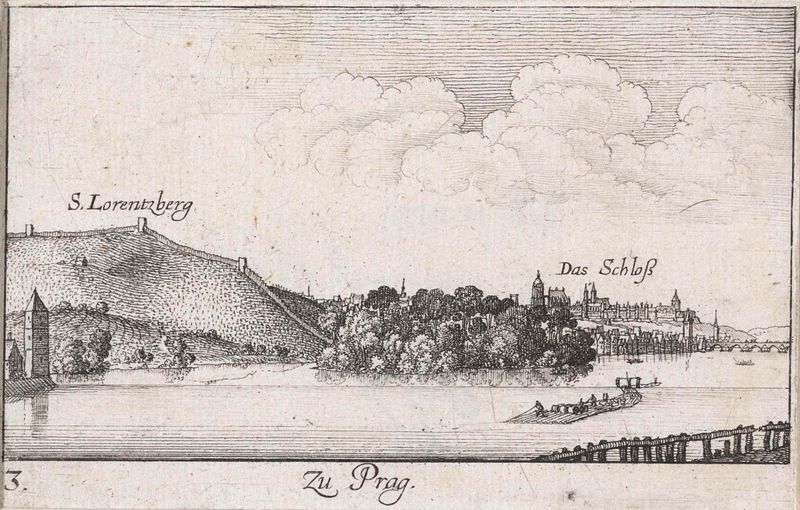
Gezicht op Praag vanaf de Moldau
Wenceslaus Hollar