Het kind en de Dood — History & Facts
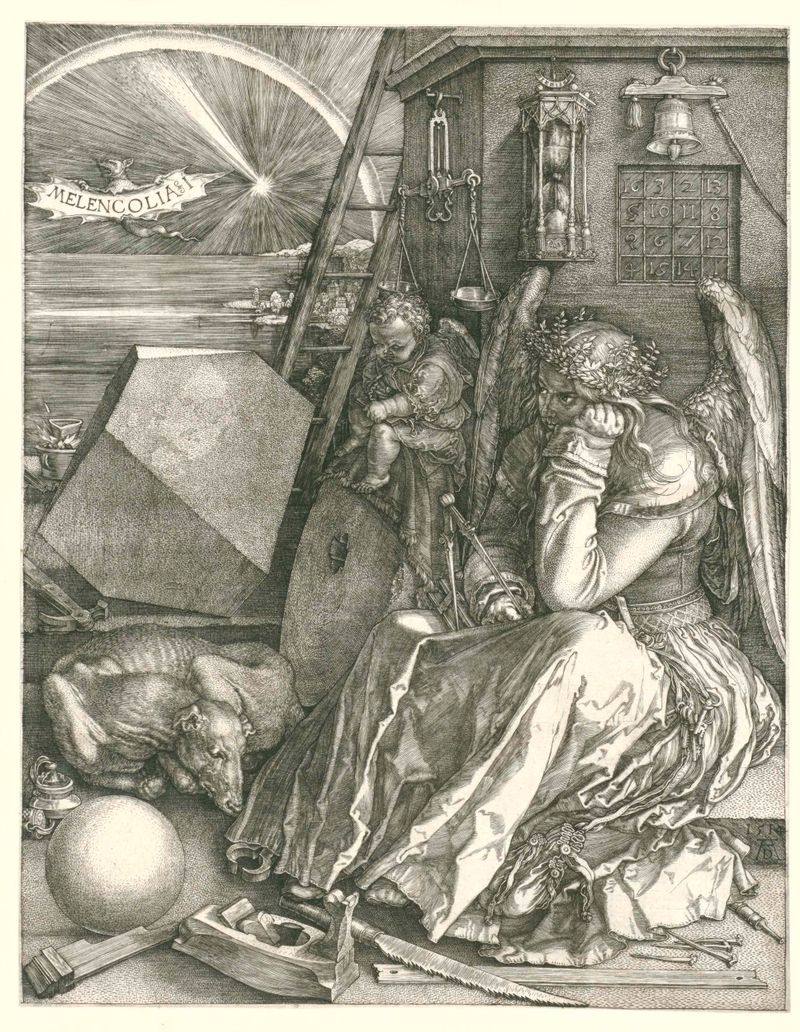
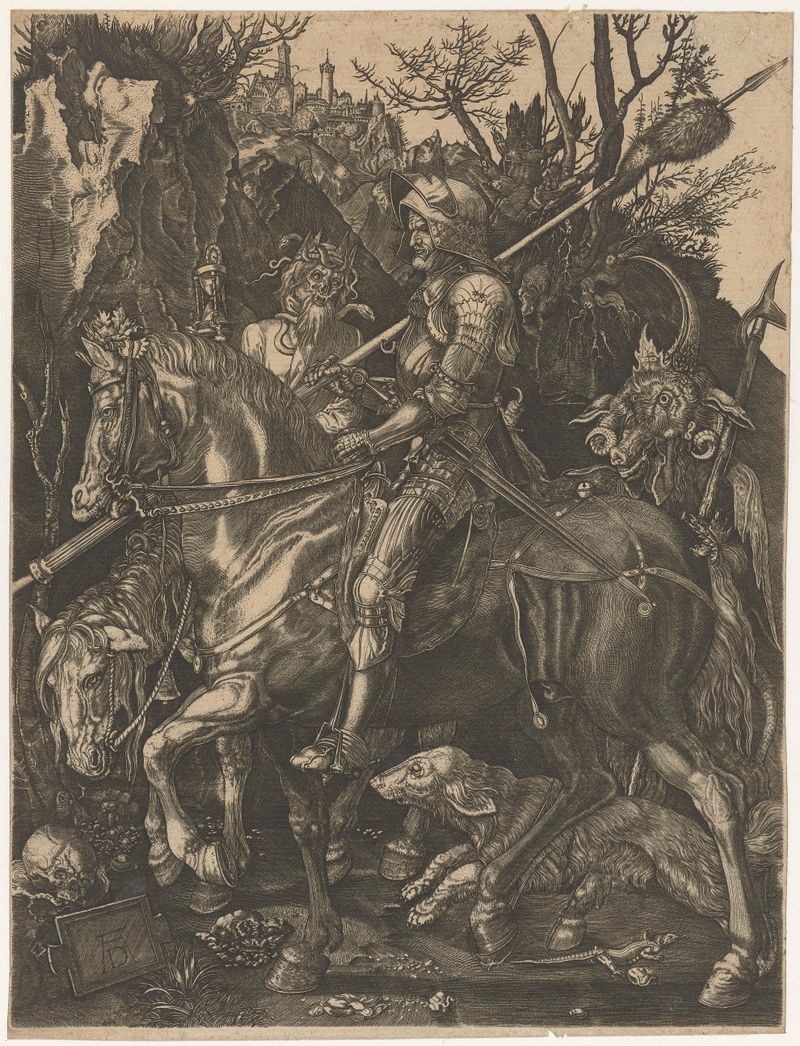
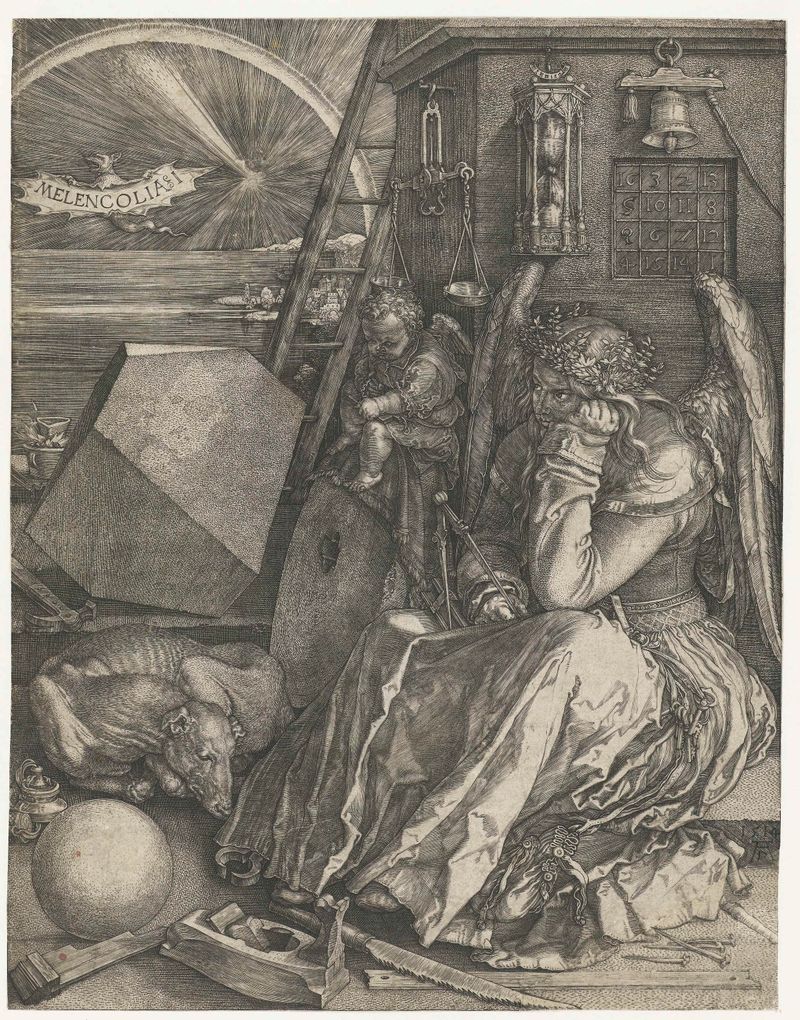
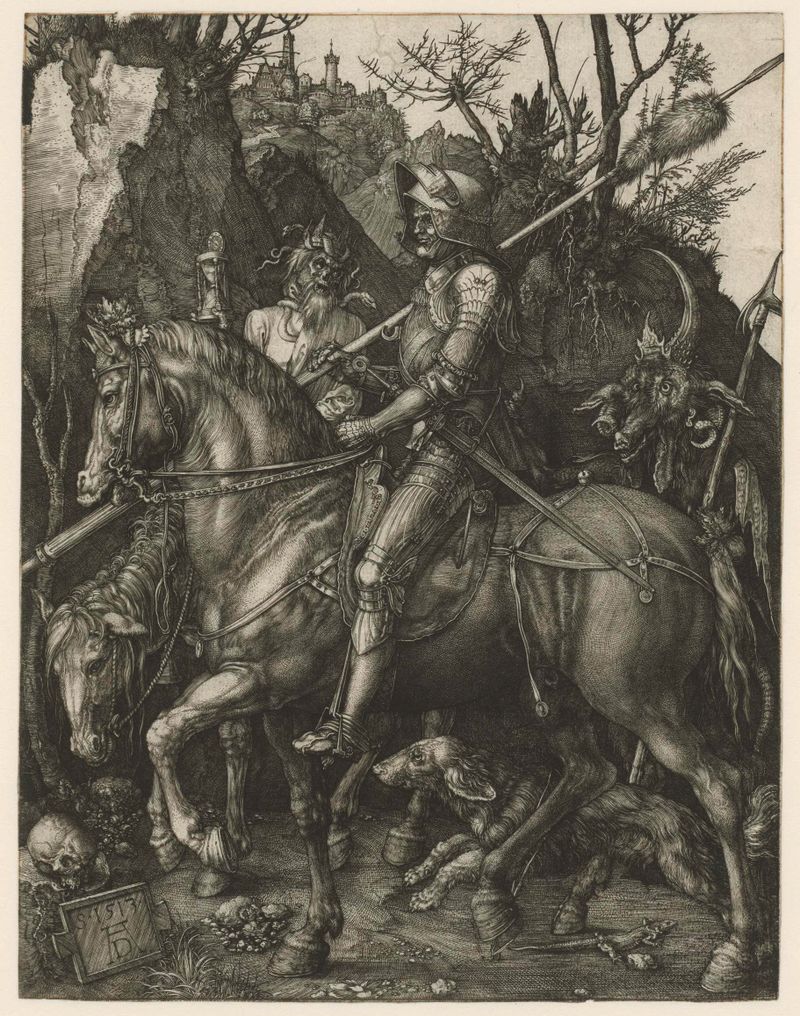
What if beauty was never meant to be finished? The question lingers like a ghost, haunting the edges of Wenceslaus Hollar's Het kind en de Dood, a poignant exploration of mortality and innocence intertwined. Look closely at the engraving, where the delicate lines create a haunting atmosphere. Focus on the child, soft and vulnerable, nestled against the skeletal figure that embodies Death. Notice how the sharp contrasts of light and shadow breathe life into the scene, the starkness of the skull juxtaposed against the purity of youth.
The meticulous details in the child's expression reveal a quiet understanding, an unsettling acceptance of fate that grips the heart. At a deeper level, this artwork encapsulates the duality of existence—beauty and fragility in life are balanced against the inevitable end. The tender gaze of the child suggests a fleeting awareness of their own mortality, a poignant reminder that innocence does not shield one from the passage of time. The skeletal hand reaching out may symbolize both fear and a strange comfort, suggesting that death is an integral part of life's journey, rather than its conclusion. Created in 1651, Hollar's Het kind en de Dood was born during a tumultuous period marked by religious and societal upheaval in Europe.
The artist, who had settled in England after fleeing the Thirty Years' War, was deeply influenced by both the Baroque style and the emerging themes of the vanitas tradition – capturing the ephemeral nature of life and beauty. This work reflects his personal struggle with loss and legacy, making it a profound commentary on the human condition.
More Artworks by Wenceslaus Hollar
Browse all →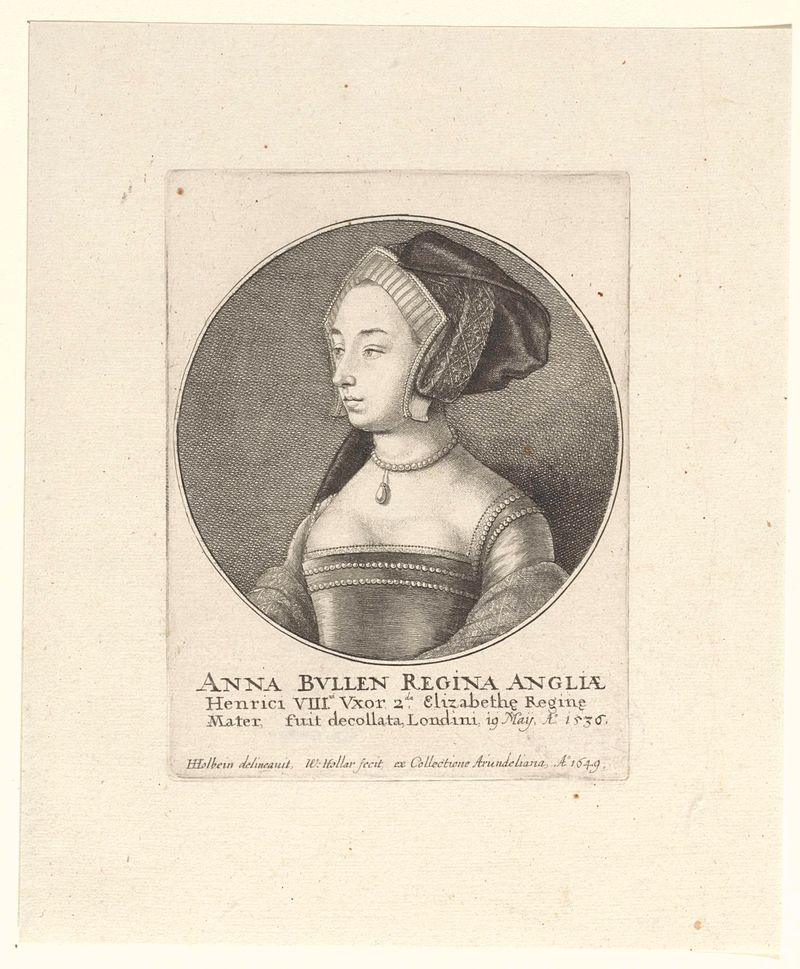
Portret van Anna Boleyn, koningin van Engeland
Wenceslaus Hollar
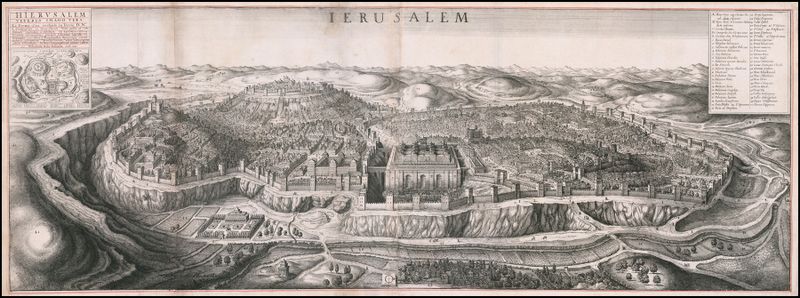
Bird’s eye view of Jerusalem
Wenceslaus Hollar
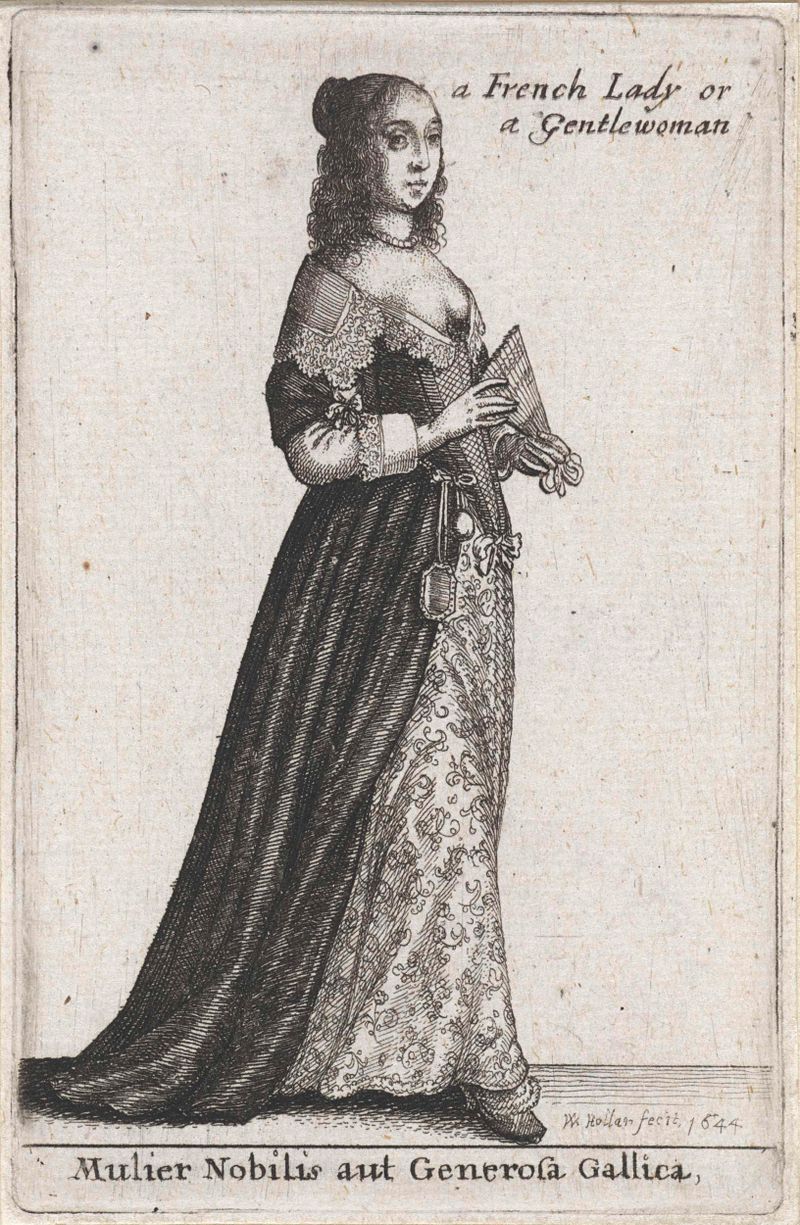
Mulier Nobilis aut Generosa Gallica / a French Lady or Gentlewoman
Wenceslaus Hollar
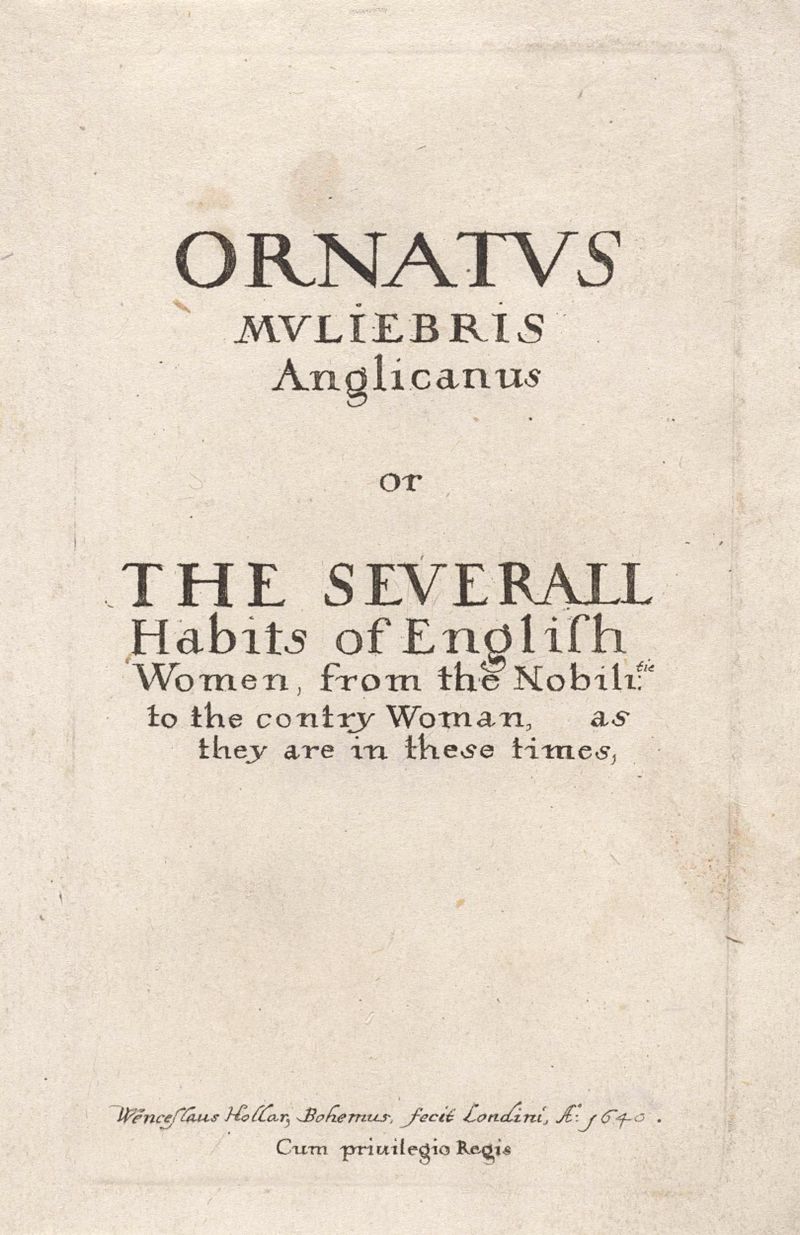
Titelprent voor: Ornatus Muliebris Anglicanus
Wenceslaus Hollar
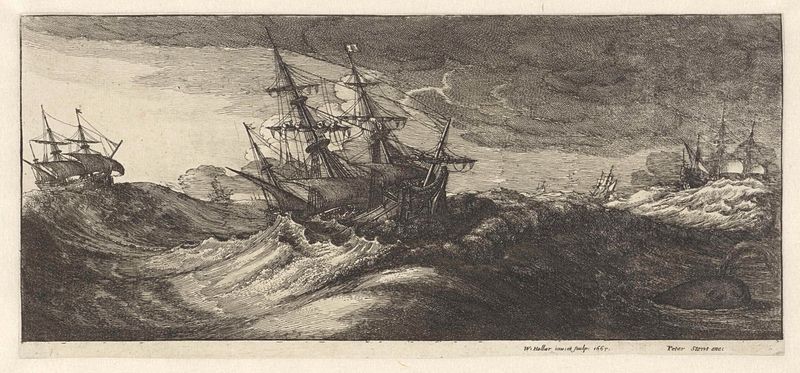
Oorlogsschepen en een walvis in een zeestorm
Wenceslaus Hollar
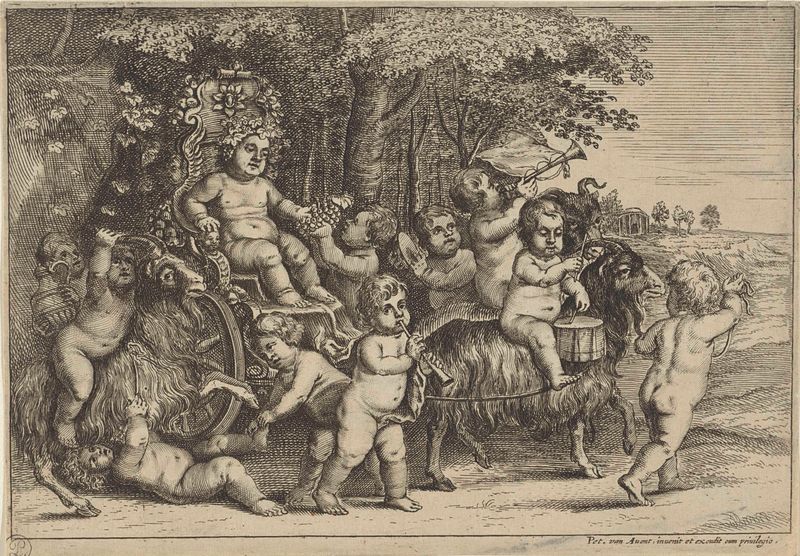
Optocht van bacchant en jongetjes op geiten
Wenceslaus Hollar
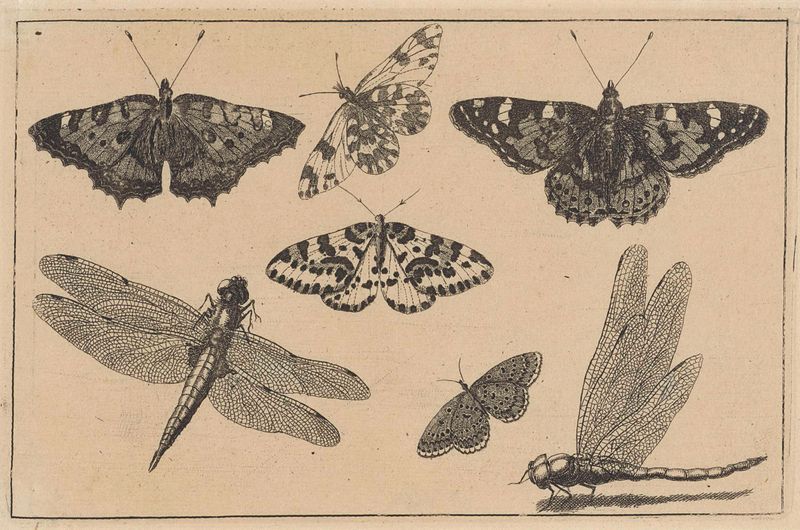
Twee libellen en vijf vlinders
Wenceslaus Hollar
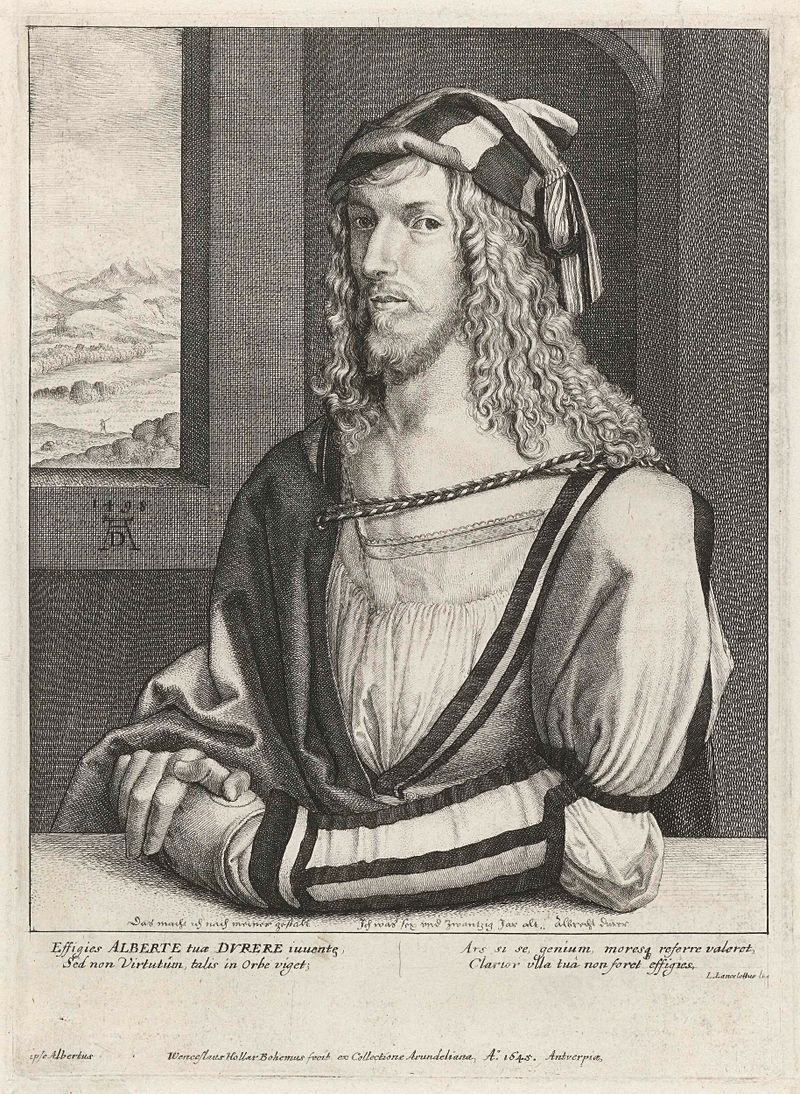
Portret van Albrecht Dürer
Wenceslaus Hollar
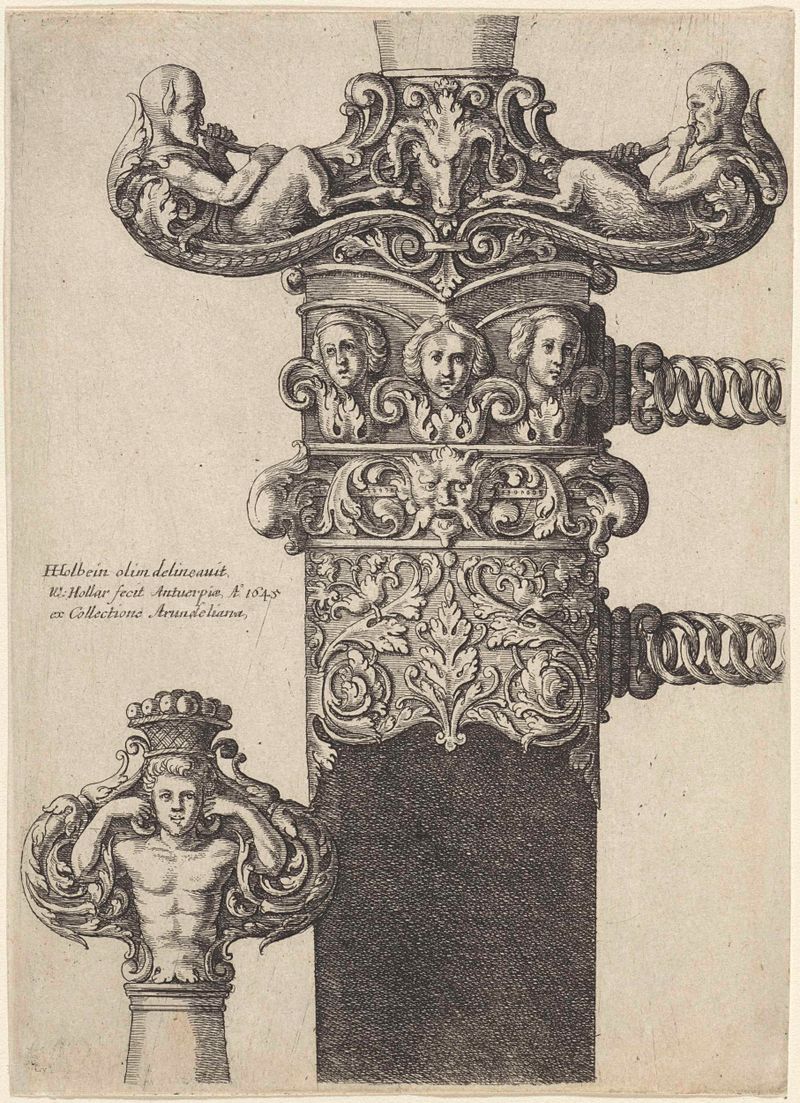
Ornamenteel ontwerp voor een dolk
Wenceslaus Hollar
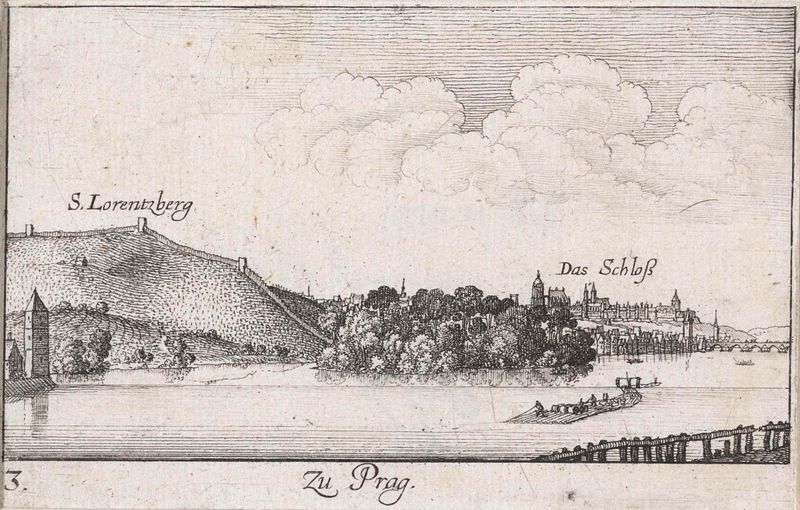
Gezicht op Praag vanaf de Moldau
Wenceslaus Hollar