
Het Laatste Avondmaal — History & Facts
Where does light end, and longing begin? This poignant question resonates through the depths of Het Laatste Avondmaal, a masterful work that invites silent reflection on the profound moments of human connection and faith. Look to the center of the composition, where the figures of Christ and his disciples converge in a moment charged with intensity. The soft light illuminates their faces, revealing a tapestry of emotions—curiosity, doubt, and devotion. Notice how the artist employs rich, warm hues, creating a serene yet somber atmosphere that envelops the scene.
The careful arrangement of the figures, from Christ at the center to the disciples in varied postures around him, draws the viewer's gaze into the heart of the narrative, evoking a sense of both intimacy and distance. Delve deeper and observe the contrasting expressions between the figures, particularly the gestures that encapsulate the inner turmoil of the moment. The disciple on the left, his fingers trembling as they reach toward the bread, embodies the anxiety of impending betrayal, while the calm grace of Christ suggests acceptance and foresight. This juxtaposition of emotions highlights the tension between divine foreknowledge and human fragility, compelling us to ponder the nature of sacrifice and redemption. Jacob Cornelisz van Oostsanen painted this work in 1517, during a time of significant religious and artistic upheaval in Europe.
Living in Amsterdam, he was influenced by the rising interest in Northern Renaissance humanism and the reforms in the Catholic Church. This piece reflects not only his skillful technique but also the profound exploration of spiritual themes that characterized the era, positioning it as a remarkable contemplation of faith and human emotion.
More Artworks by Jacob Cornelisz van Oostsanen
Browse all →
De hemelvaart en Christus voor God de Vader
Jacob Cornelisz van Oostsanen
Het hostiewonder van Amsterdam
Jacob Cornelisz van Oostsanen
The Adoration of the Christ Child
Jacob Cornelisz van Oostsanen
Vlucht naar Egypte
Jacob Cornelisz van Oostsanen
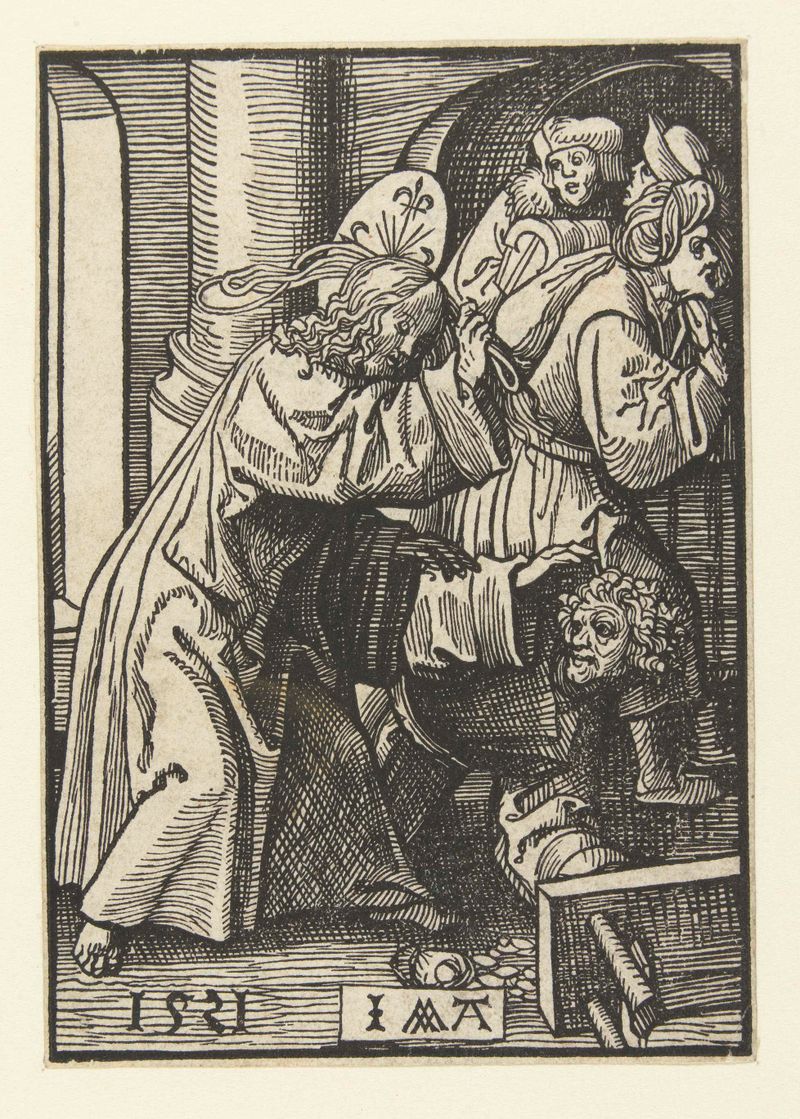
Verdrijving van de handelaren uit de tempel
Jacob Cornelisz van Oostsanen
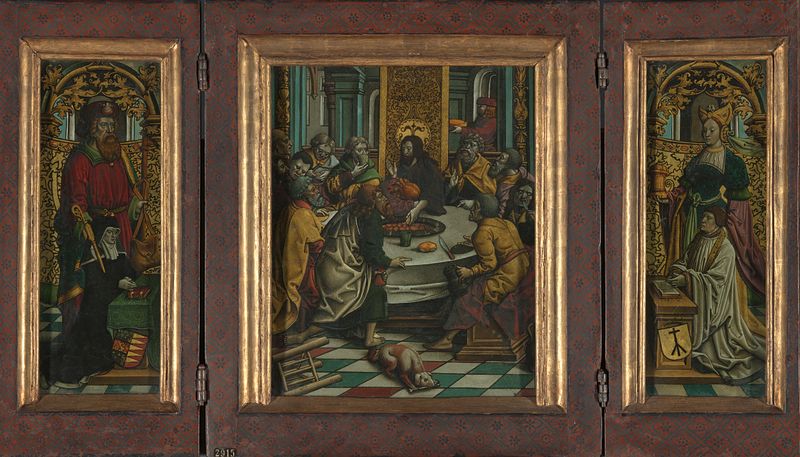
Triptych with the Last Supper and Donors
Jacob Cornelisz van Oostsanen
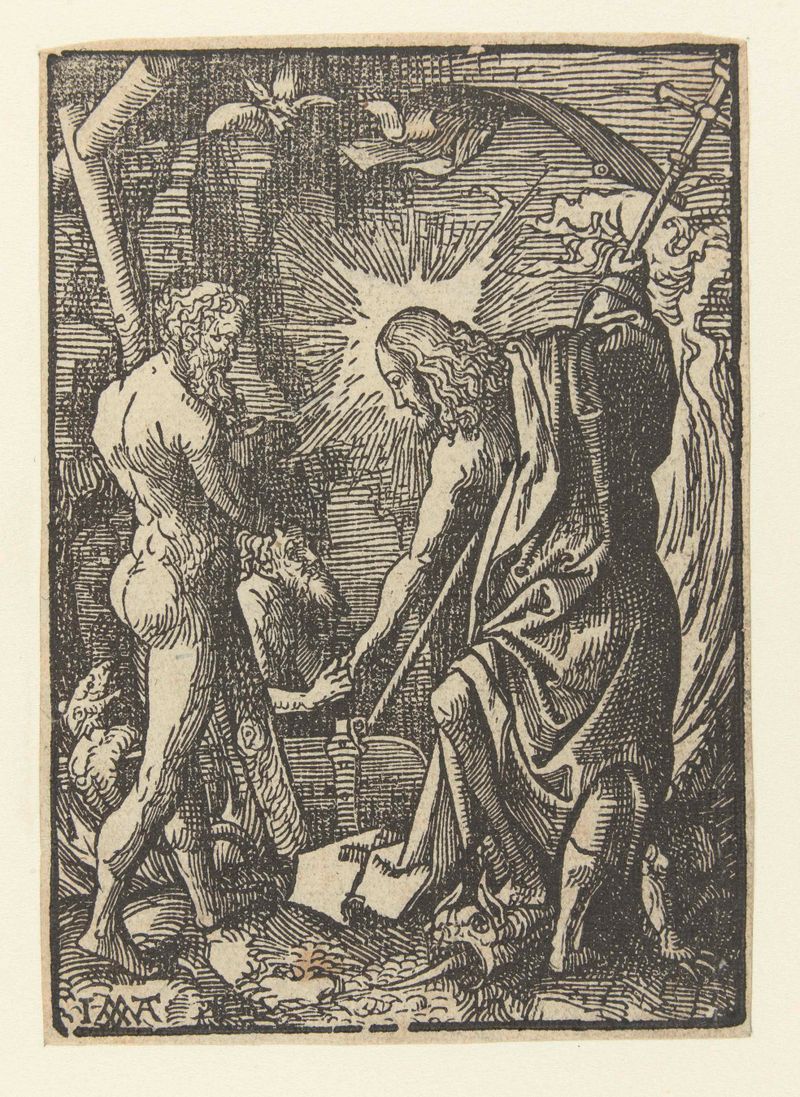
Christus in het voorgeborchte
Jacob Cornelisz van Oostsanen
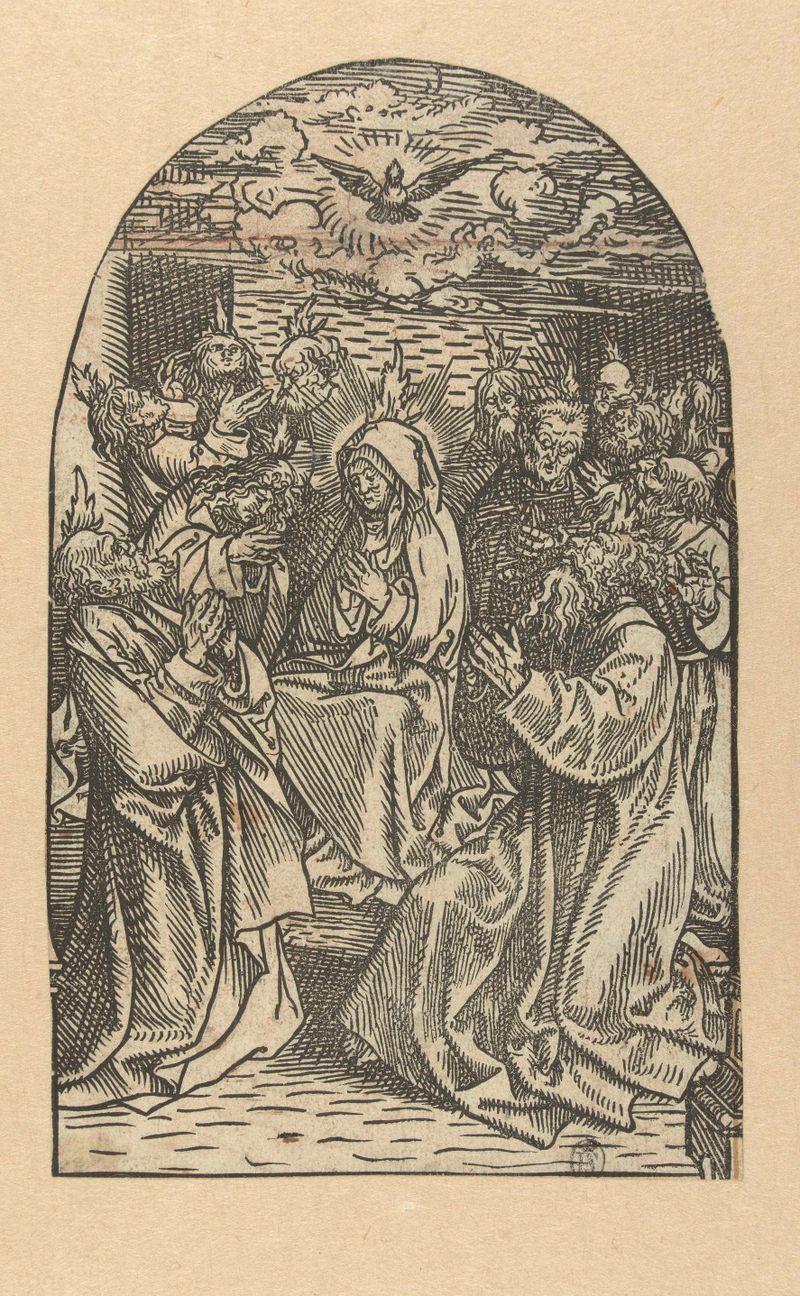
Uitstorting van de Heilige Geest
Jacob Cornelisz van Oostsanen
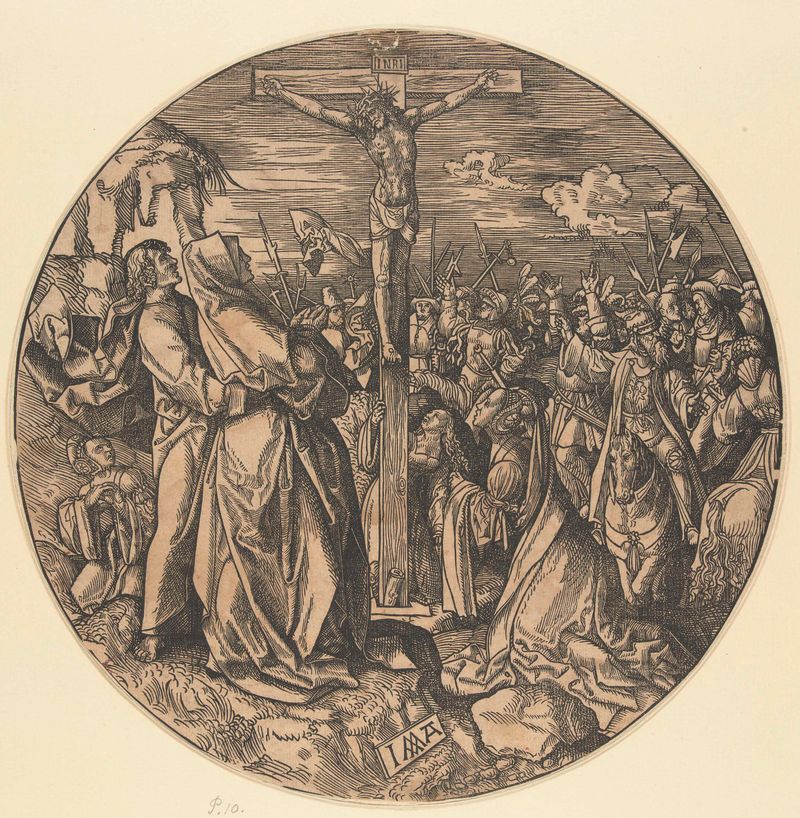
Christus aan het kruis
Jacob Cornelisz van Oostsanen

De kruisiging en de graflegging van Christus
Jacob Cornelisz van Oostsanen
More Religious Art
Browse all →
The Return of the Prodigal Son
Rembrandt van Rijn

The Garden of Earthly Delights
El Bosco

Count Orgaz’ funeral
El Greco

The Hundred Guilder Print: the central piece with Christ preaching, the plate arched
Rembrandt van Rijn

The Descent from the Cross
Rogier van der Weyden

The return of the prodigal son
Rembrandt van Rijn