
Het Laatste Avondmaal — History & Facts
Could a single brushstroke hold eternity? In Het Laatste Avondmaal, the moment unfurls like a silent prayer, capturing the essence of communion and reflection amidst a tapestry of human emotion. Look to the center of the canvas, where the figures gather around a long table laden with symbolic fare. Notice the carefully painted faces, each imbued with distinct expressions that reflect a spectrum of emotions — reverence, anticipation, and sorrow. The deep, rich hues of blue and gold create a radiant ambiance, as if the divine light is filtering through a sacred space, illuminating the intricate details of the garments and the reflections on the surfaces before them. Delve deeper, and you’ll discover subtle contrasts woven into the scene.
The stark juxtaposition between the solemnity of their gathering and the richness of the setting hints at a complex interplay of faith and humanity. The positioning of Judas, almost isolated, suggests betrayal lurking within devotion. Each figure stands as a testament to individual narratives, and the interactions among them resonate with the emotional weight of their shared fate. During the years between 1517 and 1533, the artist was rooted in the Netherlands, amidst the flourishing of the Northern Renaissance.
This period was characterized by an evolving exploration of religious themes and a growing emphasis on personal spirituality. Van Oostsanen, influenced by these developments, sought to convey profound narratives through his meticulous attention to detail and innovative techniques, marking a significant moment in the evolution of sacred art.
More Artworks by Jacob Cornelisz van Oostsanen
Browse all →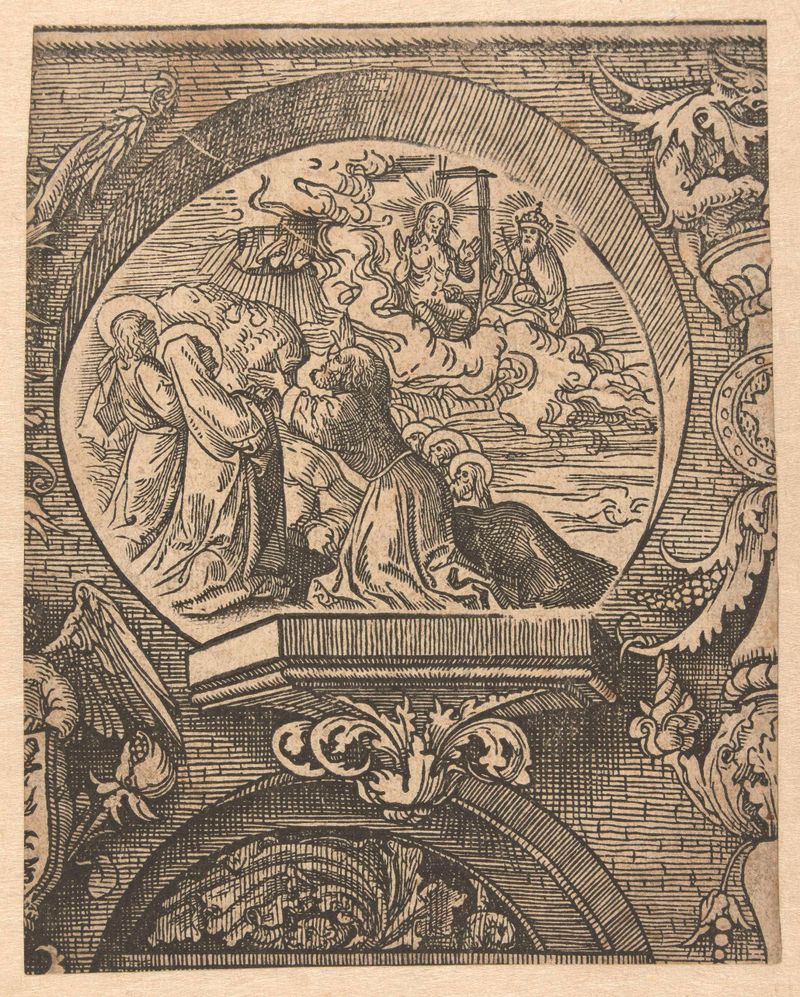
De hemelvaart en Christus voor God de Vader
Jacob Cornelisz van Oostsanen
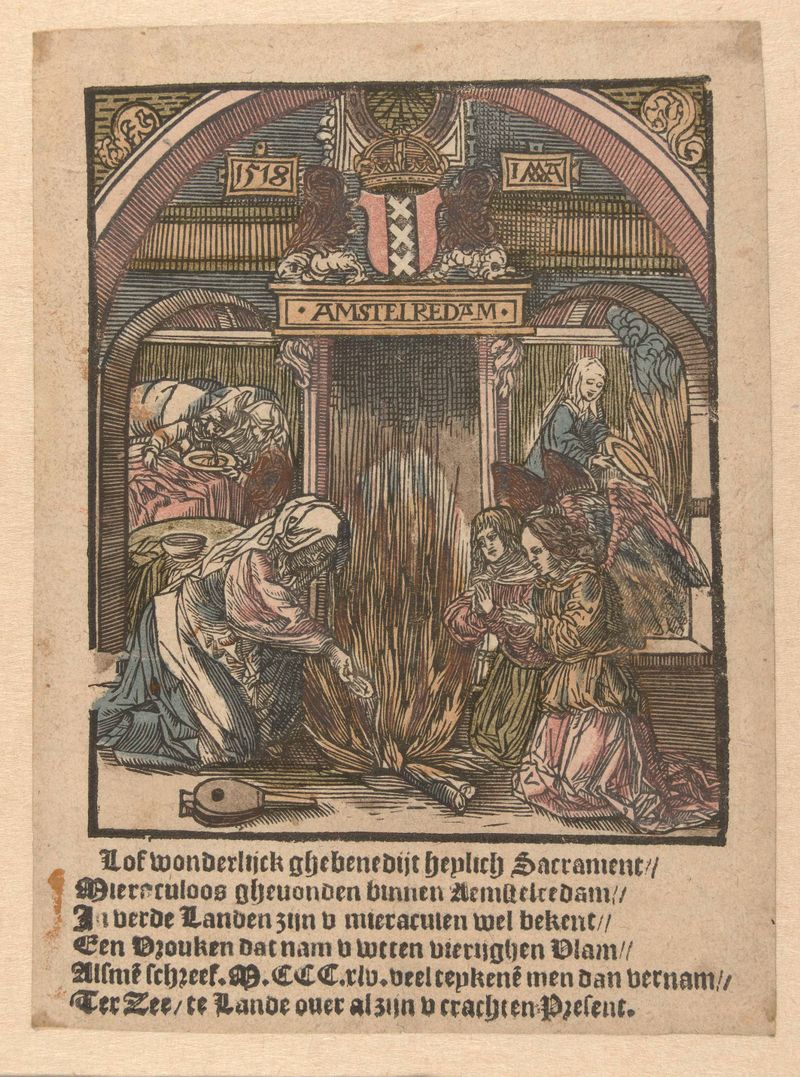
Het hostiewonder van Amsterdam
Jacob Cornelisz van Oostsanen
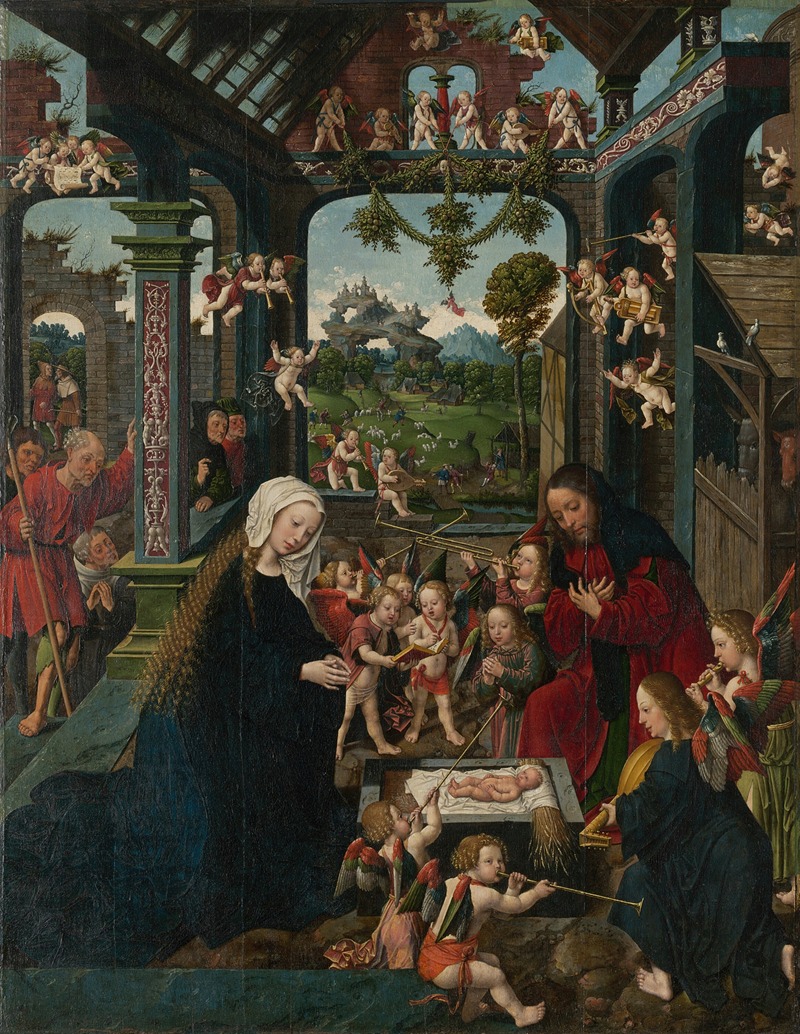
The Adoration of the Christ Child
Jacob Cornelisz van Oostsanen
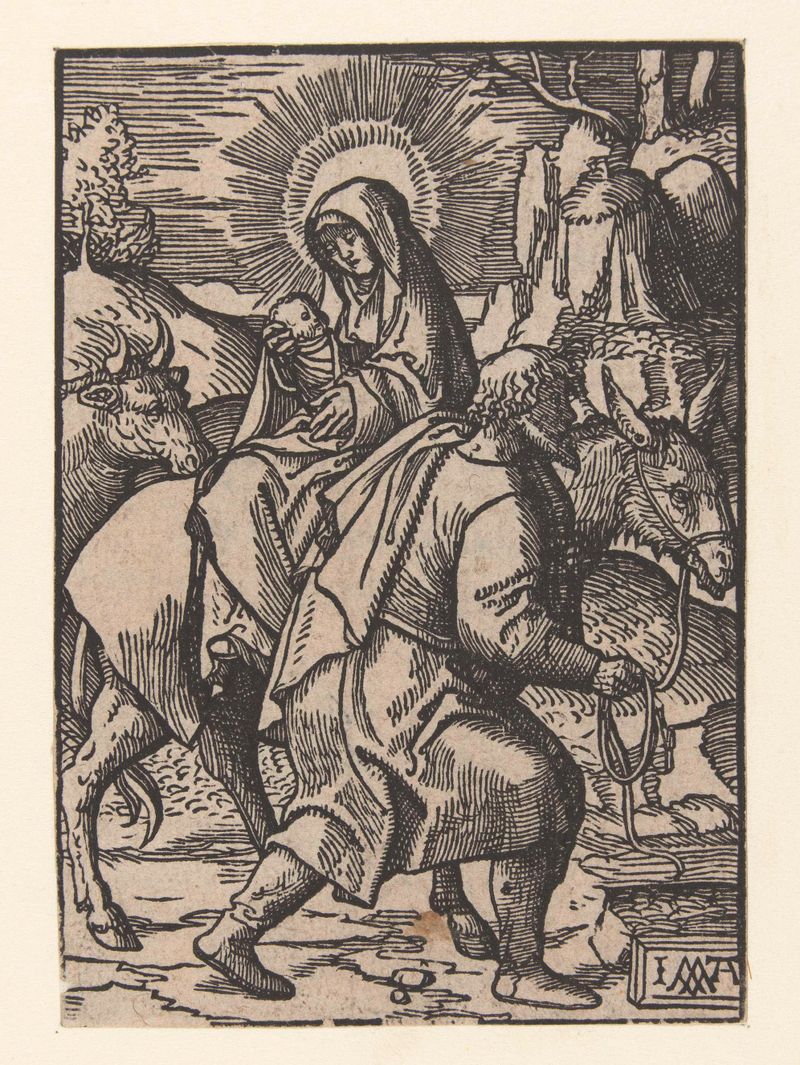
Vlucht naar Egypte
Jacob Cornelisz van Oostsanen
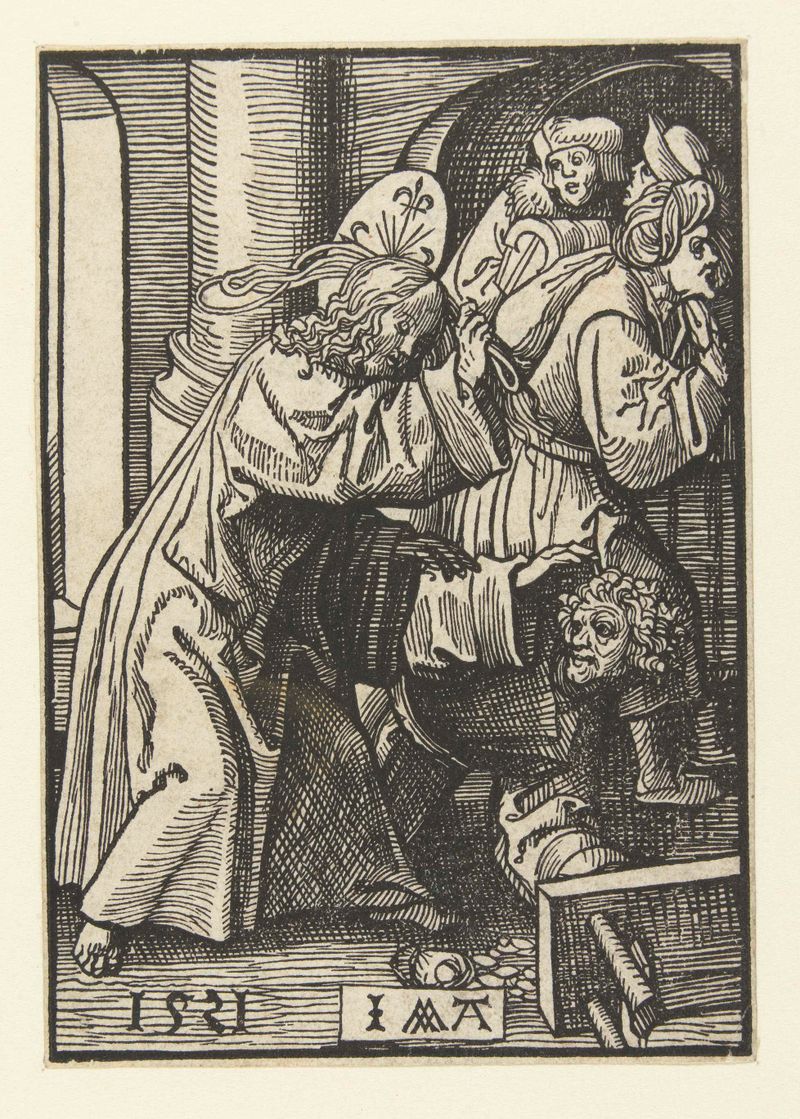
Verdrijving van de handelaren uit de tempel
Jacob Cornelisz van Oostsanen
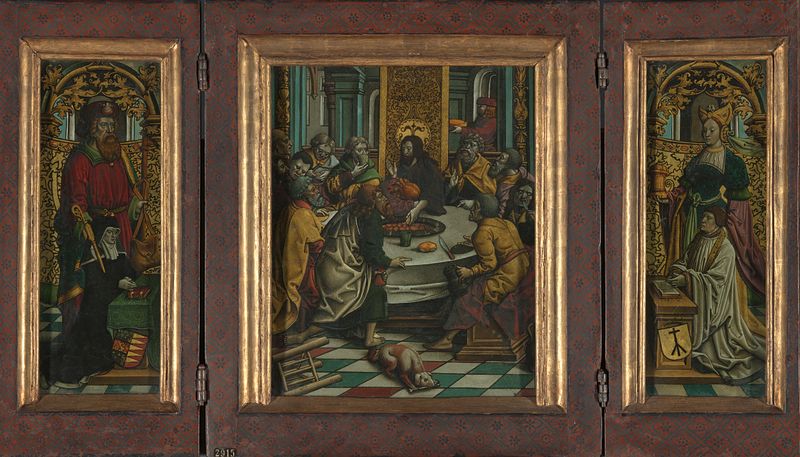
Triptych with the Last Supper and Donors
Jacob Cornelisz van Oostsanen
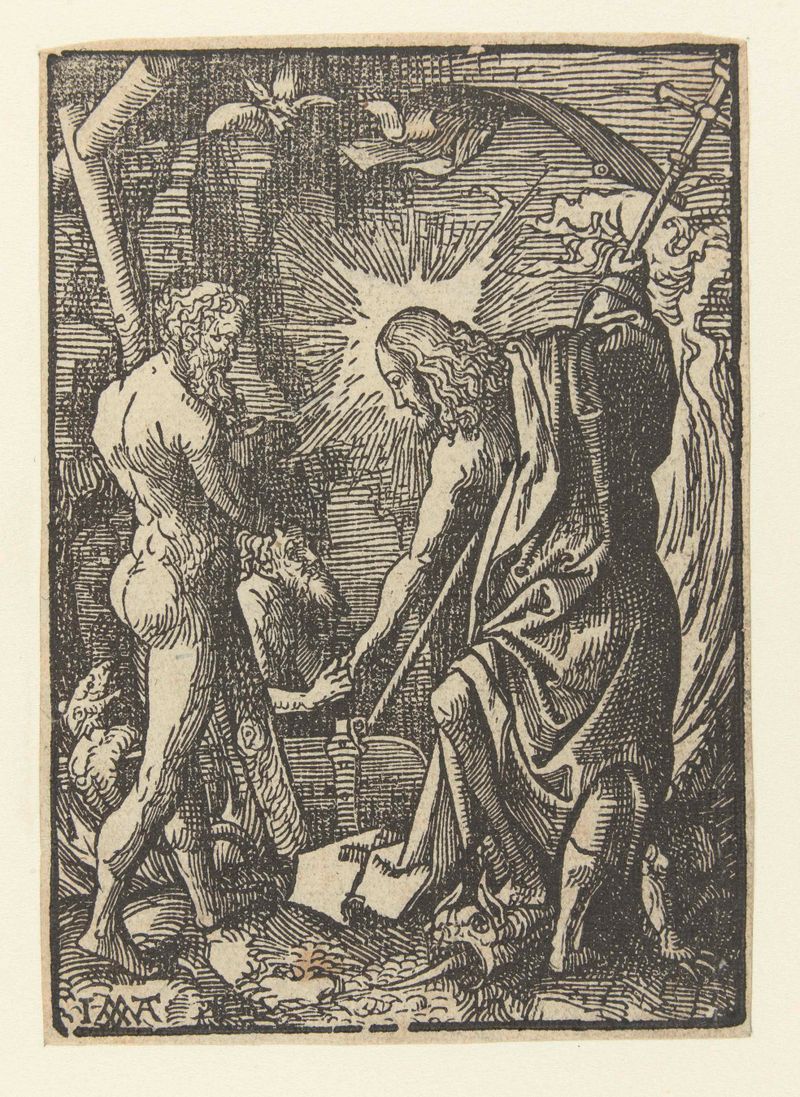
Christus in het voorgeborchte
Jacob Cornelisz van Oostsanen
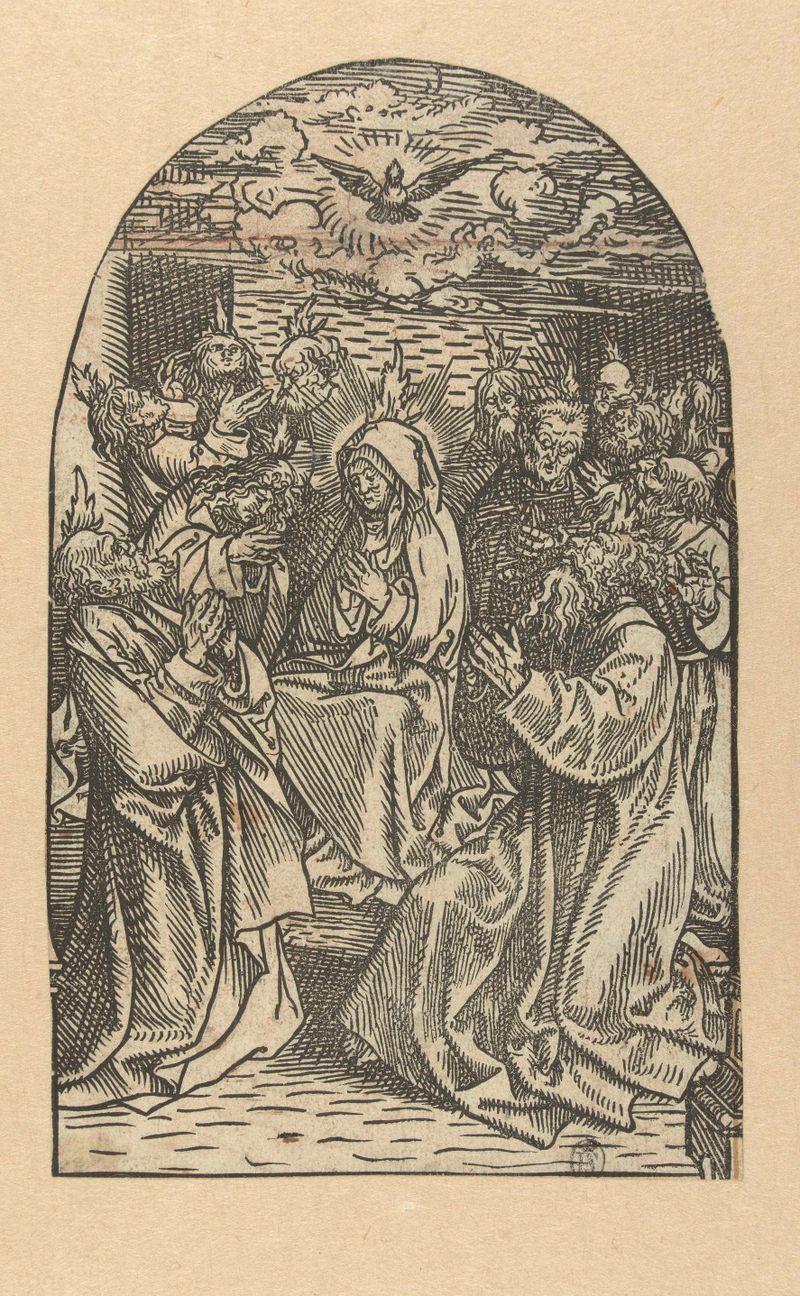
Uitstorting van de Heilige Geest
Jacob Cornelisz van Oostsanen
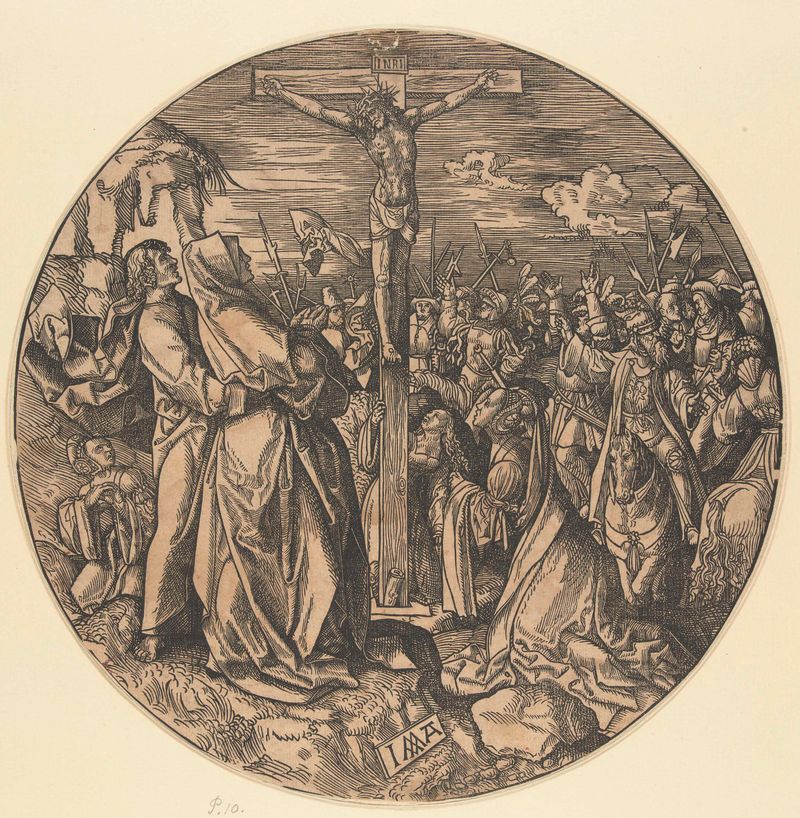
Christus aan het kruis
Jacob Cornelisz van Oostsanen

De kruisiging en de graflegging van Christus
Jacob Cornelisz van Oostsanen
More Religious Art
Browse all →
The Return of the Prodigal Son
Rembrandt van Rijn

The Garden of Earthly Delights
El Bosco

Count Orgaz’ funeral
El Greco

The Hundred Guilder Print: the central piece with Christ preaching, the plate arched
Rembrandt van Rijn

The Descent from the Cross
Rogier van der Weyden

The return of the prodigal son
Rembrandt van Rijn