
Het Laatste Oordeel — History & Facts
Who listens when art speaks of silence? In Het Laatste Oordeel, the weight of grief permeates the canvas, inviting a profound reflection on mortality and the echoes of existence. Look to the center of the composition, where the figures of the resurrected stand in juxtaposition with a turbulent sky. The artist uses muted colors to emphasize the somber undertone, while subtle highlights accentuate the faces of the mourners, capturing their expressions of sorrow and resignation. Notice how the diagonal lines of the bodies lead your gaze toward the heavenly realm, creating a tension between the earthly and the divine, as if they are caught in a moment of both despair and hope. In the details, hidden meanings emerge.
The juxtaposition of the serene angelic beings against the chaotic throng of the damned speaks of the human struggle between salvation and condemnation. The ghostly figures seem to linger, frozen between worlds, reflecting a deep-seated grief for lost souls. This emotional contrast communicates not just the finality of judgement, but also the pain of separation and the universal longing for redemption. Jacob Cornelisz van Oostsanen created this monumental piece in Amsterdam between 1520 and 1521, during a time when the Reformation was reshaping religious thought and artistic expression in Europe.
His work reflects the spiritual anxieties of the era, infused with a distinctive melding of Northern Renaissance detail and spiritual narrative, capturing the somber reality of life and death.
More Artworks by Jacob Cornelisz van Oostsanen
Browse all →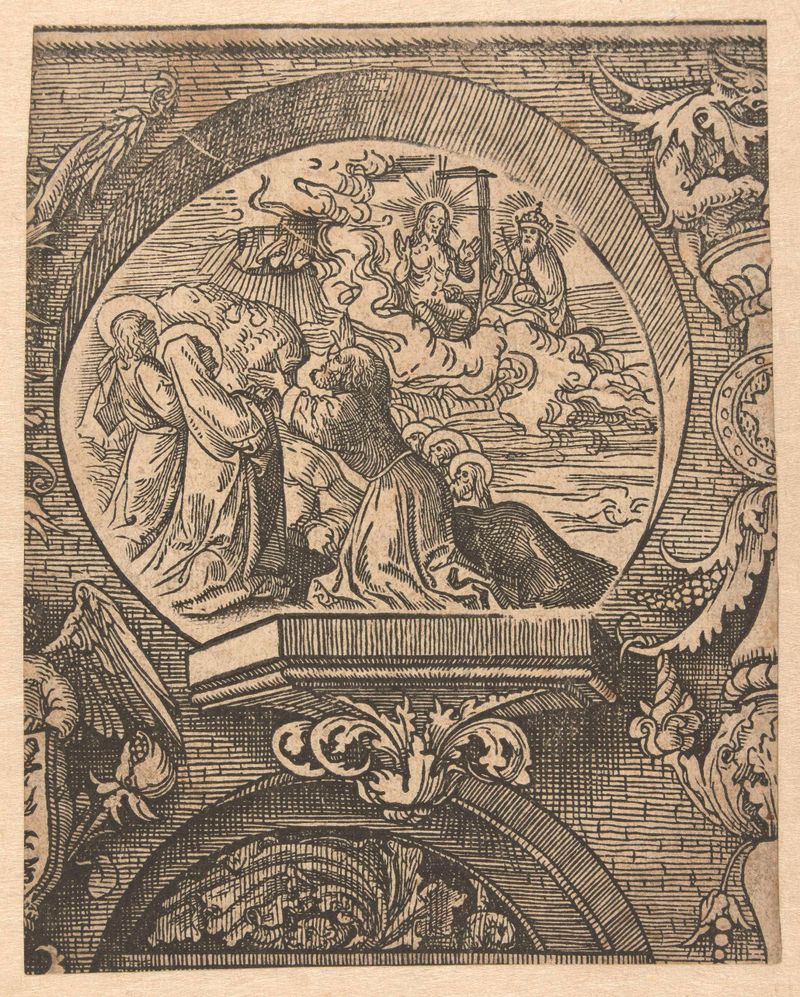
De hemelvaart en Christus voor God de Vader
Jacob Cornelisz van Oostsanen
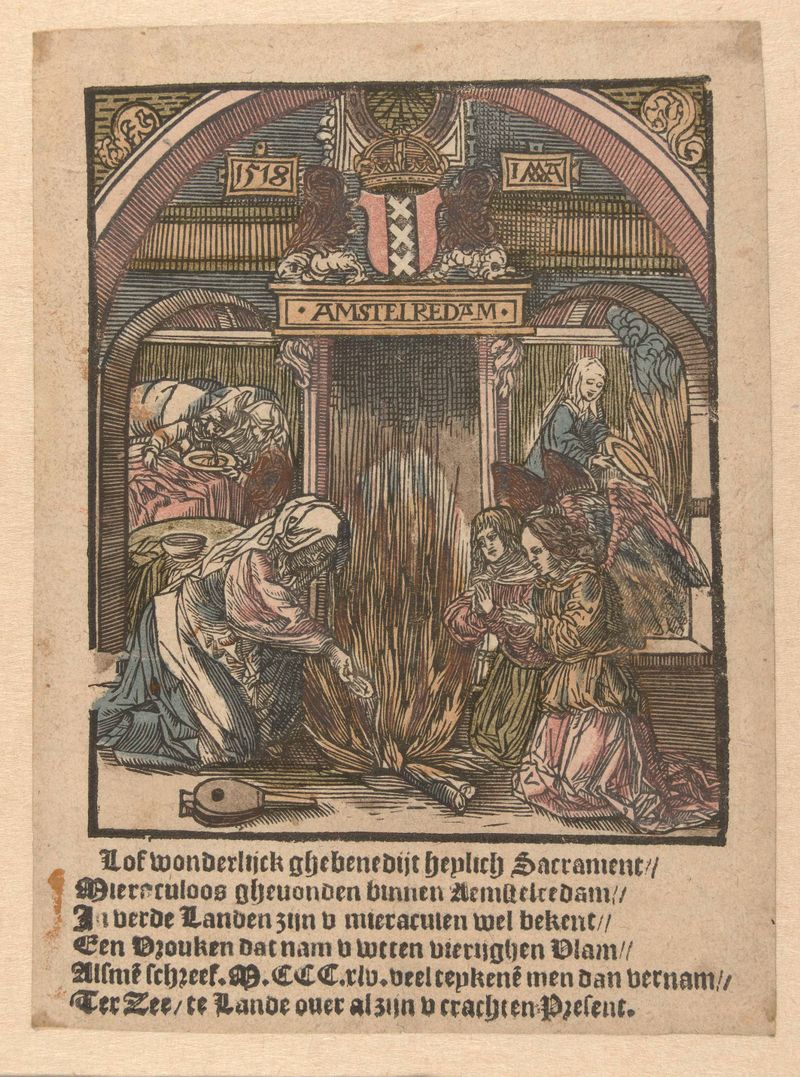
Het hostiewonder van Amsterdam
Jacob Cornelisz van Oostsanen
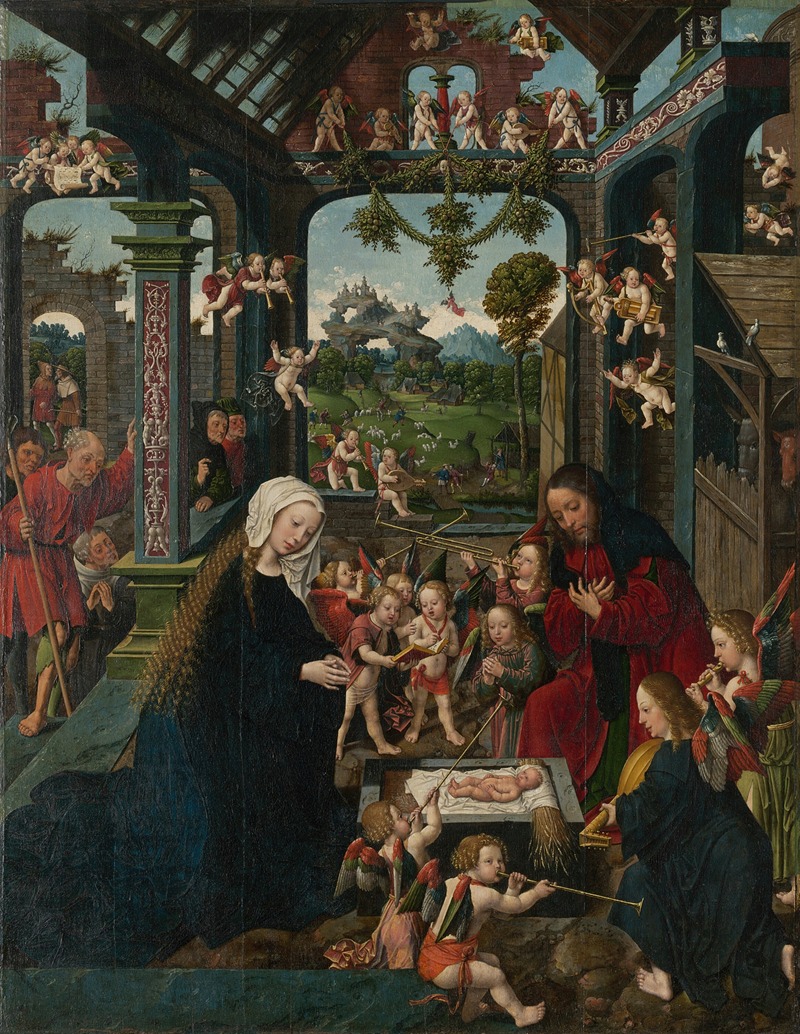
The Adoration of the Christ Child
Jacob Cornelisz van Oostsanen
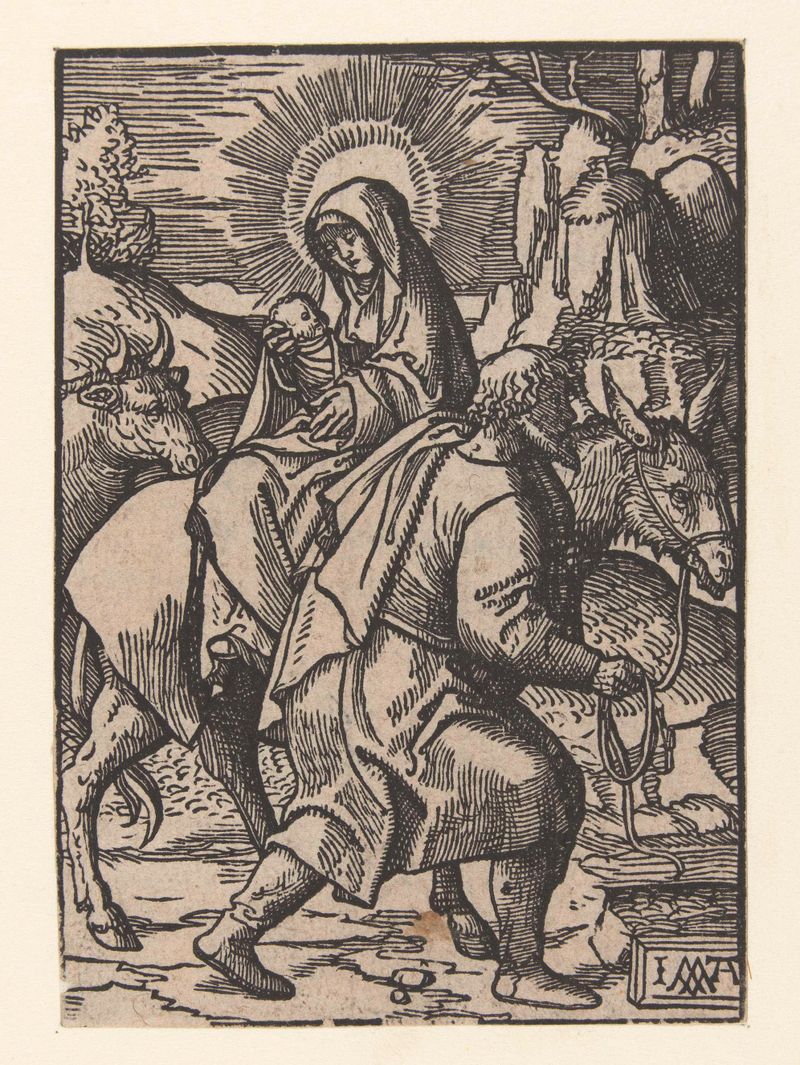
Vlucht naar Egypte
Jacob Cornelisz van Oostsanen
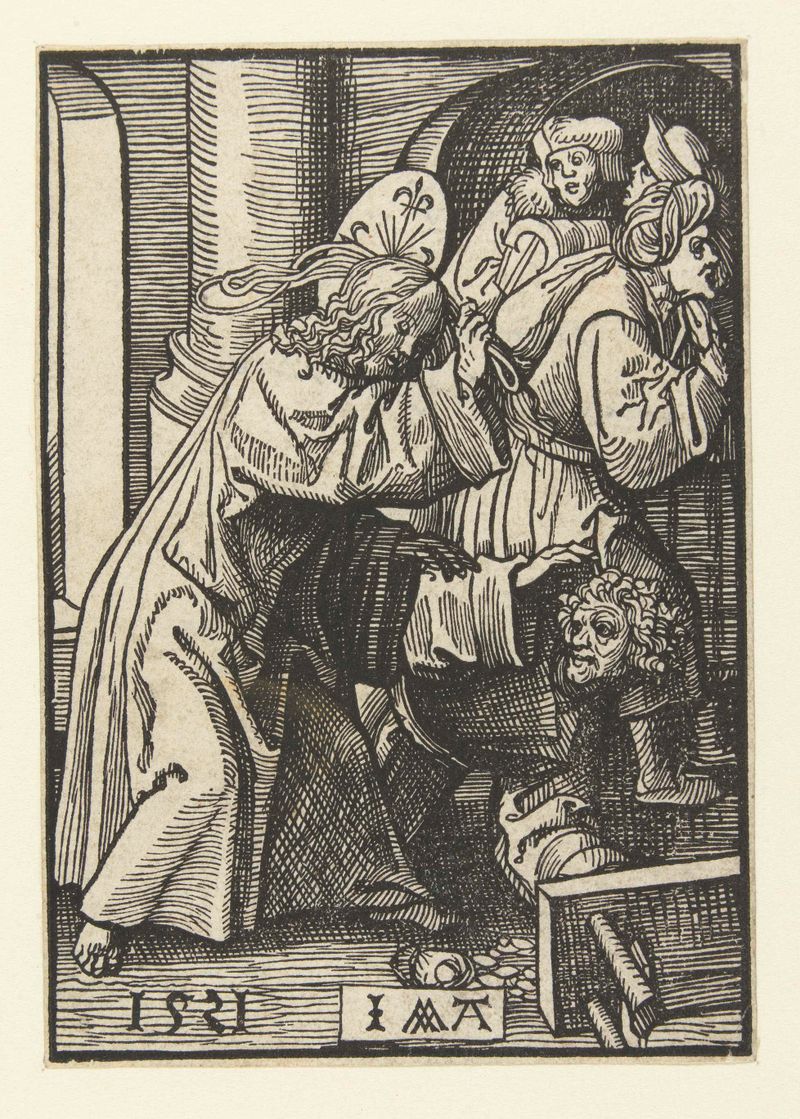
Verdrijving van de handelaren uit de tempel
Jacob Cornelisz van Oostsanen
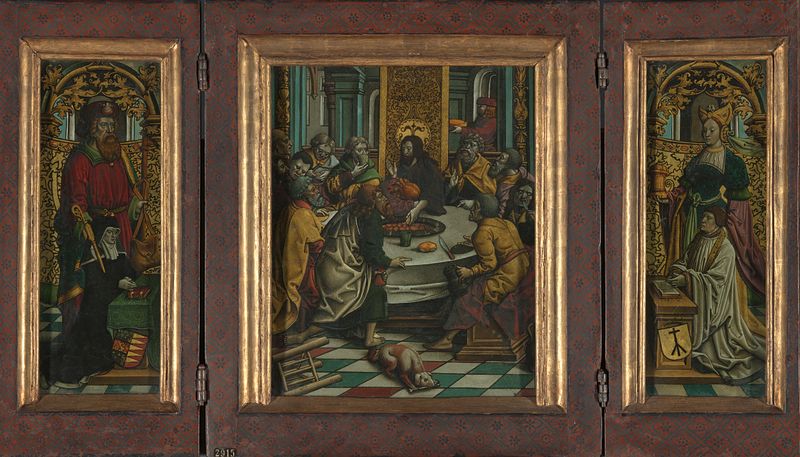
Triptych with the Last Supper and Donors
Jacob Cornelisz van Oostsanen
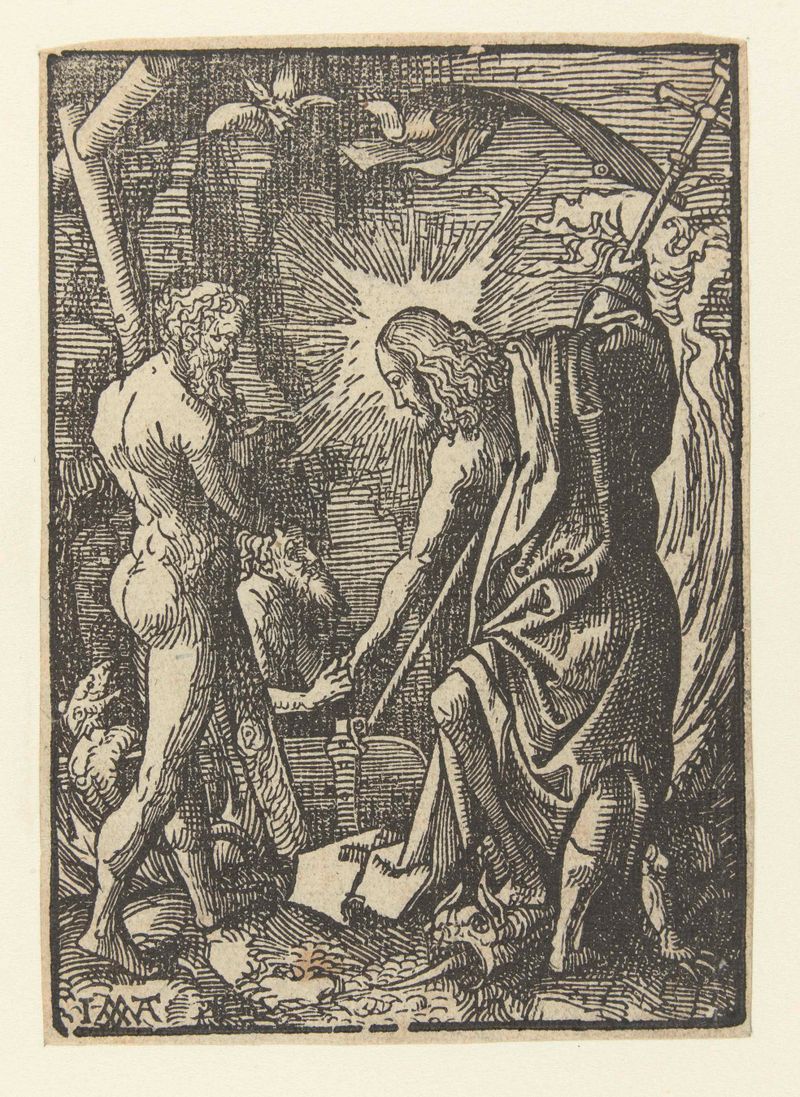
Christus in het voorgeborchte
Jacob Cornelisz van Oostsanen
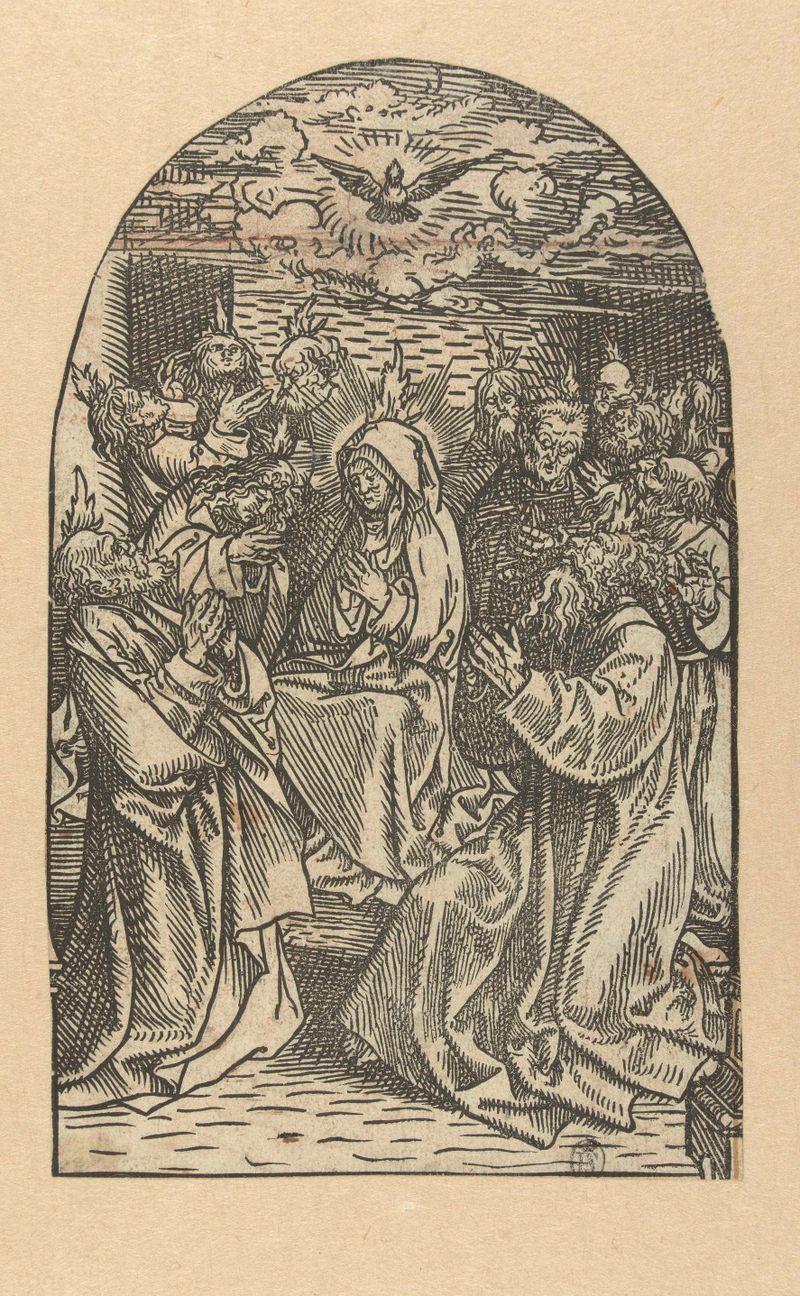
Uitstorting van de Heilige Geest
Jacob Cornelisz van Oostsanen
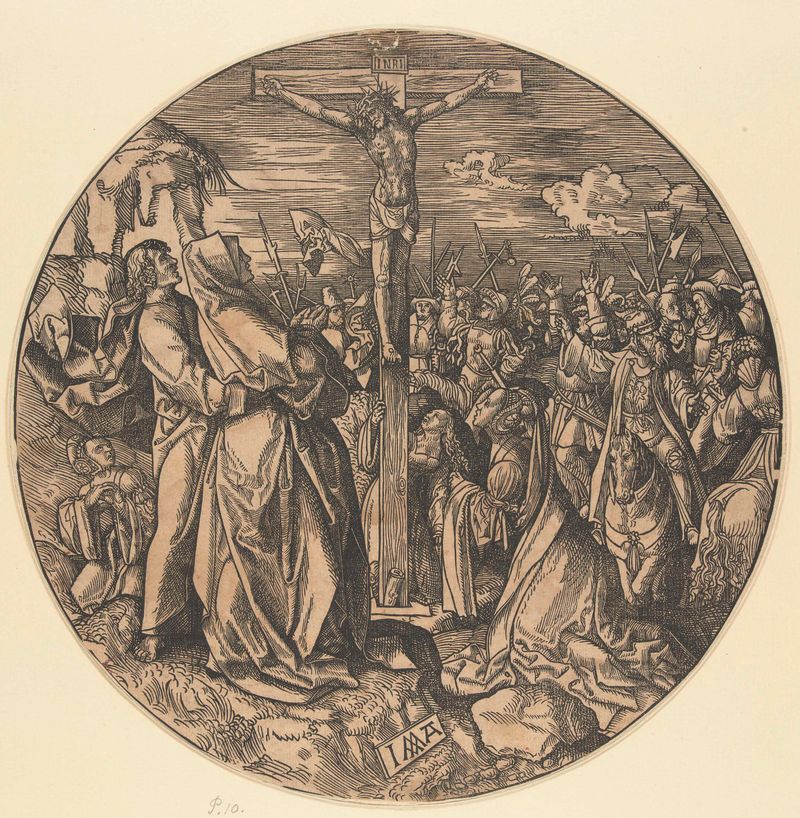
Christus aan het kruis
Jacob Cornelisz van Oostsanen

De kruisiging en de graflegging van Christus
Jacob Cornelisz van Oostsanen
More Religious Art
Browse all →
The Return of the Prodigal Son
Rembrandt van Rijn

The Garden of Earthly Delights
El Bosco

Count Orgaz’ funeral
El Greco

The Hundred Guilder Print: the central piece with Christ preaching, the plate arched
Rembrandt van Rijn

The Descent from the Cross
Rogier van der Weyden

The return of the prodigal son
Rembrandt van Rijn