Het wapen van de Dood — History & Facts
Can paint confess what words never could? In the intricate etching Het wapen van de Dood, the absence of vibrancy speaks louder than any palette could. Focus first on the grim figure of Death, cloaked in shadows and wielding a skeletal weapon. Notice how the sharp lines of the scythe contrast with the softness of the surrounding elements, creating a haunting dialogue between life and desolation. The muted tones envelop the composition, inviting an examination of the somber reality lurking beneath the surface, while delicate details reveal Hollar's masterful technique and meticulous attention to form. The interplay of light and darkness here reveals more than just a representation of mortality; it evokes the emptiness felt in the face of inevitable fate.
The scattered objects at the base might symbolize life's fleeting pleasures, now overshadowed by the dominating presence of Death. Each item—barely more than silhouettes—serves as a reminder of what is lost, amplifying the emotional weight of the work. In 1651, Wenceslaus Hollar created this etching during a turbulent period in Europe, marked by war and political unrest. Living in London after fleeing the Thirty Years' War, his experiences influenced the somber themes that permeate his works.
At this time, the art world was also grappling with the transition from the Baroque to a more restrained style, making this piece a poignant reflection of both personal and societal anxieties.
More Artworks by Wenceslaus Hollar
Browse all →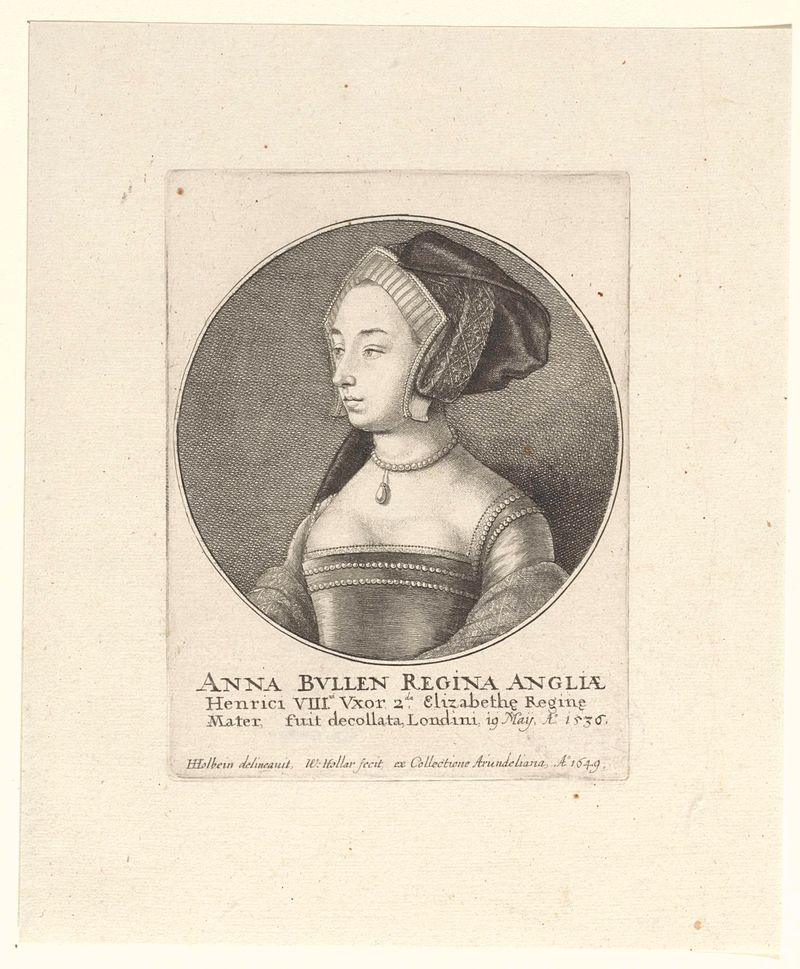
Portret van Anna Boleyn, koningin van Engeland
Wenceslaus Hollar
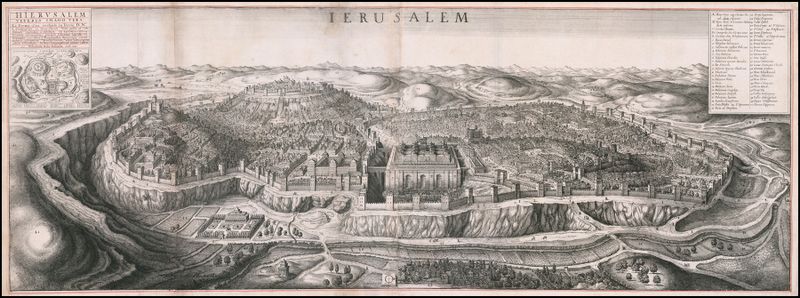
Bird’s eye view of Jerusalem
Wenceslaus Hollar
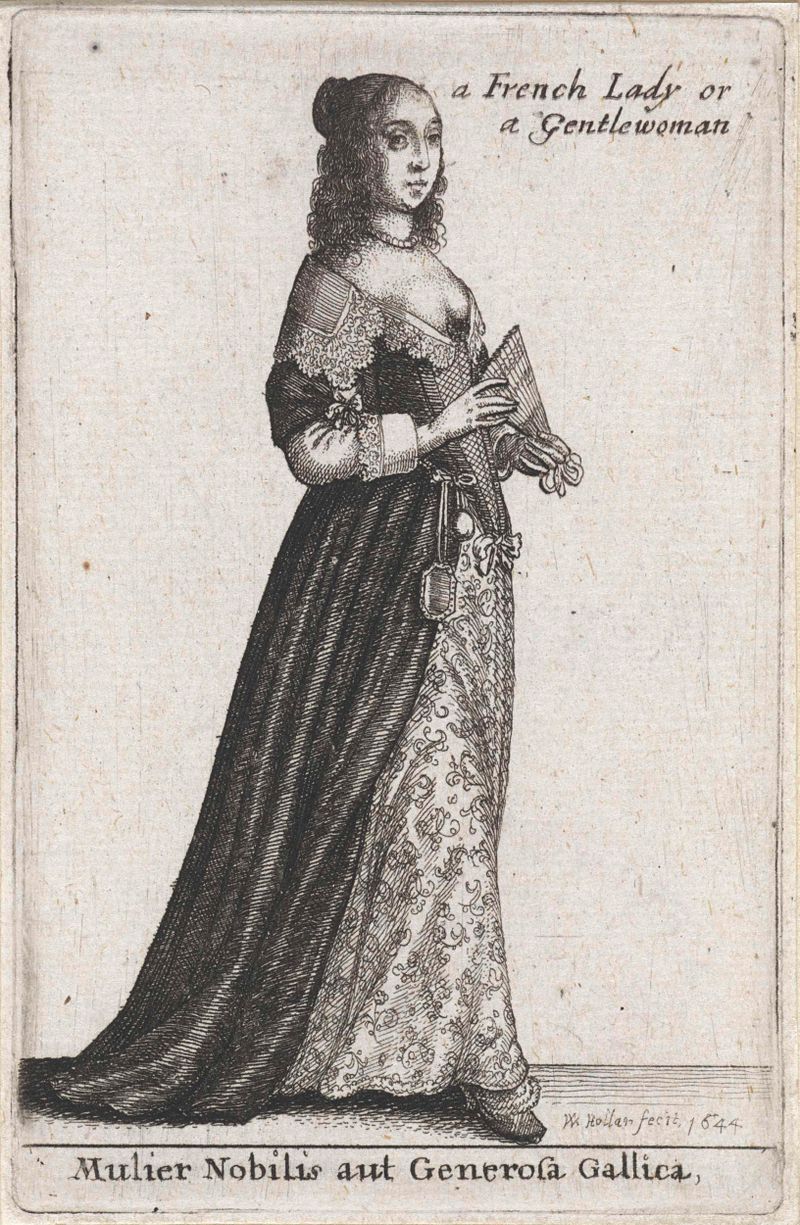
Mulier Nobilis aut Generosa Gallica / a French Lady or Gentlewoman
Wenceslaus Hollar
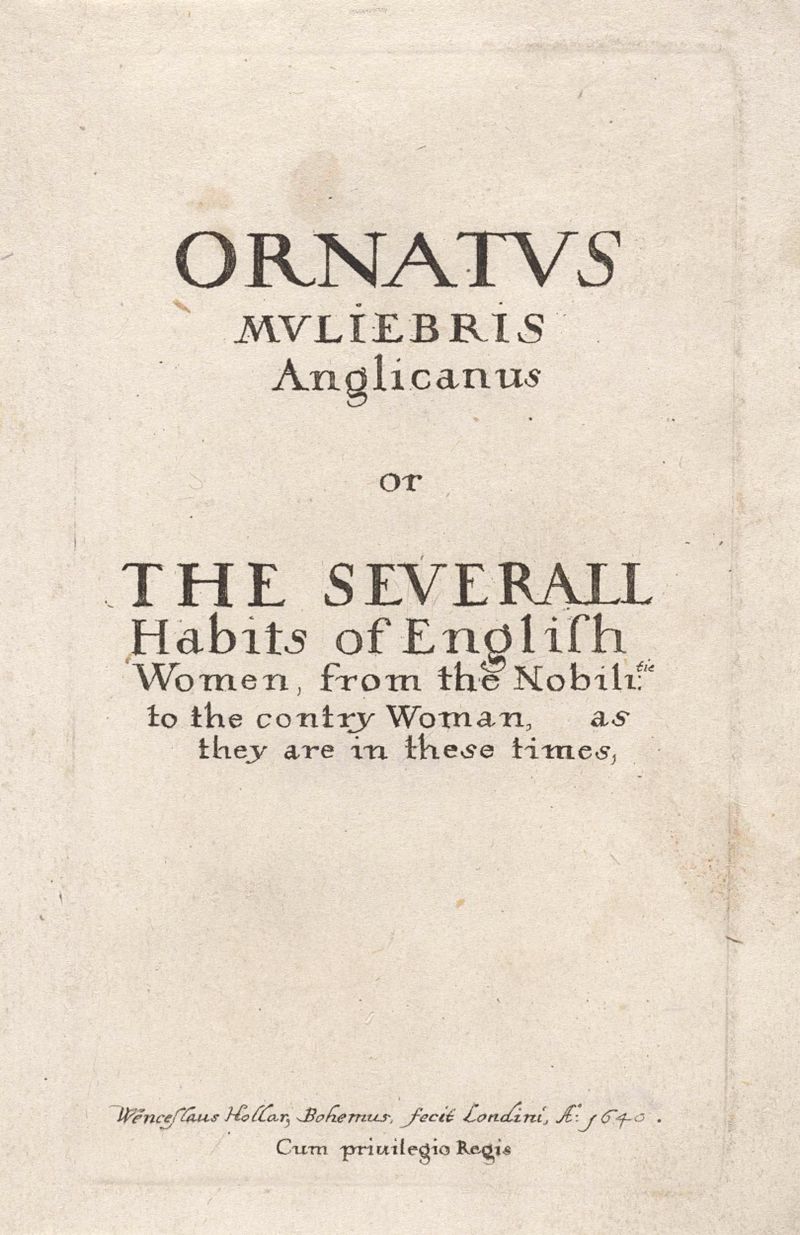
Titelprent voor: Ornatus Muliebris Anglicanus
Wenceslaus Hollar
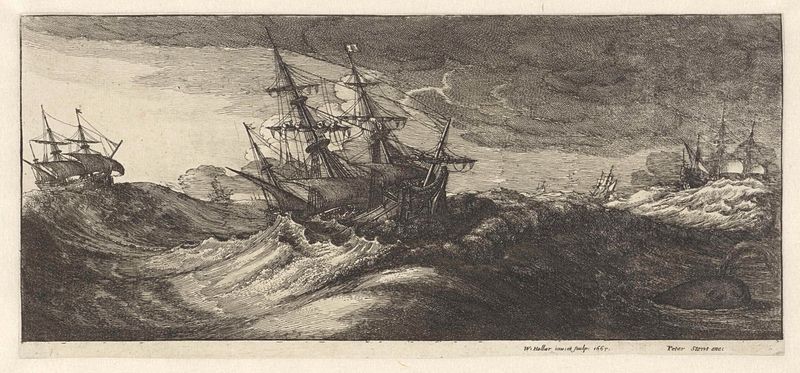
Oorlogsschepen en een walvis in een zeestorm
Wenceslaus Hollar
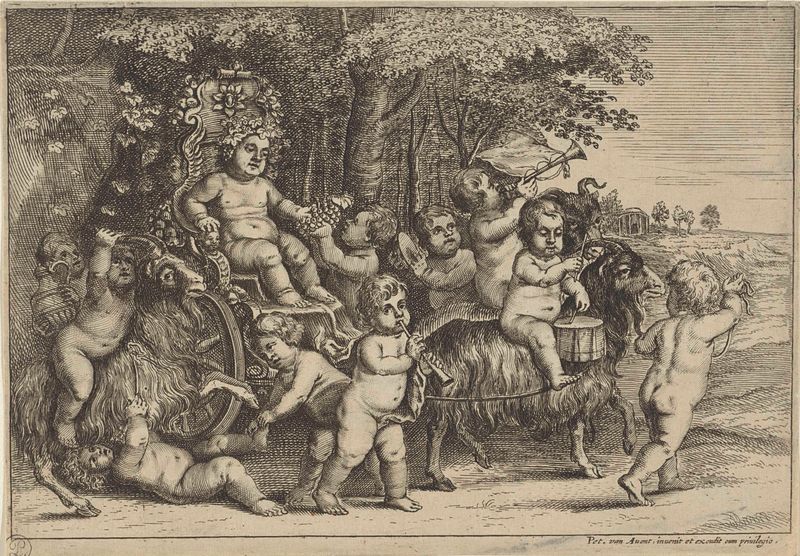
Optocht van bacchant en jongetjes op geiten
Wenceslaus Hollar
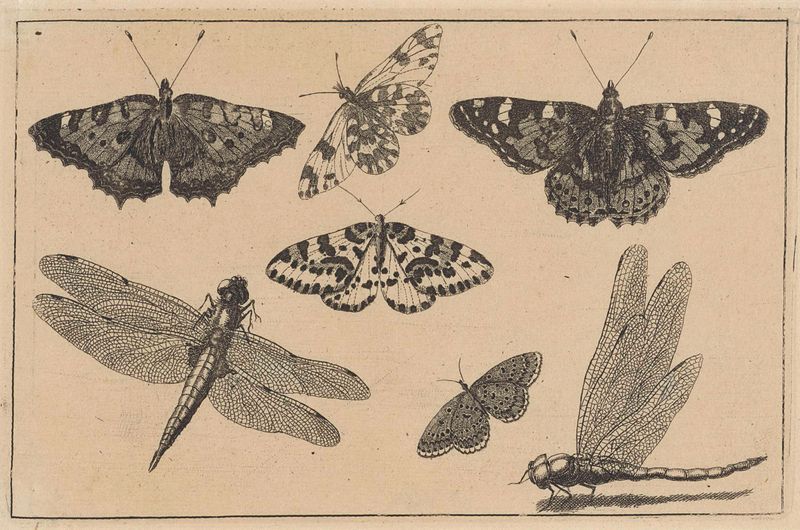
Twee libellen en vijf vlinders
Wenceslaus Hollar
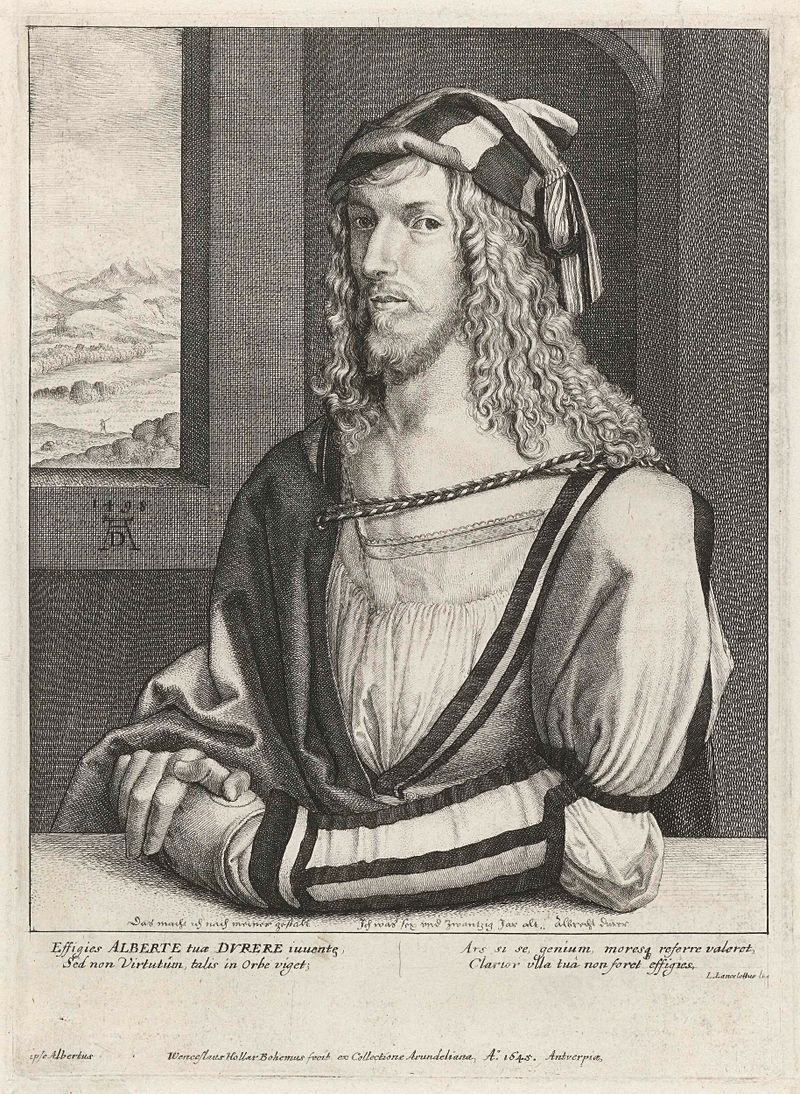
Portret van Albrecht Dürer
Wenceslaus Hollar
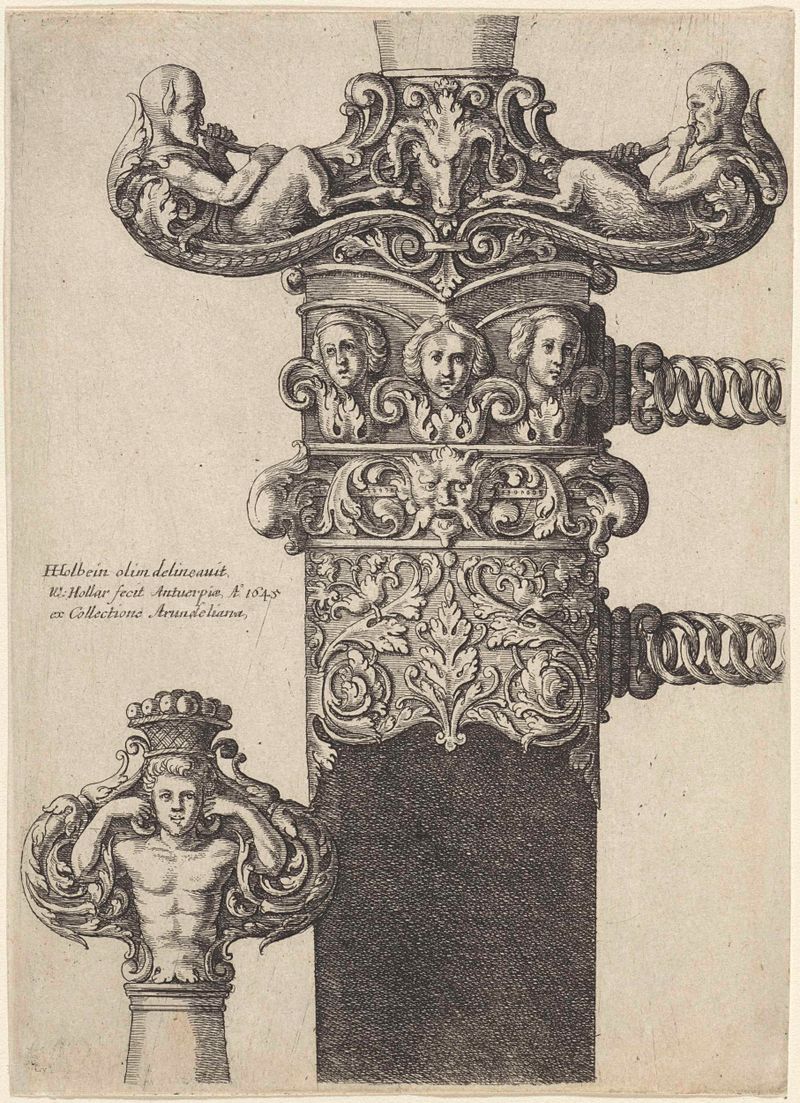
Ornamenteel ontwerp voor een dolk
Wenceslaus Hollar
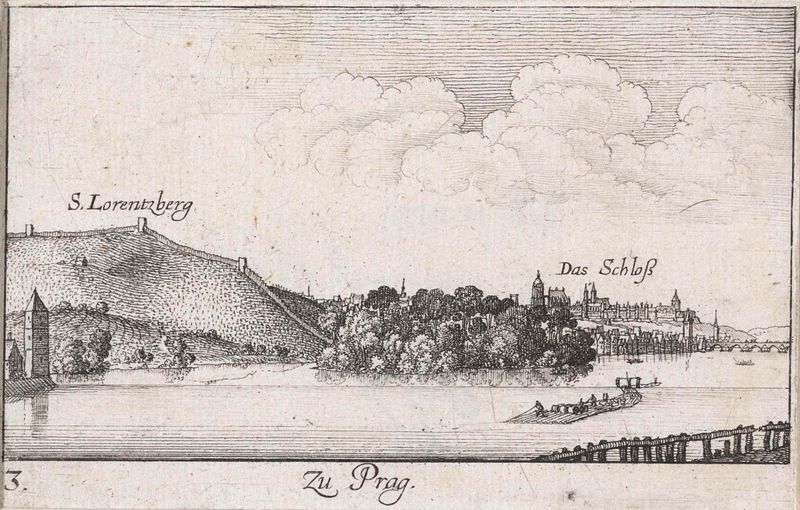
Gezicht op Praag vanaf de Moldau
Wenceslaus Hollar