Hexi — History & Facts
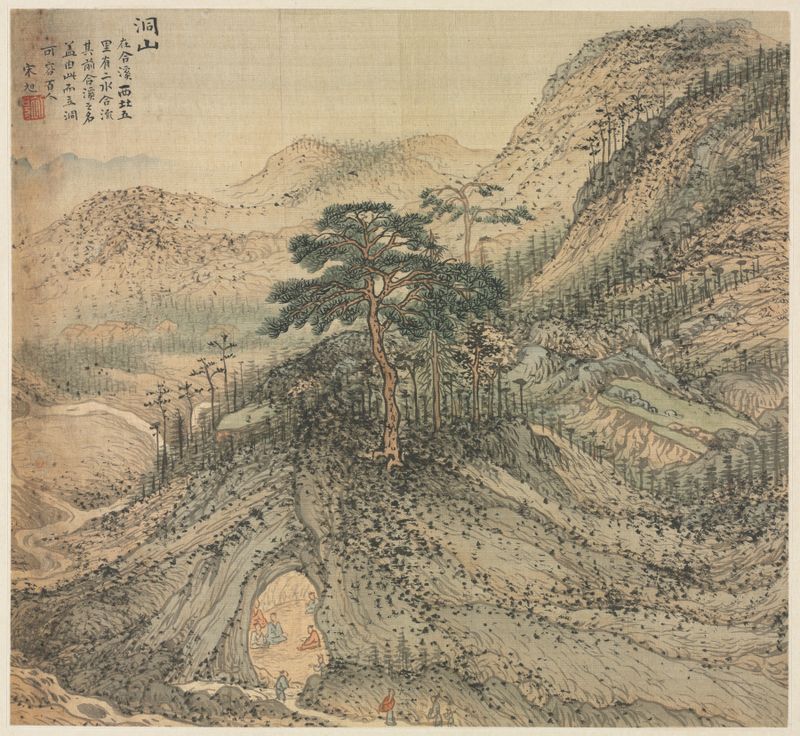
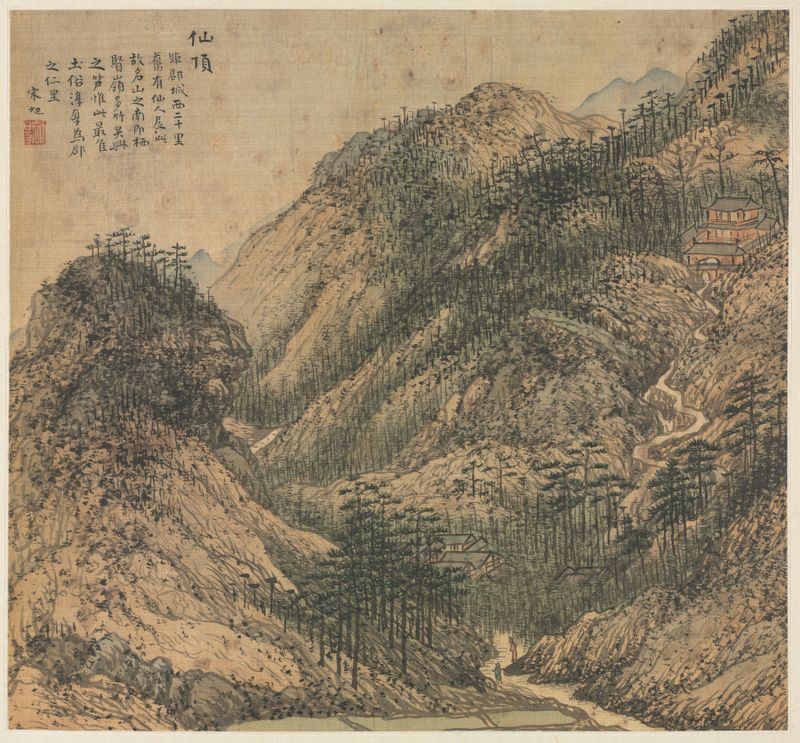
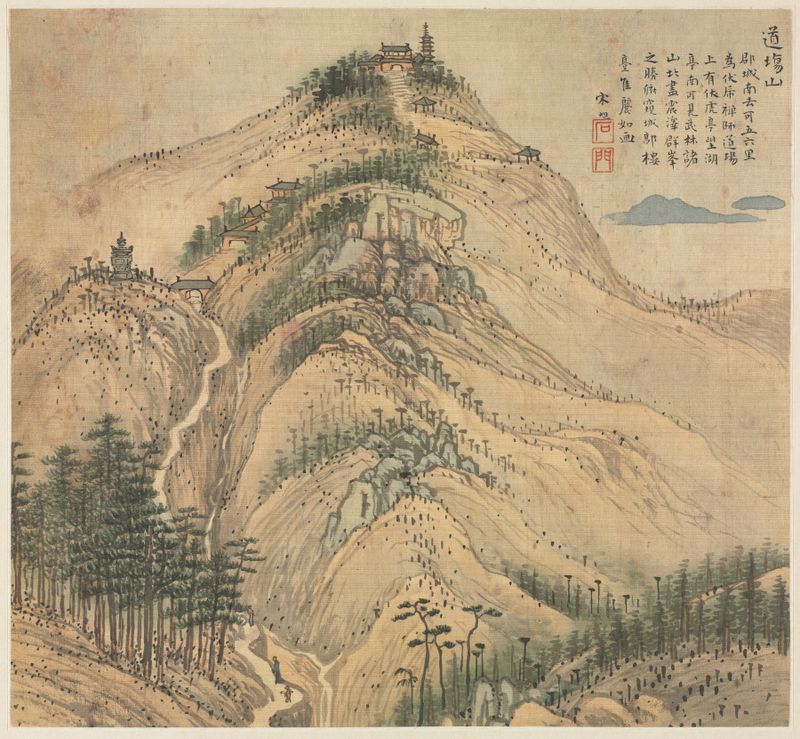
In the intricate depths of Hexi, a profound journey of rebirth unfolds, inviting the viewer to explore the balance between life’s fragility and its resilience. Begin by focusing on the delicate patterns interwoven throughout the composition. Notice how vibrant reds and deep blues dance harmoniously, each stroke meticulously placed to embody movement and transformation. Pay attention to the intricate details—tiny blossoms, swirling forms—that call forth the idea of renewal.
The artist's choice of color and rhythm creates a dynamic interplay that suggests life teetering on the edge of stillness and action. Delve deeper into the symbolism at play. The flowing lines evoke water, hinting at purification and the cycle of nature, while the overlay of textures hints at the complexity of human emotions—joy intertwined with sorrow. This juxtaposition creates an emotional tension that resonates with the viewer, igniting an understanding of rebirth in both personal and universal contexts.
The harmonious chaos captures the essence of existence, where every end leads to a new beginning. Crafted in 1588, this work emerged during a significant period in Song Xu’s life, marked by a burgeoning interest in depicting themes of transformation in the wake of political and social upheaval. Living in the late Ming Dynasty, he channeled the era's shifting dynamics into his art, pushing boundaries and exploring the relationship between nature and the human experience. This was a time when artists sought to express the complexities of their world through new lenses, and Hexi stands as a testament to that exploration.