
Hiver Dans La Foret — History & Facts
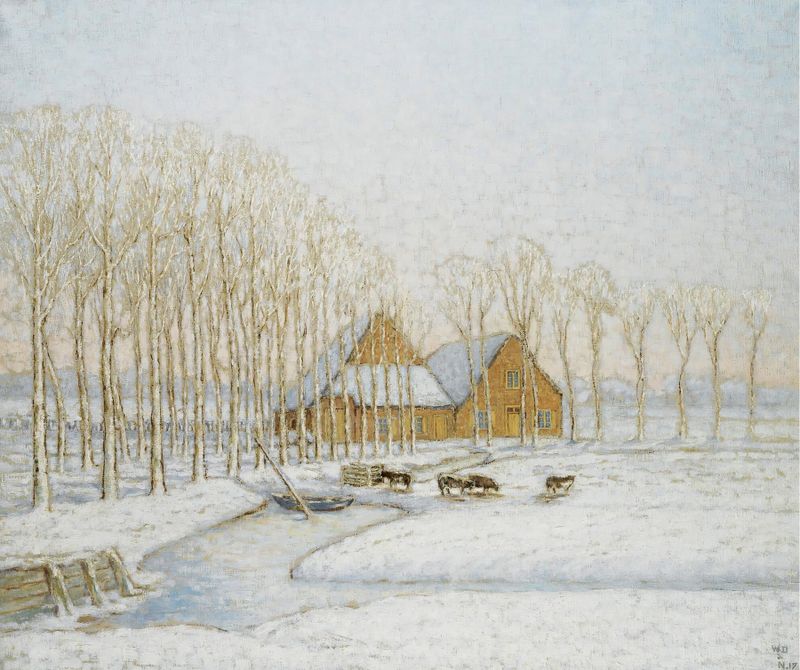
In the quietude of winter, where the snow blankets the world, grief whispers through the trees, weaving itself into the very fabric of the landscape. The stillness becomes a poignant reminder of absence, a chill that lingers longer than the frost. Look to the center, where the towering silhouettes of the trees loom with a somber grace. The muted palette of blues and whites invites you to explore the thoughtful interplay of light and shadow.
Notice how the delicate touches of gray in the snow create a textured surface, almost as if the ground itself is sighing under the weight of remembrance. Each brushstroke holds a stillness that speaks to the heart, evoking an emotional depth that extends beyond the visual. As you delve deeper, observe how the gentle curve of a fallen branch mimics the bowed heads of those mourning. The contrast between the stark winter landscape and the softness of the light suggests a fragile hope amidst sorrow.
The faint traces of twilight hint at the inevitable return of warmth, yet for now, the scene remains frozen in a moment of reflection, caught between despair and the promise of renewal. In 1912, the artist crafted this piece during a period of great introspection, where personal loss and the evolving art world shaped his vision. Living in a time when Symbolism was transitioning into Modernism, he embraced emotional expression, allowing nature to echo the complexities of the human soul. The painting serves as a testament to both a personal journey and the broader artistic movements that sought to capture the unseen depths of human experience.
More Artworks by William Degouve de Nuncques
Browse all →
Nocturn in the Parc Royal, Brussels
William Degouve de Nuncques

La Grotte Du Drac, Manacor
William Degouve de Nuncques
De dageraad
William Degouve de Nuncques
Paysage Bruxellois
William Degouve de Nuncques
Paysage D’hiver
William Degouve de Nuncques

Les flamands blancs
William Degouve de Nuncques
Côte Aux Baléares (Majorque, Cala San Vicente)
William Degouve de Nuncques

Snow landscape
William Degouve de Nuncques
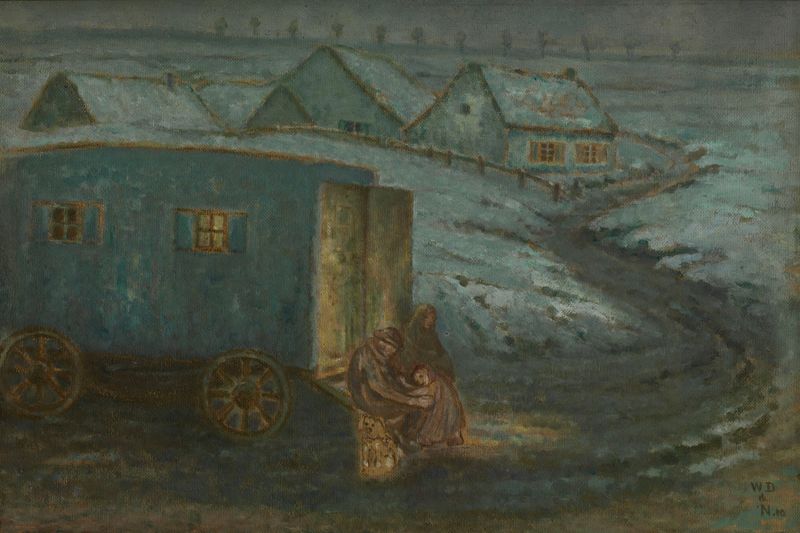
The Caravan
William Degouve de Nuncques
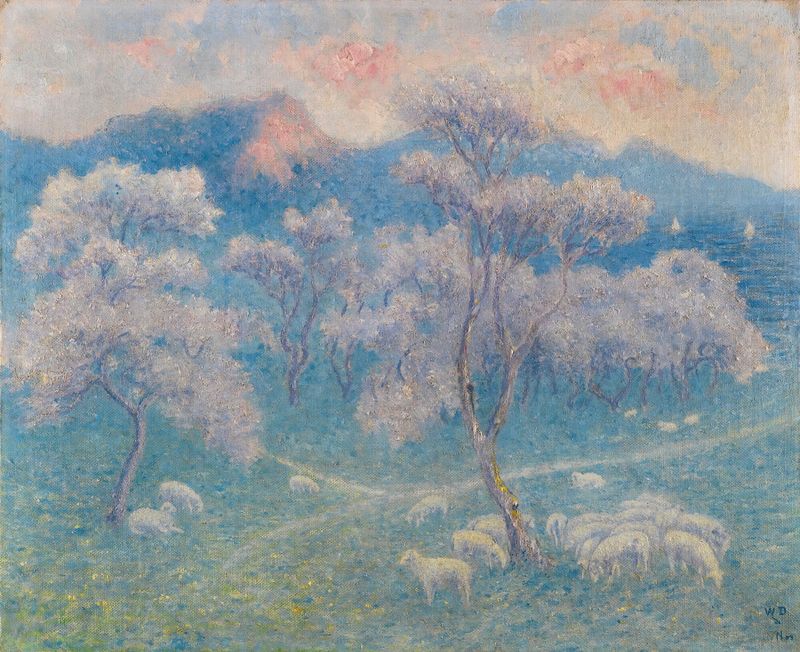
Moutons Aux Amandiers
William Degouve de Nuncques





