Les flamands blancs — History & Facts
Could beauty survive in a century of chaos? This question reverberates through Les flamands blancs, an exquisite exploration of serenity amidst the tumult of early 20th-century life. Focus on the vibrant interplay of color—the rich reds and deep greens embracing the canvas. Notice how the pointed beaks of the flamingos cut through the still water, their reflections creating a delicate dance of light and shadow. The brushstrokes are fluid yet precise, embodying the tension between the harshness of reality and the softness of nature's beauty.
There’s a stillness here, inviting viewers to linger over each detail—the subtle ripples of water and the elegant arch of the birds' necks that highlight the grace in their postures. Delve deeper into the painting's emotional resonance. The flamingos, poised in their tranquil environment, symbolize resilience and elegance, evoking a sense of peace that contrasts sharply with the chaotic world outside the frame. The lush greenery surrounding them serves as a sanctuary, a reminder of nature's ability to thrive even when the encroaching shadows of industrialization loom on the horizon.
Through these elements, the artwork becomes a meditation on the passage of time—how beauty can both persist and transform amid shifting realities. In 1905, the artist was navigating the complexities of a rapidly changing society, marked by modernity's advancements and the challenges they brought. Living in Belgium, amid a blossoming art scene, he sought to capture moments of tranquility in a world teetering on the edge of upheaval. This piece reflects not only his artistic vision but also a universal yearning for beauty that transcends time and turmoil, resonating deeply within the hearts of its viewers.
More Artworks by William Degouve de Nuncques
Browse all →
Nocturn in the Parc Royal, Brussels
William Degouve de Nuncques

La Grotte Du Drac, Manacor
William Degouve de Nuncques
De dageraad
William Degouve de Nuncques
Paysage Bruxellois
William Degouve de Nuncques
Paysage D’hiver
William Degouve de Nuncques

Hiver Dans La Foret
William Degouve de Nuncques
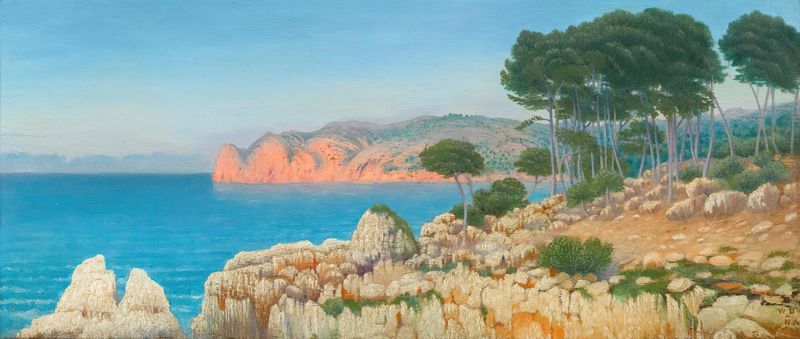
Côte Aux Baléares (Majorque, Cala San Vicente)
William Degouve de Nuncques

Snow landscape
William Degouve de Nuncques
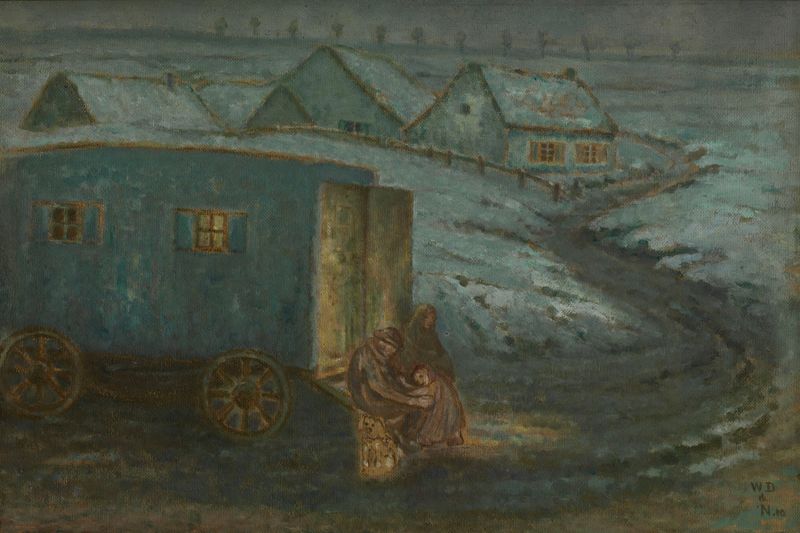
The Caravan
William Degouve de Nuncques
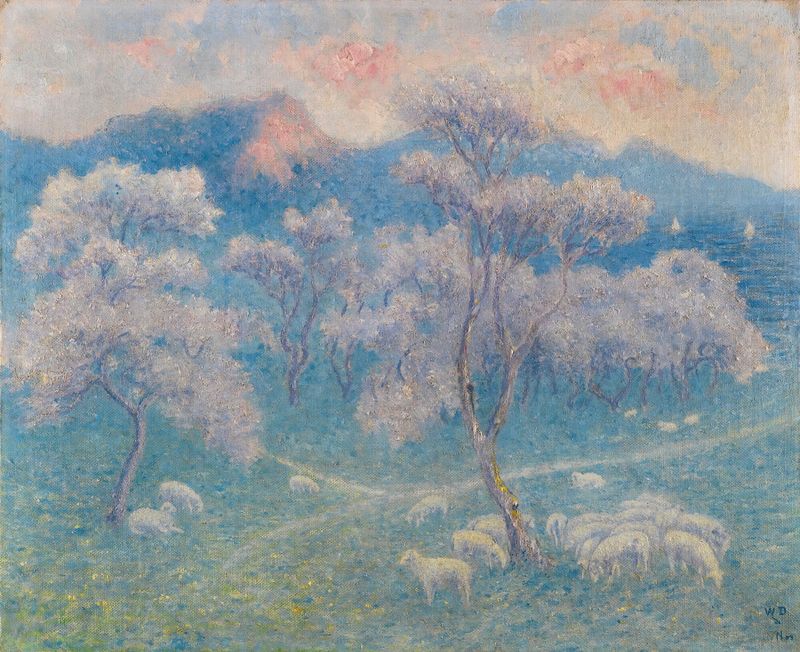
Moutons Aux Amandiers
William Degouve de Nuncques