
La Grotte Du Drac, Manacor — History & Facts
Is this a mirror — or a memory? In La Grotte Du Drac, Manacor, the interplay of light and shadow beckons the viewer to peer deeper into the recesses of both the cave and the mind. Focus first on the radiant beams cascading through the crevices above, illuminating the interior with a gentle glow that dances across the rocky formations. The delicate application of paint creates a textured surface that captivates, while the warm hues contrast with the cool shadows, inviting contemplation on the nature of light itself. The composition draws you in, as if the cave is a portal to another world, one that is both serene and filled with untold stories. As you take in the artwork, note the subtle interplay of natural elements — the stalactites, stalagmites, and the reflected light on the water below.
Each droplet seems frozen in time, crystallizing the stillness of the cave's atmosphere. Here, one could interpret a dichotomy between the tranquil beauty of nature and the enigmatic darkness lurking just beyond the light. This balance speaks to our own human experience — the coexistence of clarity and ambiguity in our memories. William Degouve de Nuncques created this piece in 1901, during a period of artistic transition in Paris.
The artist, influenced by the Symbolist movement, was exploring themes of light and nature, striving to depict emotion through his studies of color and form. At this time, he was seeking a unique voice amidst the burgeoning modern art scene, and La Grotte Du Drac, Manacor reflects his dedication to capturing the mysterious charm of landscapes intertwined with the human psyche.
More Artworks by William Degouve de Nuncques
Browse all →
Nocturn in the Parc Royal, Brussels
William Degouve de Nuncques
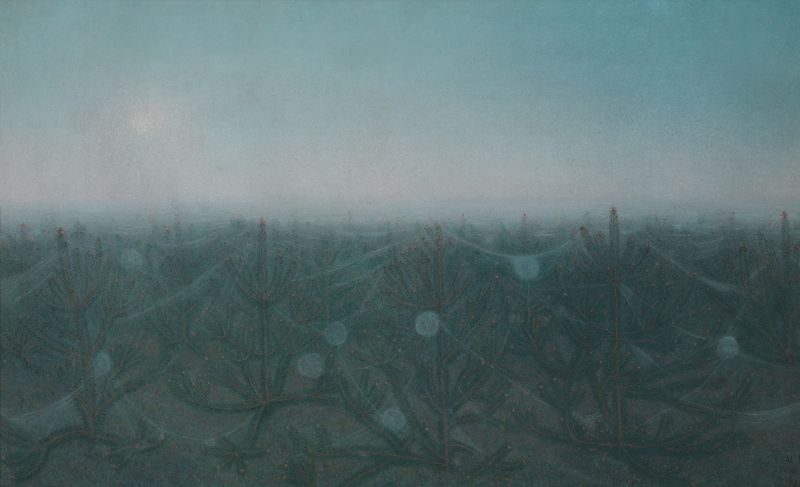
De dageraad
William Degouve de Nuncques
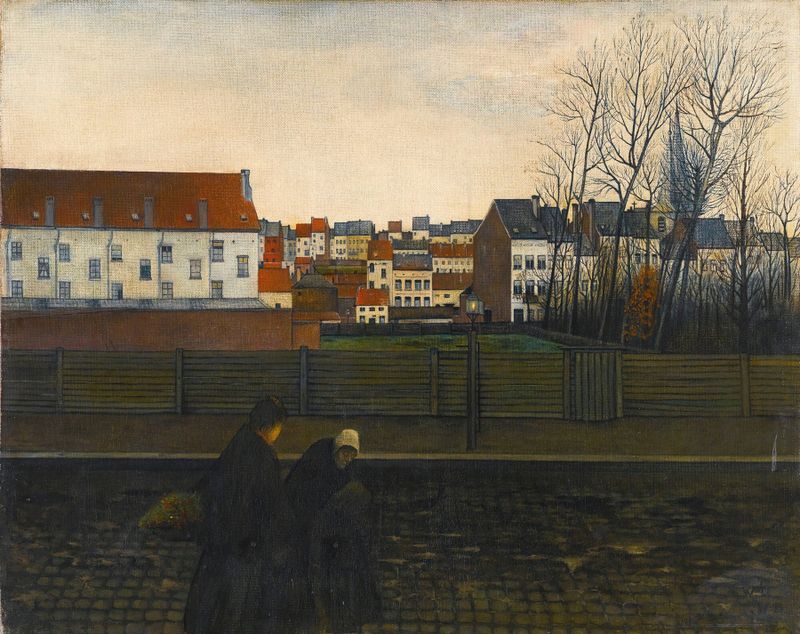
Paysage Bruxellois
William Degouve de Nuncques
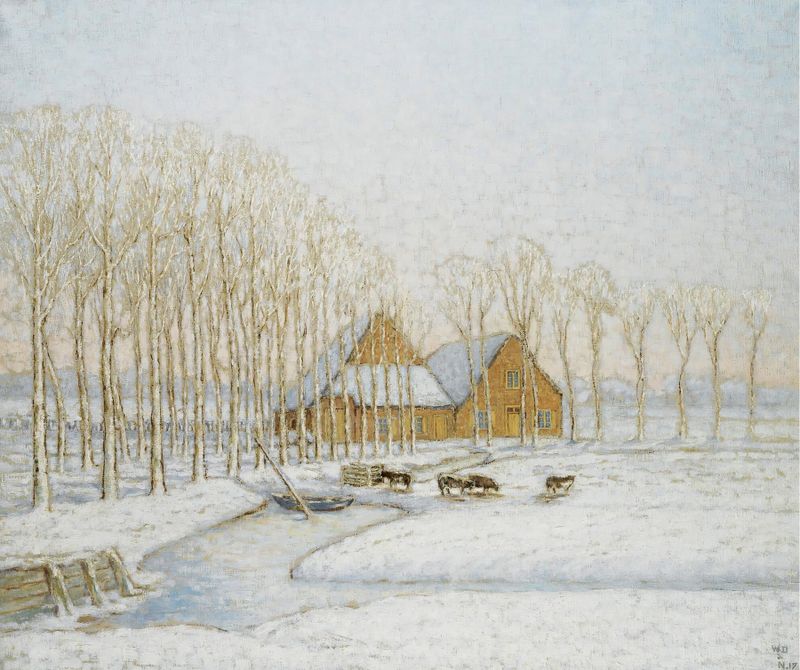
Paysage D’hiver
William Degouve de Nuncques

Hiver Dans La Foret
William Degouve de Nuncques

Les flamands blancs
William Degouve de Nuncques
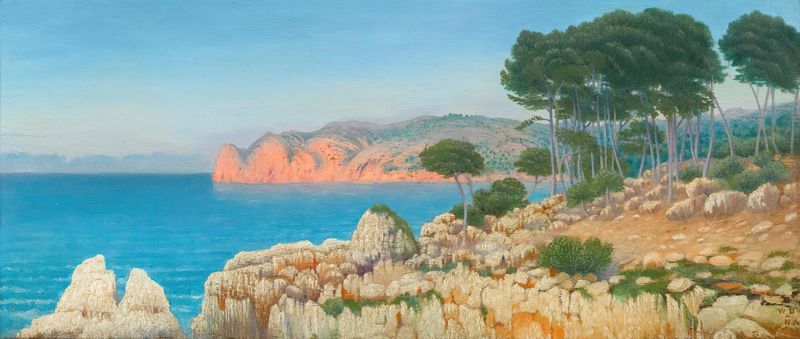
Côte Aux Baléares (Majorque, Cala San Vicente)
William Degouve de Nuncques

Snow landscape
William Degouve de Nuncques
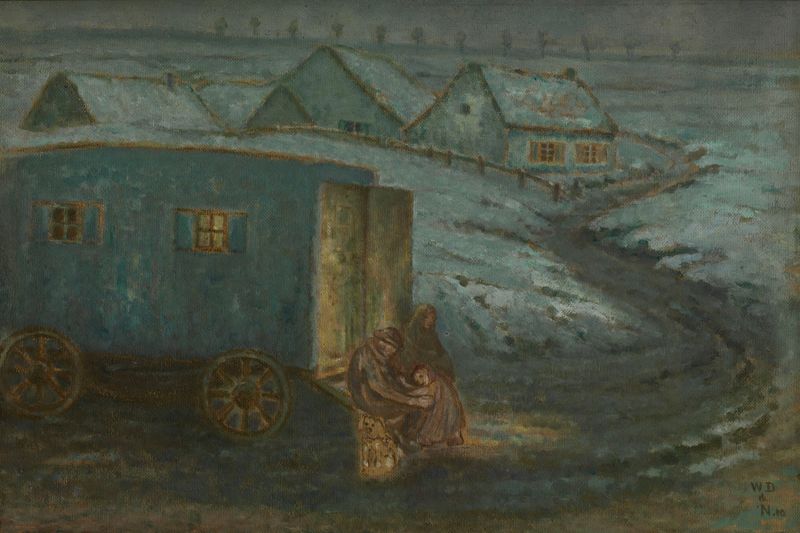
The Caravan
William Degouve de Nuncques
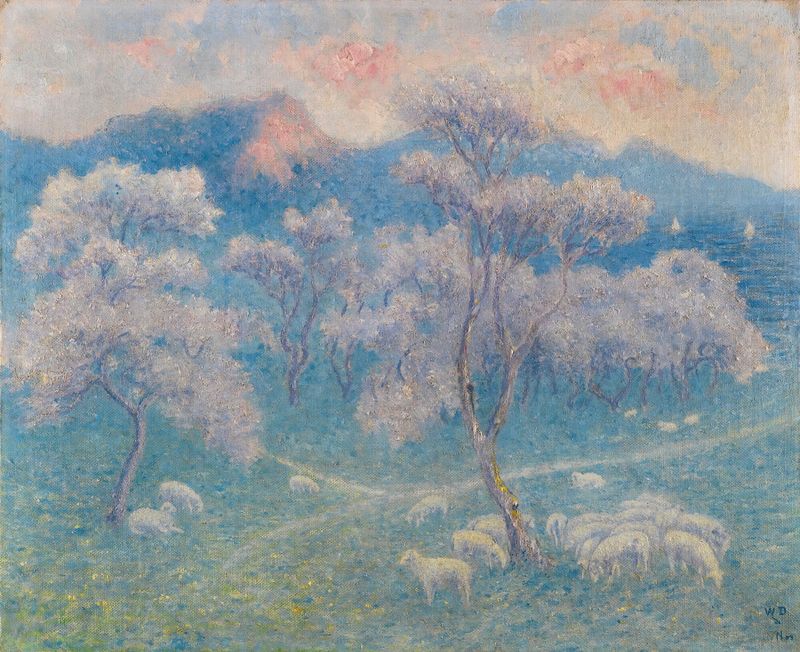
Moutons Aux Amandiers
William Degouve de Nuncques





