
De dageraad — History & Facts
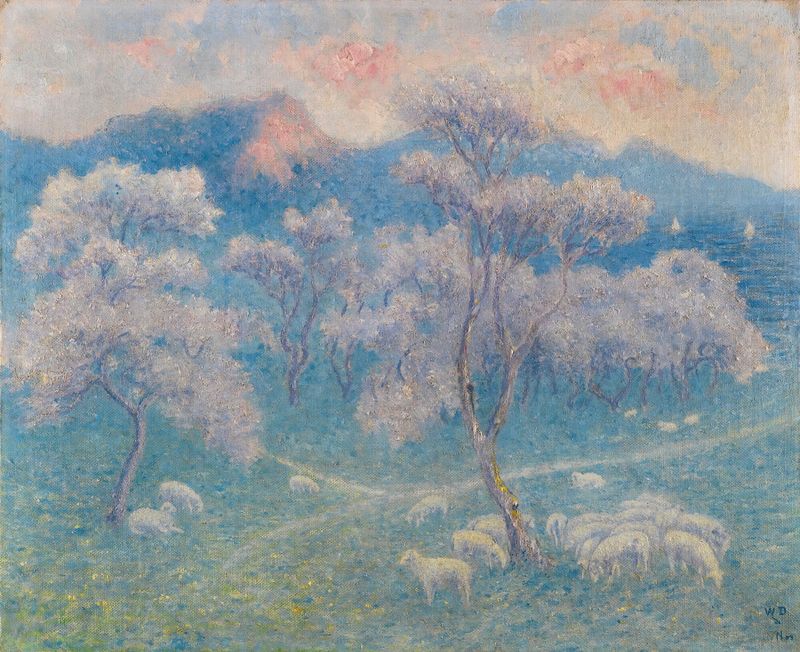
The delicate interplay between innocence and the bittersweet nature of existence unfolds in this masterful work. Focus your gaze on the lush, vibrant foreground, where a serene figure stands, draped in ethereal light. The soft hues of pastel pink and gentle blue blend harmoniously, evoking the dawn's early breath. Notice how the brushwork creates a sense of movement, as if the air itself shimmers around the figure, enveloping them in a dreamlike embrace.
The trees, rendered in lush greens, frame the composition, guiding your eye toward the horizon where the sun’s golden rays begin to pierce the dawn sky. Beneath the surface, a tension simmers between the beauty of the scene and the fragility of innocence. The figure, seemingly at peace, also suggests a vulnerability, embodying the ephemeral nature of youth and the inevitable march of time. The color palette, reminiscent of a sweet morning melody, contrasts sharply with the underlying weight of fleeting moments that life presents.
This duality invites contemplation of what lies beyond the immediate picture—an awareness of the impermanence that casts shadows even in beauty. William Degouve de Nuncques painted De dageraad in 1897 during a period marked by experimentation within the Symbolist movement. Residing in France, he was deeply influenced by the shift away from realism toward emotional expression in art. This work captures a transitional moment, not just in his career but within the broader context of European art, as artists sought to convey deeper meanings through symbolism and impressionistic techniques.
More Artworks by William Degouve de Nuncques
Browse all →
Nocturn in the Parc Royal, Brussels
William Degouve de Nuncques

La Grotte Du Drac, Manacor
William Degouve de Nuncques
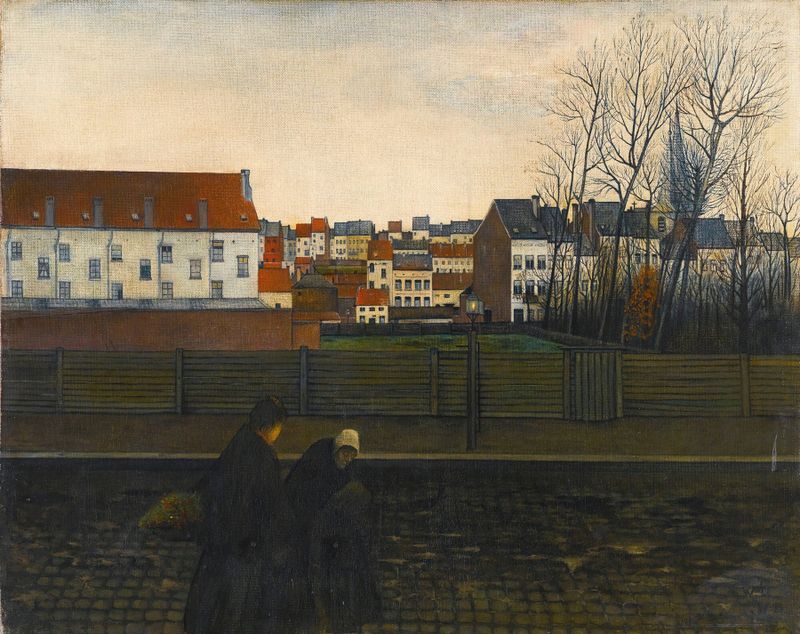
Paysage Bruxellois
William Degouve de Nuncques
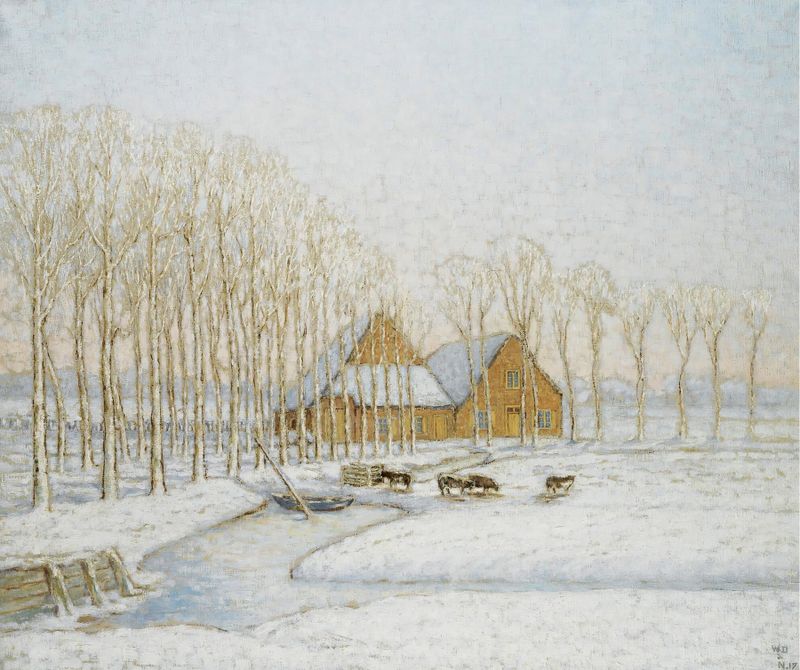
Paysage D’hiver
William Degouve de Nuncques

Hiver Dans La Foret
William Degouve de Nuncques

Les flamands blancs
William Degouve de Nuncques
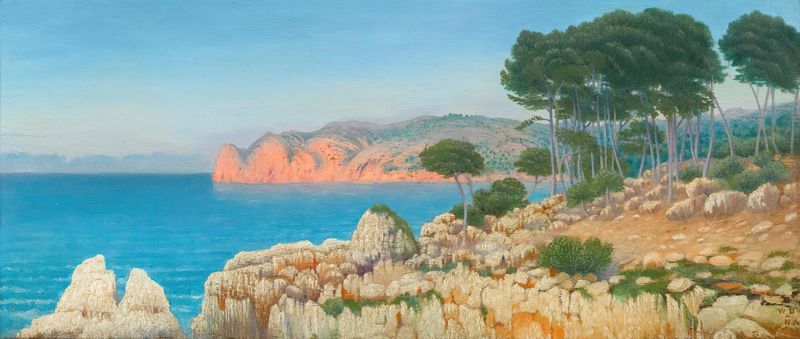
Côte Aux Baléares (Majorque, Cala San Vicente)
William Degouve de Nuncques

Snow landscape
William Degouve de Nuncques
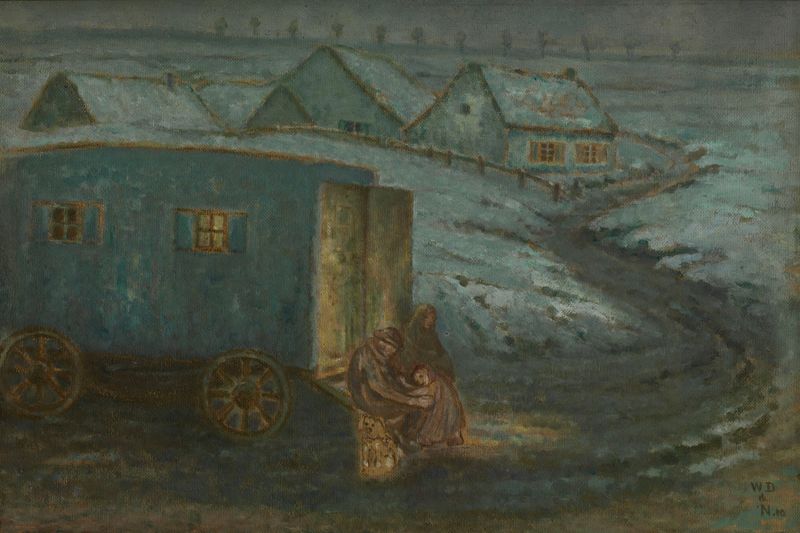
The Caravan
William Degouve de Nuncques
Moutons Aux Amandiers
William Degouve de Nuncques





