
Moutons Aux Amandiers — History & Facts
Could a single brushstroke hold eternity? In Moutons Aux Amandiers, the lush embrace of nature invites the viewer into a world where longing whispers through each vibrant hue. The sheep graze under the almond trees, embodying a quiet yearning that echoes the simplicity of pastoral life intertwined with the beauty of fleeting moments. Look to the left at the delicate pink blossoms that burst forth from the trees, their petals almost shimmering in the dappled sunlight. Notice how the artist’s soft brushstrokes create a sense of movement, as if the gentle breeze carries the fragrance of spring.
The interplay of warm ochres and cool greens establishes a serene harmony, drawing your eye toward the sheep that seem perfectly at home in this idyllic landscape. Beneath the serene surface, however, lies a contrast of transience and permanence. The ephemeral blossoms hint at the fleeting nature of beauty and life itself, while the sturdy sheep symbolize a grounding presence in an ever-changing world. This dynamic tension invites contemplation on the relationship between nature and human emotion, revealing the artist's longing for connection amidst the continuity of time. In 1903, at a pivotal moment in his career, the artist painted this work in a period marked by artistic experimentation and a burgeoning interest in Impressionism.
Living in France, he was influenced by the vibrant colors and loose styles of his contemporaries, yet he sought to convey a deeper emotional resonance through his pastoral themes. This painting reflects his inner journey, as he navigated the world of art and his personal aspirations.
More Artworks by William Degouve de Nuncques
Browse all →
Nocturn in the Parc Royal, Brussels
William Degouve de Nuncques

La Grotte Du Drac, Manacor
William Degouve de Nuncques
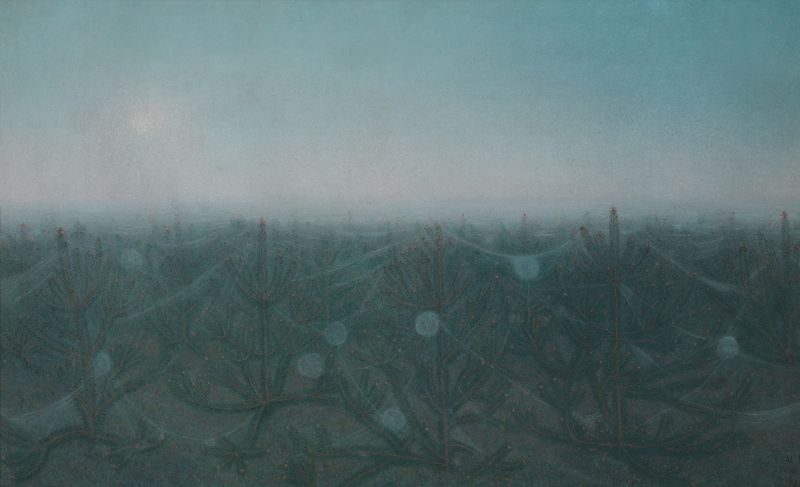
De dageraad
William Degouve de Nuncques
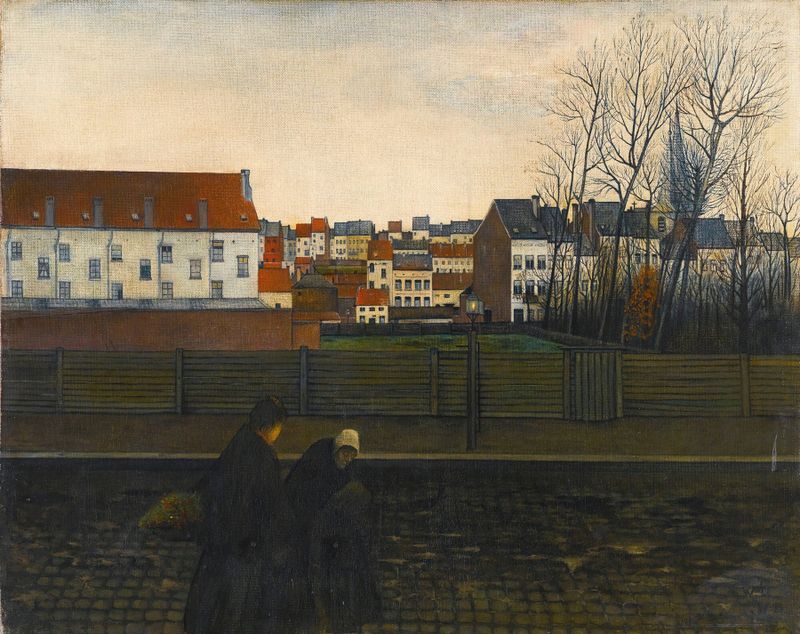
Paysage Bruxellois
William Degouve de Nuncques
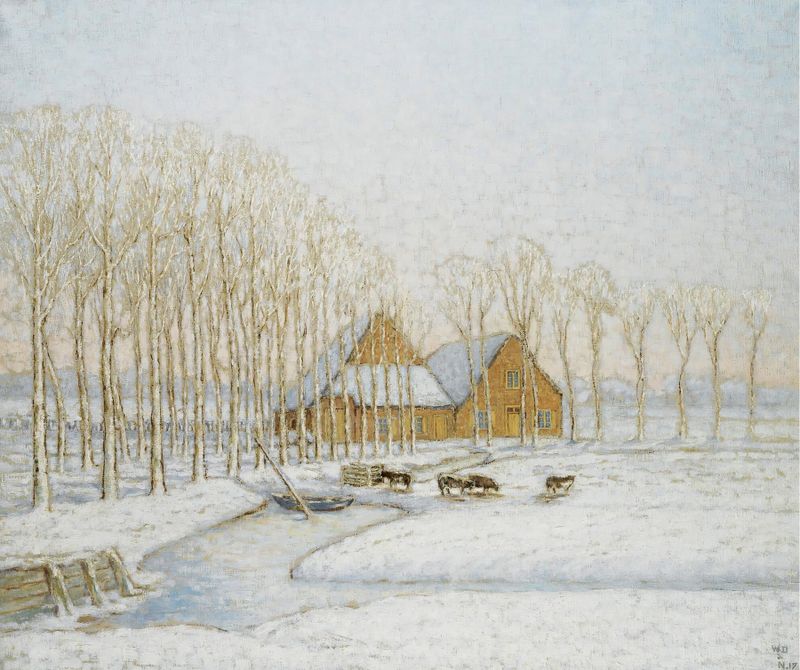
Paysage D’hiver
William Degouve de Nuncques

Hiver Dans La Foret
William Degouve de Nuncques

Les flamands blancs
William Degouve de Nuncques
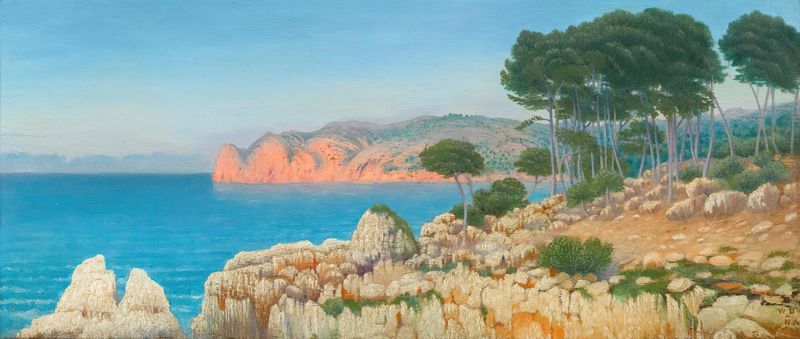
Côte Aux Baléares (Majorque, Cala San Vicente)
William Degouve de Nuncques

Snow landscape
William Degouve de Nuncques
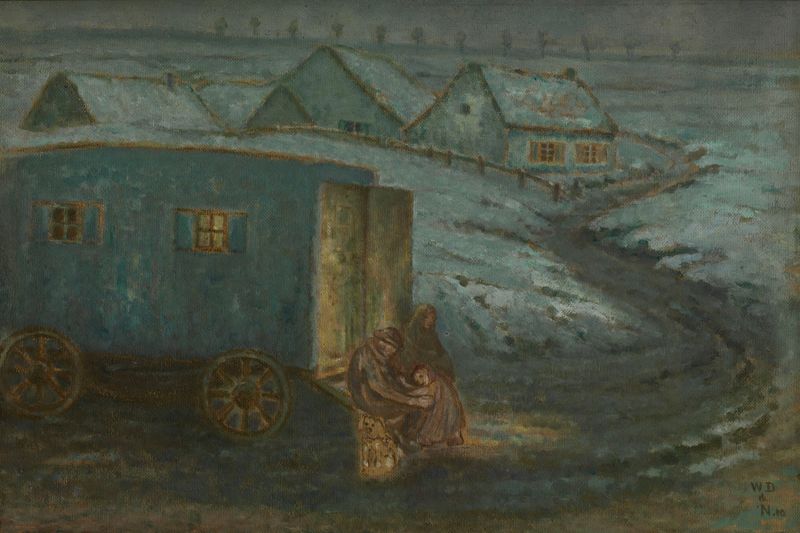
The Caravan
William Degouve de Nuncques





