
Paysage D’hiver — History & Facts
In the frigid embrace of winter, where silence blankets the earth, the passage of time becomes palpable; it whispers of mortality in every flake that falls. Look to the foreground, where delicate strokes create the impression of a snow-laden landscape. Notice how the white tones intermingle with soft blues and greys, forming a serene yet haunting atmosphere. The trees, their branches bowed under the weight of snow, stand resolute against the horizon, creating a striking contrast against the muted sky.
This interplay of light and shadow reveals the artist’s mastery, inviting contemplation on stillness and transience. The intricate details in the composition speak volumes; the distant hills appear almost ethereal, evoking a dream-like quality, while the foreground invites an intimate engagement. Each brushstroke suggests a battle between nature's harshness and its quiet beauty, reflecting a duality of life and death. The untouched snow becomes a canvas of remembrance, hinting at the fleeting moments that underscore existence itself. In 1917, as the world grappled with the shadows of war, the artist found solace in the quietude of his northern landscape.
Residing in the tumult of an evolving art world, he sought refuge in the peaceful yet stark realities of winter scenes, channeling his reflections on mortality through the lens of nature’s enduring cycles. This work stands as a testament to both the artist’s personal journey and the universal human experience of impermanence.
More Artworks by William Degouve de Nuncques
Browse all →
Nocturn in the Parc Royal, Brussels
William Degouve de Nuncques

La Grotte Du Drac, Manacor
William Degouve de Nuncques
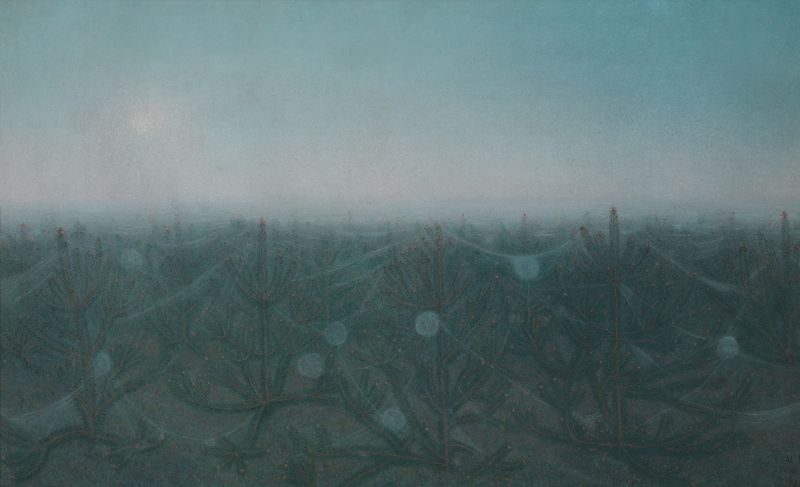
De dageraad
William Degouve de Nuncques
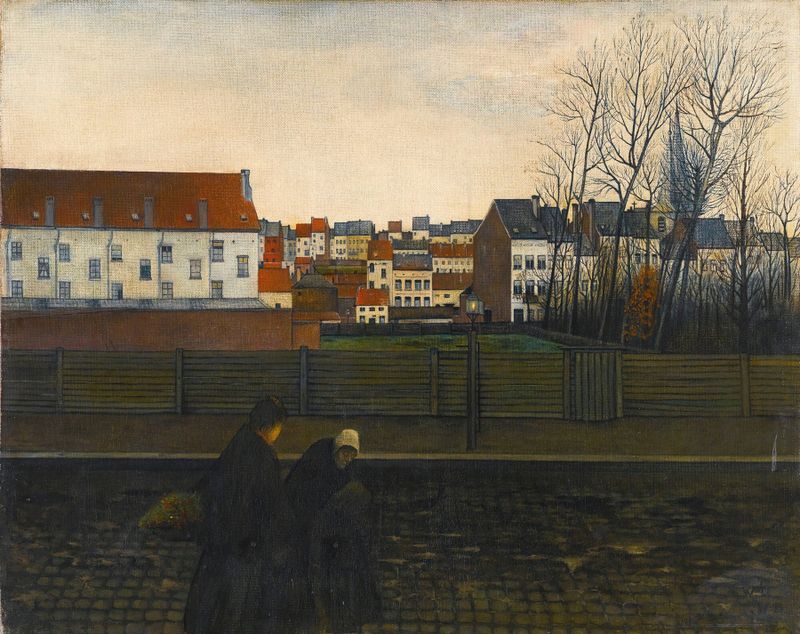
Paysage Bruxellois
William Degouve de Nuncques

Hiver Dans La Foret
William Degouve de Nuncques

Les flamands blancs
William Degouve de Nuncques
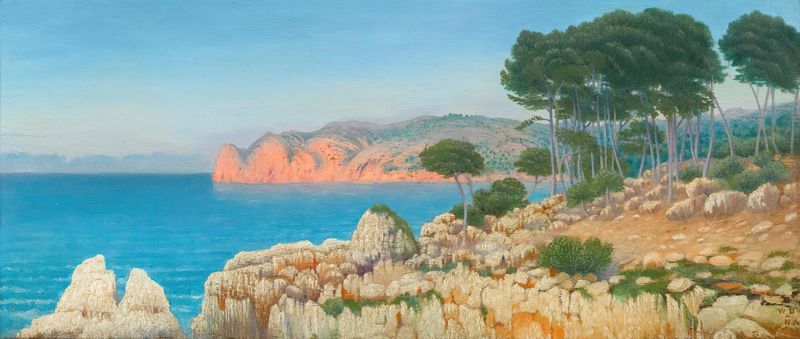
Côte Aux Baléares (Majorque, Cala San Vicente)
William Degouve de Nuncques

Snow landscape
William Degouve de Nuncques
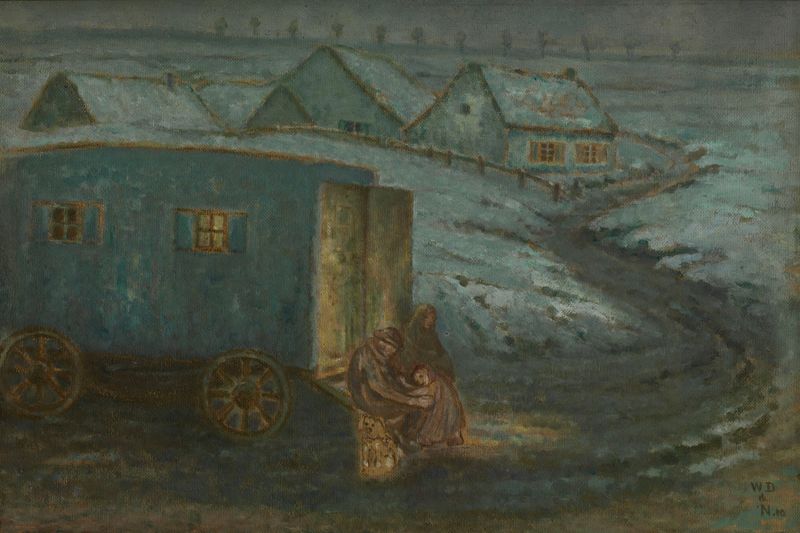
The Caravan
William Degouve de Nuncques
Moutons Aux Amandiers
William Degouve de Nuncques





