
Paysage Bruxellois — History & Facts
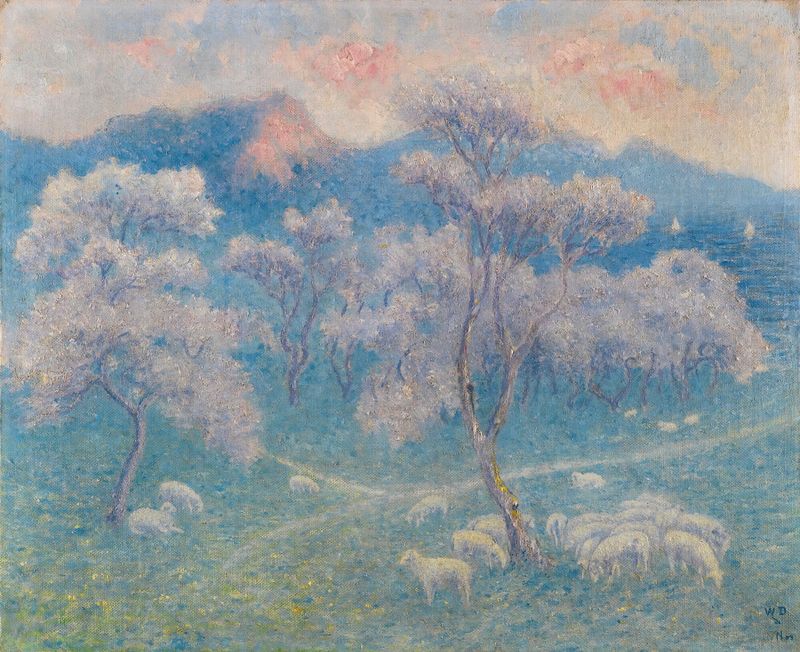
Therein lies the essence of decay, the quiet unravelling of beauty that whispers of fleeting moments and forgotten memories. Look to the left at the delicate interplay of light and shadow that bathes the lush greenery, revealing a world caught in a poignant balance. The soft greens and muted browns blend seamlessly, where the artist's brushwork evokes a sense of tranquility overshadowed by the inevitable passage of time. Notice how the fading sunlight filters through the leaves, casting intricate patterns on the ground, as if nature itself is documenting its own slow surrender to decay. The juxtaposition of vibrant life against hints of deterioration creates emotional complexity.
The vibrant foliage stands resilient yet vulnerable, while the crumbling structures in the distance remind us of civilization’s impermanence. Each brushstroke tells a story of nostalgia, reflecting a longing for what once flourished but is now slowly giving way to nature's relentless advance. This tension between hope and loss resonates deeply, embodying the essence of existence and the transient beauty of our surroundings. William Degouve de Nuncques painted this piece during a time when artists were increasingly drawn to capturing the nuances of light and atmosphere in their works.
Active in the late 19th century, he was influenced by the Symbolist movement, which sought to delve into the emotional undercurrents of existence. In this context, Paysage Bruxellois emerges as a contemplative exploration of nature and decay, a testament to the power of art to preserve what time threatens to erase.
More Artworks by William Degouve de Nuncques
Browse all →
Nocturn in the Parc Royal, Brussels
William Degouve de Nuncques

La Grotte Du Drac, Manacor
William Degouve de Nuncques
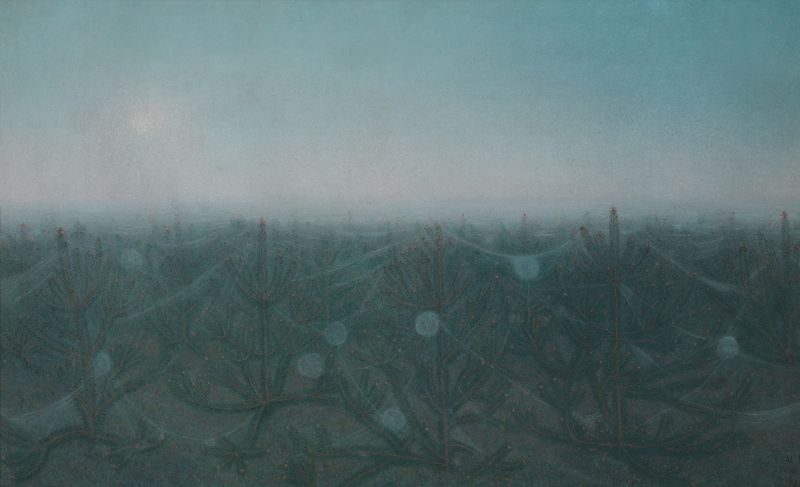
De dageraad
William Degouve de Nuncques
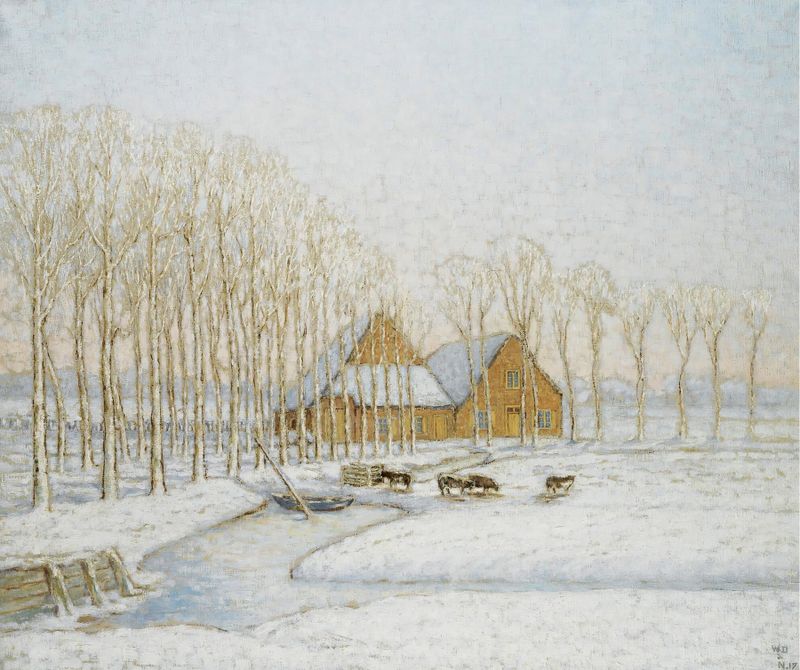
Paysage D’hiver
William Degouve de Nuncques

Hiver Dans La Foret
William Degouve de Nuncques

Les flamands blancs
William Degouve de Nuncques
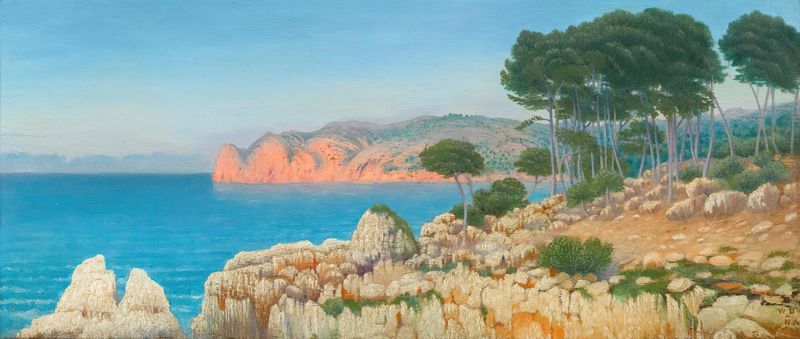
Côte Aux Baléares (Majorque, Cala San Vicente)
William Degouve de Nuncques

Snow landscape
William Degouve de Nuncques
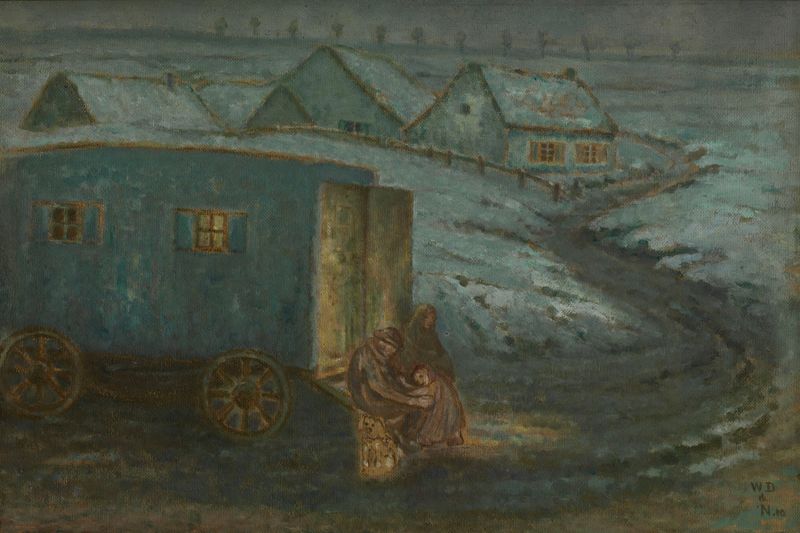
The Caravan
William Degouve de Nuncques
Moutons Aux Amandiers
William Degouve de Nuncques





