
The Caravan — History & Facts
In a world saturated by the ordinary, how does the extraordinary emerge? Look to the left, where a procession of figures unfolds against a backdrop of warm, sun-drenched hues. The artist’s brushstrokes dance fluidly across the canvas, capturing the essence of movement as travelers glide through an unseen landscape. Notice how the light cascades over their garments, highlighting the textures and vibrant colors that evoke a sense of warmth and adventure, beckoning the viewer to join this ethereal journey. Delve deeper into the scene, and you’ll sense the contrasting emotions at play.
Each traveler bears not only the weight of their possessions but also the silent stories etched into their features. The juxtaposition between the lively colors and the somber expressions hints at the burdens of migration and the yearning for connection amid movement. Shadows linger behind them, perhaps representing the homes they leave behind, while the sunlit path ahead symbolizes hope and the promise of new beginnings. In 1910, The Caravan emerged from William Degouve de Nuncques’s studio in Belgium, a time when the art world was exploring the intricacies of post-impressionism.
The artist, influenced by the changing tides of modernity, sought to capture fleeting moments of life and emotion through vibrant color and expressive form. This work reflects not only his personal journey towards embracing movement in art but also the broader quest for meaning in a rapidly evolving society.
More Artworks by William Degouve de Nuncques
Browse all →
Nocturn in the Parc Royal, Brussels
William Degouve de Nuncques

La Grotte Du Drac, Manacor
William Degouve de Nuncques
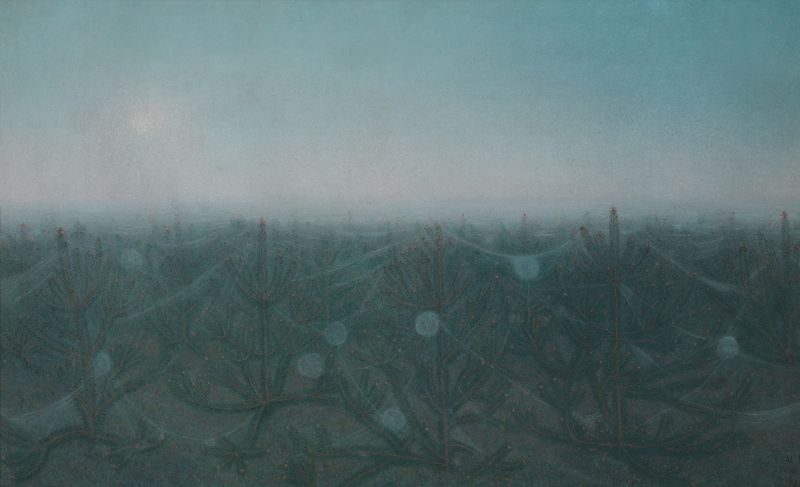
De dageraad
William Degouve de Nuncques
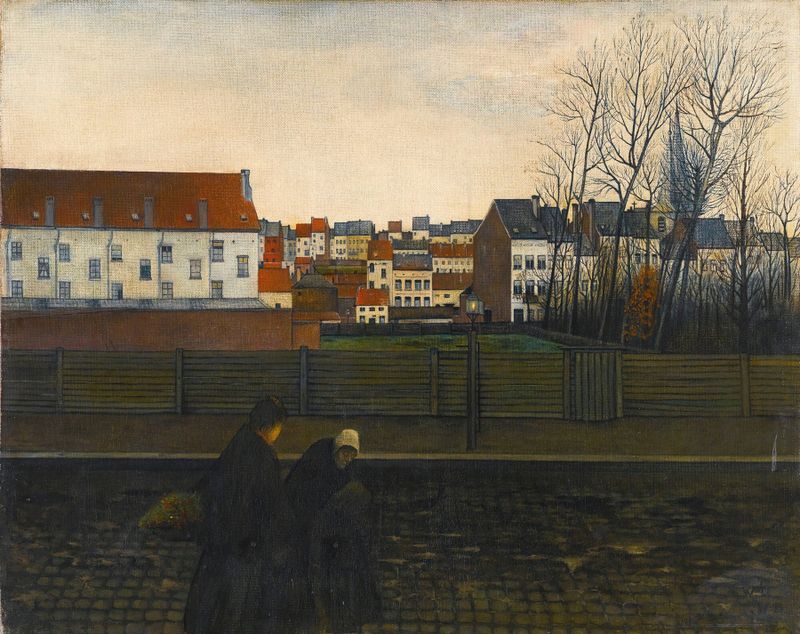
Paysage Bruxellois
William Degouve de Nuncques
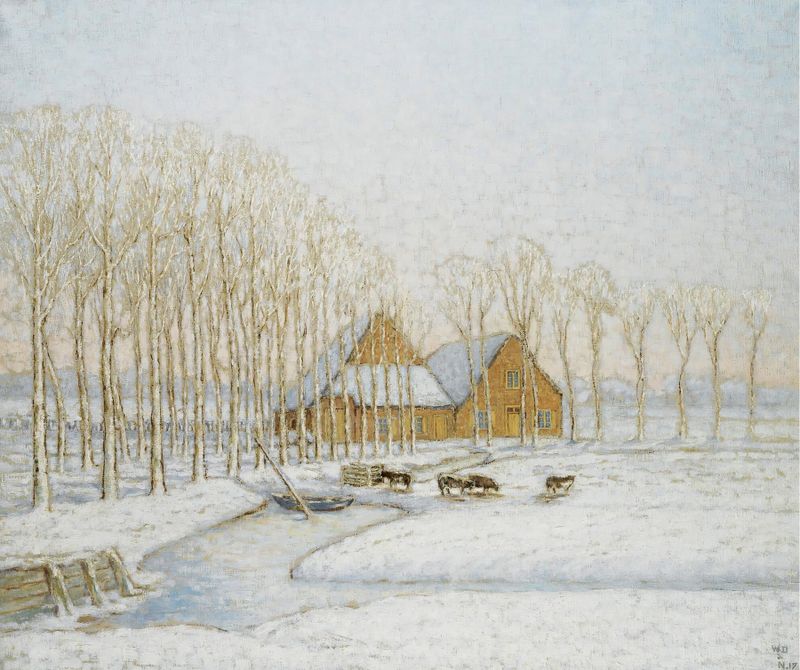
Paysage D’hiver
William Degouve de Nuncques

Hiver Dans La Foret
William Degouve de Nuncques

Les flamands blancs
William Degouve de Nuncques
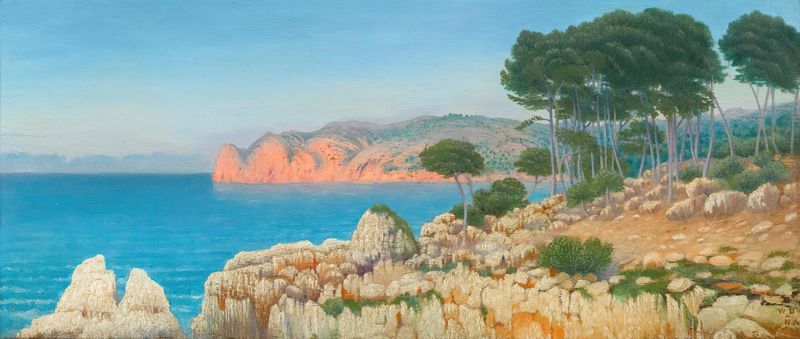
Côte Aux Baléares (Majorque, Cala San Vicente)
William Degouve de Nuncques

Snow landscape
William Degouve de Nuncques
Moutons Aux Amandiers
William Degouve de Nuncques





