
Hlboká Road — History & Facts
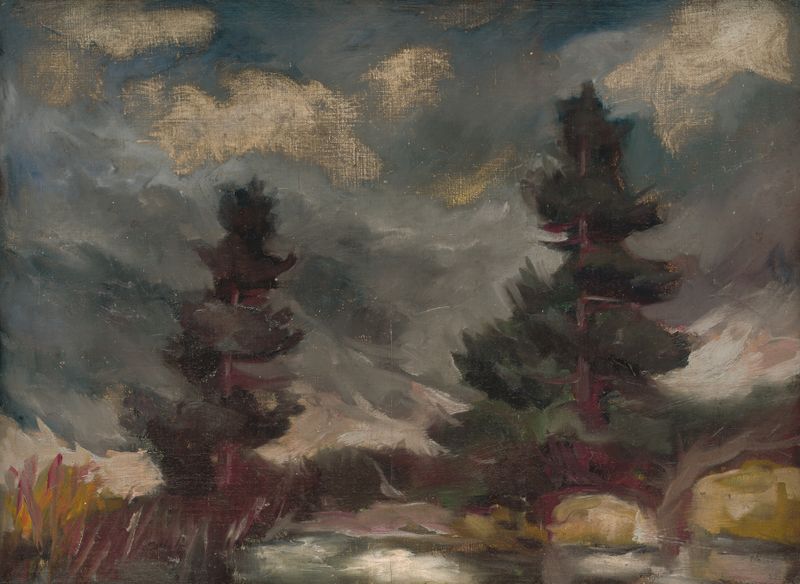
Did the painter know this moment would outlive them? The illusion of a fleeting scene, captured forever, speaks to the fragility of time and the permanence of artistry. Look to the center of the canvas, where a winding road disappears into the horizon, inviting the viewer's gaze to travel along its path. The varied hues of green and ochre create an intriguing contrast, evoking a sense of both serenity and unease. Notice how the play of light dances along the trees, casting dappled shadows that breathe life into the landscape; it compels you to explore the secrets that lie just beyond the frame. The road suggests a journey that is both literal and metaphorical, intertwining the concepts of progress and isolation.
The gentle curves betray a sense of ambiguity — is this road leading toward hope, or is it a pathway to the unknown? The shifting light reinforces this tension, as it creates an ephemeral illusion, reminding us of the transient nature of our own experiences in the world. In 1931, Zolo Palugyay created Hlboká Road during a tumultuous time in Europe, marked by political upheaval and economic distress. Working primarily in Hungary, he was influenced by the avant-garde movements emerging across the continent. This painting reflects not only his mastery of color and form but also the deep sense of introspection that characterized the artistic climate of the era, as artists sought to capture the essence of a changing world.
More Artworks by Zolo Palugyay
Browse all →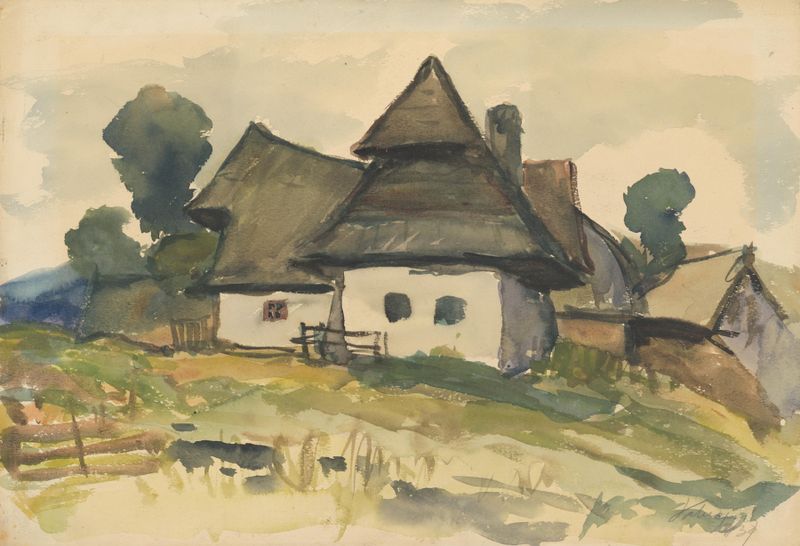
Dedinský motív
Zolo Palugyay
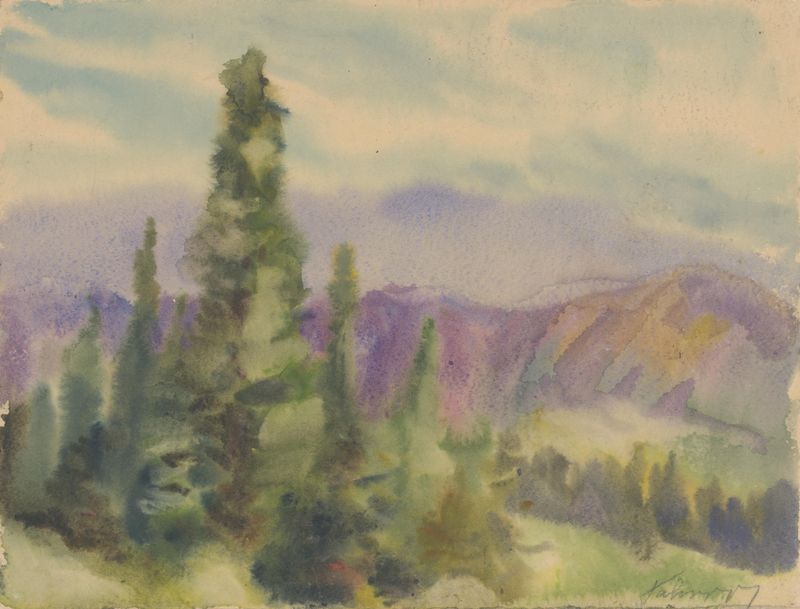
Motif from Liptov Mountains
Zolo Palugyay
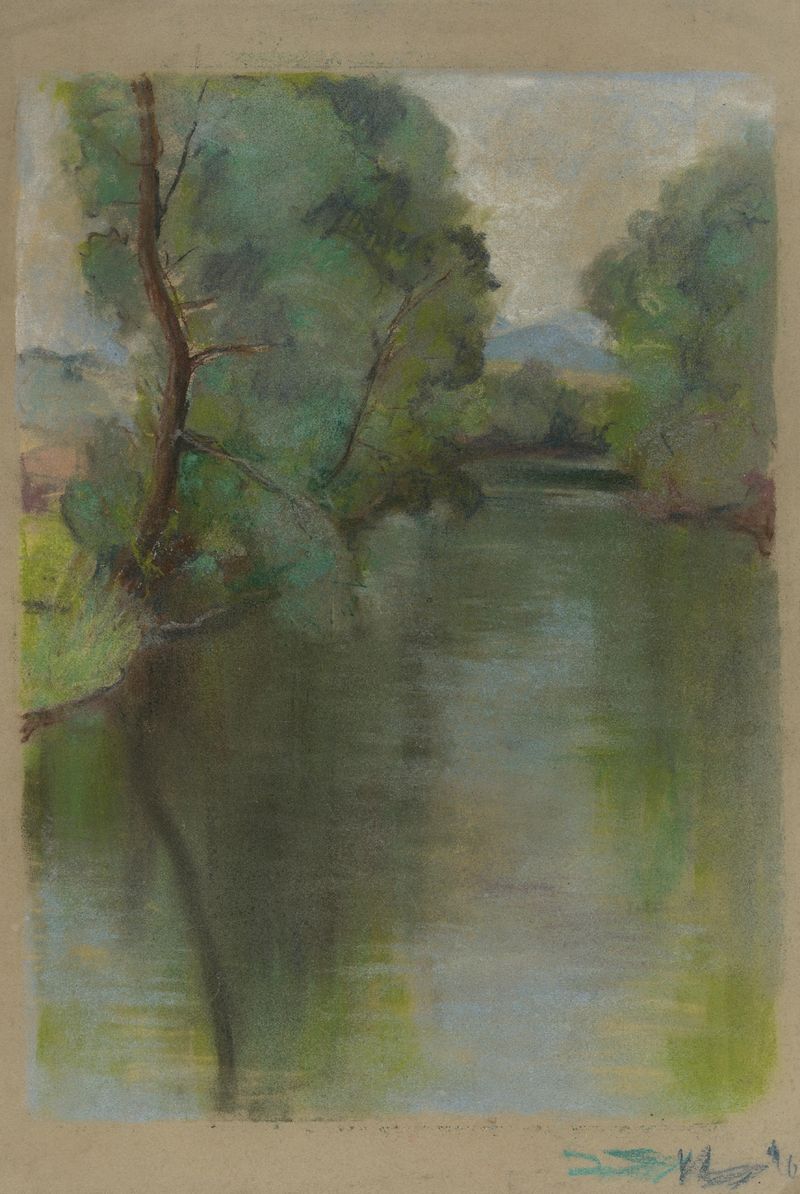
Silent River
Zolo Palugyay
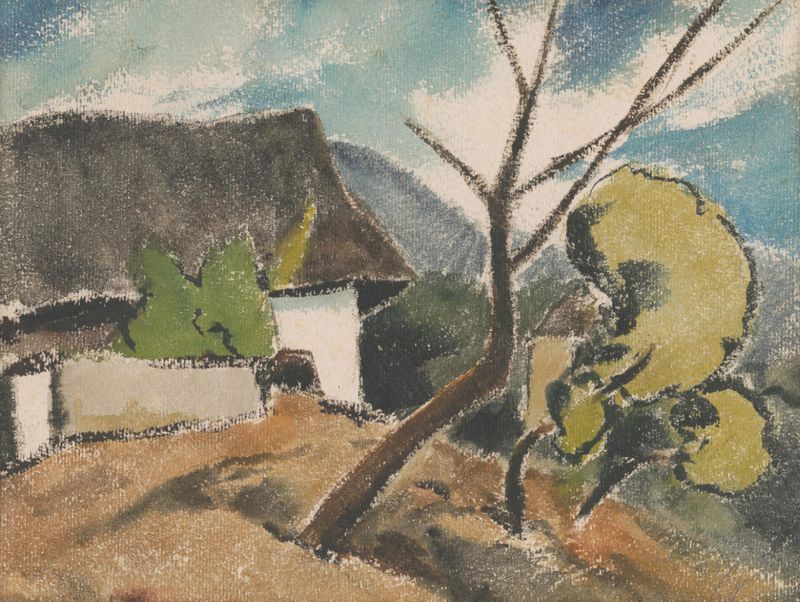
Oravská chalupa
Zolo Palugyay
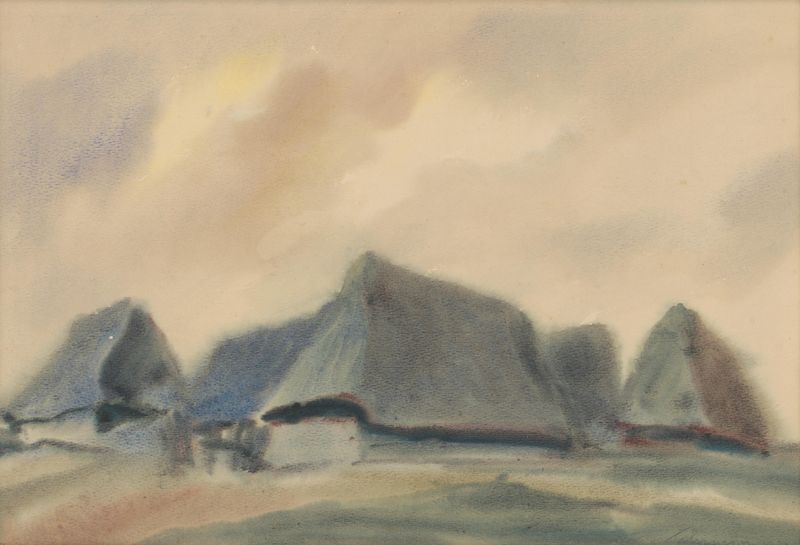
Modré chalupy
Zolo Palugyay
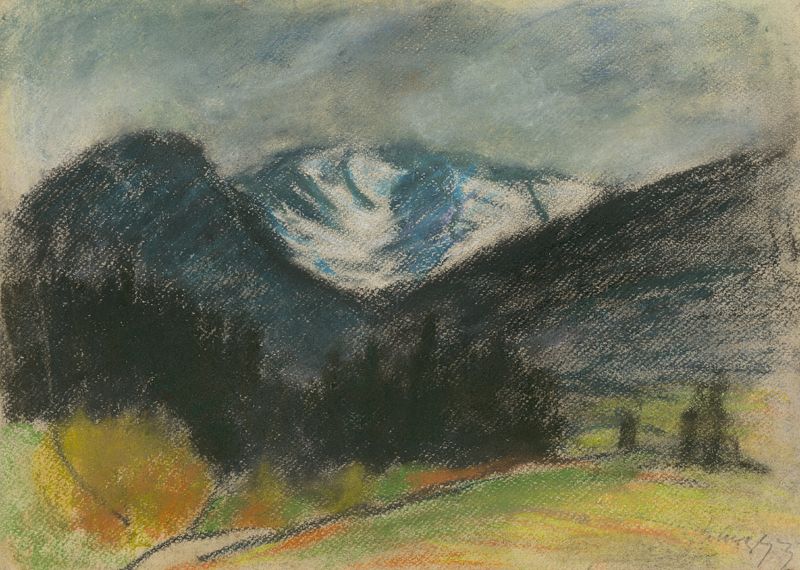
Mountain Landscape with Snowy Peaks
Zolo Palugyay
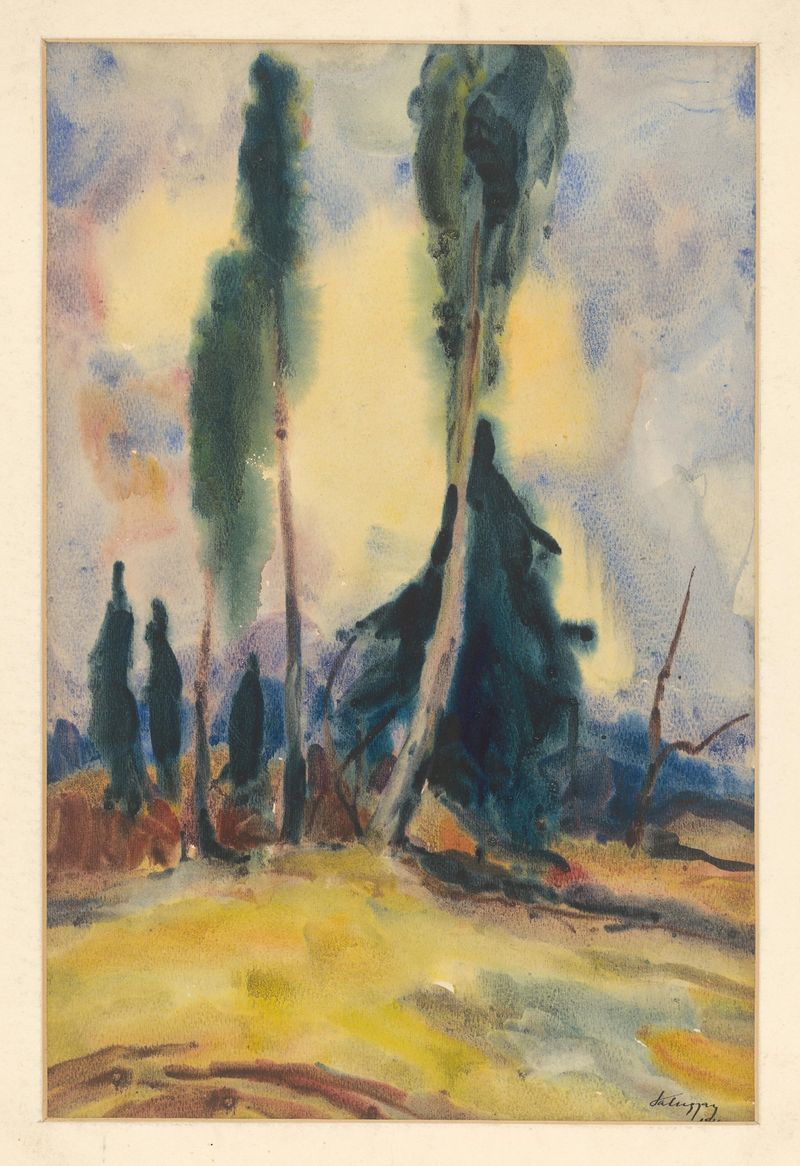
Three Trees on a Plain
Zolo Palugyay
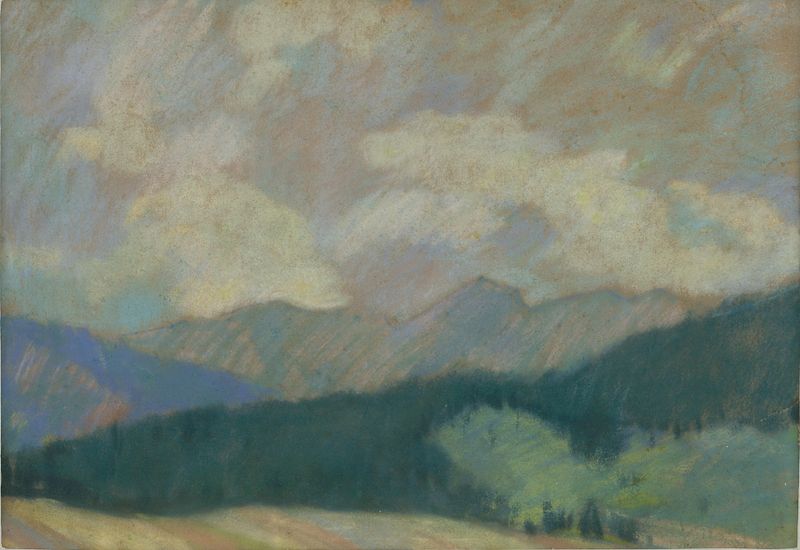
Horská krajina
Zolo Palugyay
Tatra Landscape
Zolo Palugyay
Spring Landscape
Zolo Palugyay





