
Hohenklingen — History & Facts
When did color learn to lie? The deceptive beauty of a landscape can mask the tumult of change lurking beneath its surface. Look to the left at the dark, brooding clouds that hover ominously over the castle atop the hill, drawing the viewer’s gaze upward and imbuing the scene with tension. The contrast between the vibrant greens of the foreground and the stark, muted hues of the sky creates a dramatic tension, reflecting the duality of nature's beauty and peril. Notice how the winding path leads the eye through the serene valley, beckoning exploration while simultaneously suggesting an impending storm, a metaphor for life's unpredictable journey. Hidden within the vibrant greens and earthy tones is a juxtaposition of tranquility and turmoil.
The delicate brushstrokes evoke a sense of movement, hinting at the transformative forces of time and nature, while the castle stands as a silent witness to these changes. The distant mountains, sharp and formidable, serve as both guardians and barriers, mirroring the emotional struggles we all face in our pursuit of peace amidst chaos. Created between 1840 and 1844, the artist found himself immersed in a period marked by Romantic ideals and a fascination with nature’s sublime power. Living in Germany during this time, Wagner was influenced by the growing movement that sought to express deep emotional resonance through landscape art, navigating the balance between realism and the evocative qualities of the world around him.
More Artworks by Johann Friedrich Wagner
Browse all →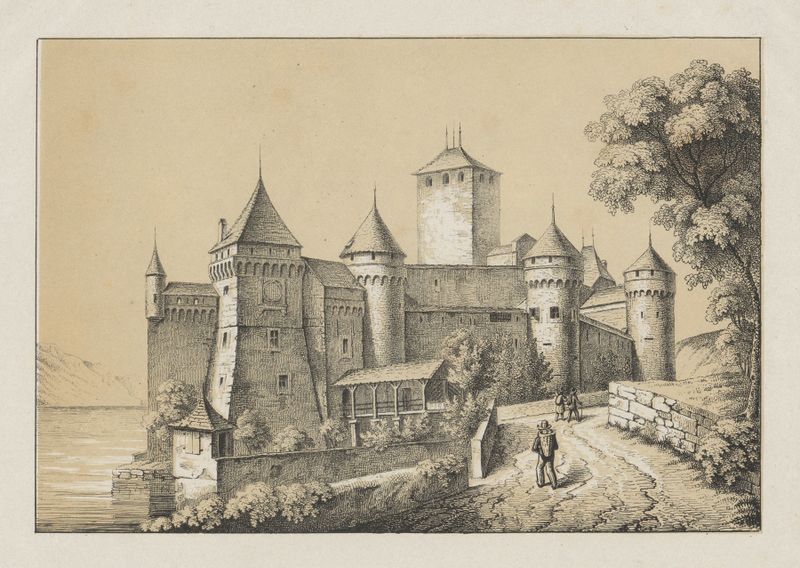
Chillon
Johann Friedrich Wagner

Valangin
Johann Friedrich Wagner
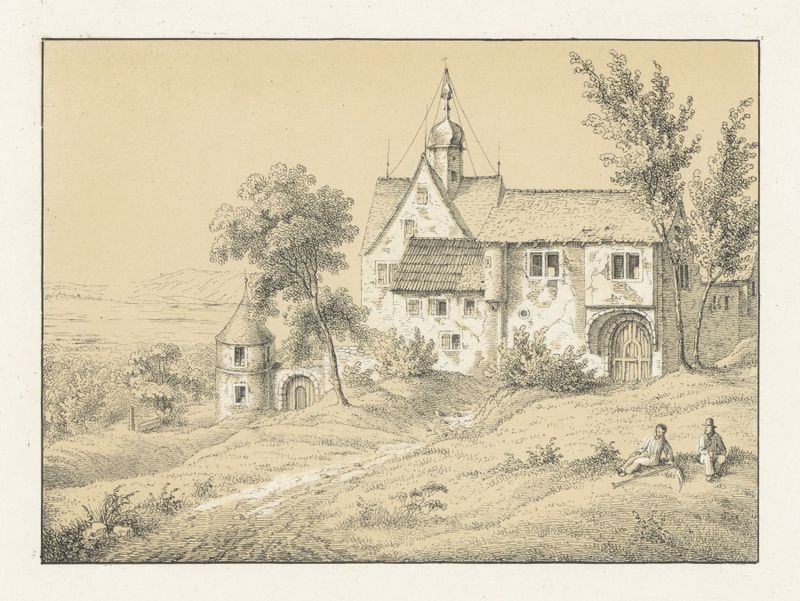
Greifenstein
Johann Friedrich Wagner

Vorburg
Johann Friedrich Wagner
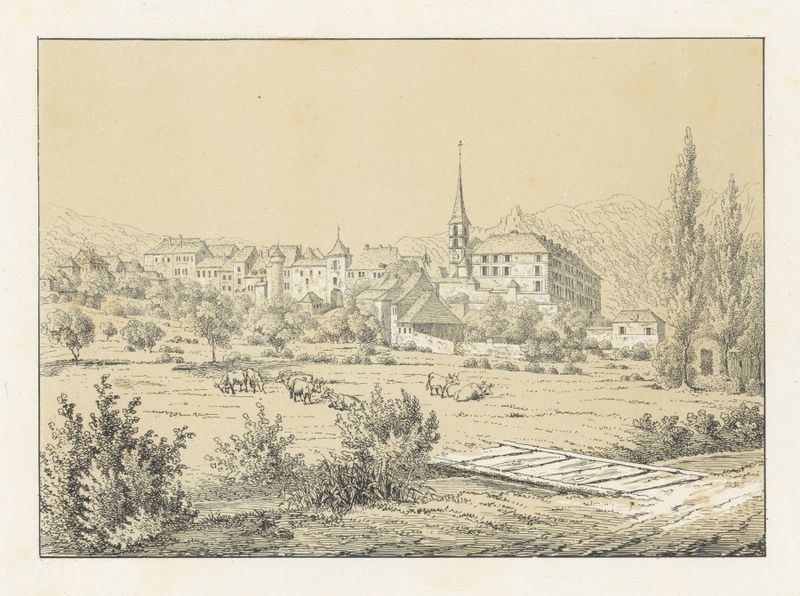
Delémont
Johann Friedrich Wagner

Pleujouse
Johann Friedrich Wagner

Challay
Johann Friedrich Wagner
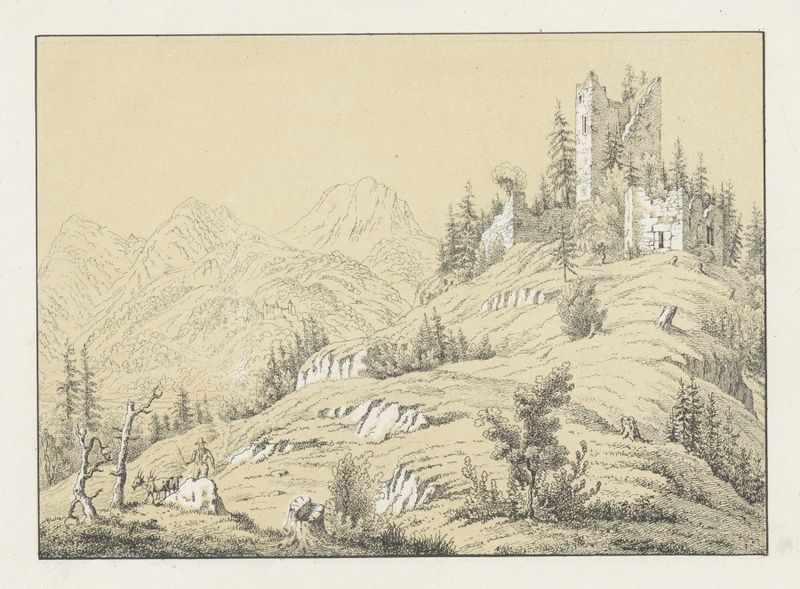
Mont Salvant
Johann Friedrich Wagner
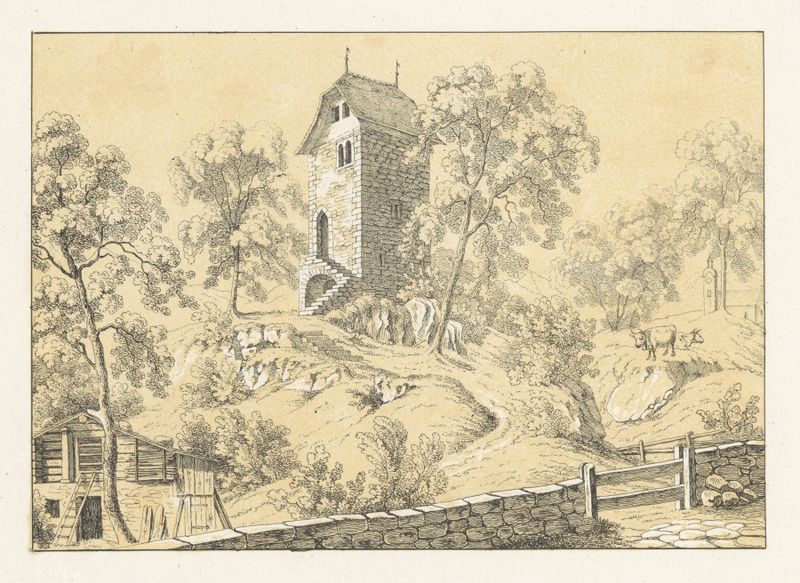
Aha. Od. Untere Burg von Sarnen
Johann Friedrich Wagner
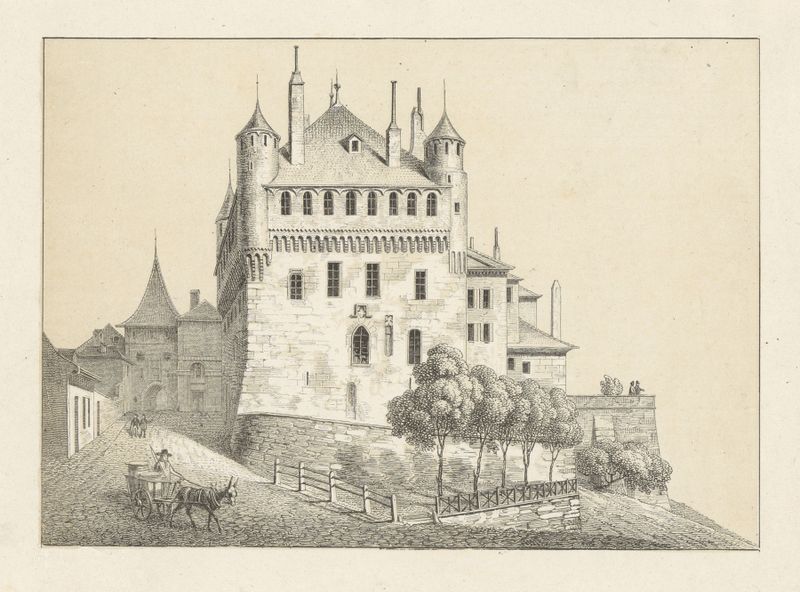
Lausanne
Johann Friedrich Wagner





