
Hollands landschap — History & Facts
In the tranquil embrace of nature, one can glimpse the divine. It’s in this space that the boundaries of the ordinary blur, inviting contemplation and transcendence. Look to the sweeping horizon, where the muted greens of the fields meet the soft blues of the sky. The artist employs a delicate palette, allowing subtle variations in light and shade to evoke a sense of depth and serenity.
Notice how the gentle brushstrokes create an almost ethereal quality, as if the land breathes in harmony with the sky. The composition leads the eye across the landscape, a meandering journey toward the distant trees that stand like sentinels, watching over the scene. Within this peaceful tableau, deeper layers of meaning unfurl. The interplay of light and shadow symbolizes the duality of existence—the tension between reality and aspiration.
The expansive sky, free and limitless, contrasts with the grounded earth, reflecting humanity's eternal quest for connection with something greater. Each element is meticulously balanced, suggesting that even in simplicity, profound truths await discovery. Etienne Bosch painted this work during a period of remarkable change in the art world, amidst the rise of modernism and the shifting influences of post-impressionism. Created between 1873 and 1931, Bosch sought to capture the essence of the Dutch landscape, drawing inspiration from both nature and the evolving artistic trends of his time.
His dedication to portraying a harmonious relationship between man and the environment underscores the universal desire for transcendence and understanding.
More Artworks by Etienne Bosch
Browse all →
Gezicht op de achterkant van de Notre Dame in Parijs Notre Dame
Etienne Bosch
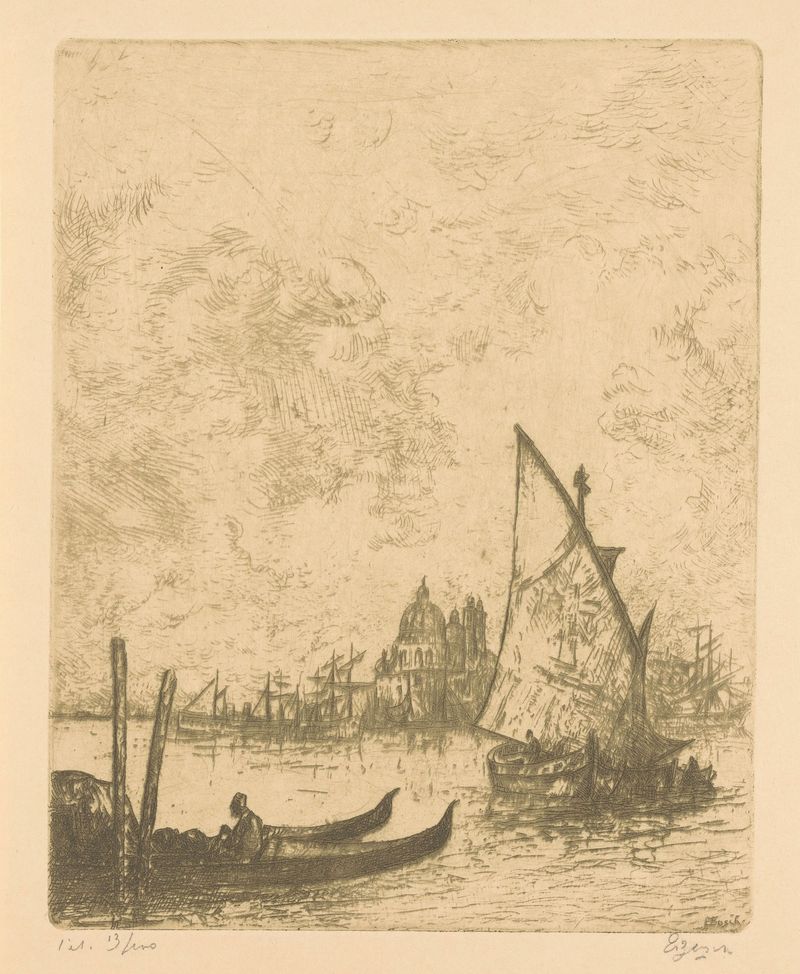
Venetië
Etienne Bosch

Amsterdamse poort te Haarlem
Etienne Bosch

Le Palatin Rome
Etienne Bosch

Landschap bij Rome
Etienne Bosch
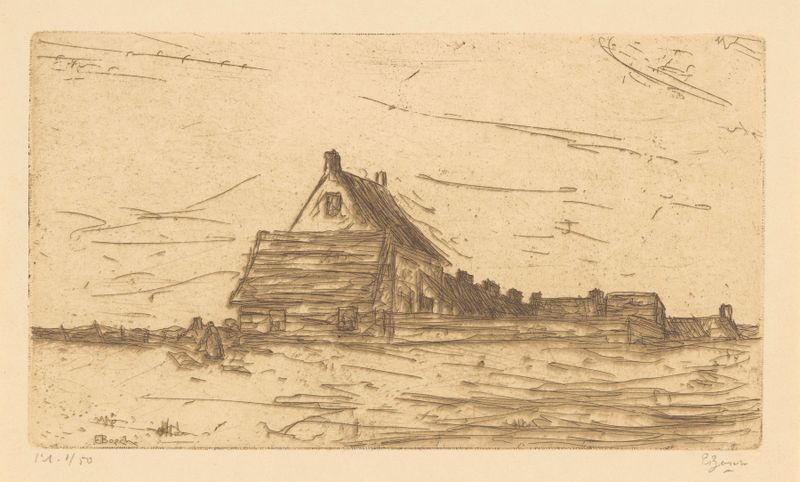
Boerenwoning
Etienne Bosch

Scheveningen
Etienne Bosch
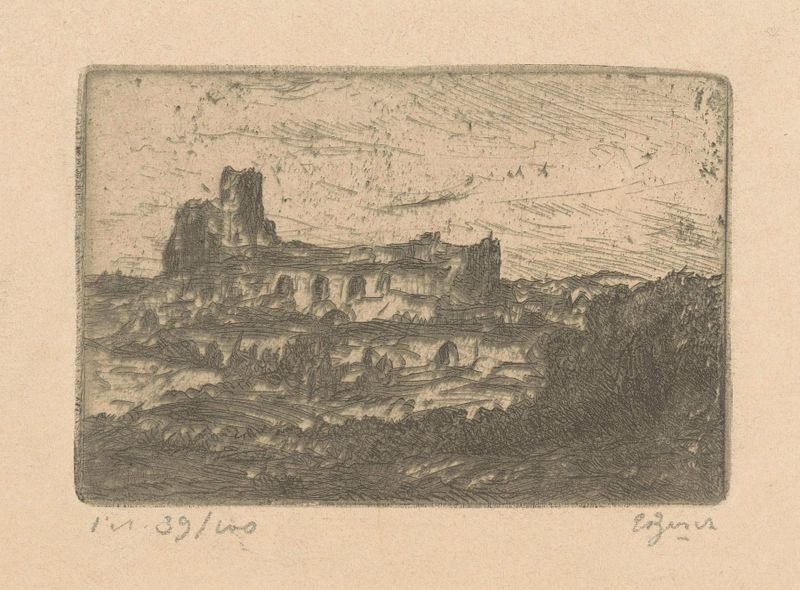
Ruïne Rome
Etienne Bosch
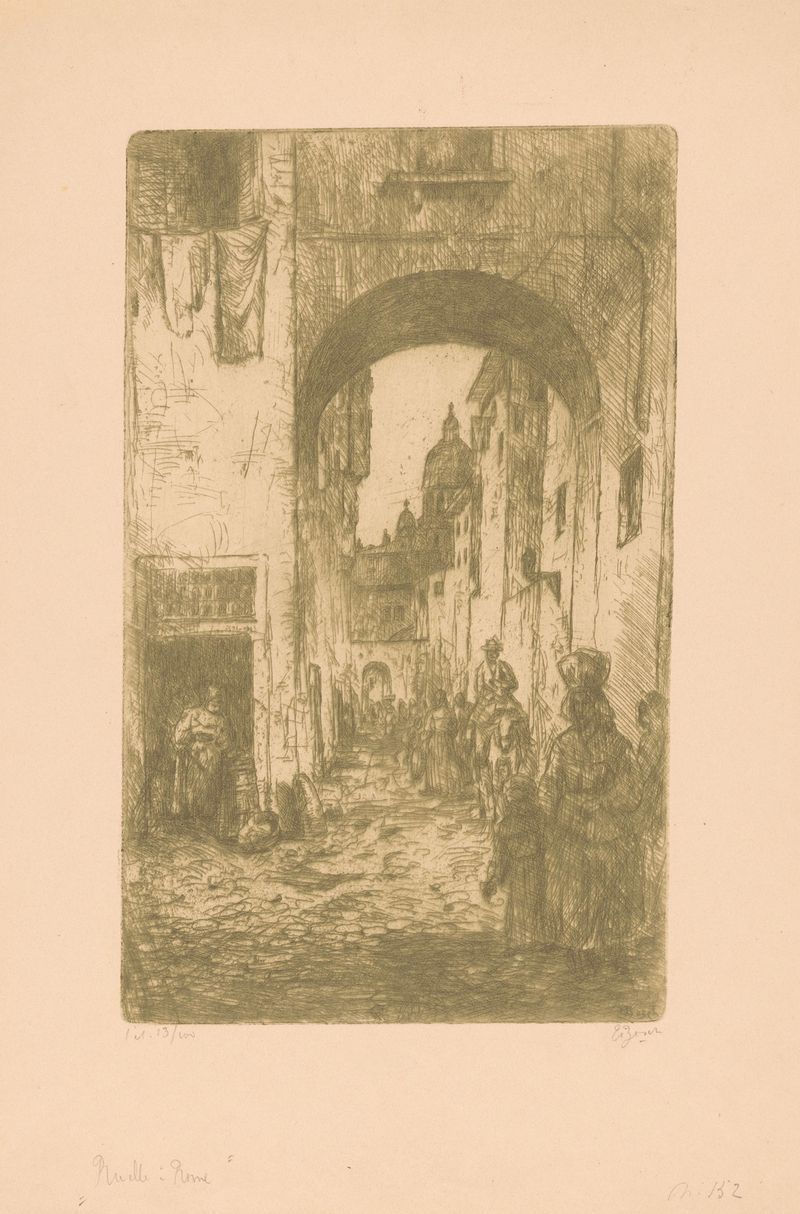
Ruelle, Rome
Etienne Bosch
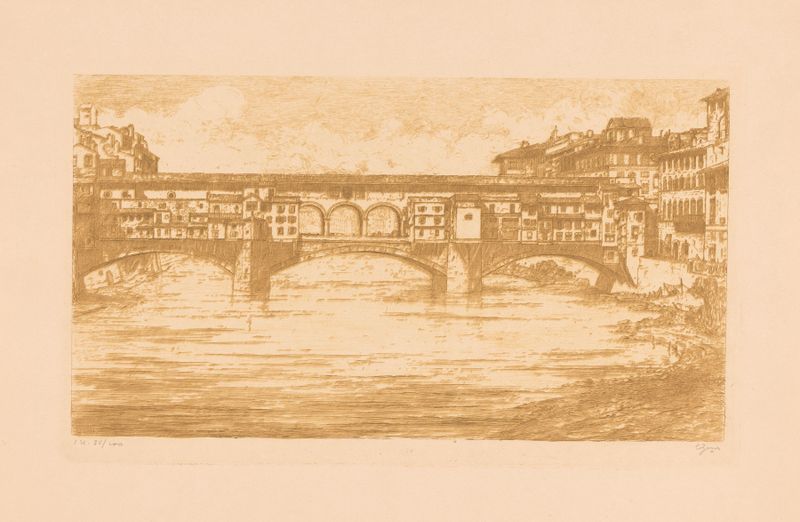
Ponte Vecchio in Florence
Etienne Bosch





