Holländische Dünenlandschaft — History & Facts
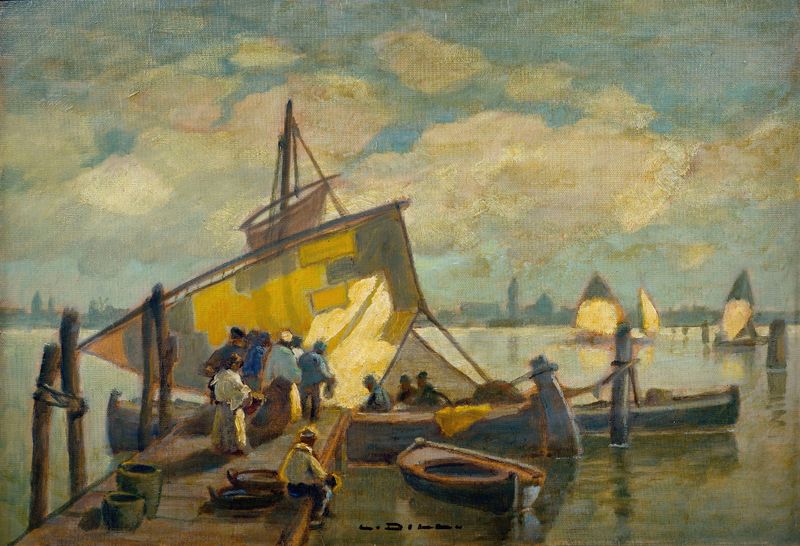
In the quiet embrace of nature, tranquility weaves through the landscape, inviting a deep breath and a moment of reflection. Look to the foreground, where gentle sandy hills rise and fall like soft waves, their warm ochre tones contrasting with the cool greens of distant grass. The sky, a serene expanse, dances with wisps of clouds that suggest a gentle breeze. Dill’s delicate brushwork captures the interplay of light and shadow, creating a palpable sense of calm that envelops the viewer.
Notice how the colors harmonize, each hue meticulously chosen, inviting the eye to explore the nuances of this idyllic setting. Beneath the surface, the painting resonates with a profound sense of isolation and peace. The serene dunes, while inviting, suggest a solitude that speaks to the human experience of longing for stillness amidst a chaotic world. The absence of figures emphasizes this solitude, allowing viewers to project their own feelings onto the landscape.
Dill captures not just a view but a moment of introspection, compelling us to pause and appreciate the calming beauty of nature. Created in a time when Impressionism was gaining momentum, this landscape emerged from Dill's desire to evoke emotion through nature. Working in Germany during the late 19th century, he was influenced by the burgeoning fascination with the natural world and the subtleties of light. This piece reflects not only his personal artistic evolution but also the wider movement toward capturing fleeting moments of beauty in a rapidly changing world.