
Trabaccolo — History & Facts
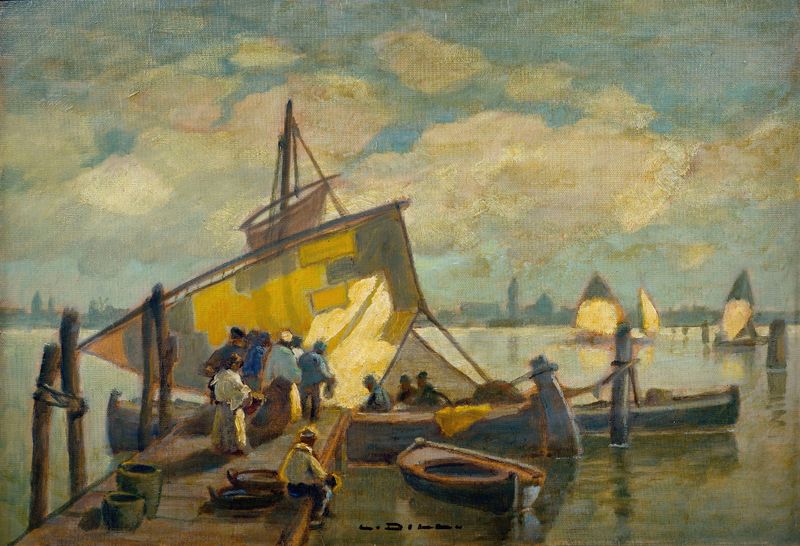
Could beauty survive in a century of chaos? In a world often overshadowed by turmoil, there lies a persistent yearning for the serene and the sublime, captured effortlessly in a single moment. Look to the left at the gentle roll of the sea, where the tranquil waters embrace the boat’s hull with an inviting clarity. The artist employs soft blues and greens that meld into the horizon, creating a harmonious palette that soothes the eye. The trabaccolo—a traditional fishing vessel—stands elegantly against the backdrop of a vast sky, its sails catching the subtle blush of the setting sun.
Dill's brushstrokes breathe life into the scene, allowing the viewer to feel the gentle caress of the breeze and the rhythmic lapping of the water. As you delve deeper, notice the contrast between the sturdy vessel and the ephemeral nature of the surrounding elements. The trabaccolo symbolizes tradition and steadfastness amidst a world rapidly changing, while the soft, fluid waves suggest the passage of time and the inevitable shifts in life. In the distance, the horizon seems to whisper of adventures yet to unfold, evoking a sense of longing for exploration and the mysteries that lie beyond the familiar. In 1905, Trabaccolo emerged from the hands of Ludwig Dill during a period marked by the stirrings of modernity and the advent of new artistic movements.
Living in Germany, Dill was part of an era that balanced the tension between the beauty of nature and the encroaching industrial landscape. His focus on landscape and maritime themes reflected both personal experiences and broader societal changes, creating a bridge between the past and the future.
More Artworks by Ludwig Dill
Browse all →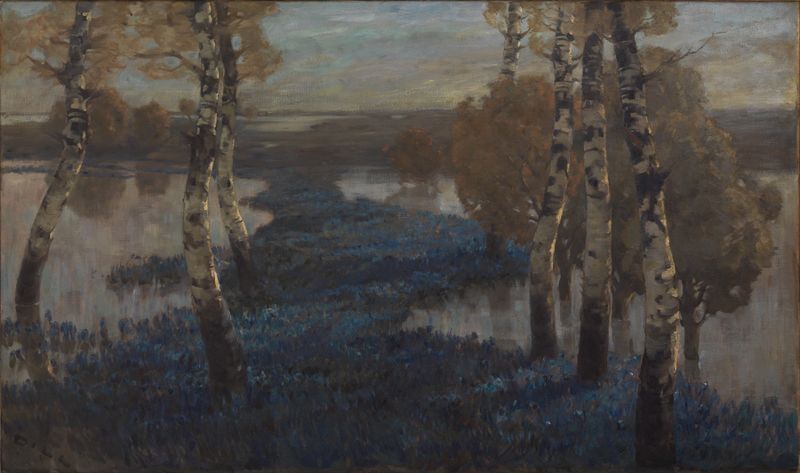
Überschwemmte Salbeifelder in der Po – Ebene
Ludwig Dill
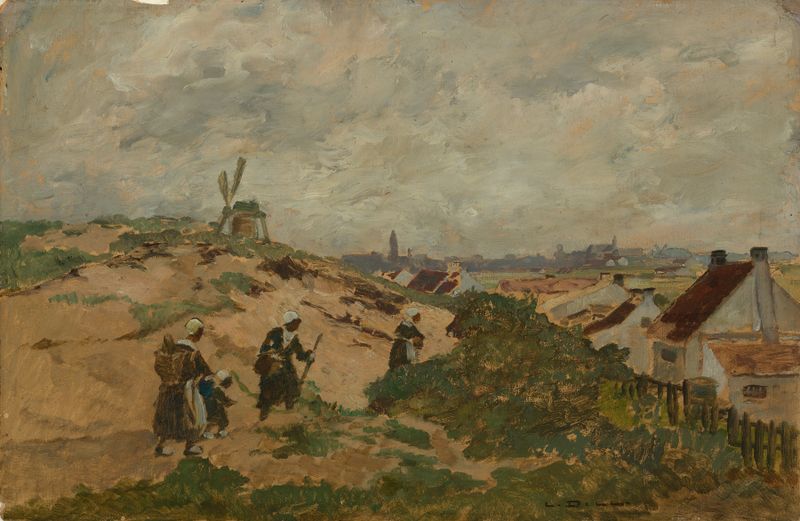
Holländische Dünenlandschaft
Ludwig Dill

Gewitter im Moor bei Dachau
Ludwig Dill

Gewitter im Moor mit Wolkenschatten
Ludwig Dill
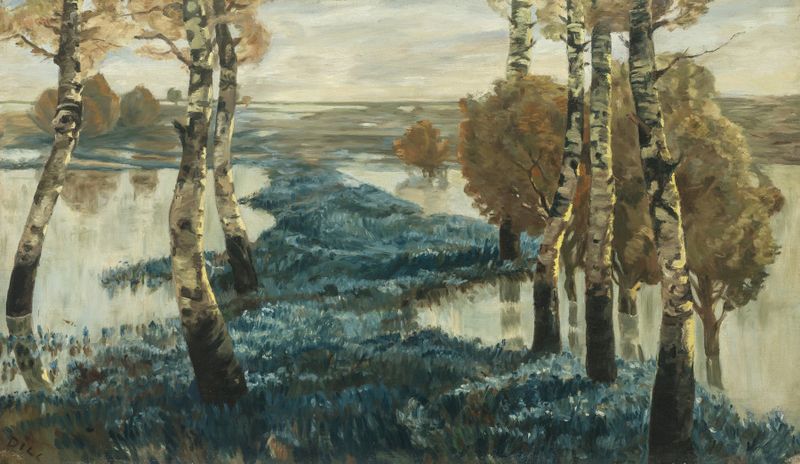
Überschwemmte Salbeifelder in der Poebene
Ludwig Dill
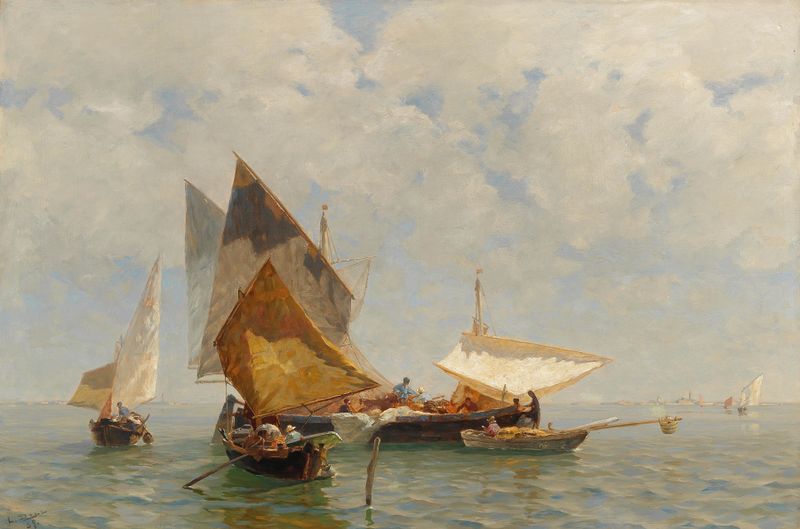
Venice, fisherboat in the lagoon
Ludwig Dill
Arrival of the fishing boat
Ludwig Dill





