
Holy Family — History & Facts
What first draws the eye in this Holy Family is the gentle, almost theatrical intimacy binding the three central figures. The Virgin’s gaze, lowered in quiet contemplation, meets the lively, direct stare of the infant Christ, who turns outward as if to greet the viewer. Joseph, wrapped in a heavy, fur-lined cloak, leans in with a gesture of offering—his hands presenting a golden fruit, a symbol laden with meaning.
The composition’s curves and diagonals pull us into this private exchange, while the Virgin’s flowing hair and the baby’s chubby limbs soften the scene with a sense of warmth and immediacy. The background, with its distant blue landscape and ornate architectural setting, frames the family in a world both real and enchanted. Painted in 1535, this work by Aertgen Claesz van Leyden belongs to a period when Northern artists were absorbing Italian Renaissance influences, visible here in the sculptural drapery, the lush color palette, and the careful play of light across flesh and fabric. Such paintings were often commissioned for private devotion, intended to bring the holy close to home, and the Royal Museum of Fine Arts Antwerp now preserves this example.
History has kept few traces of this painting’s early journey, but its survival lets us glimpse a moment when sacred stories were told not with grandeur, but with the tender gestures of everyday life—inviting us to linger over every detail.
More Artworks by Aertgen Claesz van Leyden

Jakob ontvangt het bebloede kleed van Jozef
Aertgen Claesz van Leyden
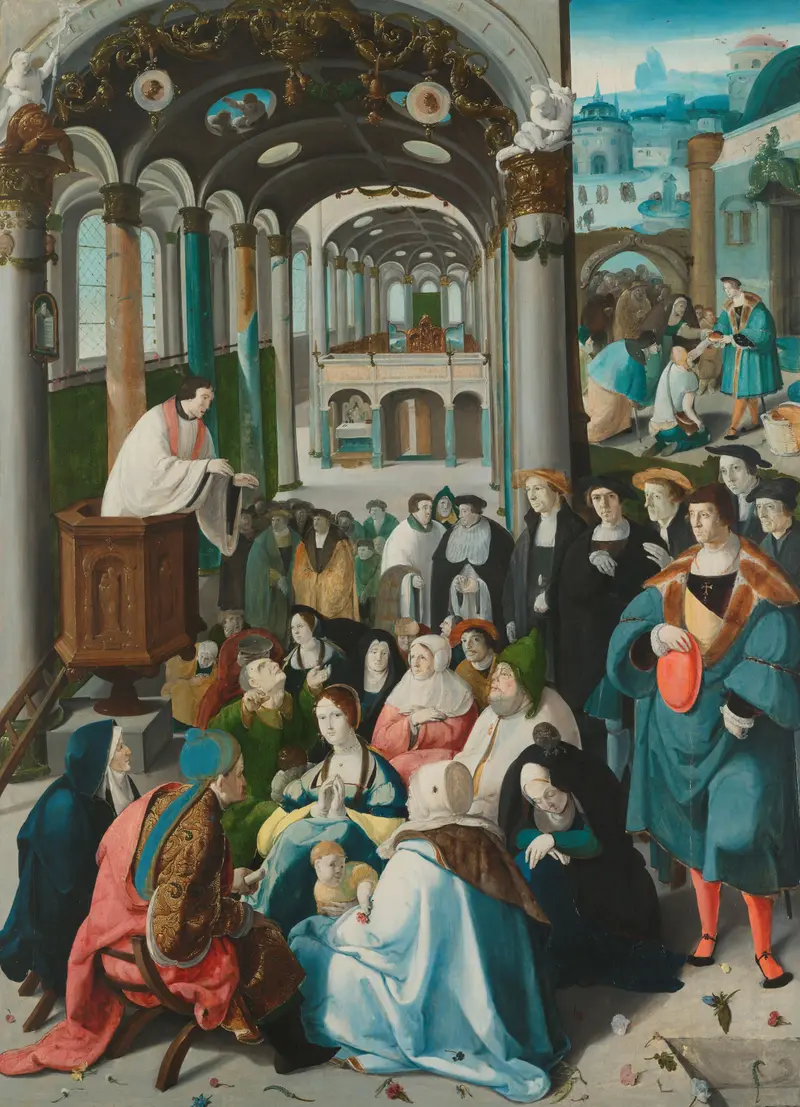
The Calling of Saint Anthony
Aertgen Claesz van Leyden
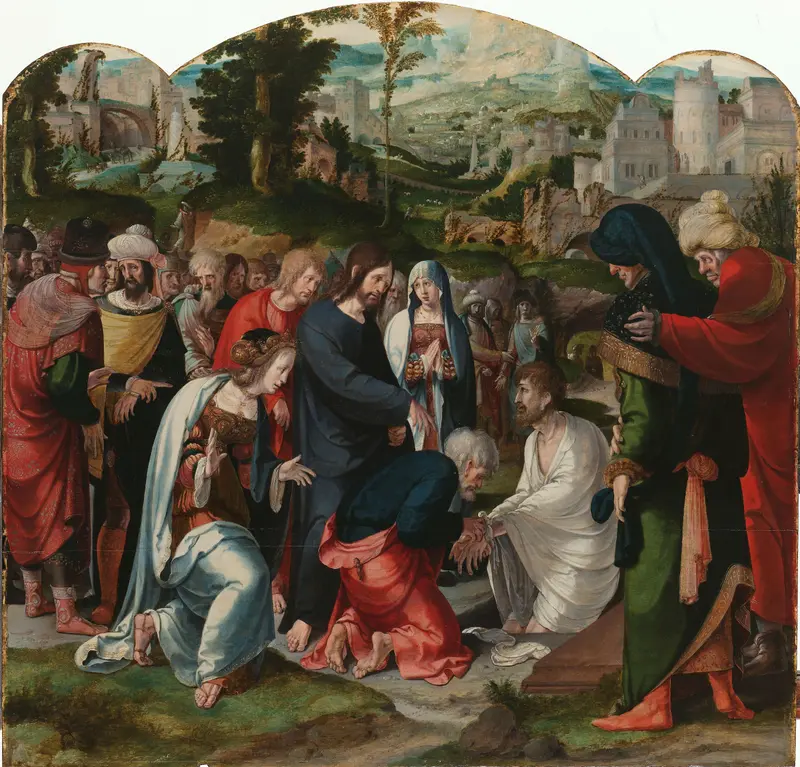
The Raising of Lazarus
Aertgen Claesz van Leyden
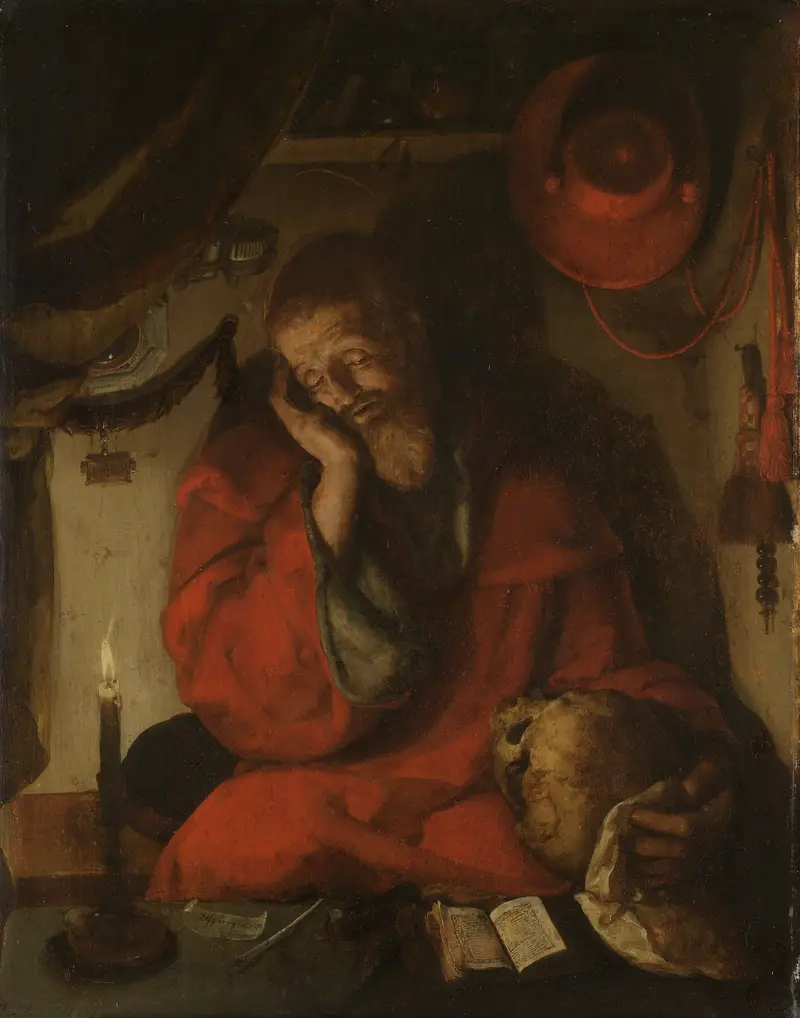
Saint Jerome in his Study by Candlelight
Aertgen Claesz van Leyden
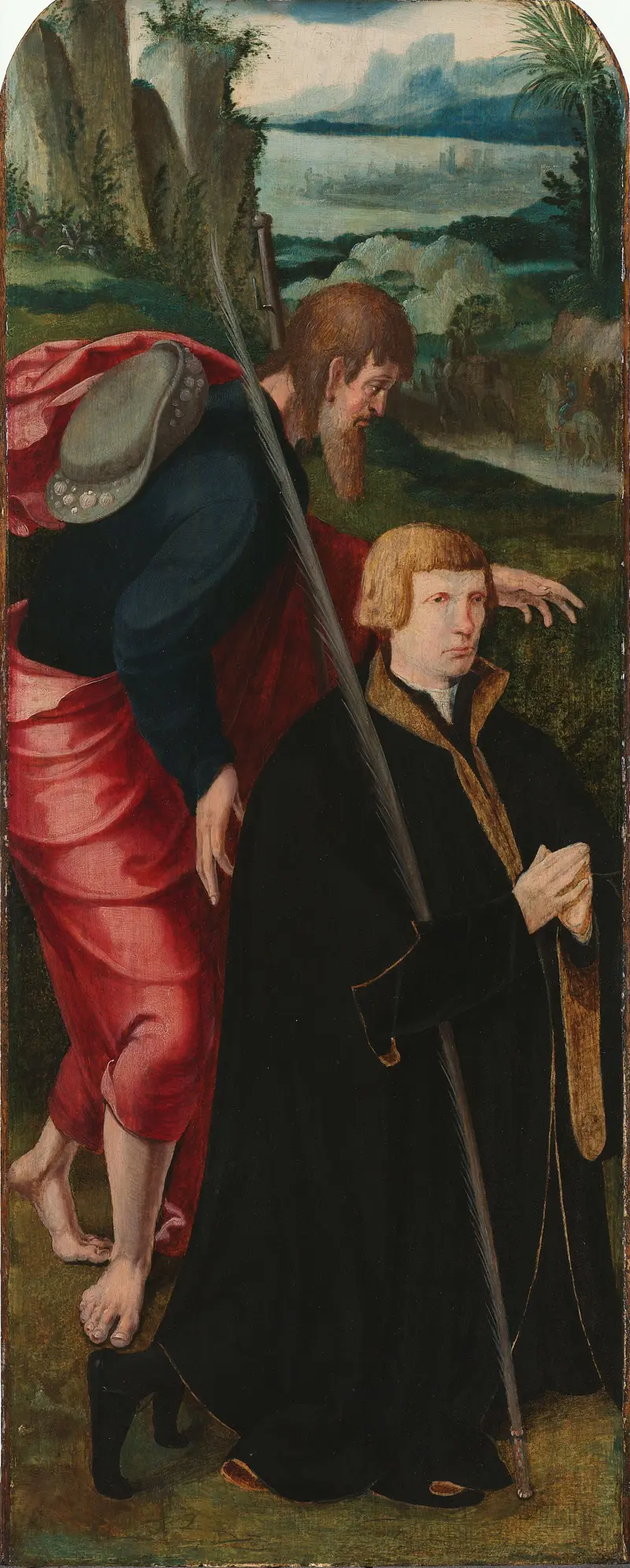
The Raising of Lazarus
Aertgen Claesz van Leyden
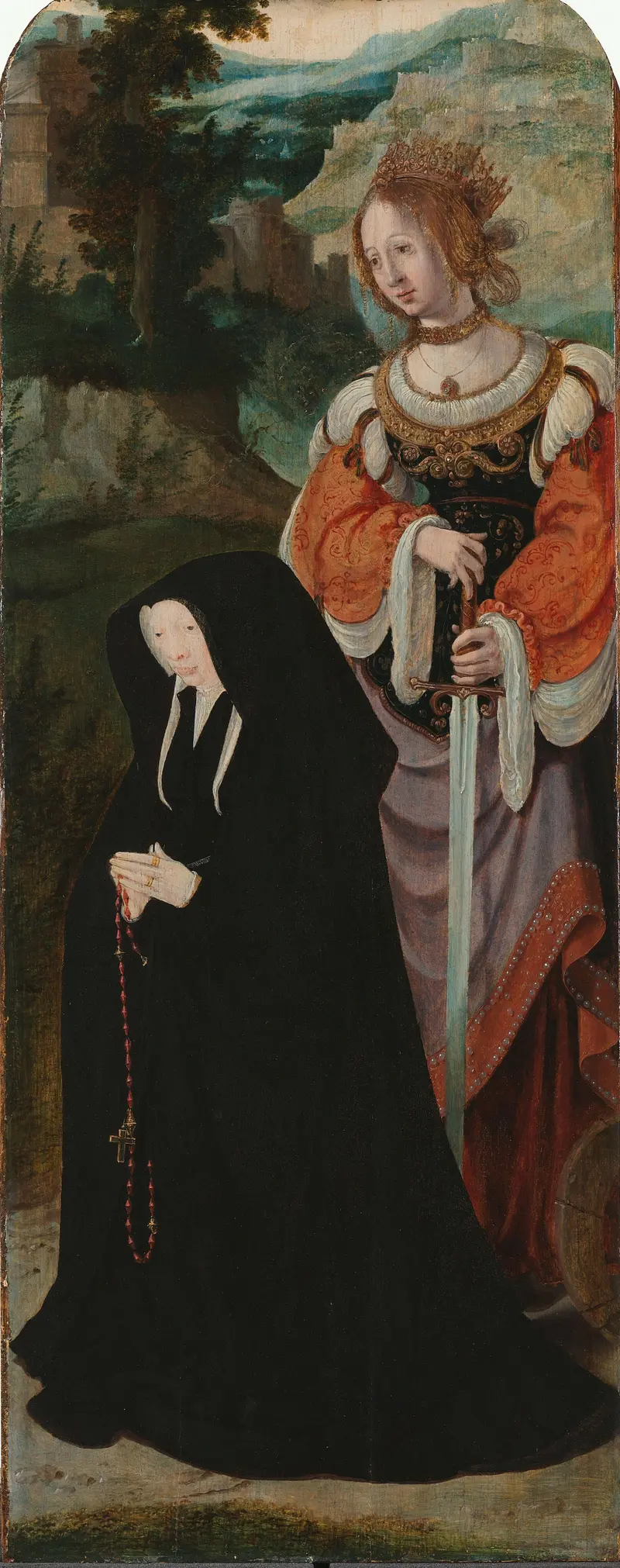
The Raising of Lazarus
Aertgen Claesz van Leyden
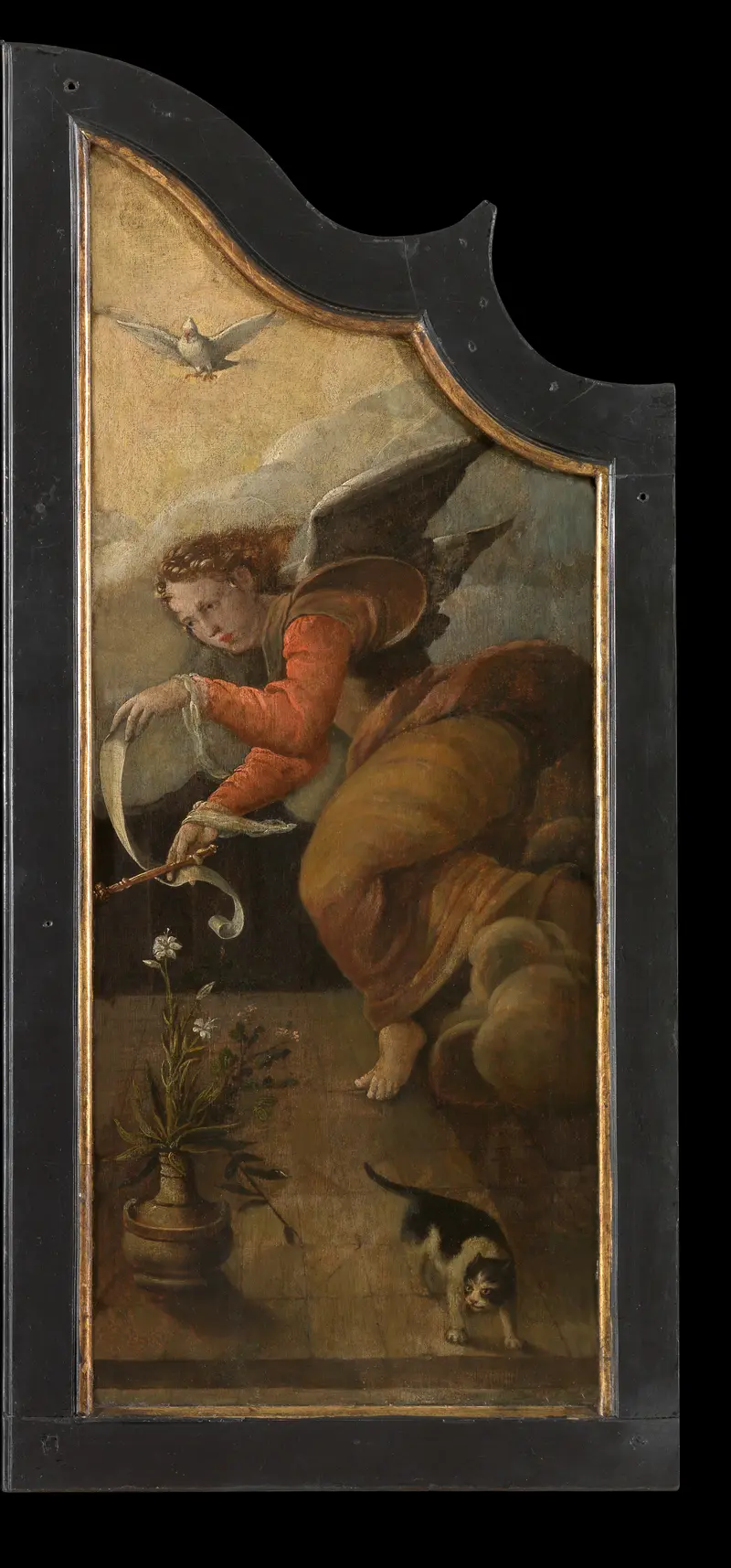
Angel Gabriel
Aertgen Claesz van Leyden
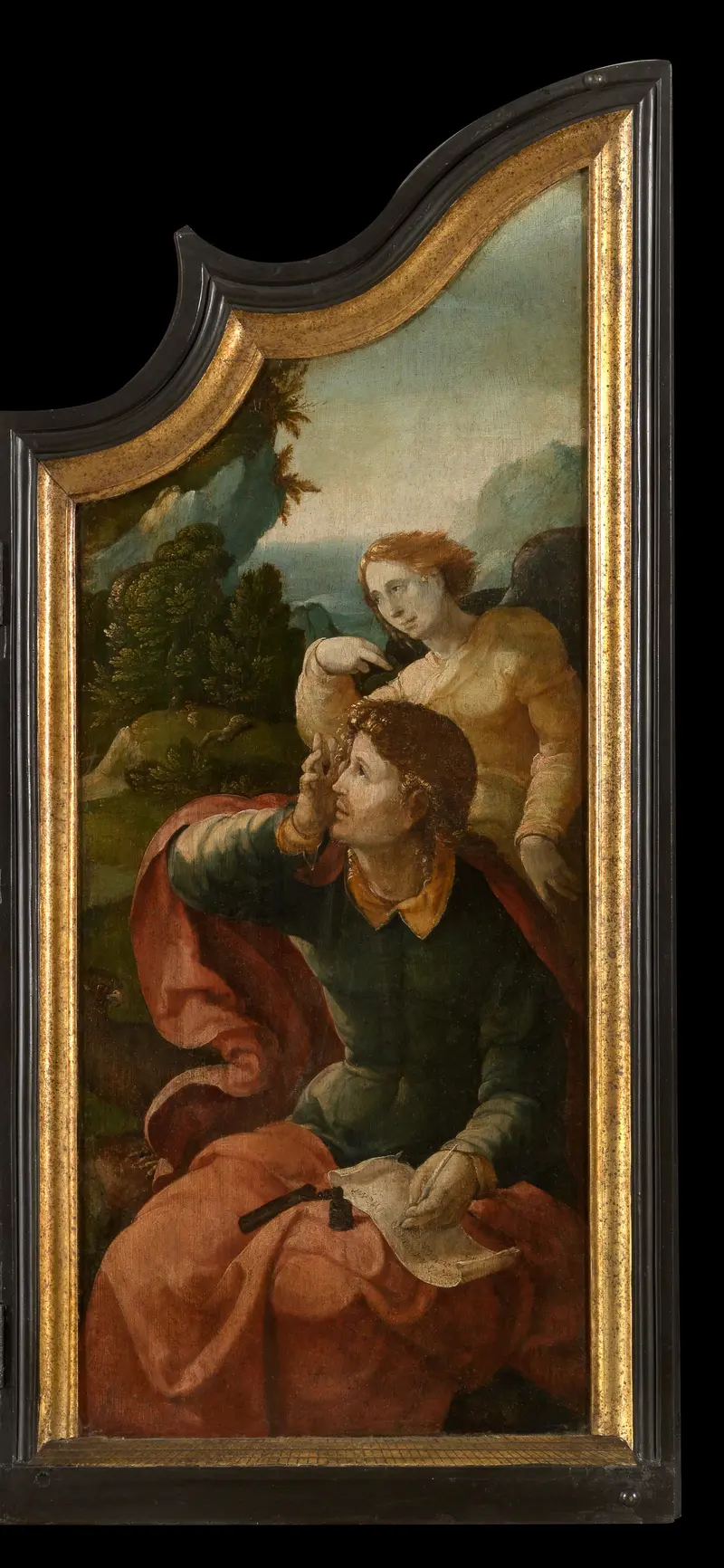
Saint John on Patmos
Aertgen Claesz van Leyden
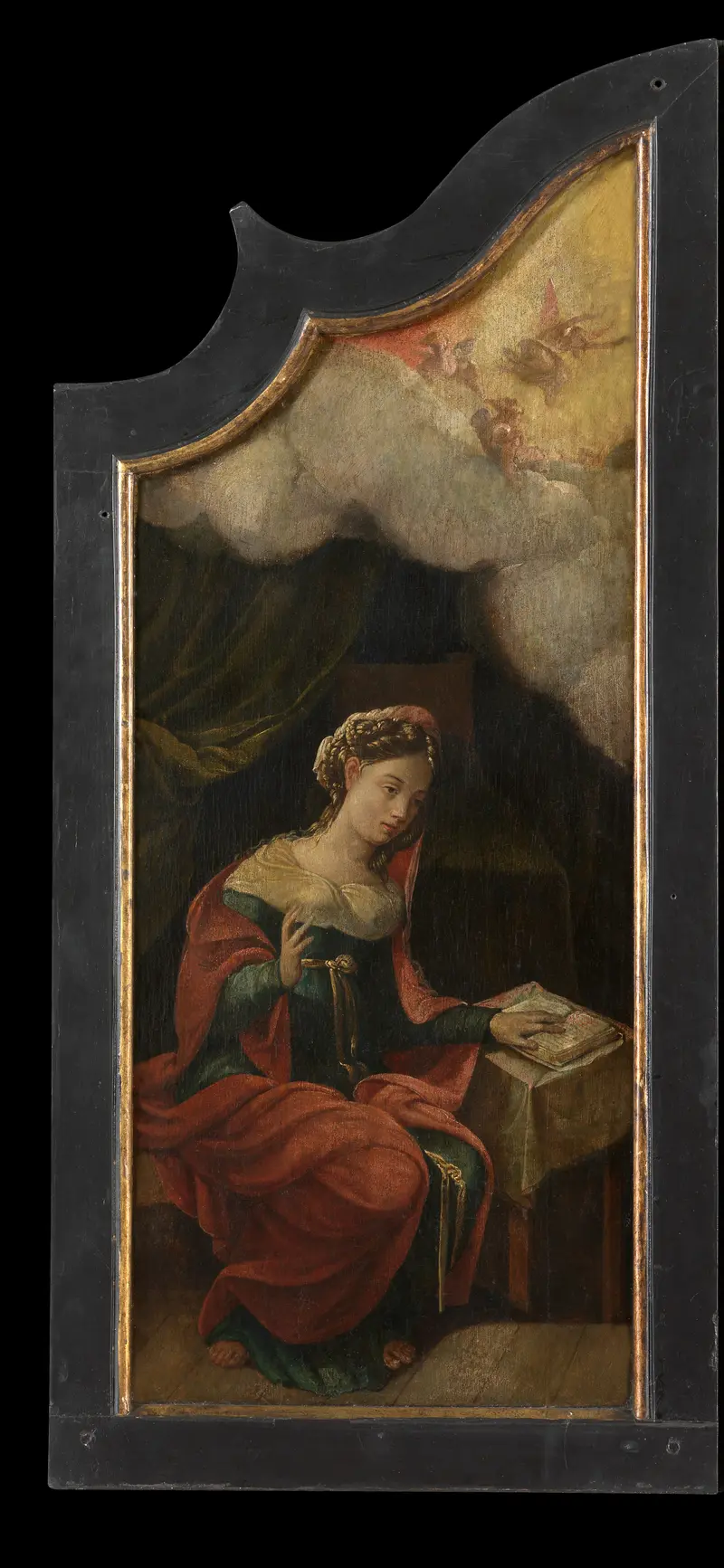
Maria
Aertgen Claesz van Leyden
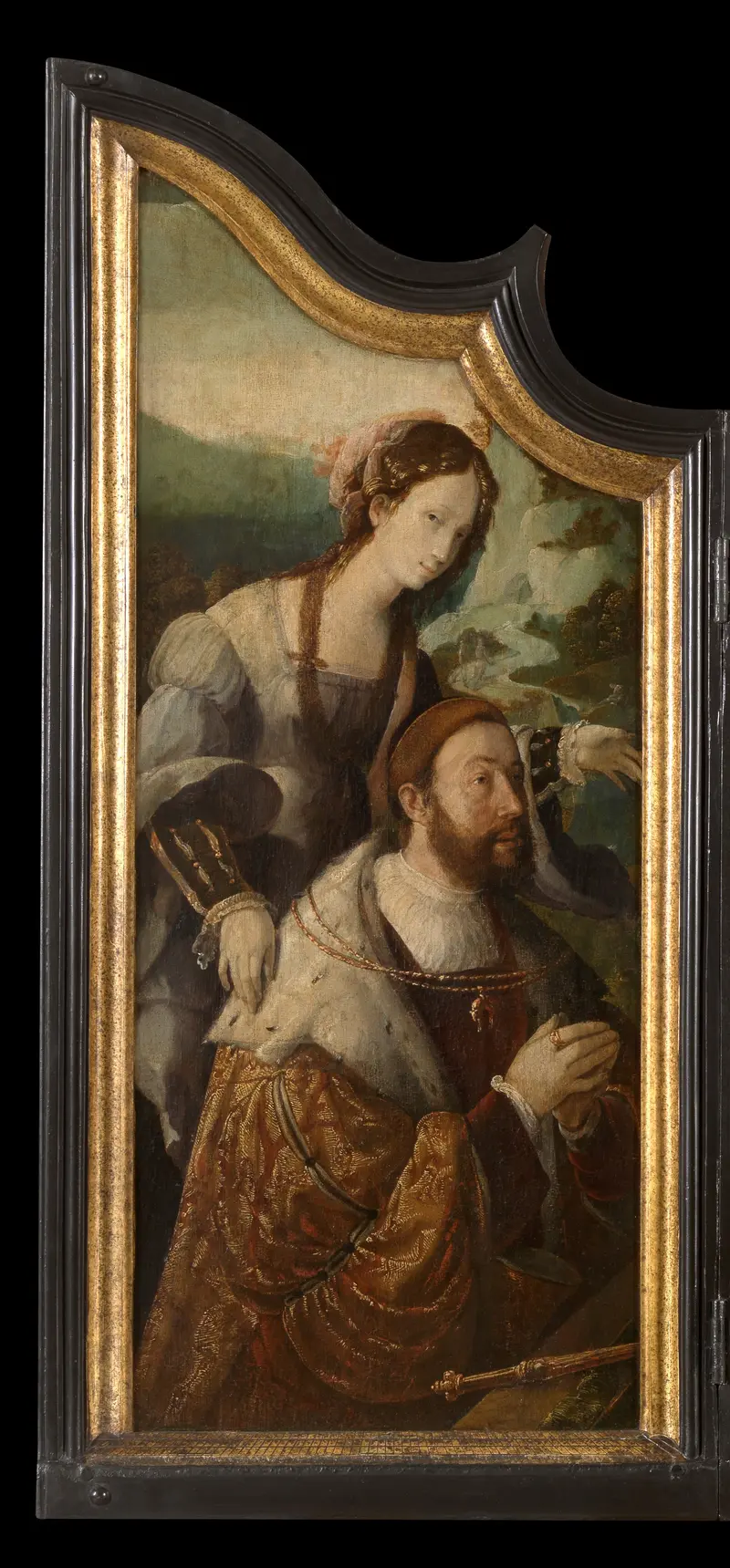
Count Henry III of Nassau with the Tiburtine sibille
Aertgen Claesz van Leyden





