
Homme assis — History & Facts
In Homme assis, Henri Matisse presents a seated man, characterized by bold and vibrant colors. The figure is depicted against a simplified background, which emphasizes his presence. The use of flat areas of color creates a striking contrast that draws the viewer's eye.
Matisse's unique style is evident in the fluid lines and the expressive use of color. The painting is executed in oil on canvas, showcasing Matisse's signature technique of layering color. The dimensions are approximately 65 x 81 cm, making it a medium-sized work that invites close viewing. The brushwork is loose yet deliberate, allowing for a sense of movement within the stillness of the portrait.
The composition is balanced, with the figure centrally placed, creating a focal point for the viewer. Henri Matisse was a leading figure in the Fauvism movement, known for his use of color and form. Homme assis reflects his exploration of emotional expression through color rather than realistic representation. An interesting fact about this work is that it exemplifies Matisse's transition towards a more abstract style, which would influence modern art significantly.
The painting is currently housed in the Musée d'Orsay, a fitting location for such a pivotal piece of modernist art.
More Artworks by Henri Matisse
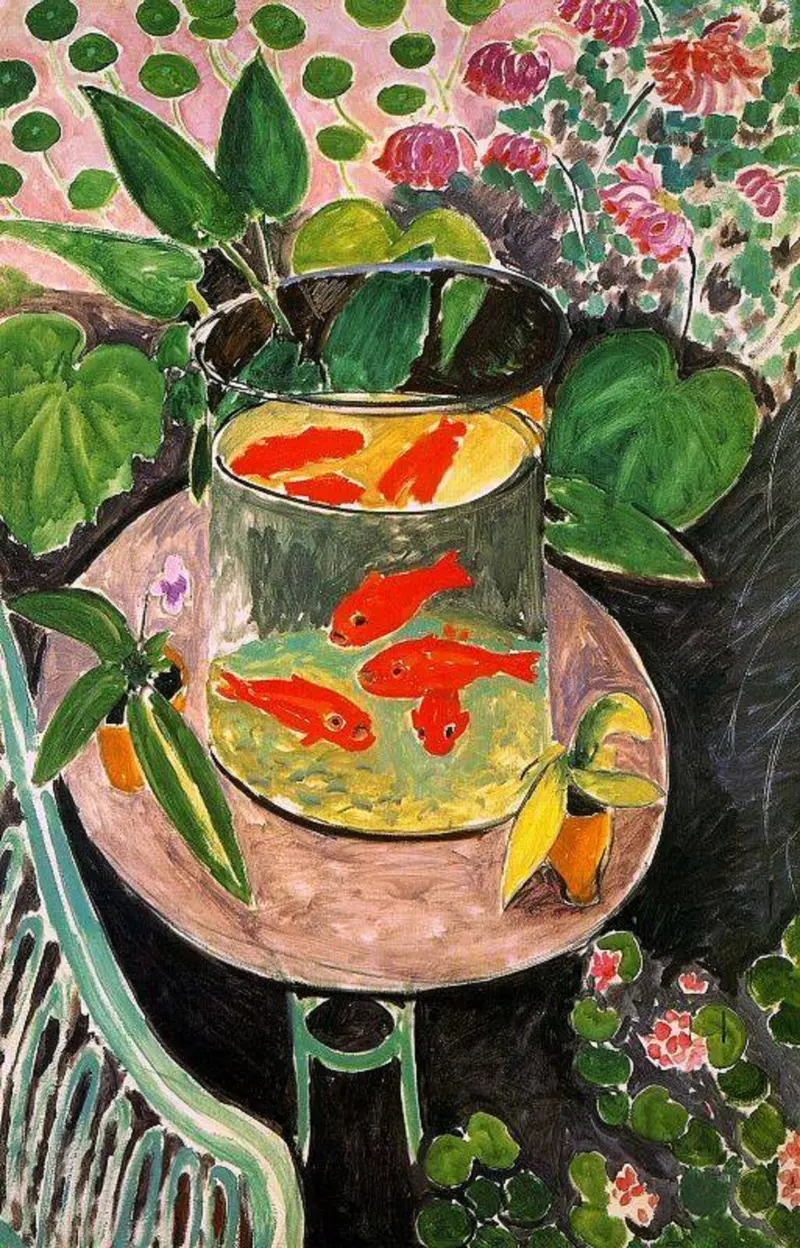
Goldfish
Henri Matisse

Femme au chapeau fleuri
Henri Matisse
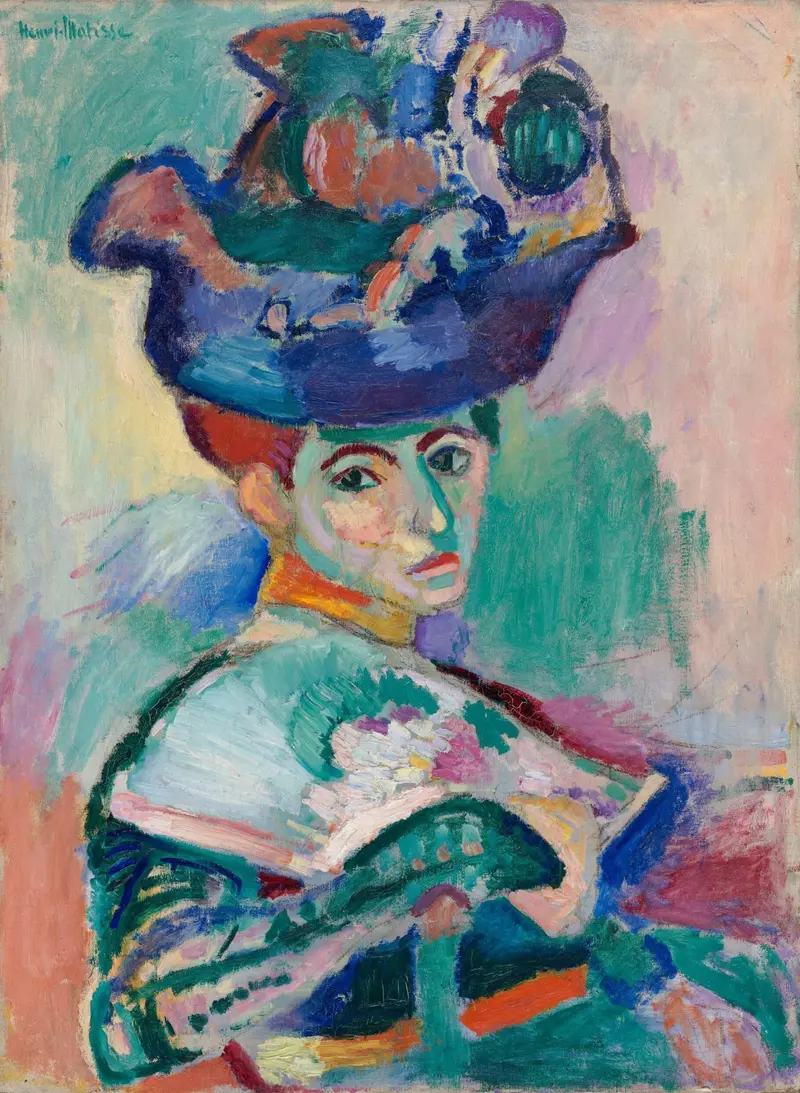
Woman with a Hat
Henri Matisse
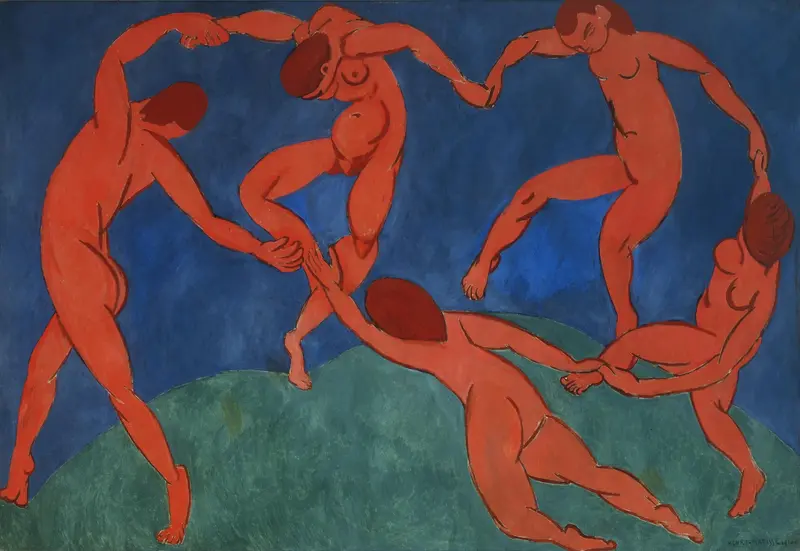
The Dance
Henri Matisse

Le Bonheur de vivre, also called The Joy of Life
Henri Matisse

Femme près de la fenêtre, Nice
Henri Matisse
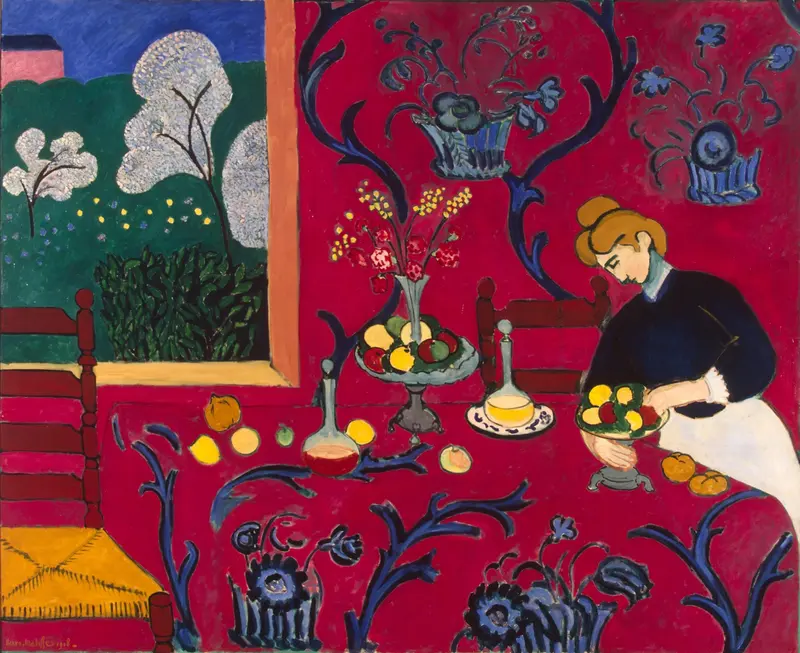
Harmony in Red (The Red Room)
Henri Matisse
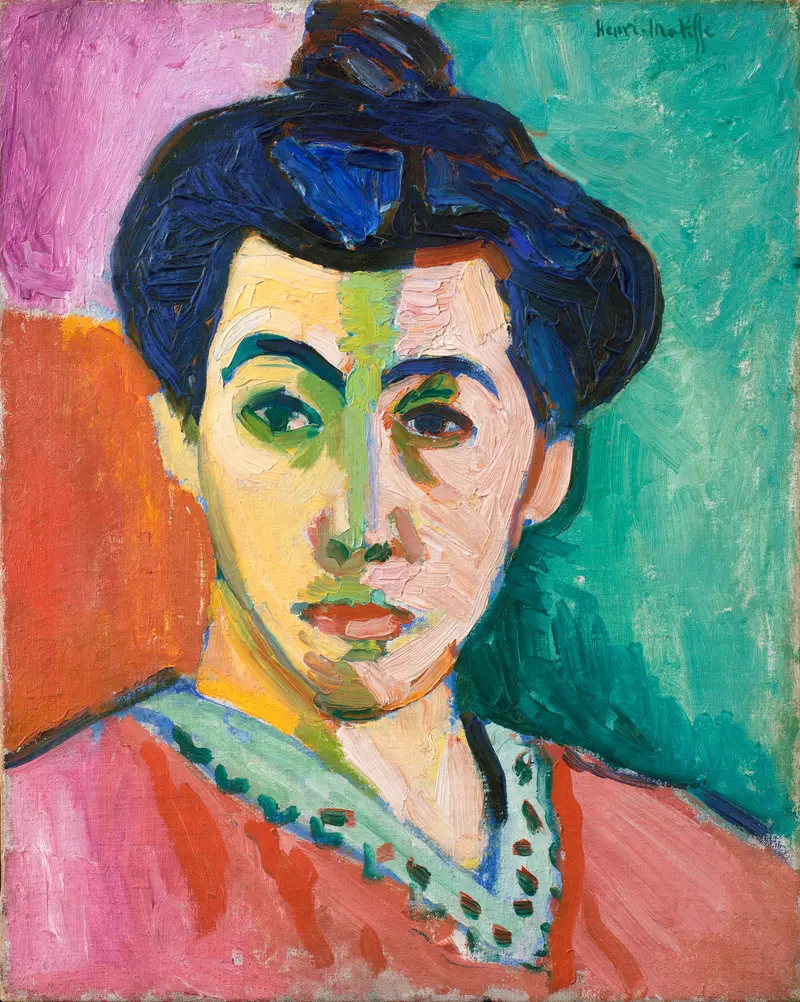
The Green Stripe (Portrait of Madame Matisse)
Henri Matisse
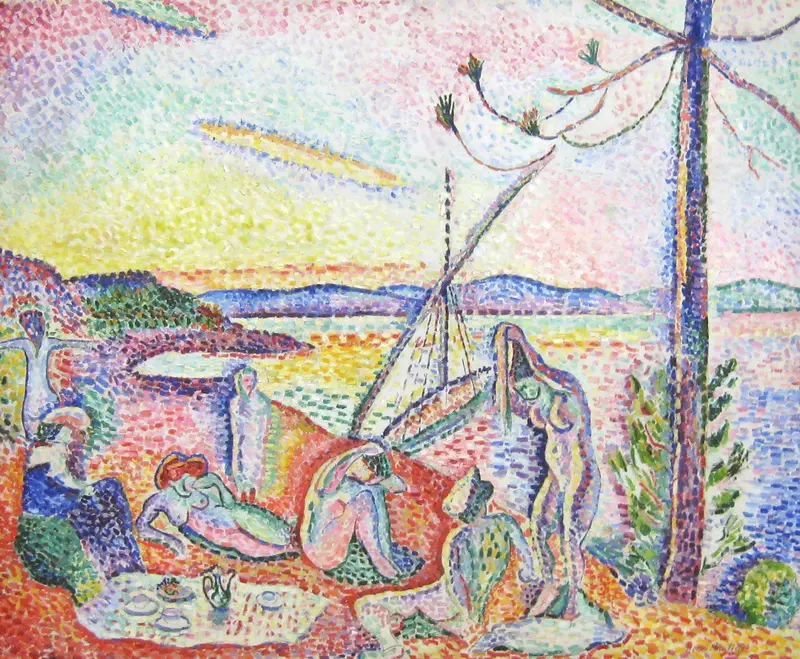
Luxe, Calme et Volupté
Henri Matisse
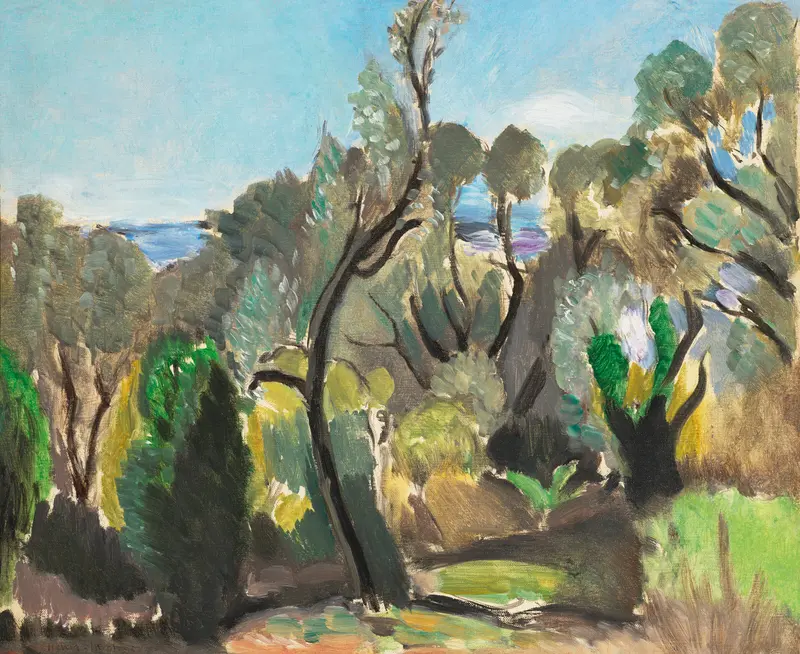
Paysage aux environs de Nice ou Les Oliviers ou Coin du Mont-Boron
Henri Matisse





