
Hop picking — History & Facts
What if beauty was never meant to be finished? In Julian Falat's Hop Picking, the essence of awakening breathes life into the canvas, inviting viewers to contemplate the transient nature of work, labor, and the beauty found within them. Focus on the vibrant greens that dominate the foreground, where workers toil amidst lush hop vines. Their bodies bend and stretch, capturing the essence of their laboring souls, while dappled light filters through the foliage, creating a play of shadow and illumination. The brushwork is loose yet deliberate, allowing the figures to merge with their surroundings, suggesting a symbiotic relationship that transcends mere toil. Hidden within the busy scene lies a contrast between the rhythm of labor and moments of stillness.
Notice the expressions on the workers’ faces — a mixture of concentration and joy, hinting at their connection to the land and the season. The rich color palette, with earthy browns and vibrant greens, speaks to the life cycle of nature, harmonizing with the determination of those who cultivate it. This interplay cultivates a deeper understanding of beauty as an awakening, made poignant by the labor behind its creation. Falat painted Hop Picking in 1884, during a significant period in the history of art.
Living in Poland but deeply influenced by the plein air movement, he sought to capture the immediacy of nature and the human experience. This year marked a time of burgeoning interest in realism and the everyday, as artists began to turn their focus to the lives of ordinary people, revealing the intrinsic beauty of their struggles and triumphs in the natural world.
More Artworks by Julian Falat
Browse all →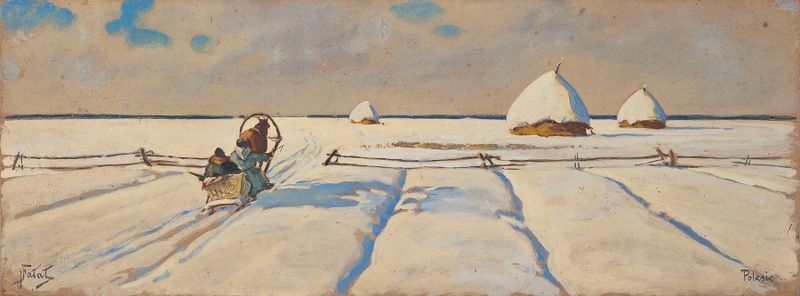
Sleigh in a snowy field – Polesia
Julian Falat
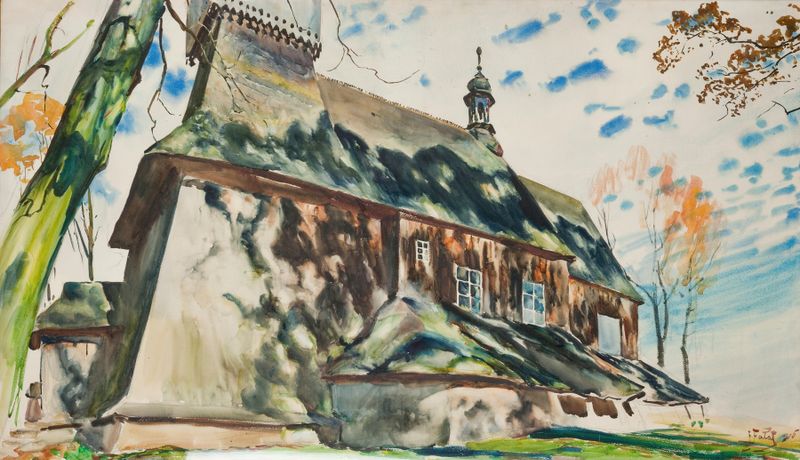
Church in Osiek
Julian Falat
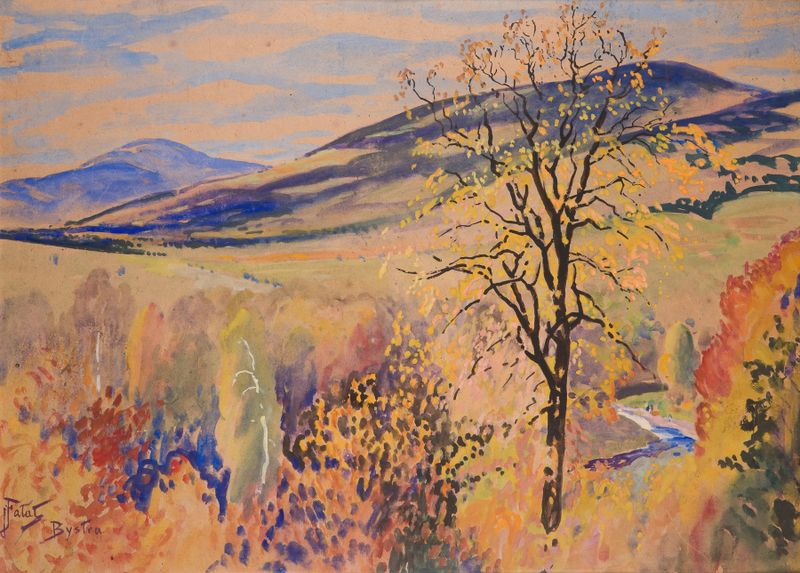
Pejzaż jesienny z Bystrej
Julian Falat
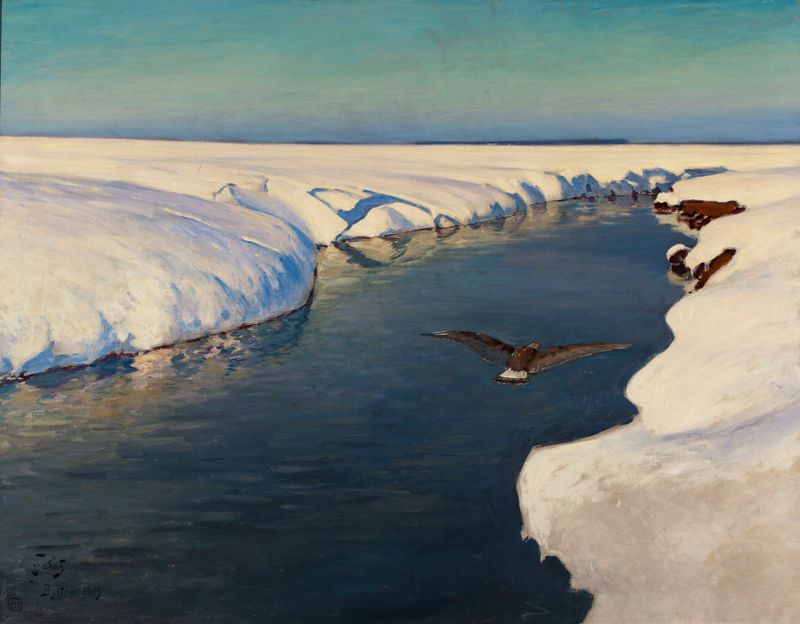
Winter landscape with a river and a bird
Julian Falat
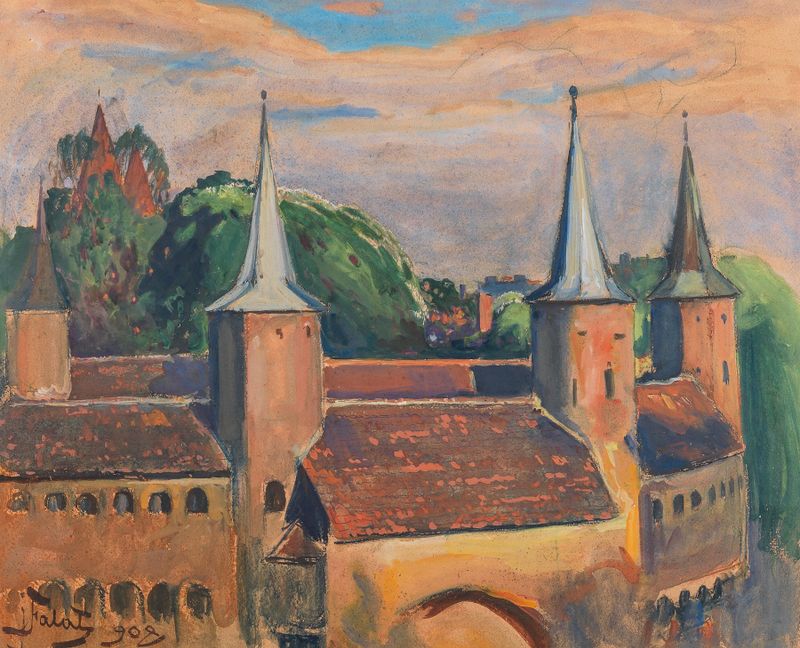
The Kraków Barbican
Julian Falat
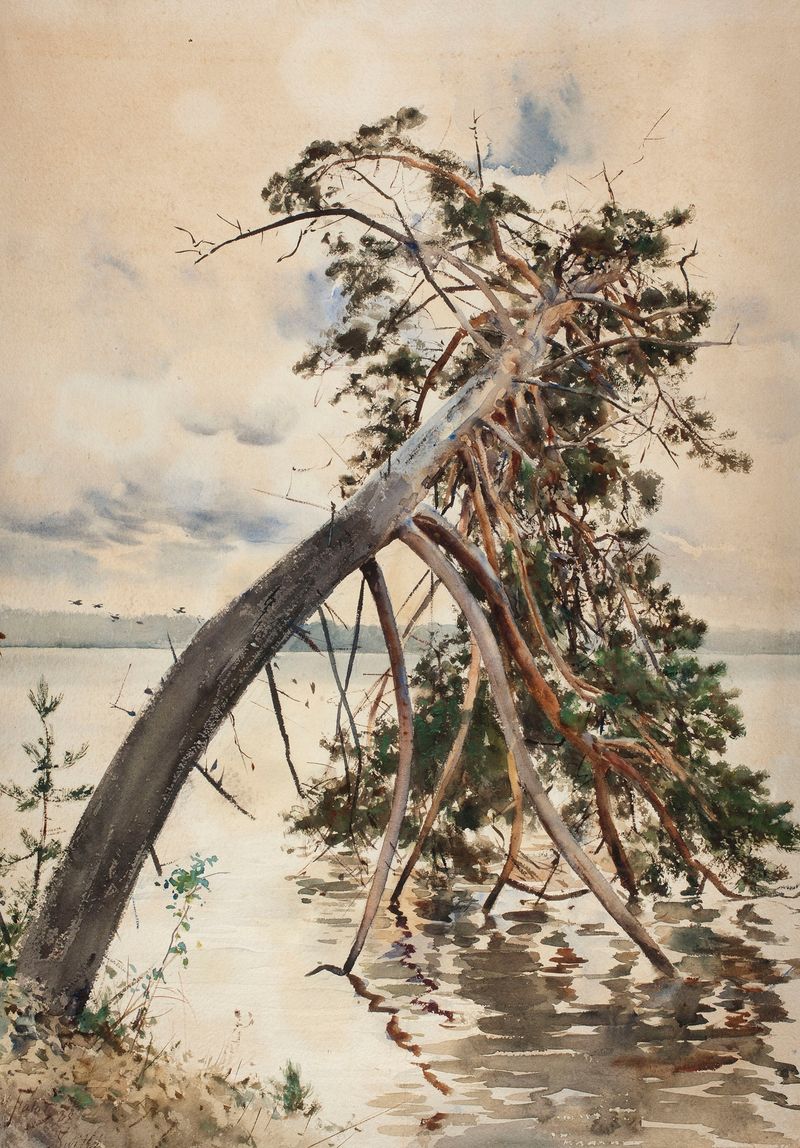
Świteź
Julian Falat
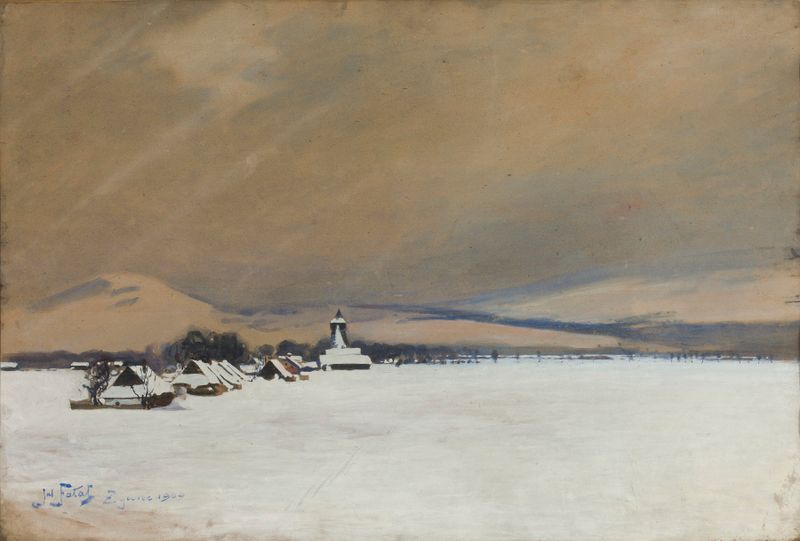
Winter landscape from Żywiec
Julian Falat
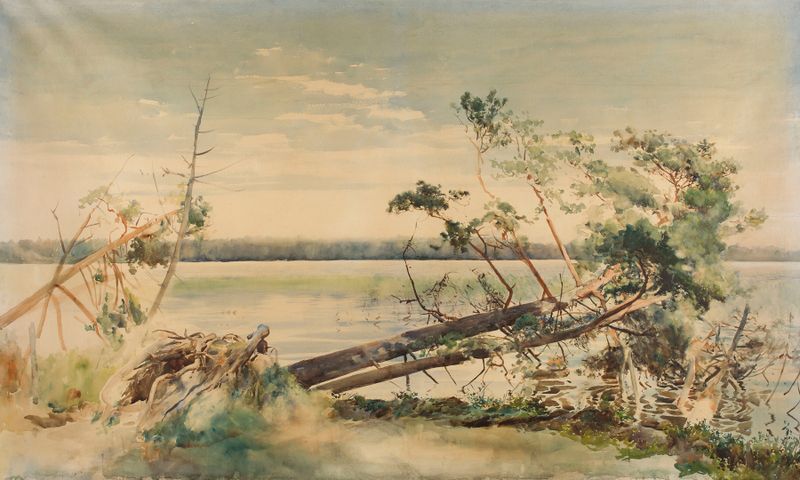
Świteź
Julian Falat
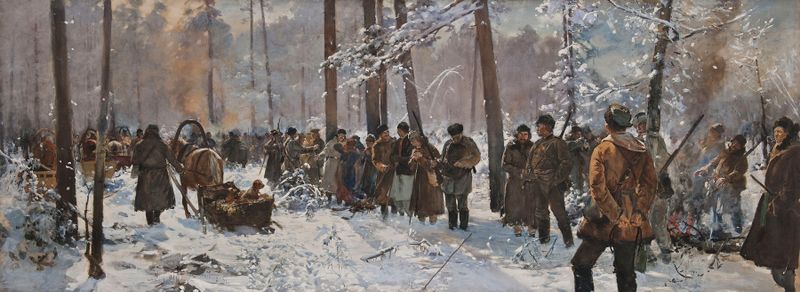
Battue at a hunt in Nieśwież
Julian Falat
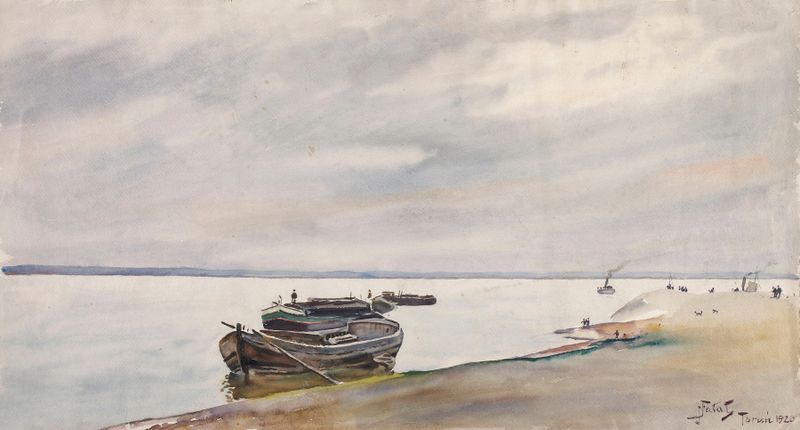
Boats and steamship on the Vistula near Toruń
Julian Falat





