
House of Mère Bazot — History & Facts
Can beauty exist without sorrow? In House of Mère Bazot, the quiet allure of a rural scene invites contemplation on the delicate balance between joy and melancholy. Look to the left at the charming cottage, its warm, inviting façade harmonizing with the lush green surroundings. The brushwork captures the gentle sway of foliage, while the rich palette — vibrant greens against soft earth tones — breathes life into the landscape. Notice how the dappled sunlight plays upon the thatched roof, creating an interplay of light and shadow that heightens the sense of tranquility within this pastoral haven. Delve deeper into the painting, and you’ll begin to sense the quiet tension beneath its beauty.
The presence of the weeping willow, draping its branches slowly towards the water, underscores a feeling of nostalgia. Meanwhile, the distant horizon hints at the vastness beyond the idyllic scene, suggesting the inevitability of change and the passage of time. This duality of serenity and underlying sorrow evokes a poignant reflection on life’s fleeting moments, making the viewer acutely aware of what is both present and absent. In 1874, Charles François Daubigny painted this piece while residing in France, amidst a burgeoning interest in plein air landscapes.
During this period, artists sought to capture nature's fleeting effects, striving for authenticity in their representations. Daubigny was deeply influenced by the Impressionist movement, yet his work often balanced a certain romantic quality, shrouding pastoral scenes in layers of emotional resonance, echoing the complexities of existence itself.
More Artworks by Charles François Daubigny
Browse all →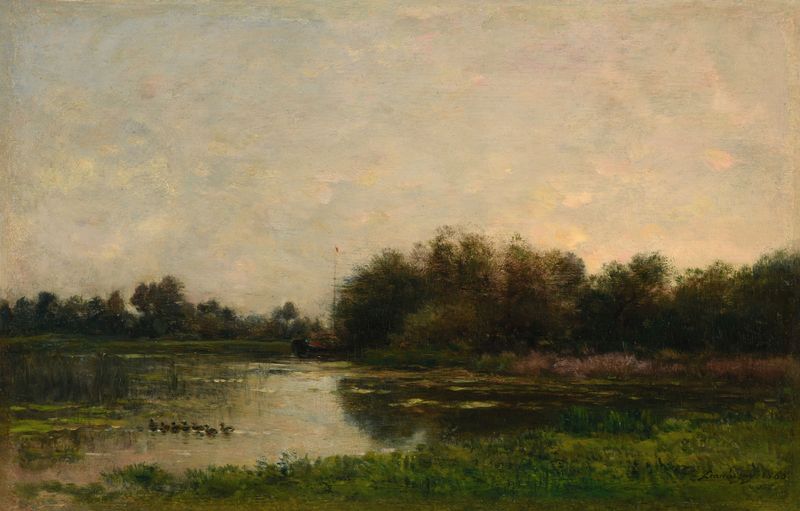
Bords de l’Oise
Charles François Daubigny
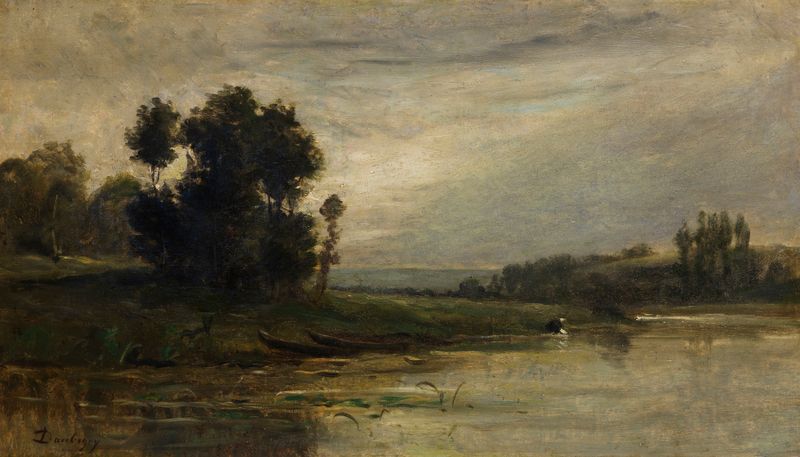
Bords de l’Oise
Charles François Daubigny
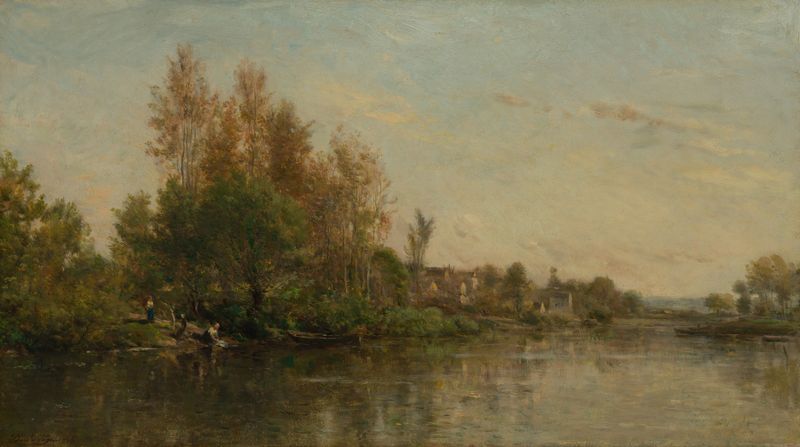
The Banks of the Oise
Charles François Daubigny
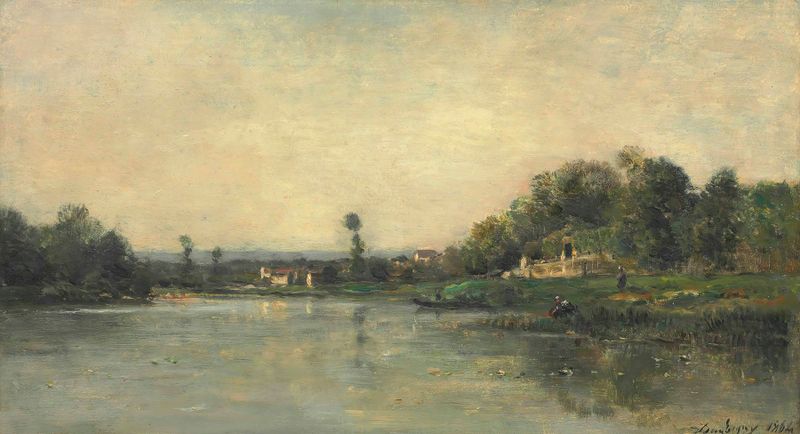
Les Bords De L’oise
Charles François Daubigny
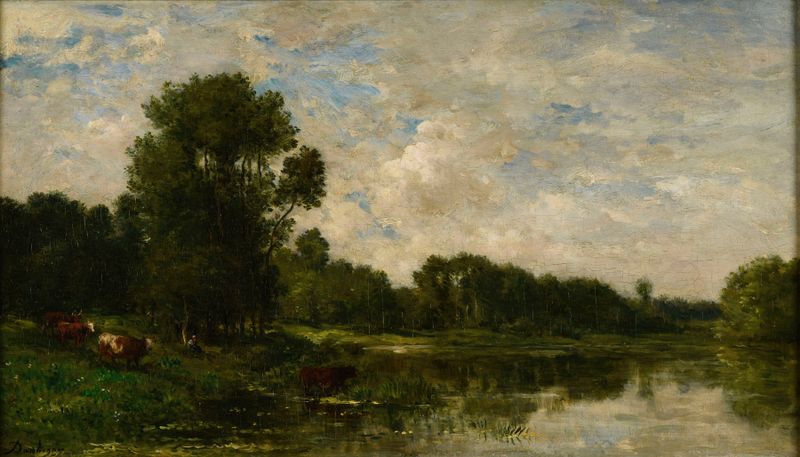
Bords de l’Oise
Charles François Daubigny
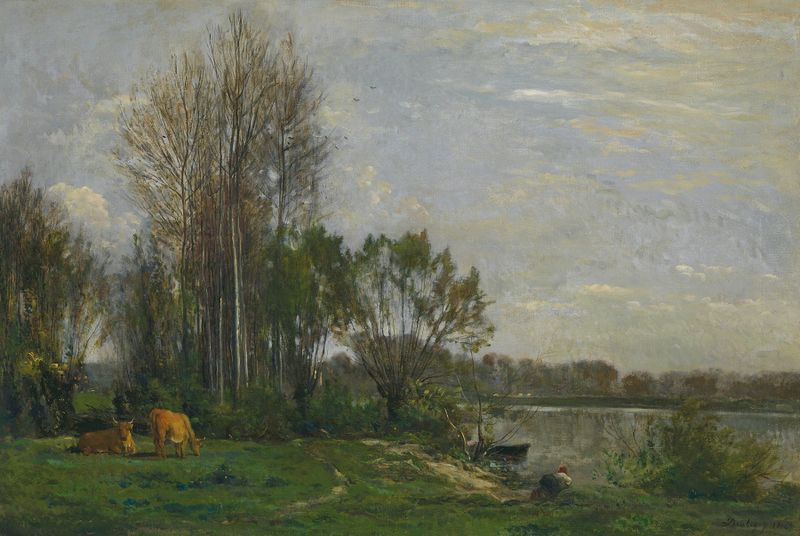
Les Bord De L’oise
Charles François Daubigny
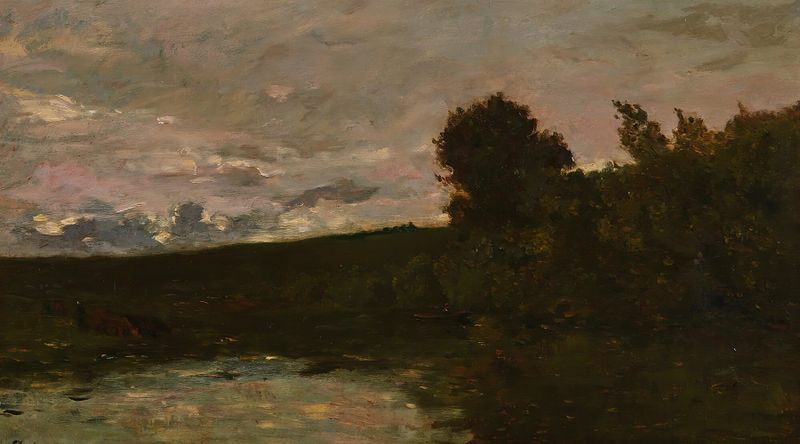
Bord De Riviére
Charles François Daubigny
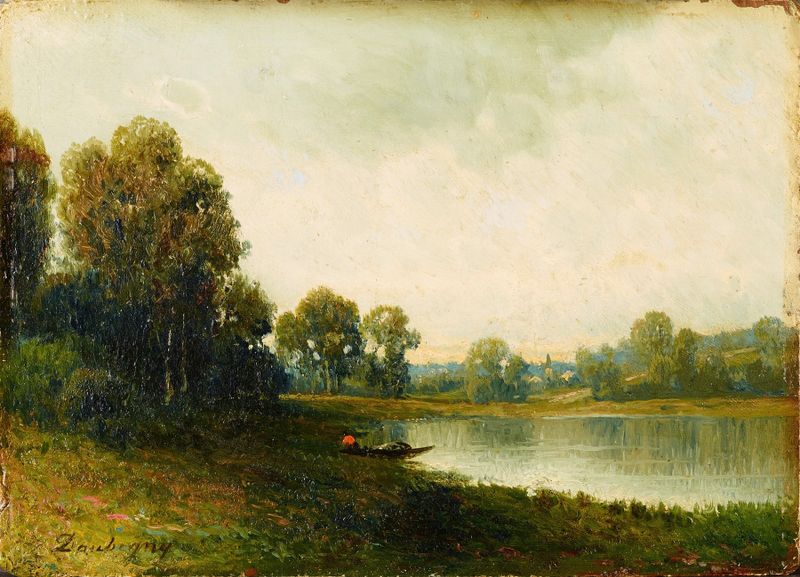
Landscape
Charles François Daubigny
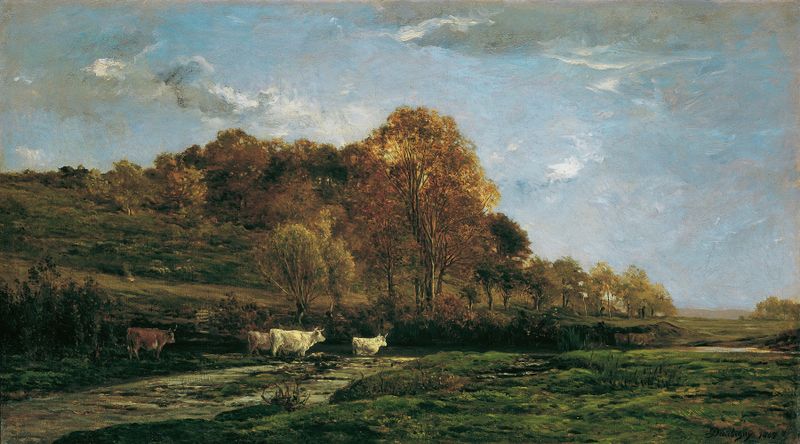
Herbstliche Aulandschaft Abendstimmung
Charles François Daubigny
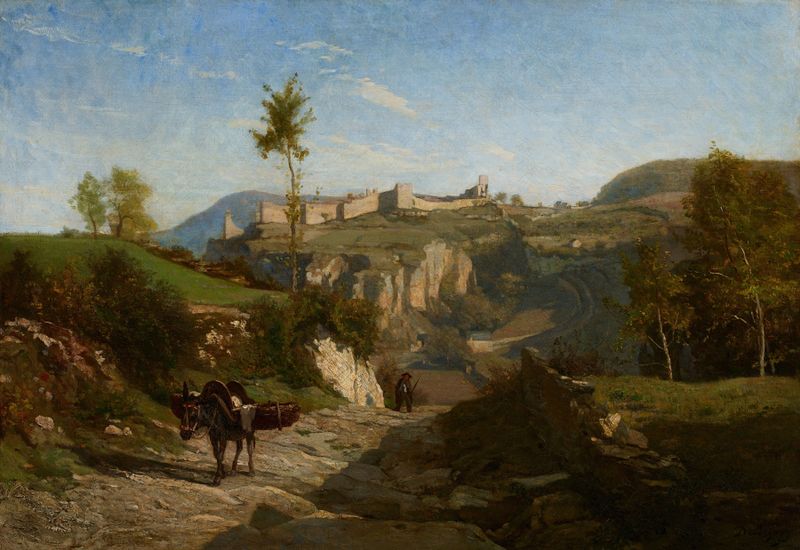
Landscape near Crémieu
Charles François Daubigny





