
Houses in Optevoz, France — History & Facts
In the quietude of nature, the divine whispers through the brush strokes of the world around us. Each hue serves as a bridge to understanding the beauty that cradles the ordinary. Look to the left at the clusters of homes nestled against the gentle undulations of the landscape. The soft, earthy tones of ochre and umber contrast against the vibrant greens of the foliage, creating a harmonious balance that draws the eye across the canvas.
Notice how Daubigny employs light with deft precision, illuminating the rooftops while casting the foreground into a serene shadow, suggesting a moment suspended in time. Beneath the tranquil surface lies a tension between humanity and nature, as the rural homes blend seamlessly into their surroundings. The juxtaposition of the sturdy structures against the fluid sweep of the sky hints at a fleeting permanence; life endures, yet remains ephemeral. The brushwork, both expressive and delicate, evokes a sense of divine presence — as if nature is both witness and participant in the lives of those who dwell within these homes. In 1852, while painting Houses in Optevoz, France, Daubigny was immersed in the landscape tradition that was redefining French art.
Living in a time of transition, he turned his gaze to the serene beauty of rural life, capturing the essence of both place and spirit. His work reflected wider movements within the art world, as artists sought to express the relationship between humanity and the natural world, a pursuit that would continue to evolve in subsequent decades.
More Artworks by Charles François Daubigny
Browse all →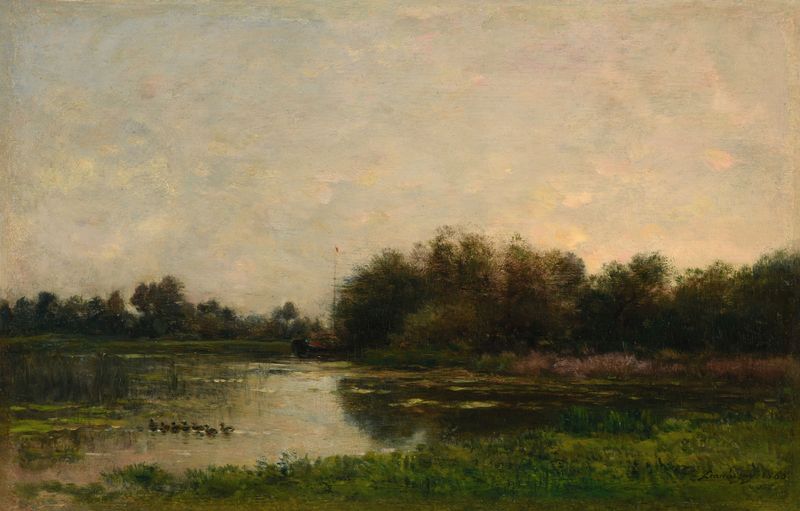
Bords de l’Oise
Charles François Daubigny
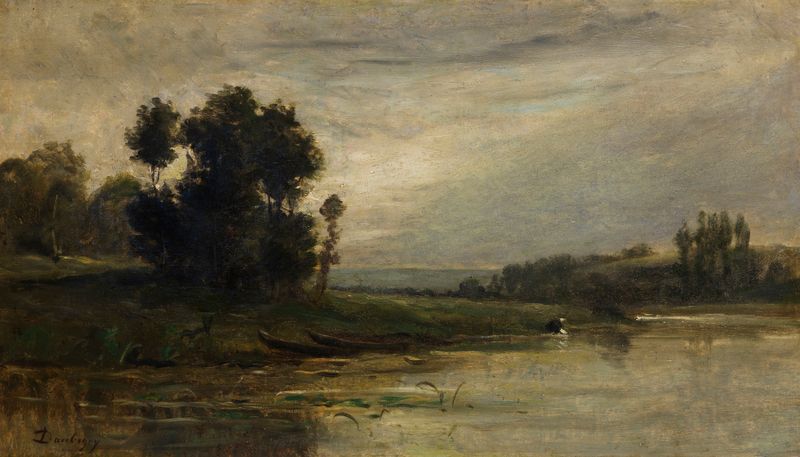
Bords de l’Oise
Charles François Daubigny
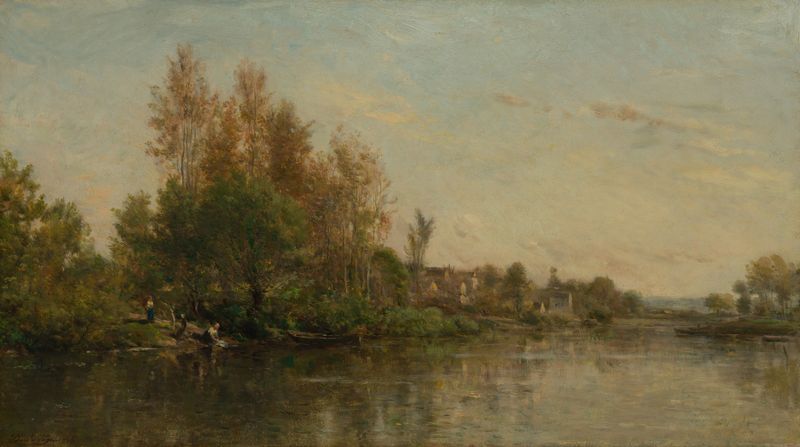
The Banks of the Oise
Charles François Daubigny
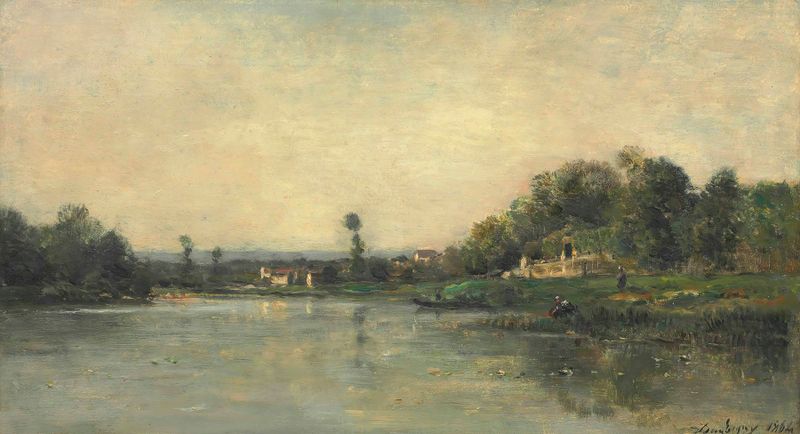
Les Bords De L’oise
Charles François Daubigny
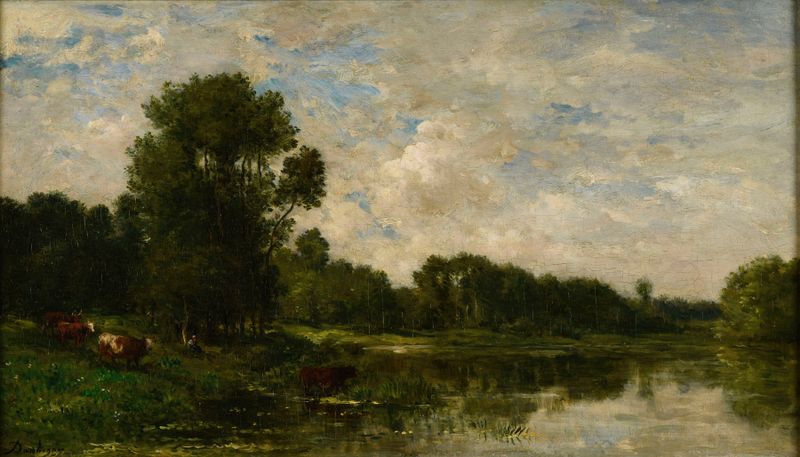
Bords de l’Oise
Charles François Daubigny
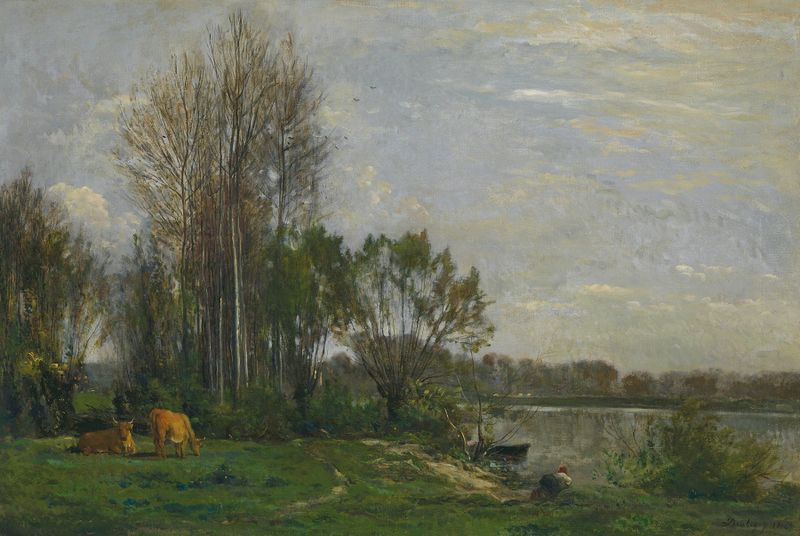
Les Bord De L’oise
Charles François Daubigny
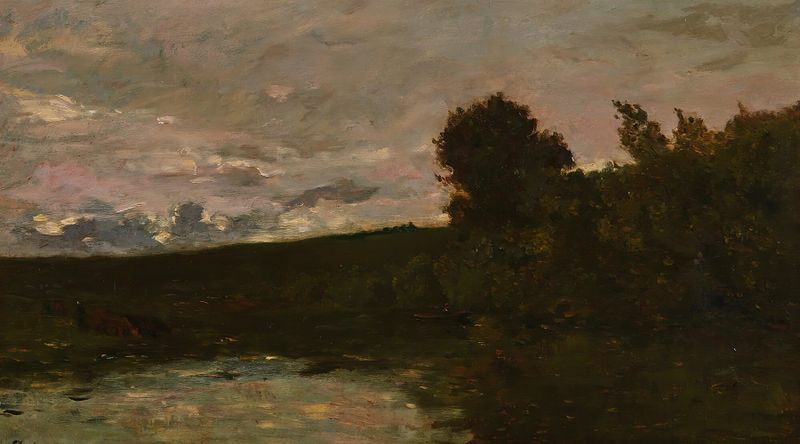
Bord De Riviére
Charles François Daubigny
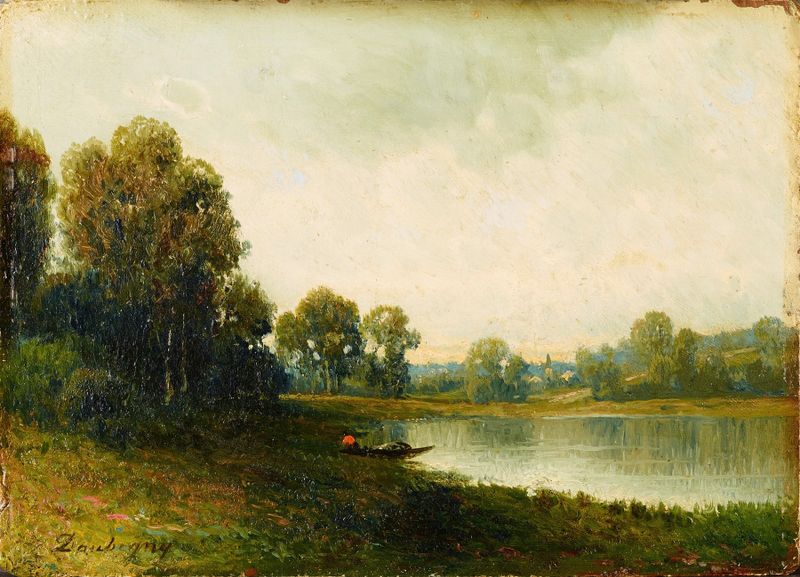
Landscape
Charles François Daubigny
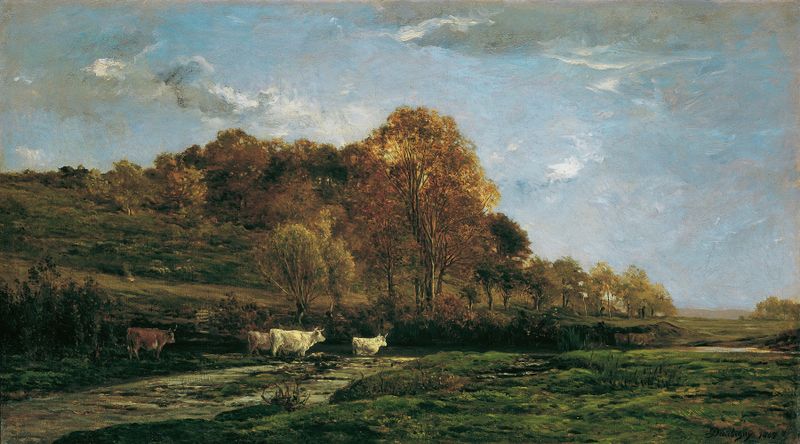
Herbstliche Aulandschaft Abendstimmung
Charles François Daubigny
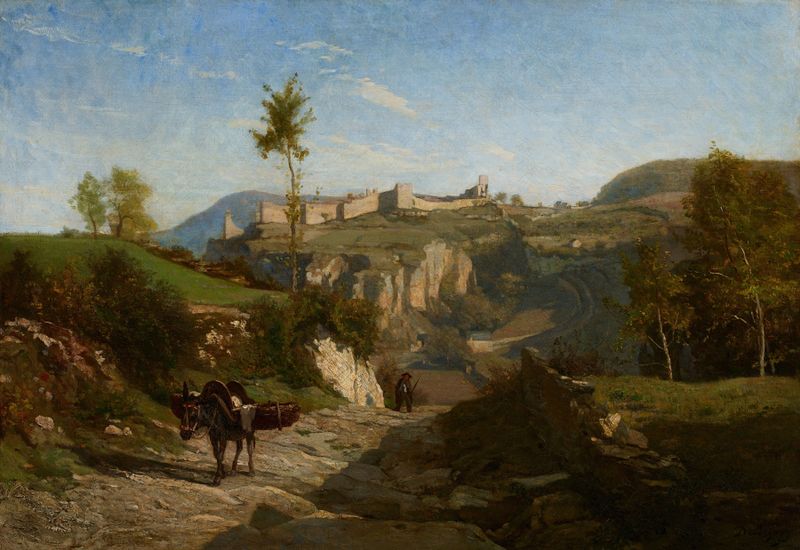
Landscape near Crémieu
Charles François Daubigny





