Houtzaagmolen — History & Analysis
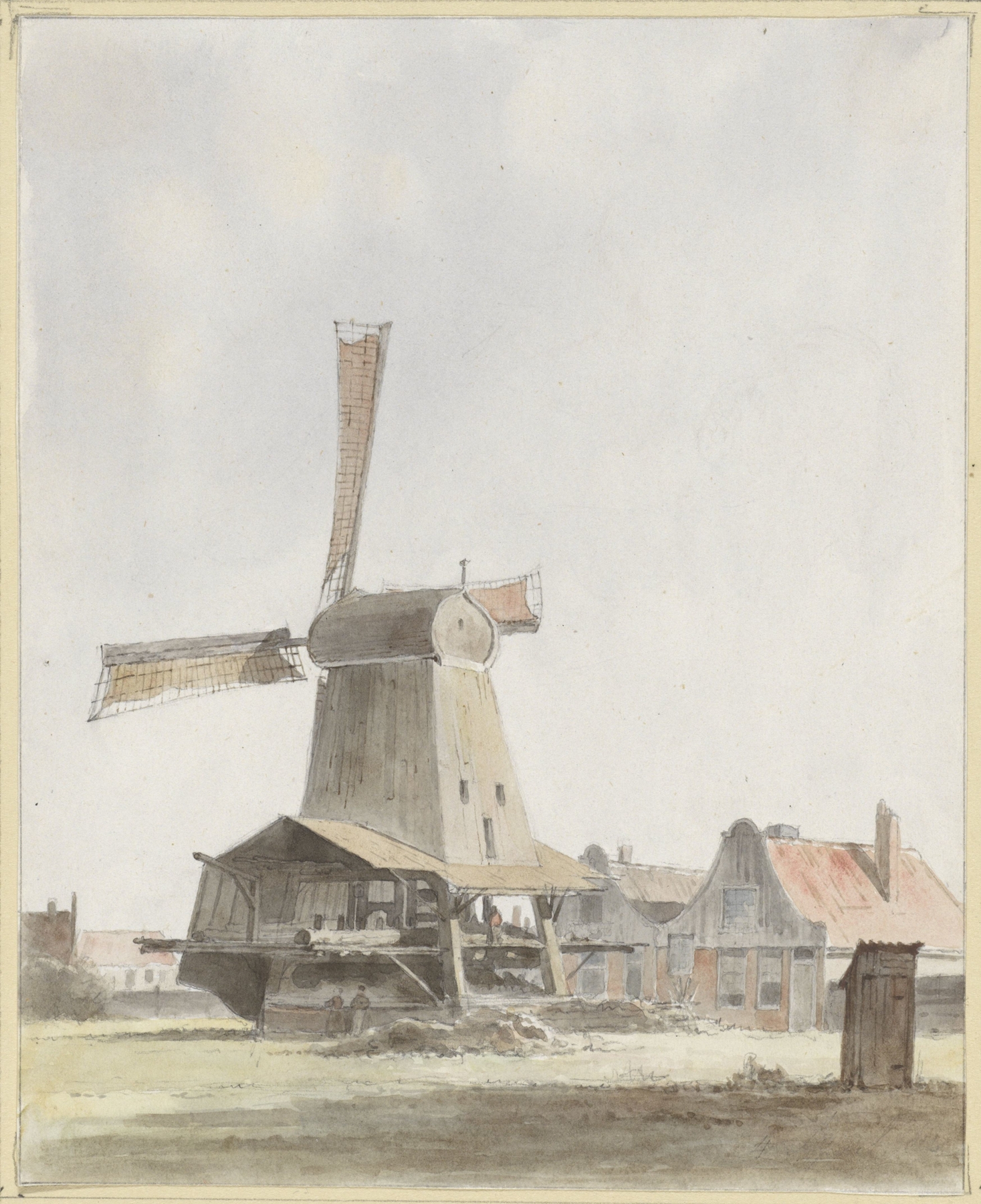
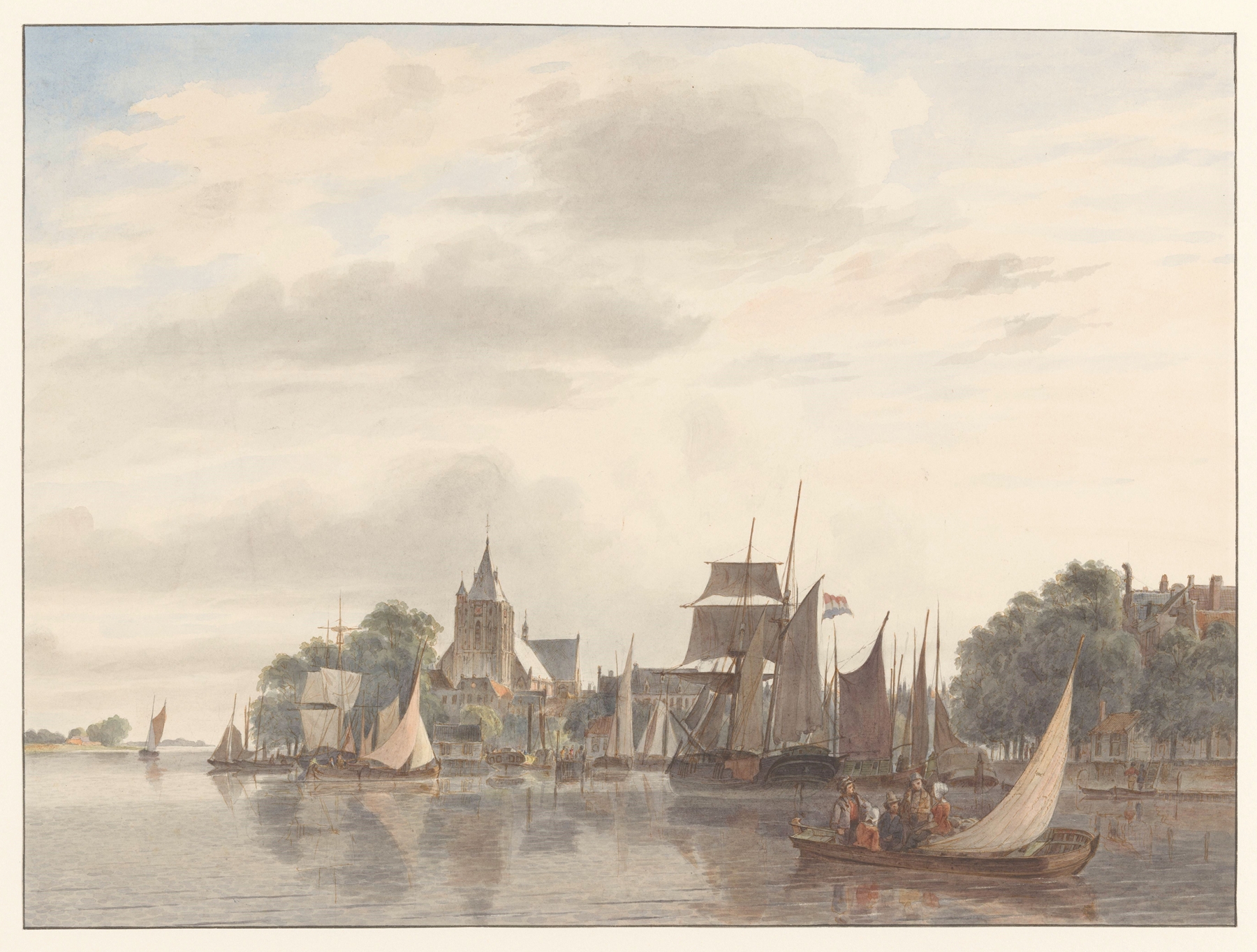
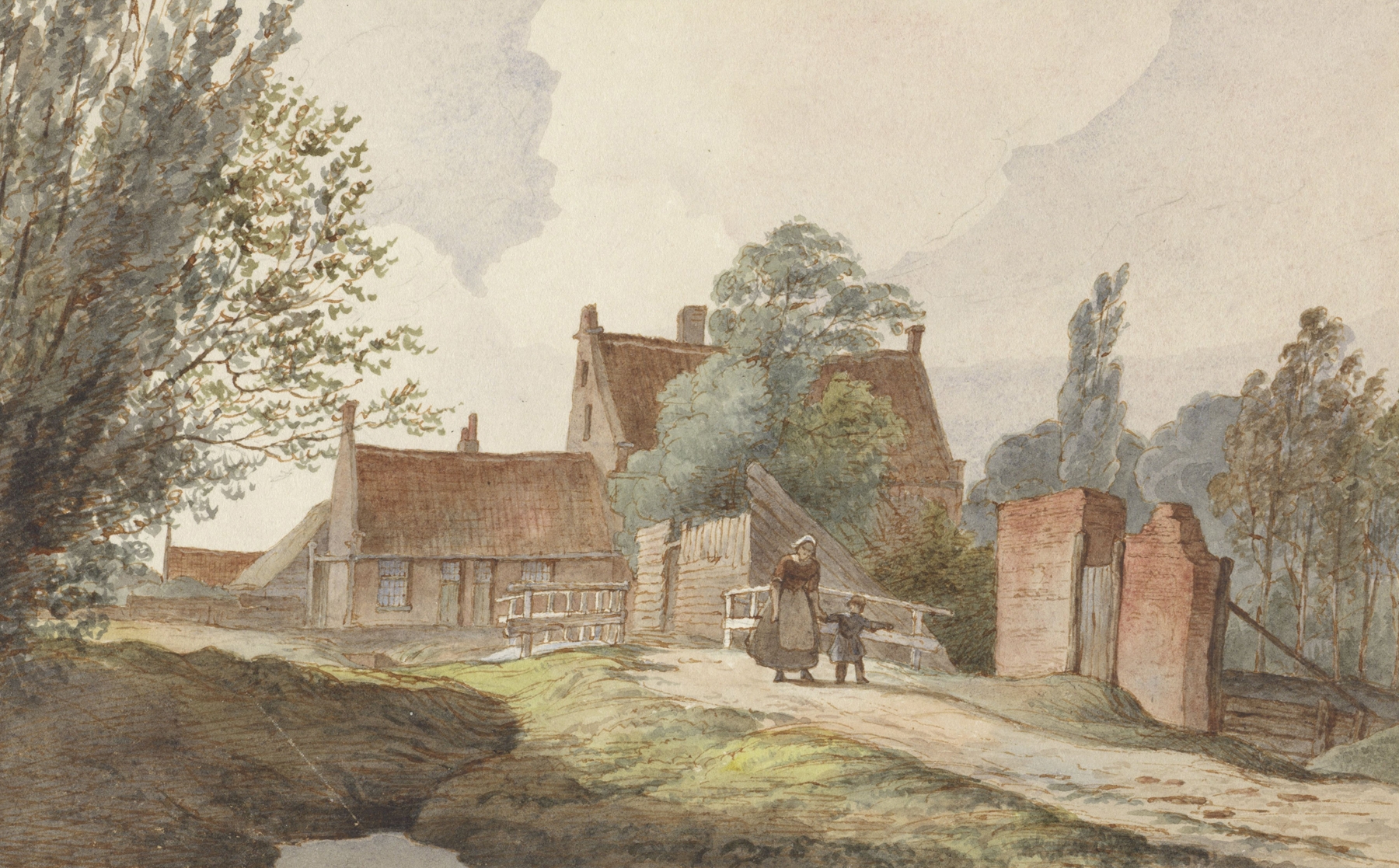
Could beauty survive in a century of chaos? Amidst the turbulence of the 19th century, this painting whispers of tranquility, holding its breath in a world gripped by madness. Look to the left at the sturdy windmill, its large wooden sails dramatically caught in the breeze. The artist employs a muted palette, blending greens and browns to evoke the lush landscape, while the cerulean sky hints at a fleeting serenity. Notice how the sunlight filters through the clouds, casting gentle illuminations on the mill and surrounding fields, creating a sharp contrast against the darker tones of the earth.
The composition draws the eye to the windmill's towering presence, symbolizing resilience in an ever-changing world. Deeper still, one might ponder the juxtaposition of industrial progress and pastoral beauty. The windmill stands as a towering sentinel, a testament to craftsmanship and human perseverance, amid nature's vibrant chaos. The rhythmic, circular motion of the blades can evoke a sense of life and continuity, reminding us that even in tumult, there exists a dance of harmony.
Scattered clouds in the sky reflect the turbulent times, hinting at the storms both literal and metaphorical that lurk just beyond the serene surface. In 1845, while painting this piece, Klinkhamer was immersed in a rapidly changing Europe, where the Industrial Revolution was reshaping landscapes and lives. Active in the Netherlands, he was part of a movement that embraced realism, capturing the essence of everyday scenes. This work illustrates both personal and societal struggles, as the artist sought to immortalize a fleeting moment of beauty amid the chaos of his time.