
How Brown is sent with the message to Reynard and how he addresses him — History & Facts
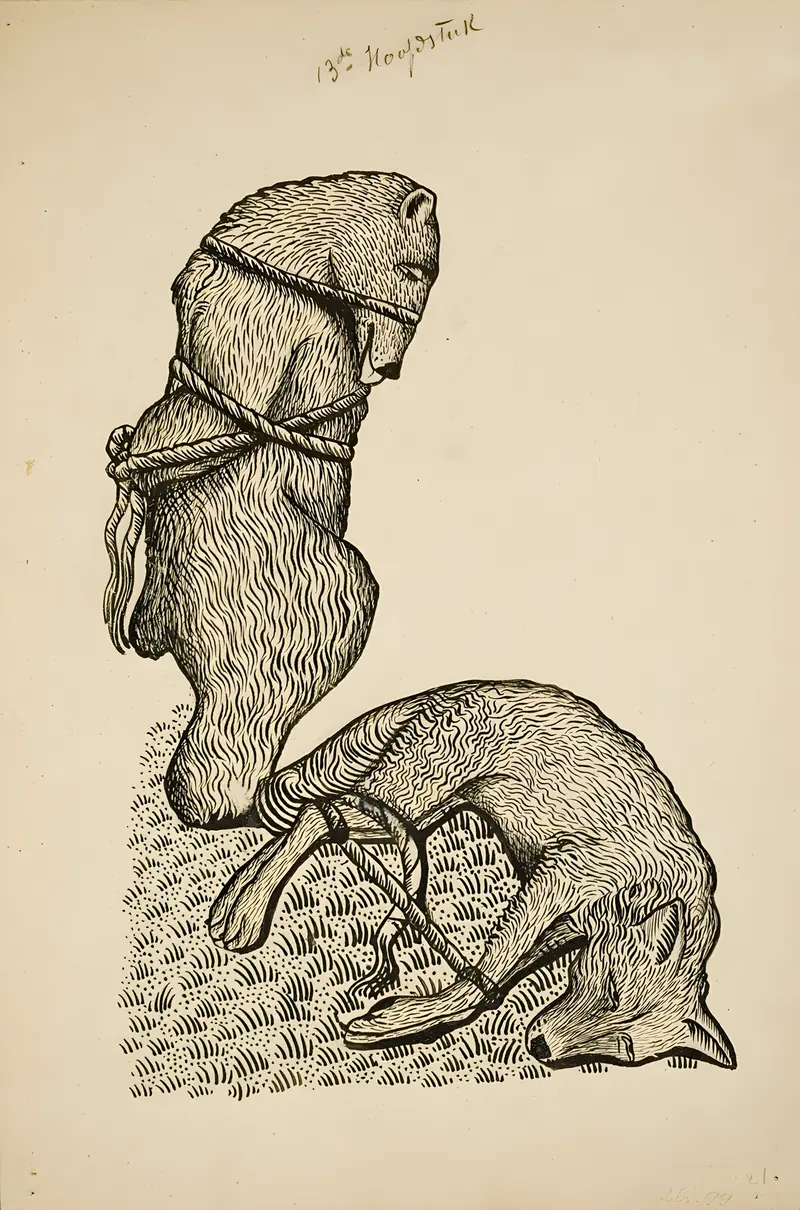
Few paintings have so quietly puzzled scholars as How Brown is sent with the message to Reynard and how he addresses him by Gustave Van de Woestijne. The work draws upon the centuries-old fable of Reynard the Fox, a tale beloved in the Low Countries and retold countless times since the Middle Ages. Yet, unlike many illustrators before him, Van de Woestijne chose not to clarify the date or medium of his piece, leaving the origins of this particular painting shrouded in uncertainty.
The absence of such details has only deepened the intrigue, prompting ongoing debate about its place within the artist's career and the broader context of early twentieth-century Belgian art. In the scene, Brown the Bear stands at the edge of a clearing, clutching a message destined for the cunning Reynard. This is the moment when Brown, sent by the king, must confront Reynard’s notorious wit and slippery morals. The bear’s posture—hesitant, almost lumbering—contrasts sharply with the sly, alert figure of Reynard, who waits with a mixture of feigned innocence and hidden calculation.
The muted palette and flattened forms are typical of Van de Woestijne’s Symbolist period, echoing the psychological tension found in Edvard Munch’s animal allegories. Every gesture and glance in the composition serves to heighten the sense of unease: the bear’s lowered gaze, the fox’s half-smile, the ambiguous shadows that seem to close in around them. Little is known about the early life of this painting as an object. No records survive of its first owner or exhibition, and its medium remains undocumented, though it is presumed to be oil on canvas, in keeping with the artist’s other works.
Van de Woestijne was a central figure in Belgian Symbolism, often mining folklore and religious stories for psychological depth. Today, How Brown is sent with the message to Reynard and how he addresses him stands as a testament to his fascination with moral ambiguity and the darker corners of the human—and animal—psyche. Its current location is not widely published, and its elusive provenance only adds to its air of mystery among admirers of early twentieth-century European painting.
More Artworks by Gustave Van de Woestijne
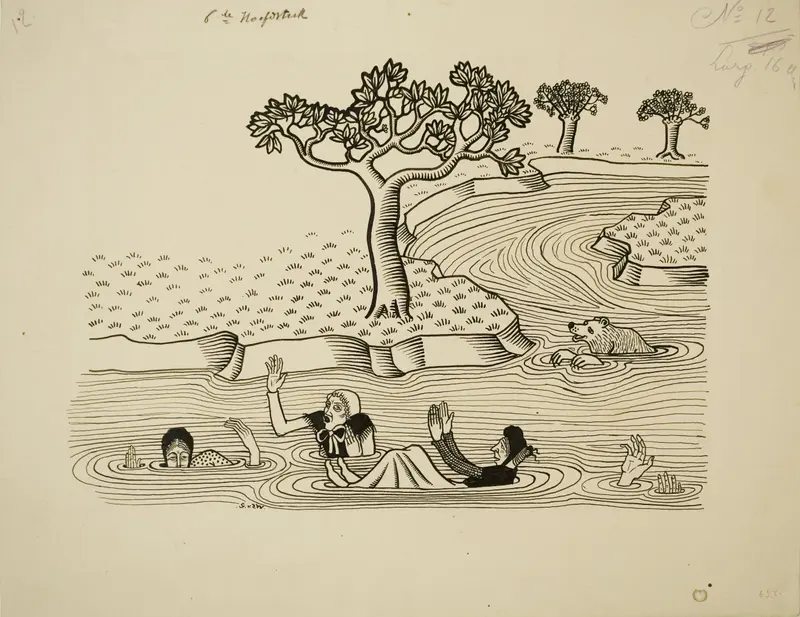
How Brown went out with Reynard where he thought he was eating honey and how he was caught by head and feet and suffered further misfortune
Gustave Van de Woestijne
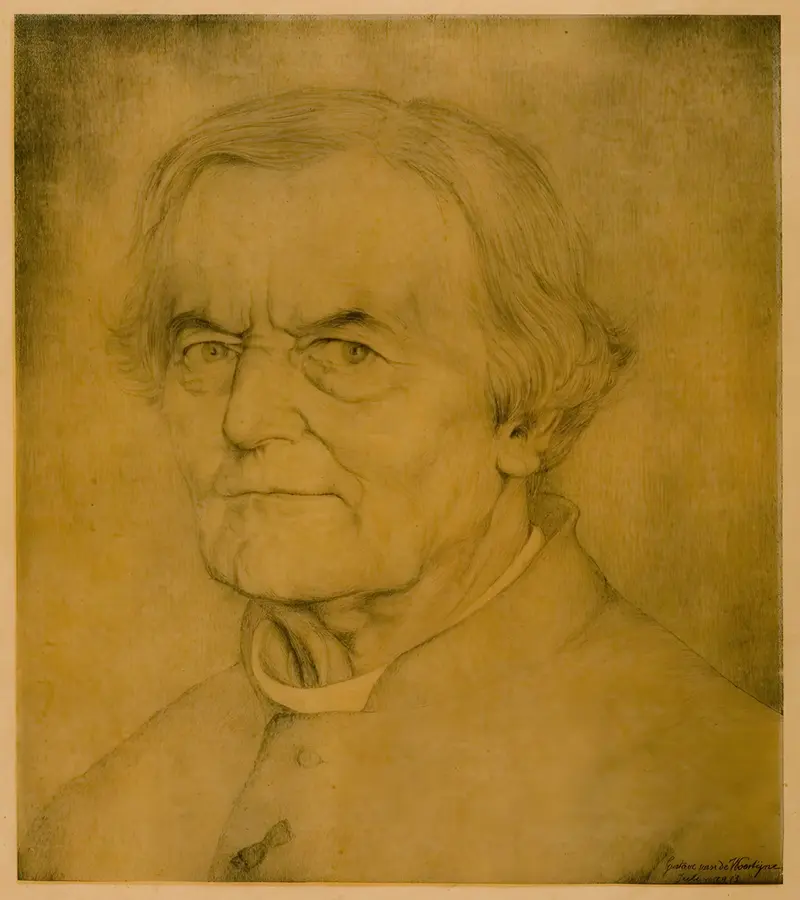
Portrait of Hugo Verriest
Gustave Van de Woestijne
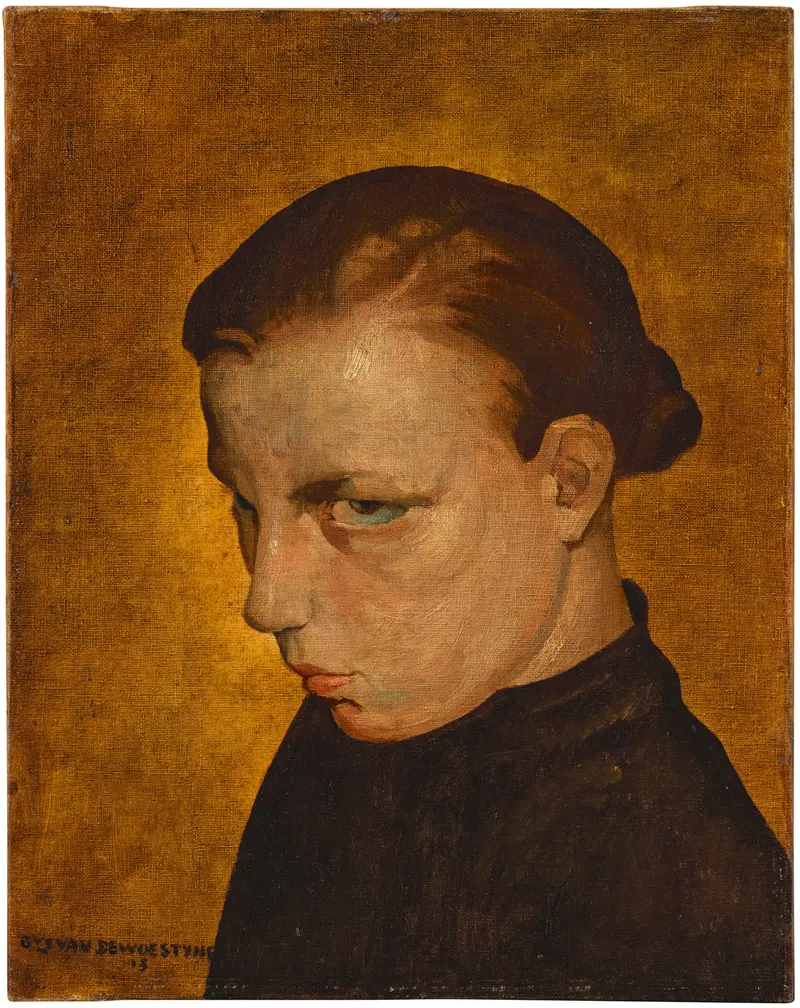
Angèle
Gustave Van de Woestijne
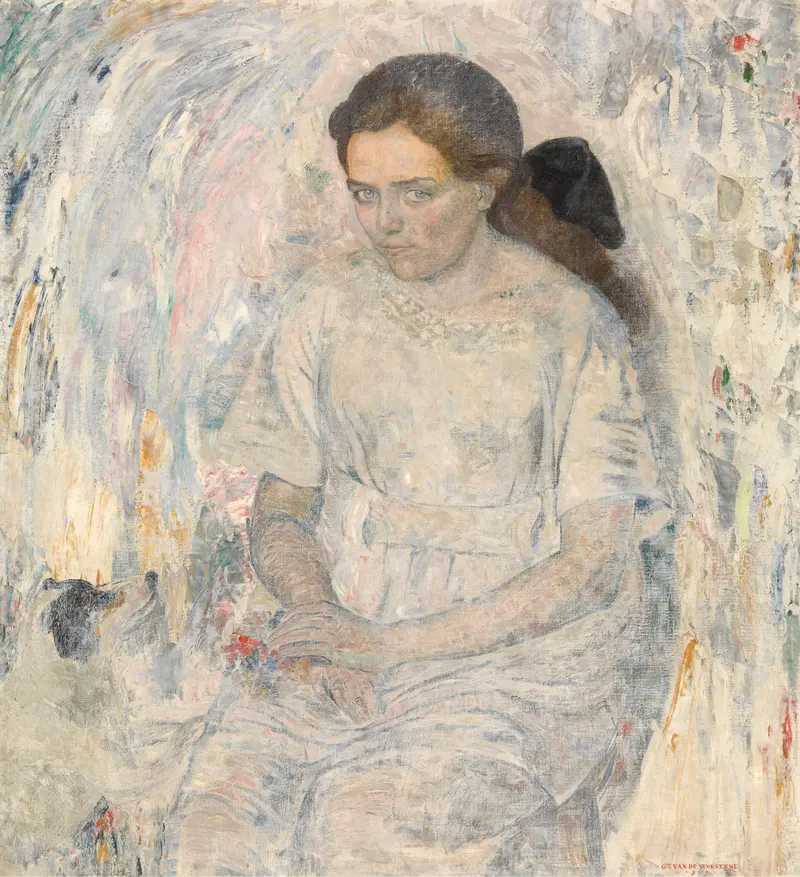
Adrienne
Gustave Van de Woestijne
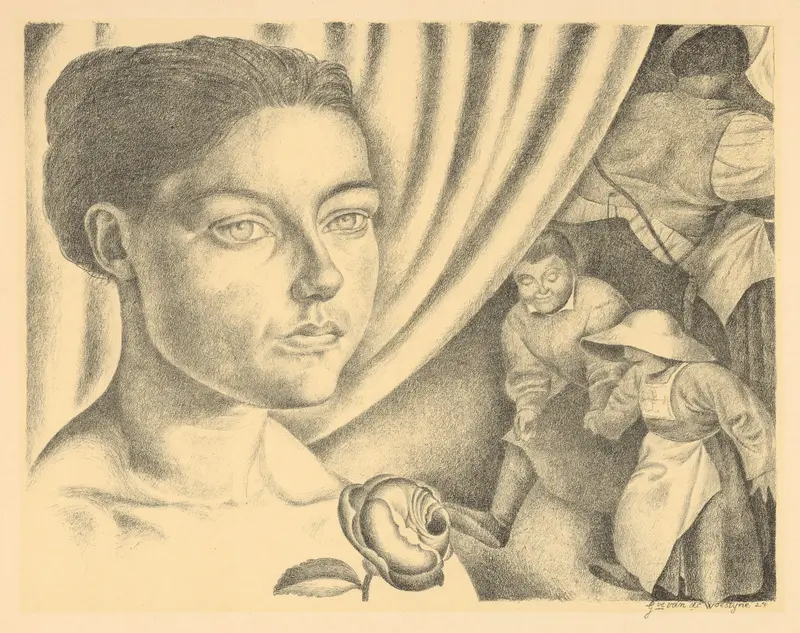
Jeune Femme
Gustave Van de Woestijne
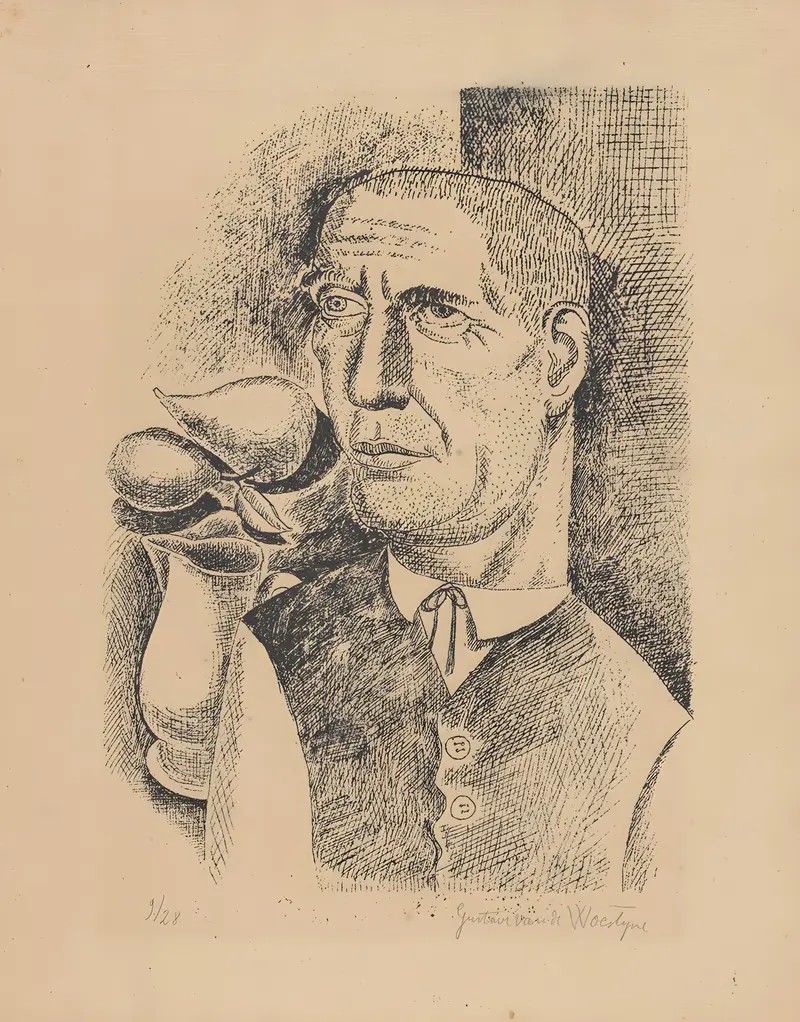
Boer op zijn zondags (Paysan endimanché)
Gustave Van de Woestijne
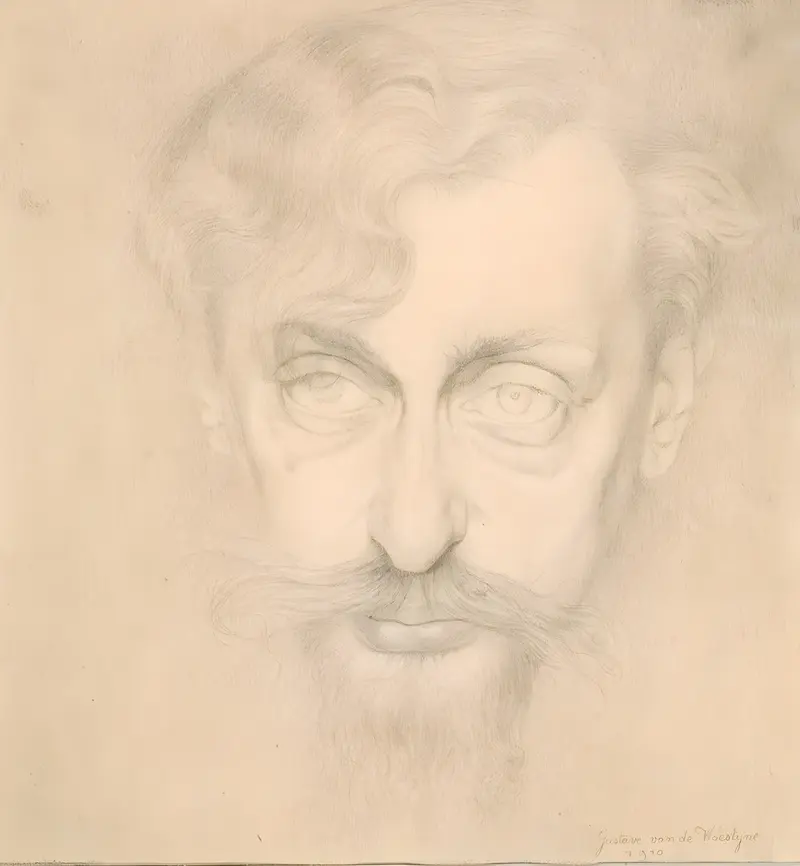
Portrait of the Writer Karel van de Woestijne
Gustave Van de Woestijne
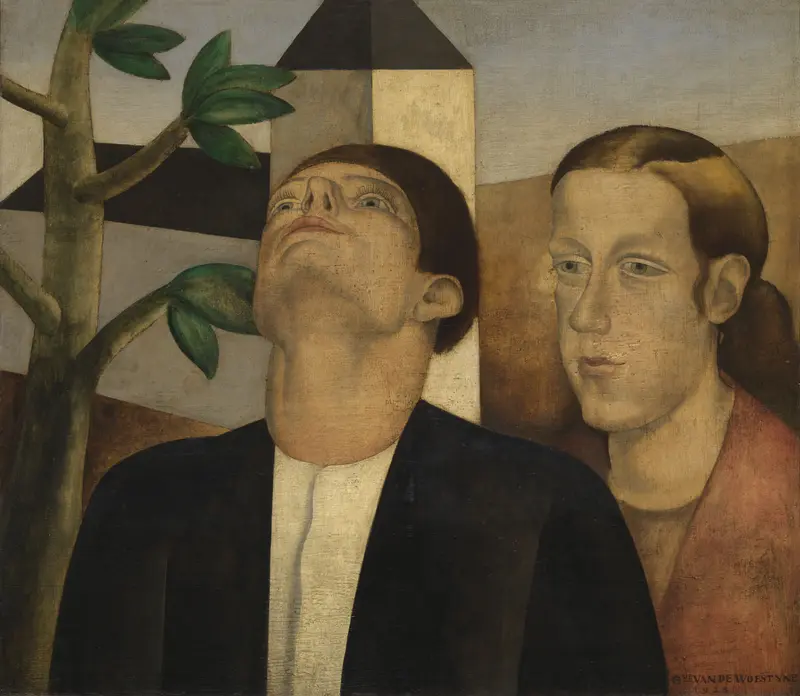
Azure
Gustave Van de Woestijne
How Reinaert devises a new trick to get free and exterminate his enemies
Gustave Van de Woestijne
Country Girl
Gustave Van de Woestijne





