Hutt River — History & Facts
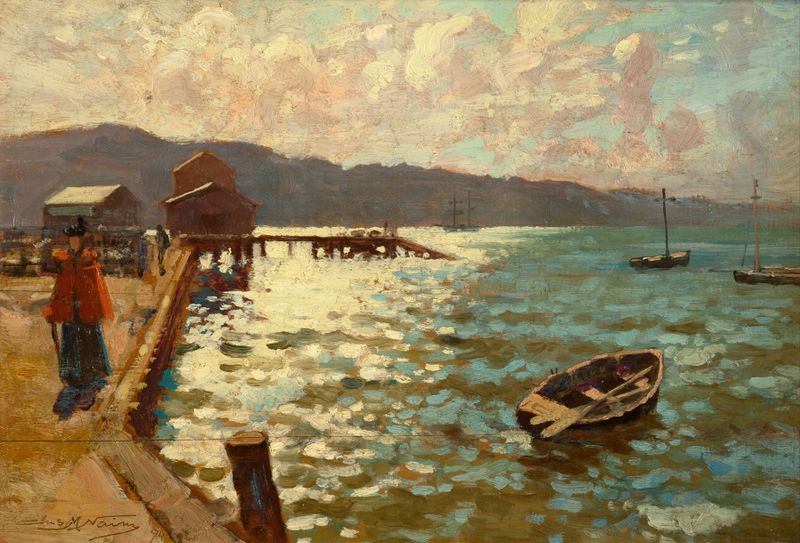
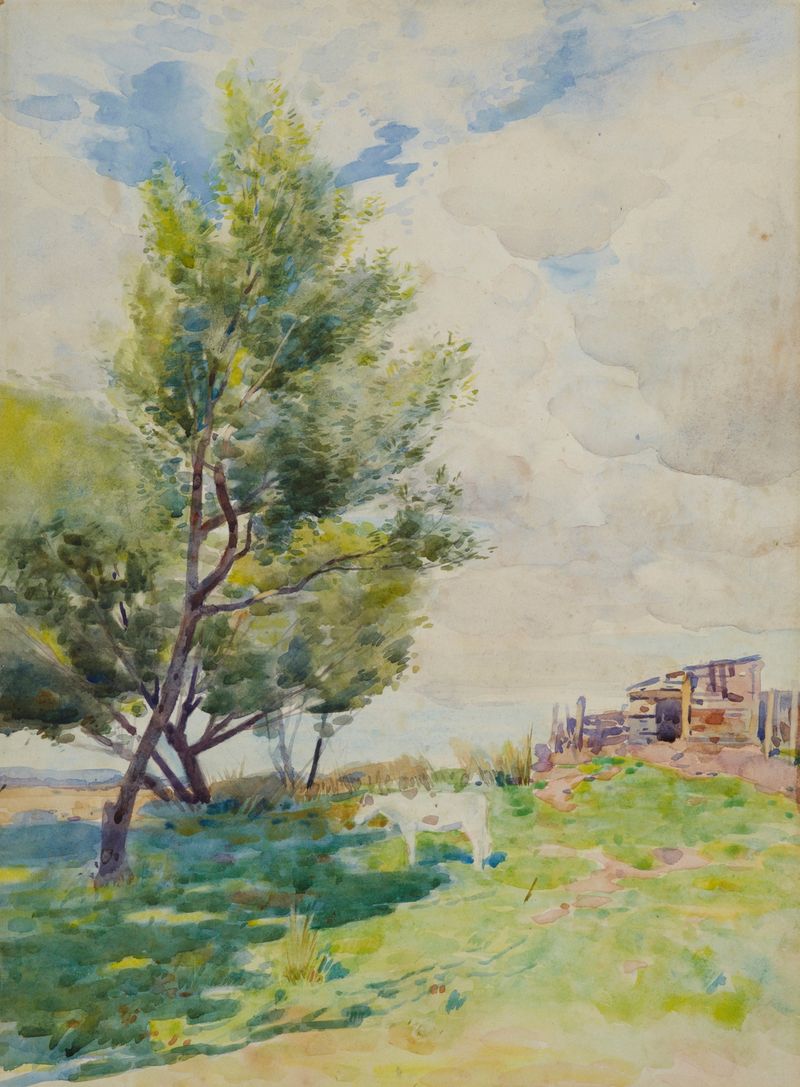
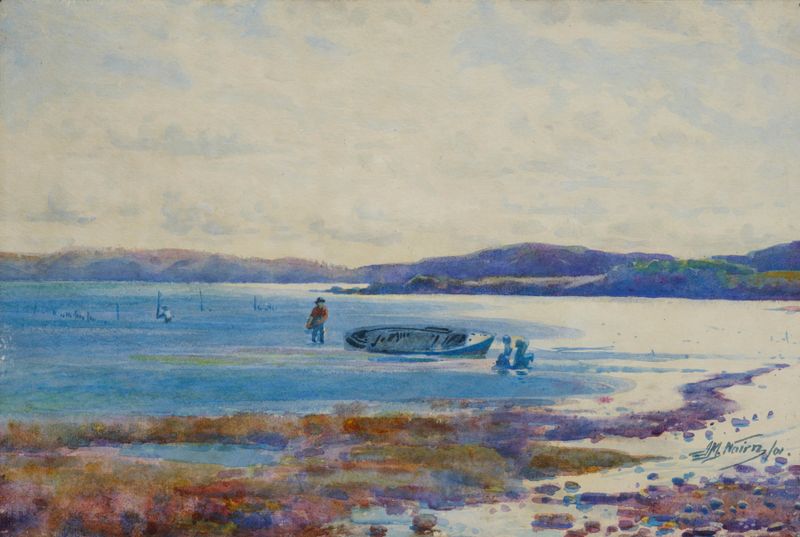
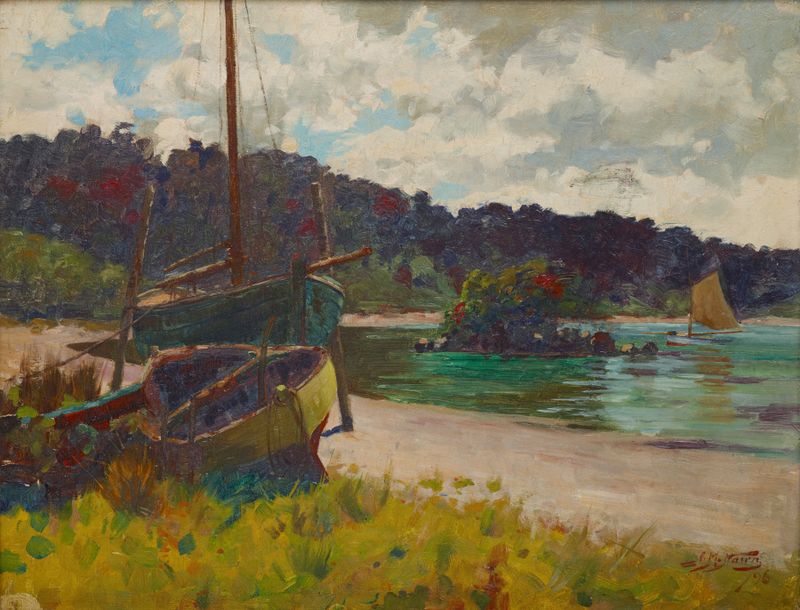
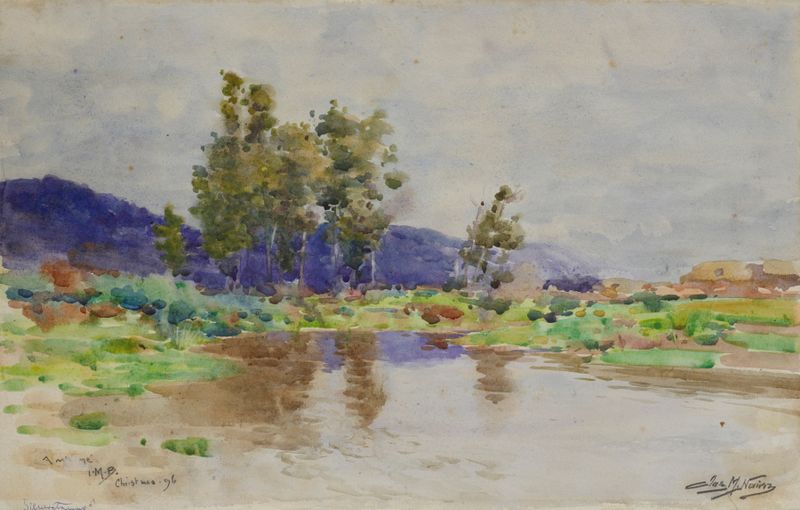
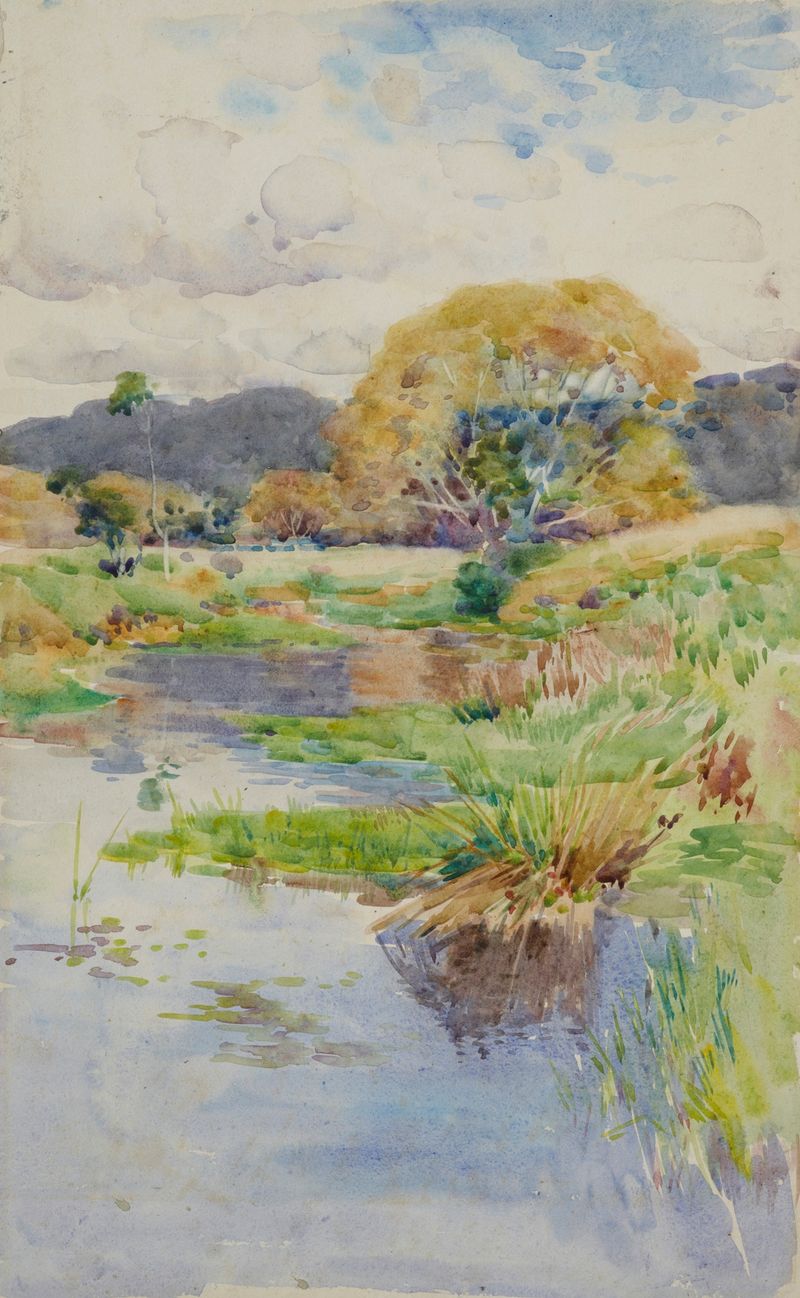
In the world of painting, the act of creation can hide the deepest betrayals of the heart, whispering secrets in each stroke. First, look to the left where the tranquil waters of the Hutt River embrace the banks with a gentle caress. Notice how the soft blues and greens meld seamlessly, evoking a sense of peace that contrasts sharply with the wild, chaotic brushwork that leads your eye toward the horizon. The composition draws you in, creating a visual pathway that mirrors the river's flow, inviting contemplation while simultaneously hinting at the turbulence beneath the surface. As you linger over the painting, pay attention to the interplay of light and shadow.
The dappled sunlight filtering through the trees hints at moments of clarity amid confusion, while the darker hues in the foreground evoke a sense of foreboding. This contrast between serenity and turmoil invites viewers to reflect on their personal experiences of betrayal—perhaps in love, trust, or identity—those silent battles that often rage within, hidden beneath outward calm. Completed in 1892, the artist was then immersed in a burgeoning Australian art scene, seeking to capture the essence of his homeland. Nairn was influenced by the Impressionist movement, continuously experimenting with color and technique to convey his emotional landscape.
This painting emerged during a time of personal upheaval, reflecting both the artist's inner struggles and his desire to convey the beauty and complexity of nature, even as it mirrored his own sense of displacement.