
Im Tiergarten — History & Facts
In Im Tiergarten, the essence of yearning permeates the air, inviting us to explore the depths of human emotion tangled with nature's splendor. Look to the center of the canvas, where the gentle curve of a woman’s figure plays against the backdrop of verdant foliage. The greens are vibrant, infused with a sense of life, yet they contrast sharply with the somber tones of her attire. Notice how the dappled sunlight filters through the leaves, casting intricate shadows that dance across her skin, illuminating the longing in her pose.
Corinth's brushwork varies from fluid strokes to textured layers, which together evoke a sense of intimacy and reflection. As you observe the woman’s expression, a complex mix of tranquility and sadness emerges. Her gaze seems to drift beyond the frame, yearning for something just out of reach. The tension between her solitude and the bustling life surrounding her highlights the duality of existence — the beauty of nature juxtaposed with the ache of human desire.
The surrounding flora, lush and flourishing, serves as a silent witness to her introspection, emphasizing the solitude of her yearning heart. In 1920, Lovis Corinth was deeply influenced by the shifting cultural landscapes of post-war Germany. He painted Im Tiergarten during a time of personal turmoil, grappling with his health after suffering a stroke. The art world was entering a new epoch, moving away from traditional representations to embrace modernism, yet Corinth's work retained a poignant connection to the emotional undercurrents of life, as seen in this piece that captures a moment suspended between beauty and longing.
More Artworks by Lovis Corinth
Browse all →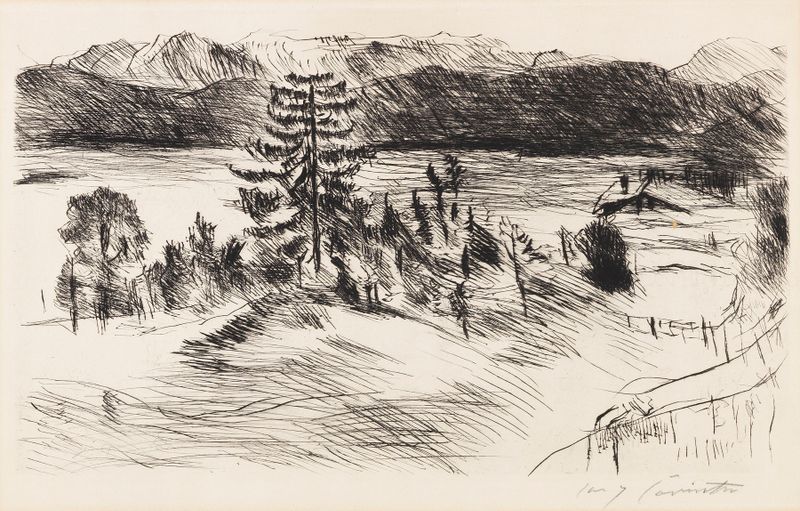
Große Walchenseelandschaft
Lovis Corinth

Walchensee im Nebel
Lovis Corinth

Große Walchenseelandschaft.
Lovis Corinth
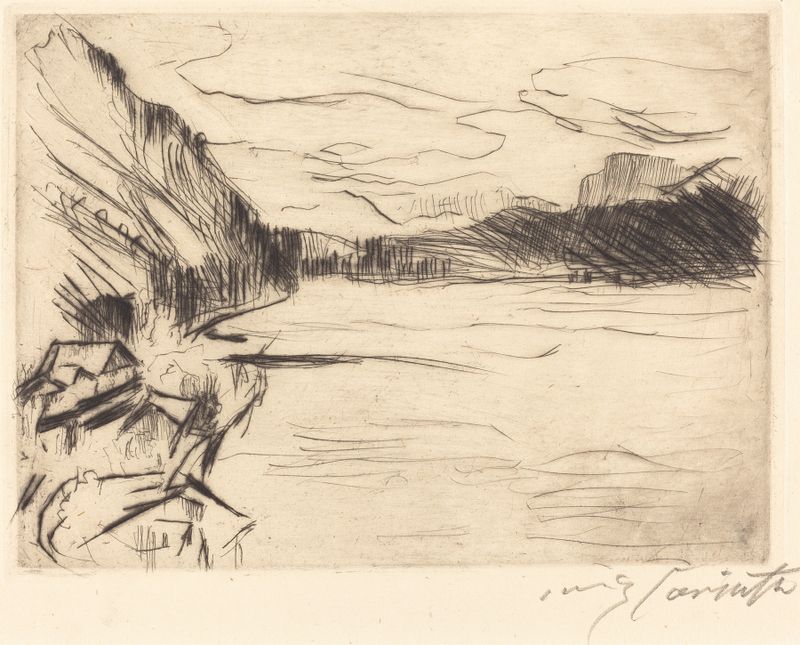
On Walchen Lake (Am Walchensee)
Lovis Corinth

Walchensee
Lovis Corinth

Gebirgsee (Walchensee im Winter)
Lovis Corinth

On the Walchen Sea (Am Walchensee)
Lovis Corinth

Bathing Place (Badeanstalt)
Lovis Corinth

Walchensee, aufgehender Mond
Lovis Corinth

Walchensee Landschaft
Lovis Corinth





