Walchensee Landschaft — History & Analysis
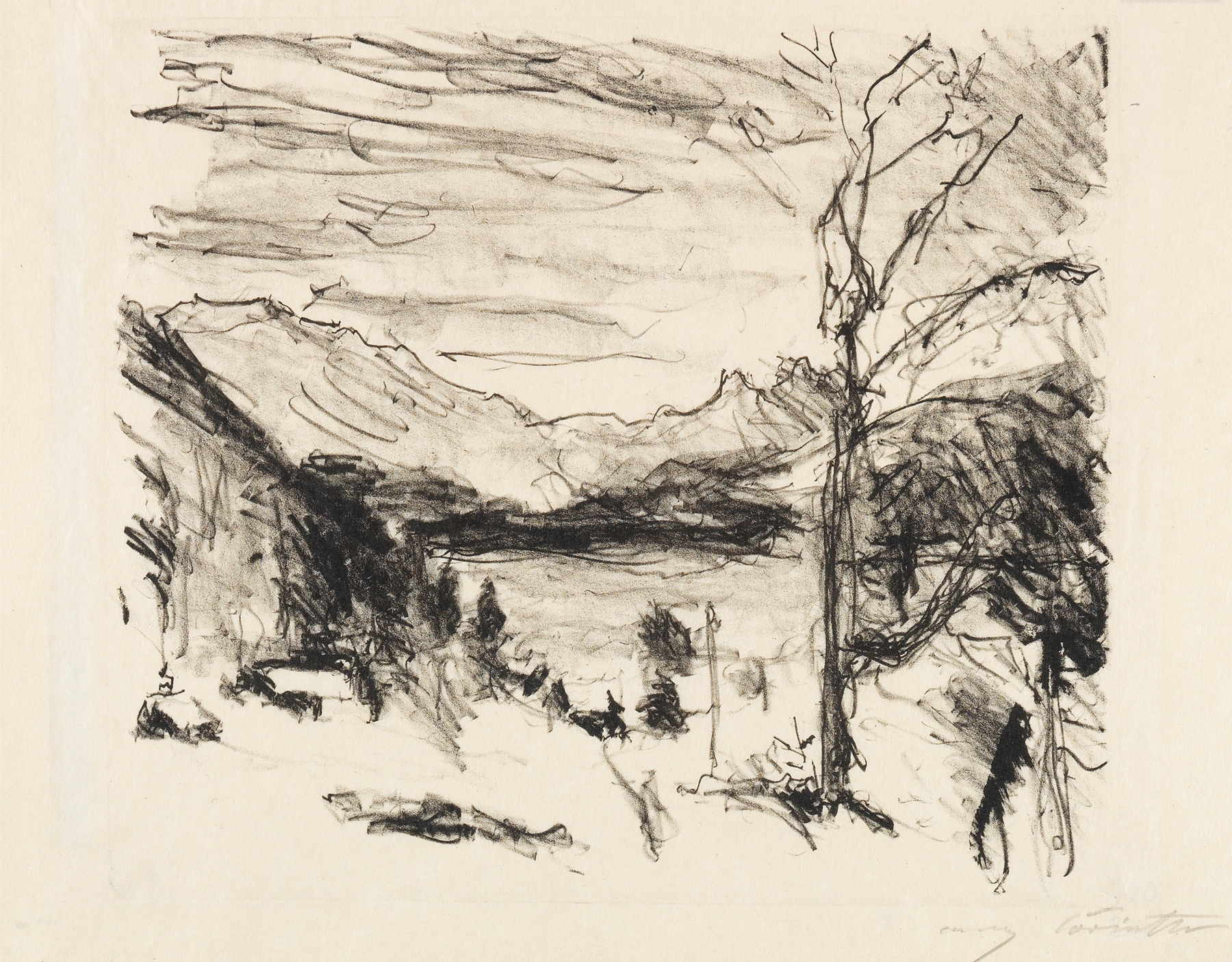
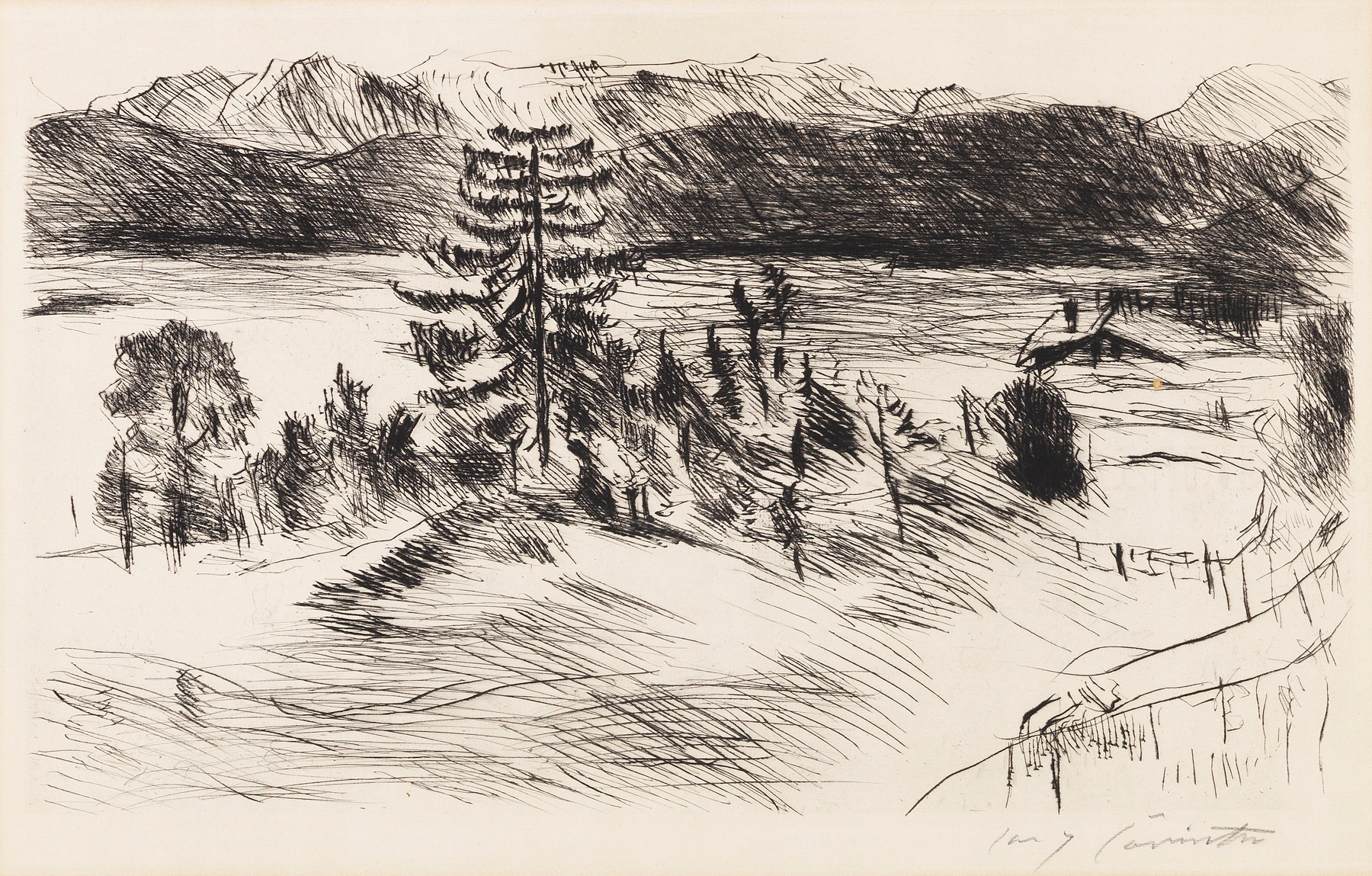
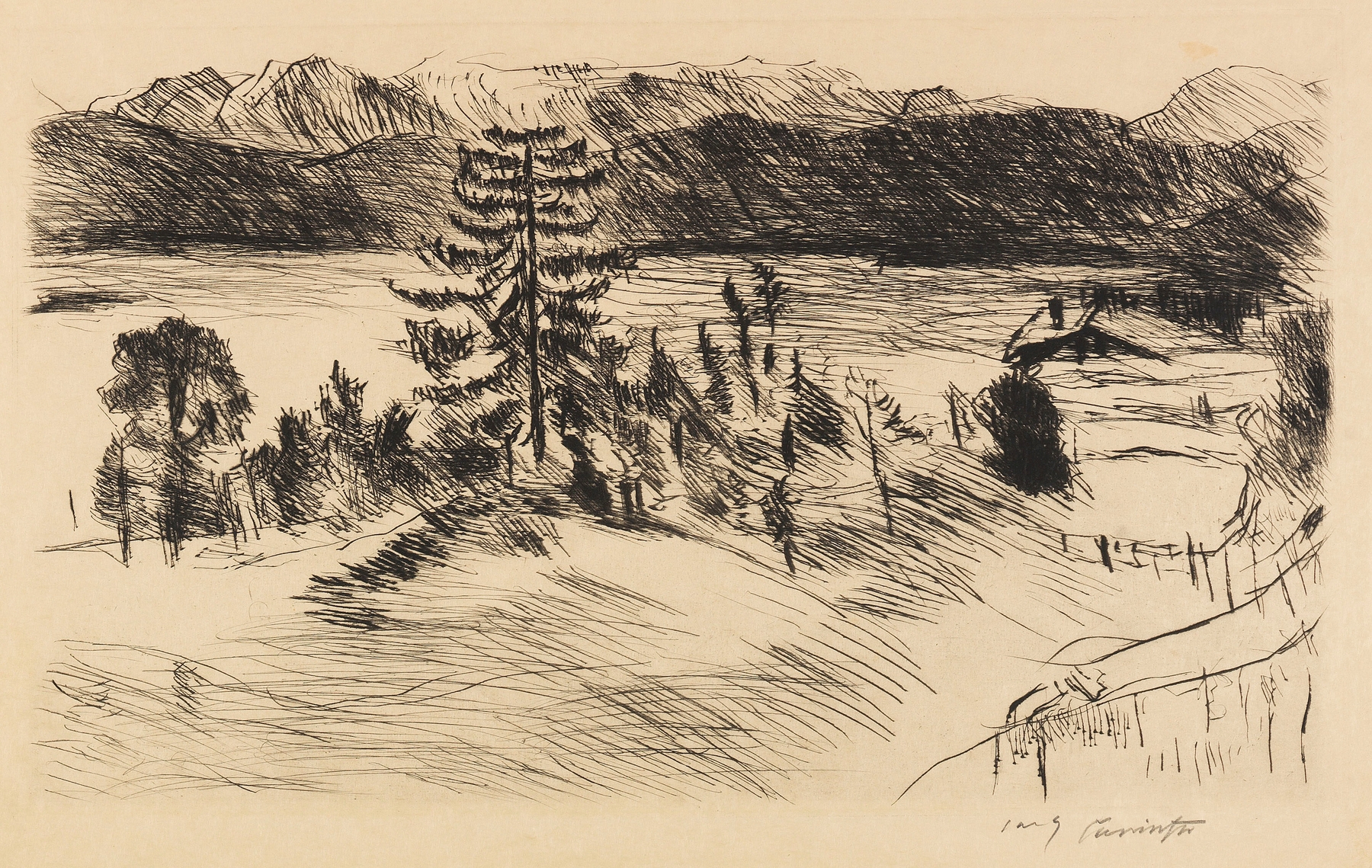
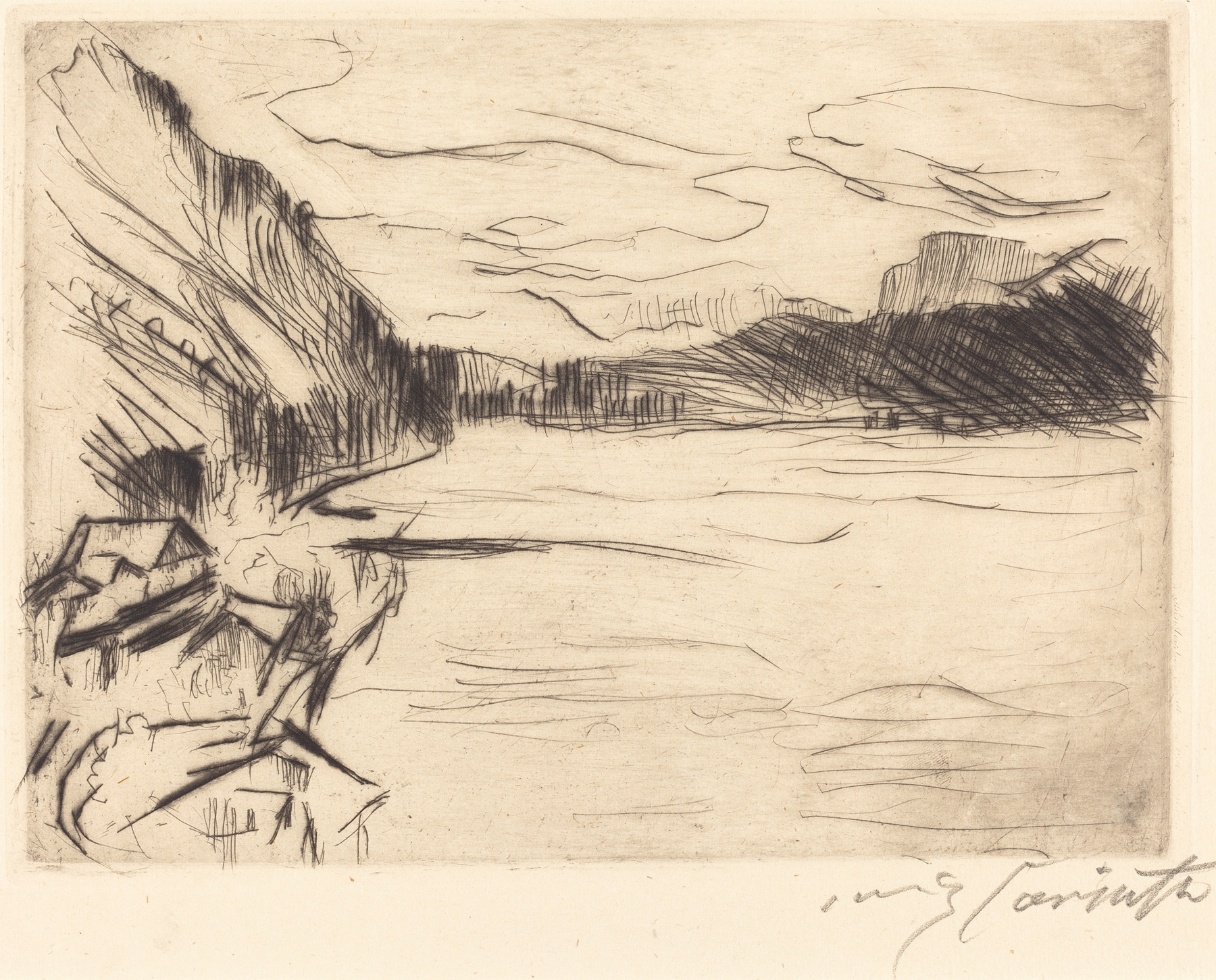
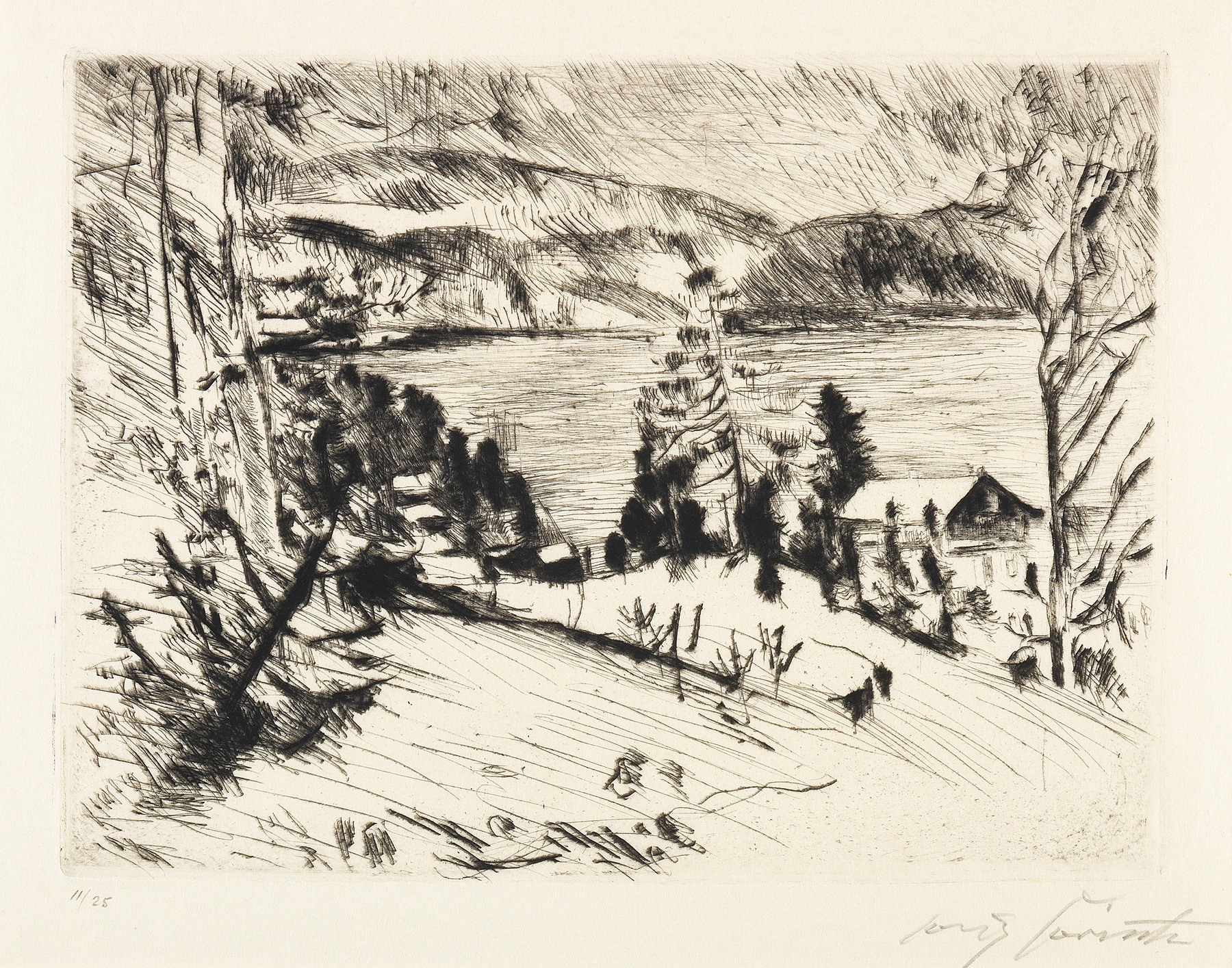
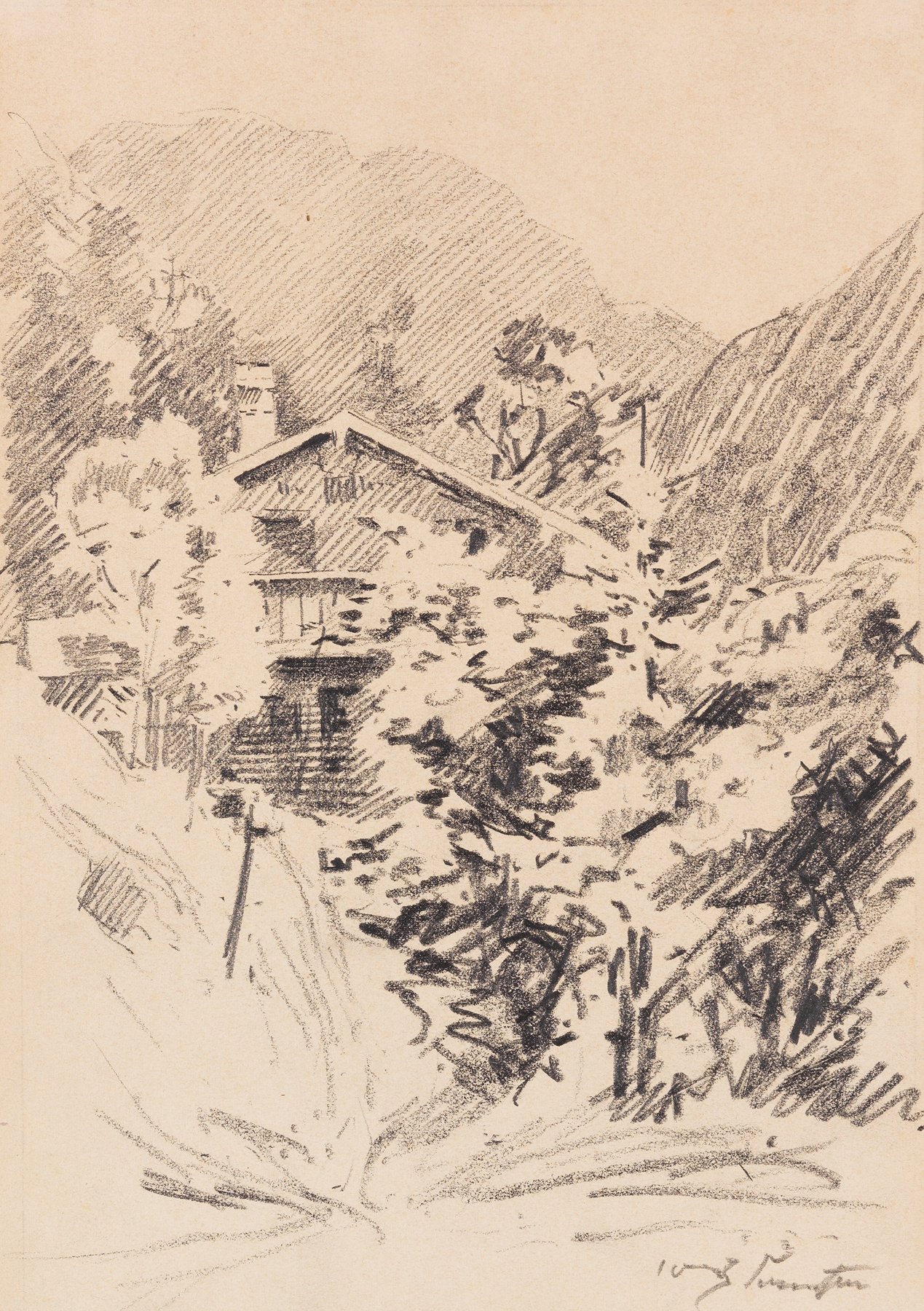
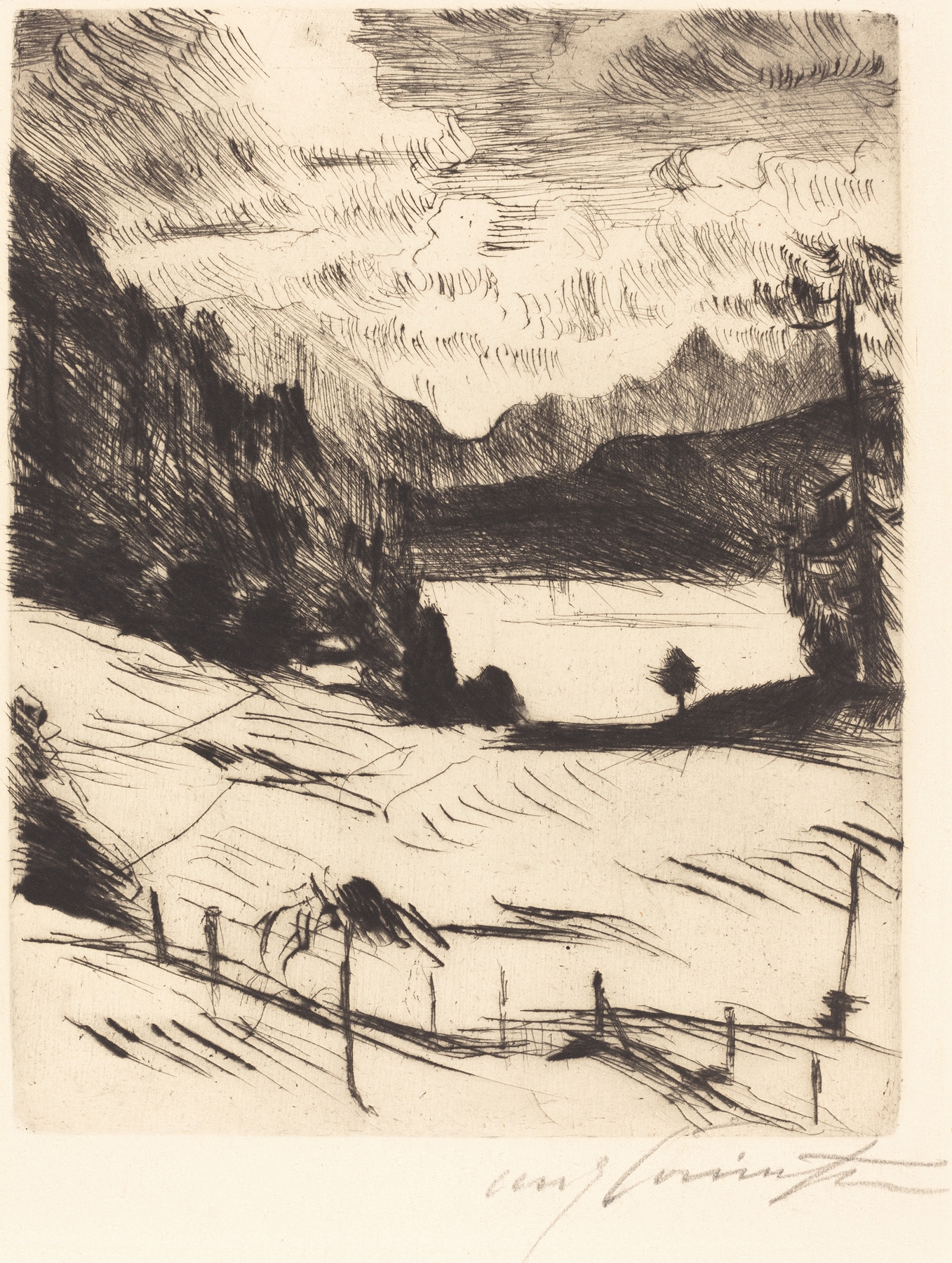
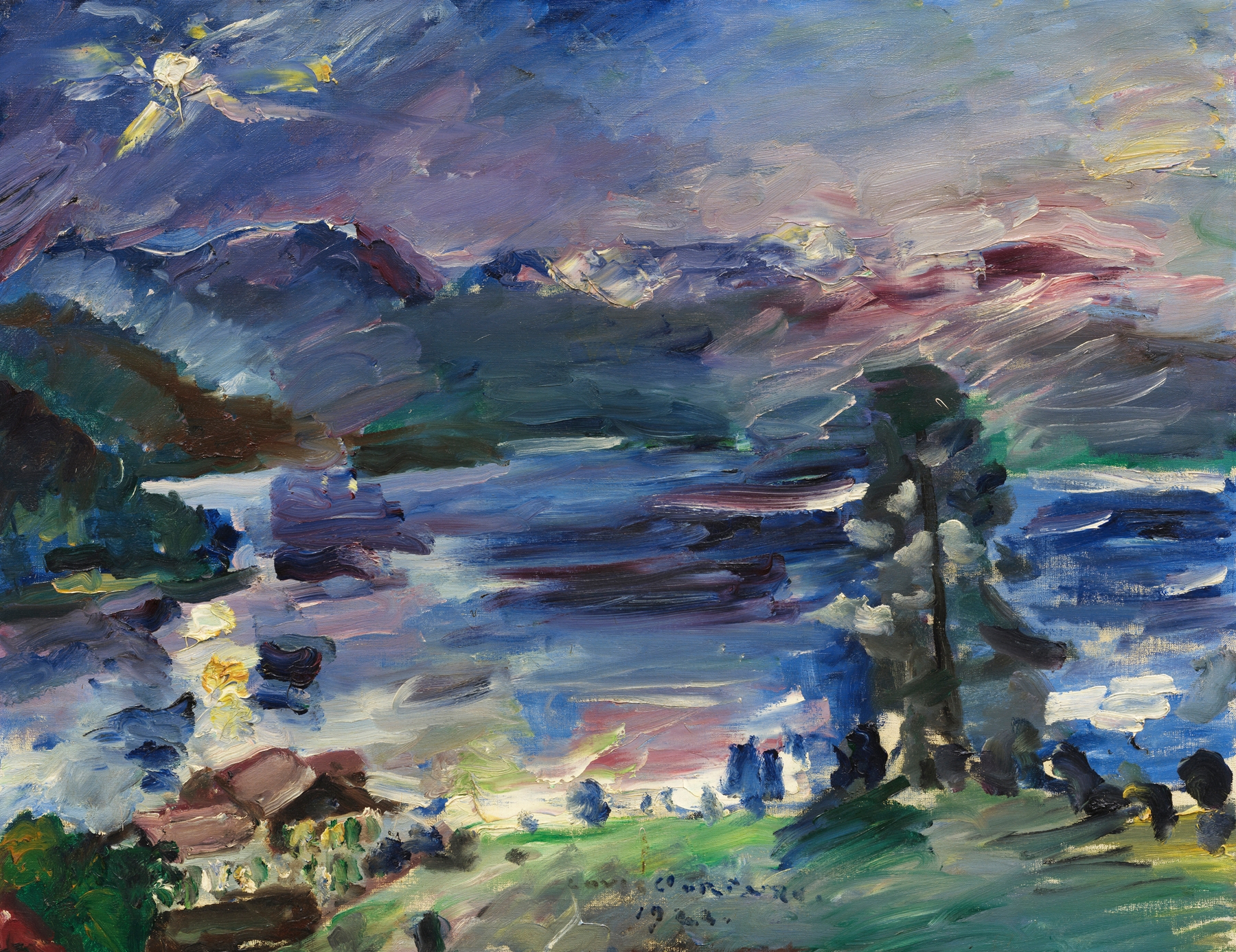
“Every silence here is a confession.” In a world painted with both light and shadow, loss hangs heavy, echoing in the stillness of nature’s embrace. Look to the left where the azure lake gently mirrors the sky, its surface a fragile veil that conceals depths both known and unknown. The trees rise robustly, their verdant hues contrasting with the soft pastels of the distant mountains. Notice how the golden sunlight filters through the foliage, casting dappled patterns that dance upon the ground, creating a symphony of color and tone that invites the eye to wander but also to reflect.
Yet, amidst this idyllic landscape lies an undercurrent of melancholy. The serene beauty starkly highlights the absence of human presence, evoking feelings of solitude and yearning. The interplay of light and shadow serves not only to enhance the depth of the painting but also to symbolize the complexities of memory—where joy and sorrow entwine. Each brushstroke resonates with a quiet introspection, reminding us that beauty often coexists with loss.
In 1922, Lovis Corinth painted this piece during a tumultuous period in his life, marked by personal struggles and the aftermath of World War I. Working in Germany, he faced not only the challenges of an evolving art world but also the shadows of his own experiences. Walchensee Landschaft emerges as a testament to both resilience and vulnerability, capturing the delicate balance between nature's allure and the scars of the human heart.