
In the Forest — History & Facts
Can beauty exist without sorrow? In the realm of art, the interplay of light and shadow often reveals the delicate balance between joy and melancholy, as seen in this profound work. Look closely at the lush greenery that envelops the scene; the vibrant hues of green draw you in, inviting you to explore the depths of the forest. Notice how the dappled sunlight filters through the leaves, creating a symphony of light and shadow that dances across the canvas. The brushwork is expressive yet delicate, capturing the essence of nature with a sense of both spontaneity and care, evoking a serene yet slightly haunting atmosphere. As you delve deeper, consider the juxtaposition of the vibrant flora against the darker undertones of the forest.
The interplay of light symbolizes fleeting moments of happiness, while the encroaching shadows hint at the isolation and introspection often found in nature. Each detail, from the delicate petals of the flowers to the rough texture of the bark, encapsulates a narrative exploring the coexistence of beauty and the inevitable sorrow that accompanies its transience. Created in 1874, this piece reflects Diaz de La Peña's embrace of the Barbizon school, where nature took center stage in a rapidly industrializing world. Living in France during this vibrant period, the artist sought solace in the woods, painting en plein air to capture the ephemeral beauty of the landscape.
His work resonates with a longing for connection to the natural world, making this painting a poignant testament to both creation and introspection.
More Artworks by Narcisse-Virgile Diaz de La Peña
Browse all →
Forest Scene
Narcisse-Virgile Diaz de La Peña
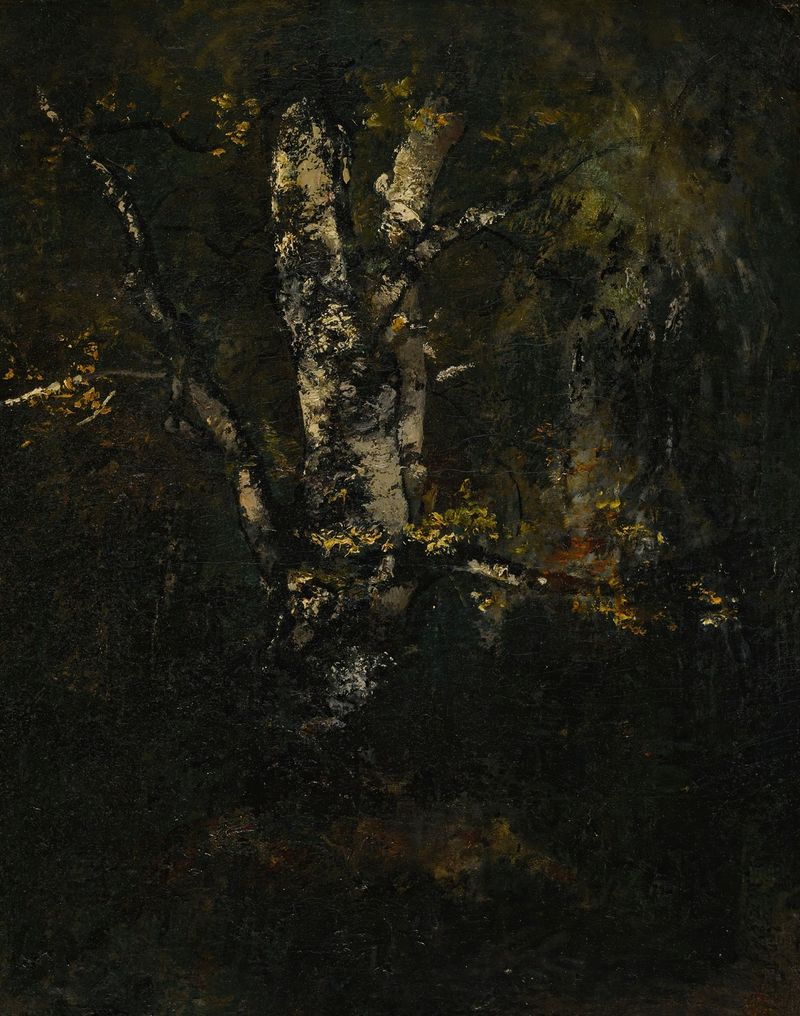
Vieux Troncs De Hêtres
Narcisse-Virgile Diaz de La Peña
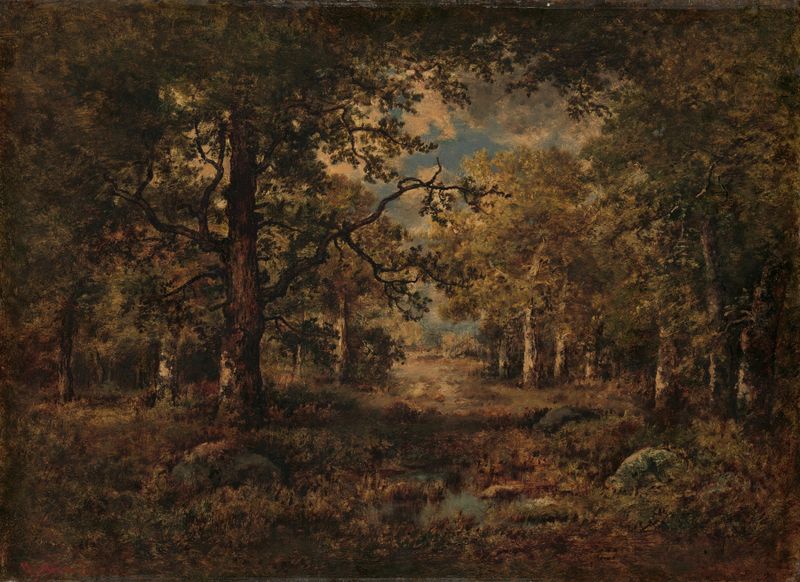
A Vista through Trees; Fontainebleau
Narcisse-Virgile Diaz de La Peña
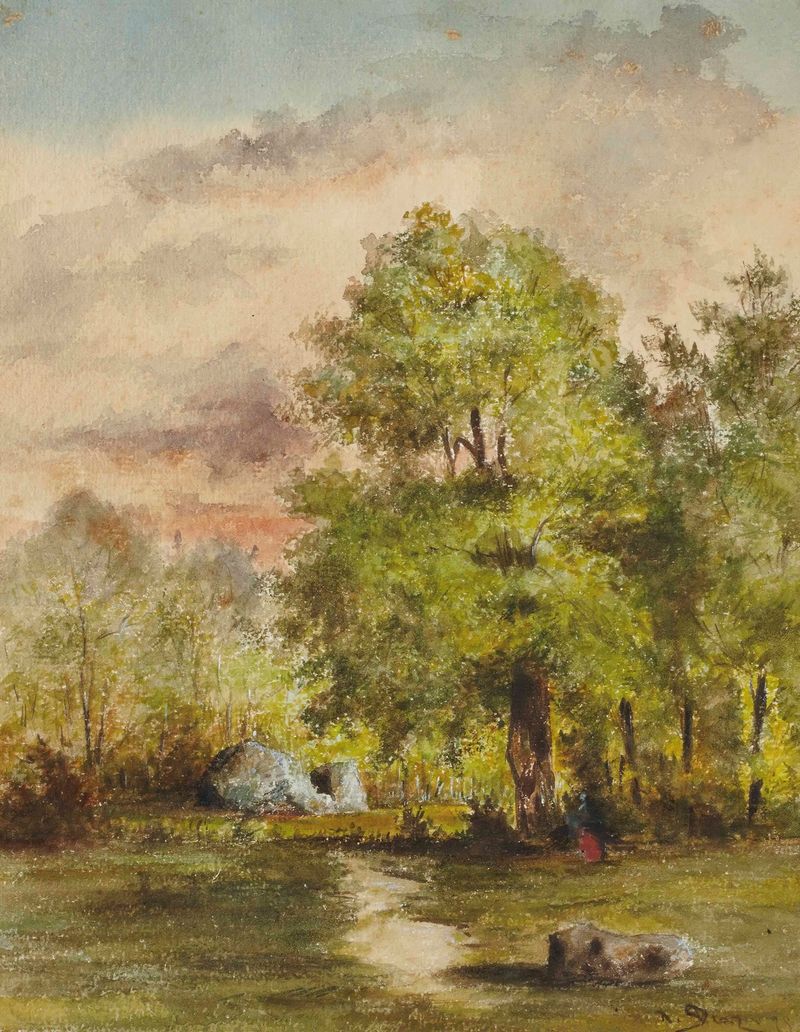
Vue d’une clairière
Narcisse-Virgile Diaz de La Peña

Pond in the Woods
Narcisse-Virgile Diaz de La Peña
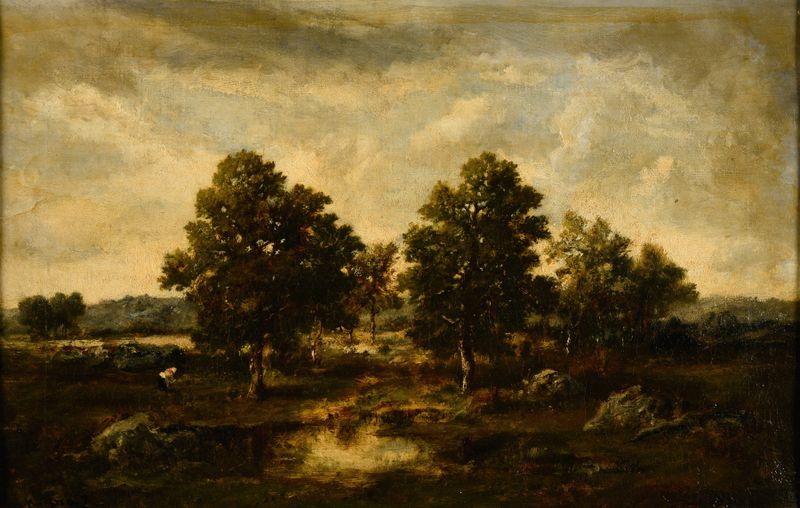
Mare dans une lande
Narcisse-Virgile Diaz de La Peña
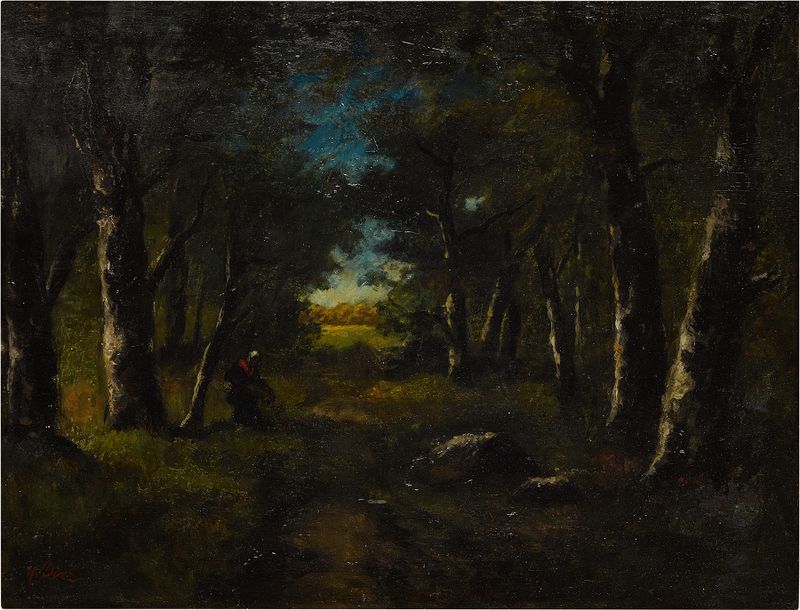
Foraging in the Forest
Narcisse-Virgile Diaz de La Peña
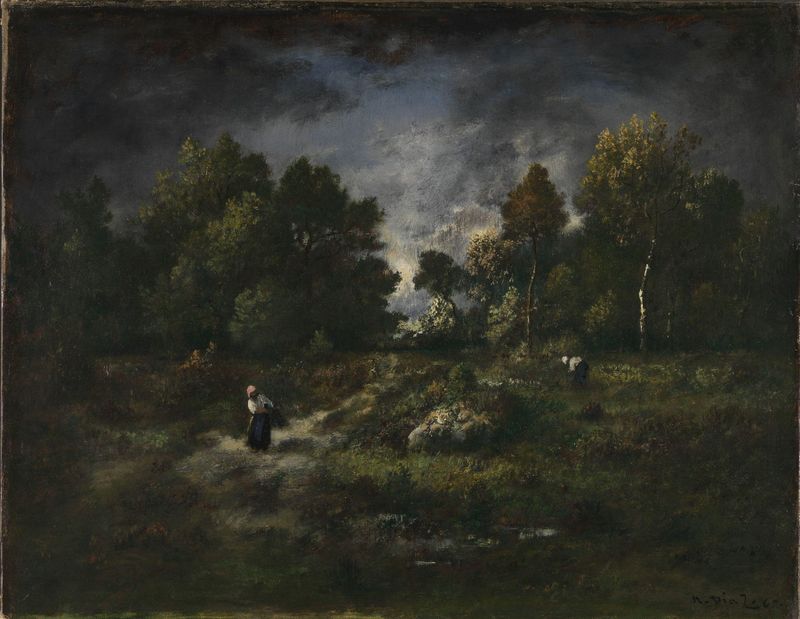
Faggot Gatherers in a Wooden Landscape
Narcisse-Virgile Diaz de La Peña
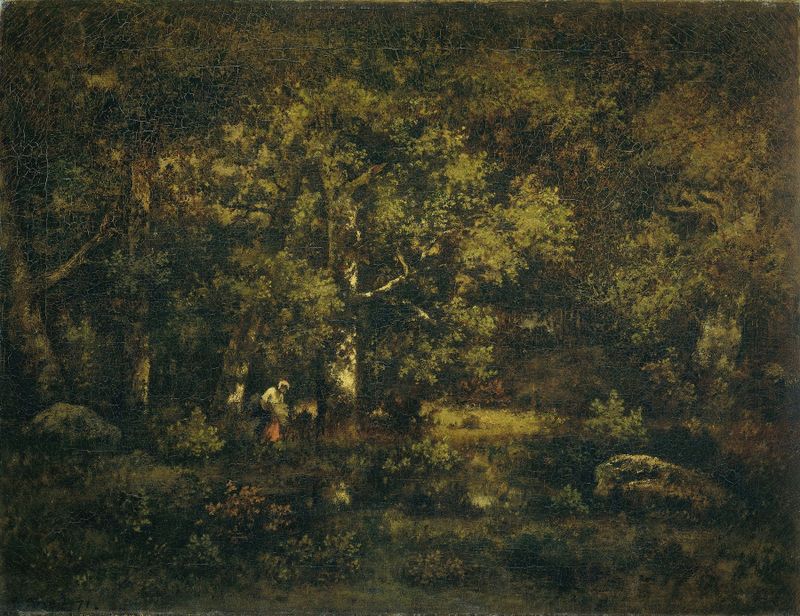
The Forest of Fontainebleau
Narcisse-Virgile Diaz de La Peña

Sous-bois
Narcisse-Virgile Diaz de La Peña





