
In the Forest of Fontainebleau — History & Facts
What if beauty was never meant to be finished? In the shadows of the forest, where light weaves through the branches, decay silently nurtures new life, revealing a profound truth about nature’s endless cycle. Focus on the delicate greens and browns that pull your gaze into the heart of this verdant sanctuary. Notice how the dappled sunlight filters through the trees, creating a mosaic of light and shadow upon the forest floor. Each brushstroke speaks to a meticulous technique that captures the ephemeral essence of the woods, inviting viewers to wander deeper into the scene.
The soft textures and layered colors evoke a sense of tranquility while hinting at the inevitable passage of time. Hidden within this serene beauty lies a tension between vitality and decay. The rich foliage serves as a reminder of nature's relentless march forward, yet hints of decay—faded leaves, crumbling bark—whisper of the past, urging reflection on mortality. Diaz de La Peña’s choice of composition echoes this interplay, drawing a parallel between the lush growth and the underlying signs of deterioration, creating a poignant balance that invites contemplation. Created during the 19th century, this piece reflects the artist's immersion in the Barbizon School, a movement that celebrated the natural world.
Living in the vicinity of the Forest of Fontainebleau, he found inspiration in its landscapes, capturing the fusion of life and decay that characterizes the forest. At this time, the art world was evolving, with a growing appreciation for realism and plein air painting, allowing him to express a unique vision of beauty intertwined with the passage of time.
More Artworks by Narcisse-Virgile Diaz de La Peña
Browse all →
Forest Scene
Narcisse-Virgile Diaz de La Peña
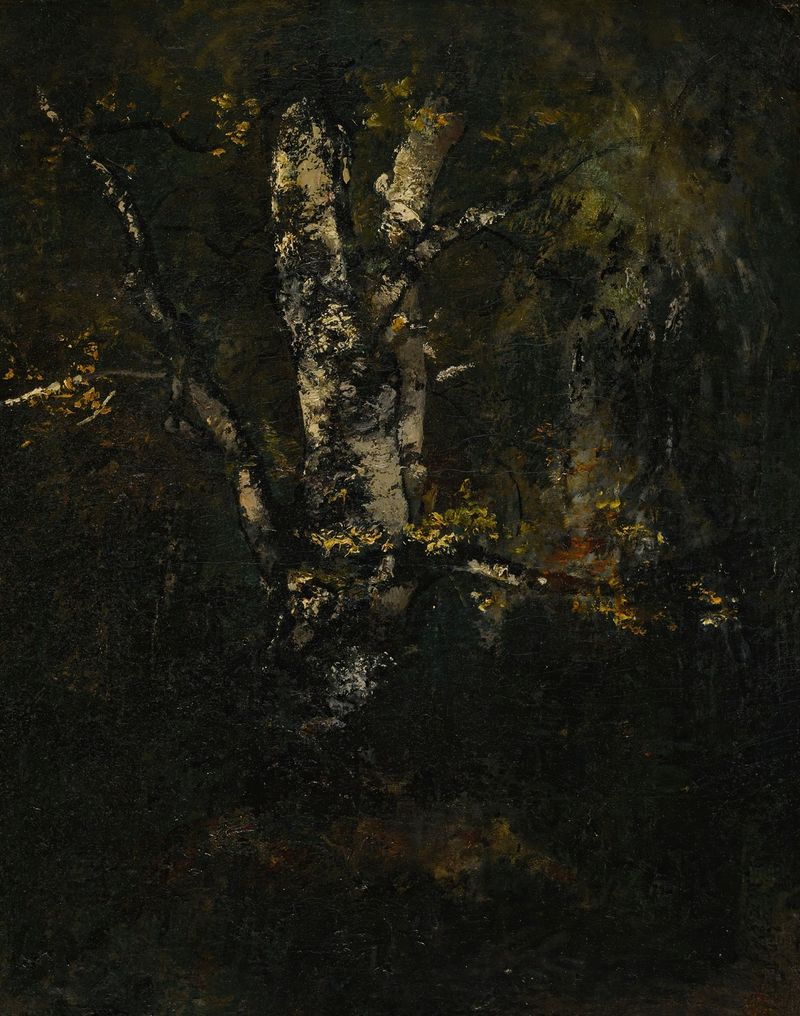
Vieux Troncs De Hêtres
Narcisse-Virgile Diaz de La Peña
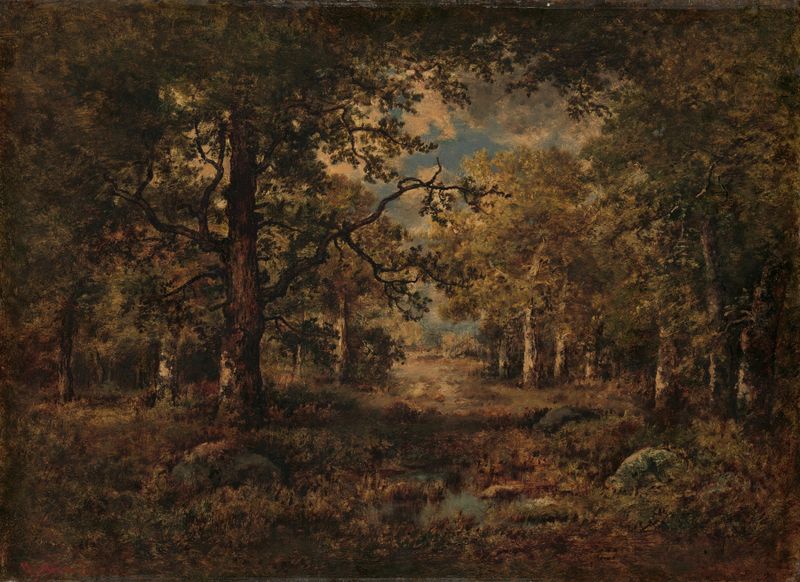
A Vista through Trees; Fontainebleau
Narcisse-Virgile Diaz de La Peña
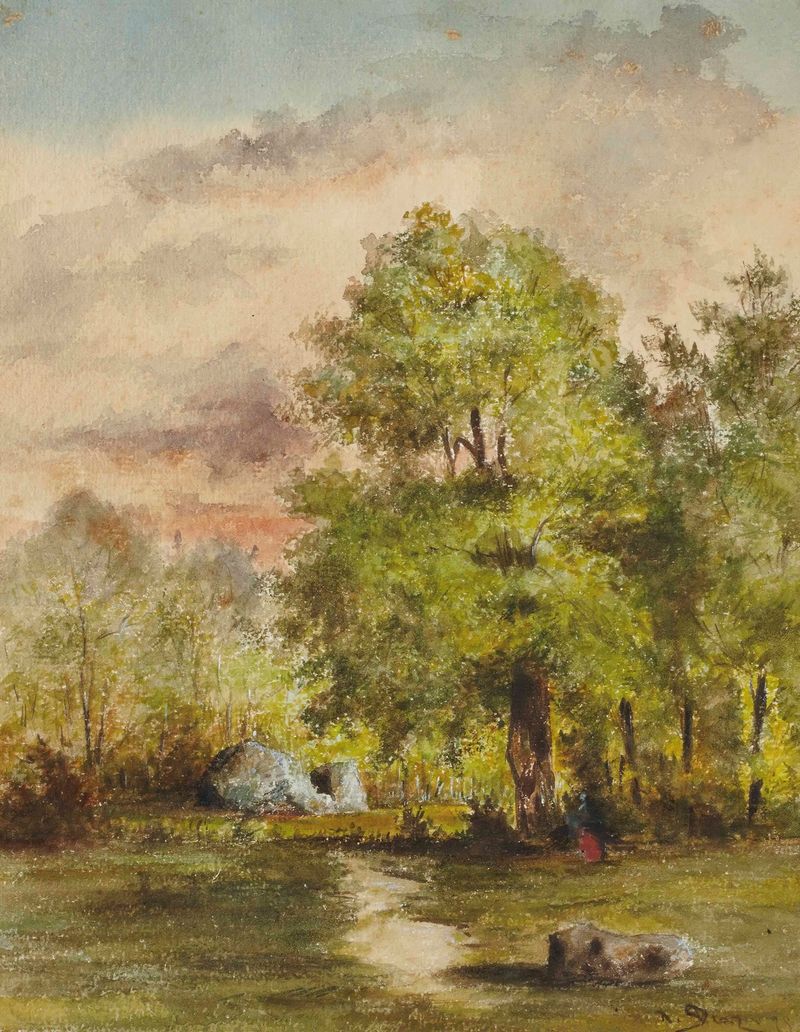
Vue d’une clairière
Narcisse-Virgile Diaz de La Peña

Pond in the Woods
Narcisse-Virgile Diaz de La Peña
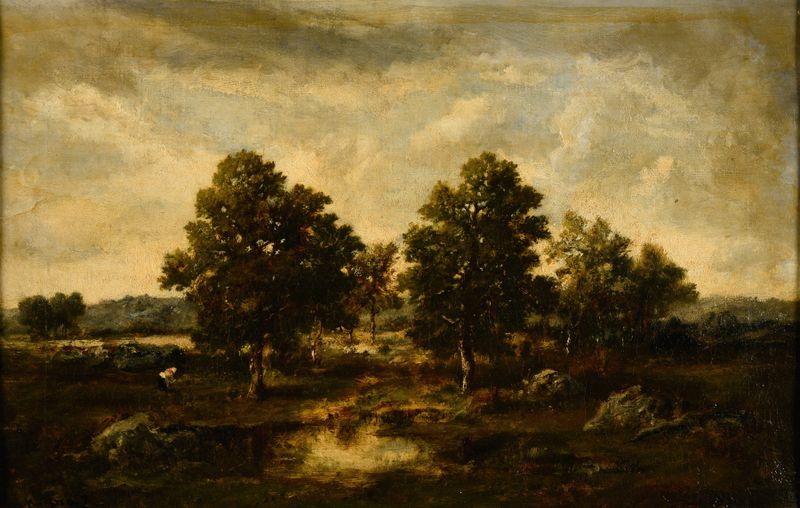
Mare dans une lande
Narcisse-Virgile Diaz de La Peña
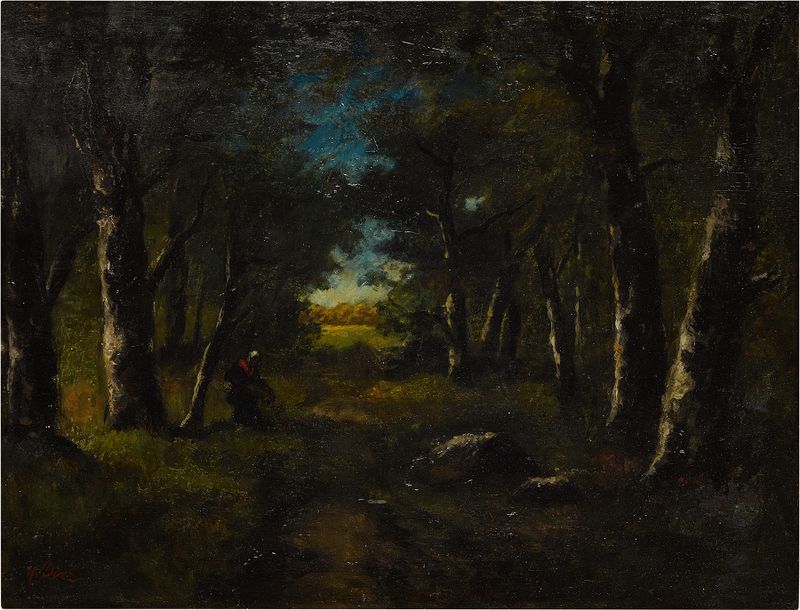
Foraging in the Forest
Narcisse-Virgile Diaz de La Peña
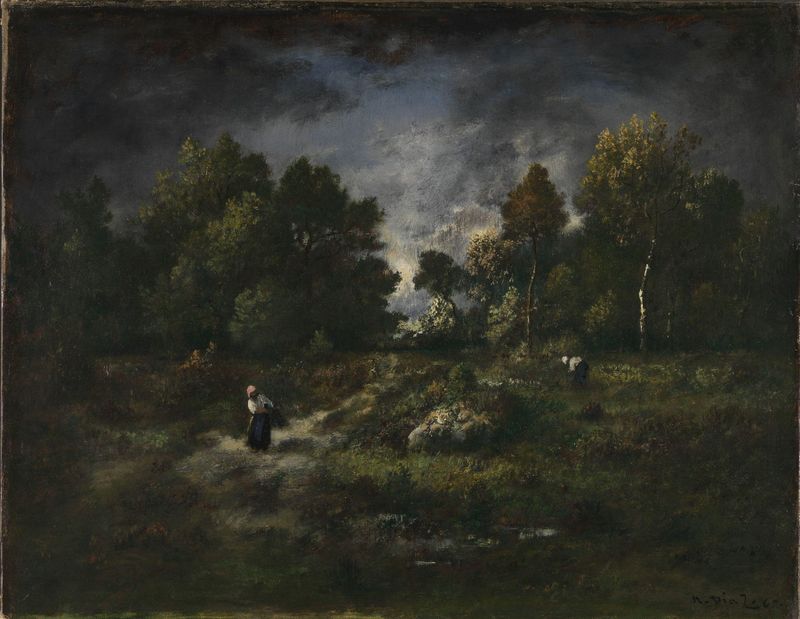
Faggot Gatherers in a Wooden Landscape
Narcisse-Virgile Diaz de La Peña
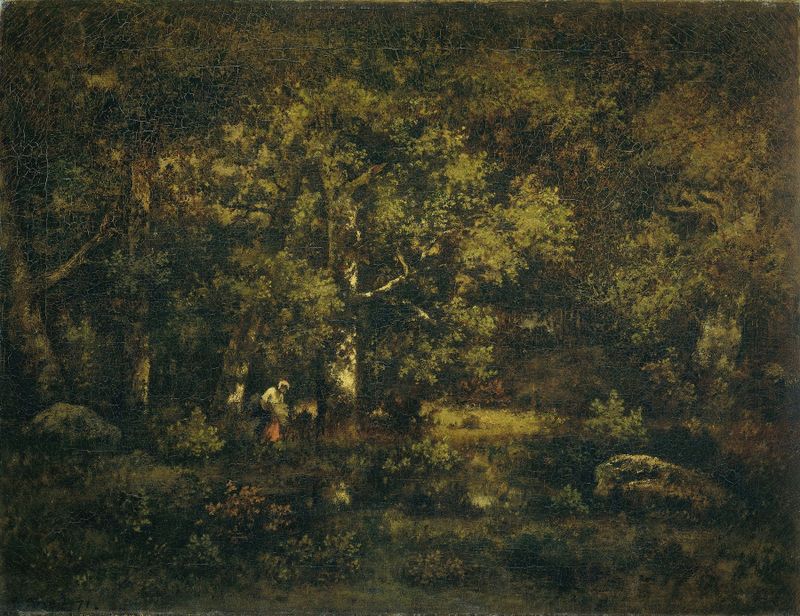
The Forest of Fontainebleau
Narcisse-Virgile Diaz de La Peña

Sous-bois
Narcisse-Virgile Diaz de La Peña





