
In the Ruins — History & Facts
What if silence could speak through light? In the delicate interplay of shadow and illumination, emotions unfurl like petals in a frail blossom, inviting contemplation on the fragility of existence. Focus on the foreground, where the remnants of a once-magnificent structure lie scattered across the canvas. Notice how the muted palette of browns and grays breathes life into the crumbling rocks, while a gentle light caresses the edges, suggesting the touch of a fading memory. The composition subtly draws the eye inward, where the juxtaposition of solidity and decay evokes a powerful sense of loss intertwined with beauty. Delve deeper into the contrasts present in the work; the juxtaposition of light and dark symbolizes hope against despair, illuminating the resilience of what remains amid ruin.
The delicate brushwork conveys a sense of fleeting time, hinting at the inevitable passage of life and the inevitability of nature reclaiming its space. Each chipped stone tells a story of fragility, a reminder of the transient nature of human achievement. Created during a period of significant change in France, the artist painted this evocative piece between 1857 and 1911, a time marked by the rise of industrialization and a collective yearning for the past. Legros, living in an era grappling with the dualities of progress and nostalgia, captured this tension between the beauty of decay and the remnants of human aspiration, mirroring the world’s shifting dynamics.
More Artworks by Alphonse Legros
Browse all →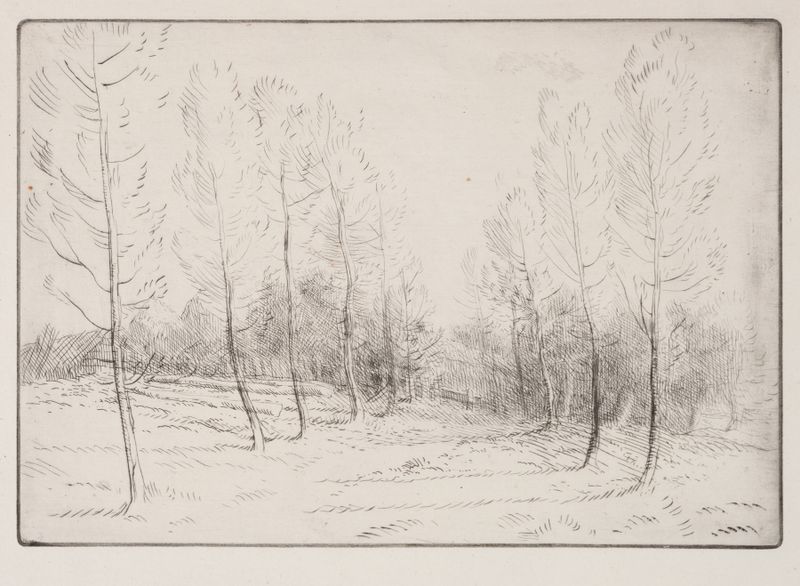
Avenue of Poplars
Alphonse Legros
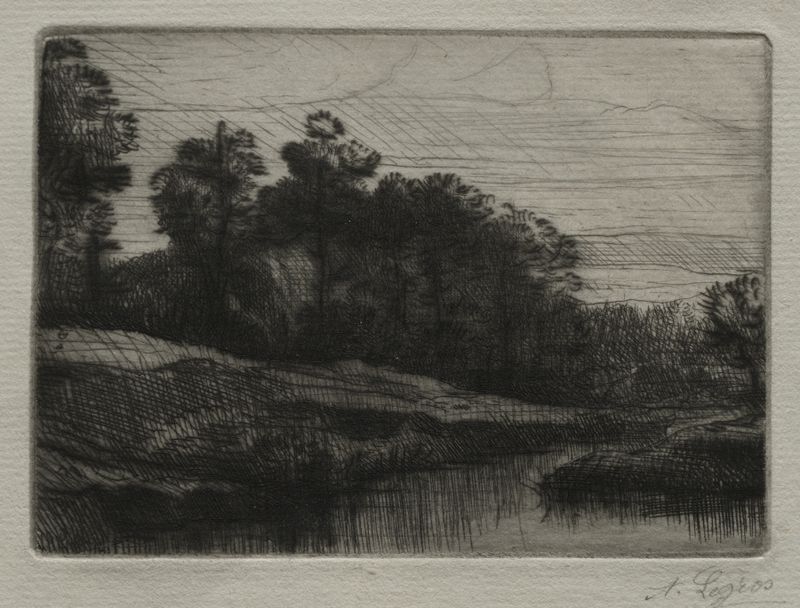
Evening
Alphonse Legros

The Fish in the Hoop Net
Alphonse Legros

The Little Beggar
Alphonse Legros
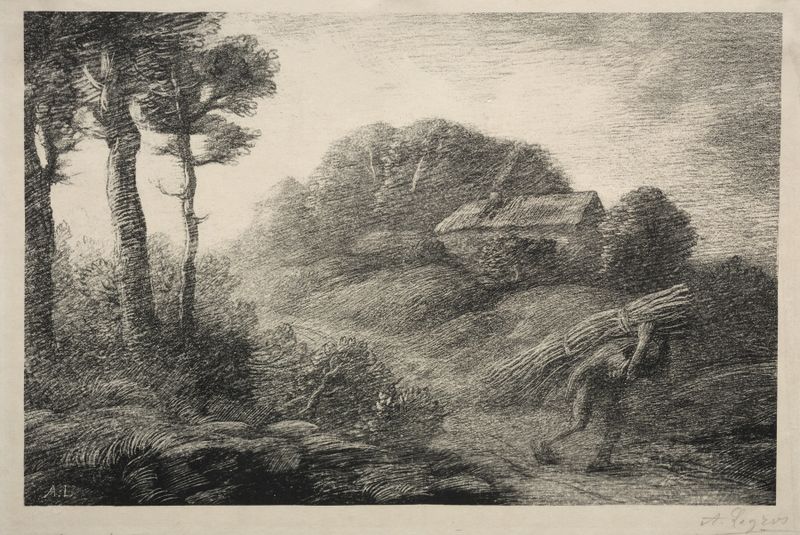
The Return of the Fagot Gatherer
Alphonse Legros

Storm
Alphonse Legros
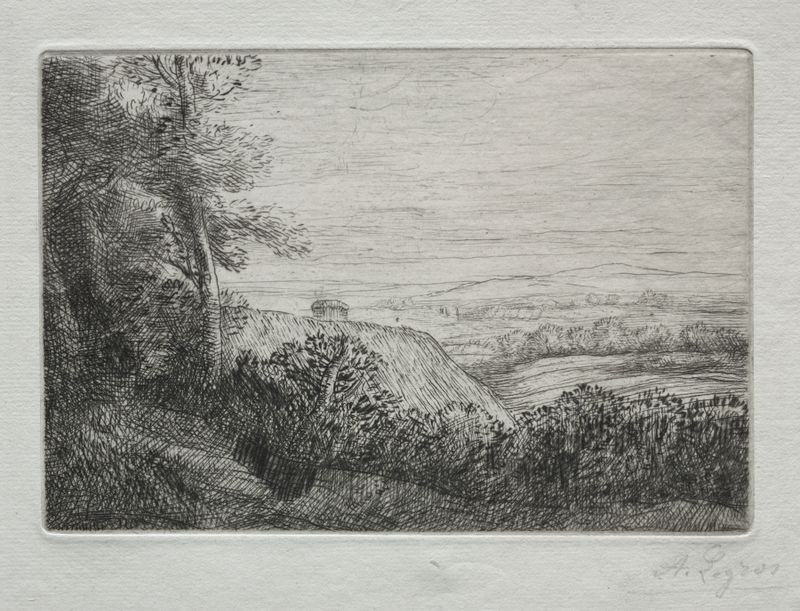
Les dernière Rayons de Soleil
Alphonse Legros
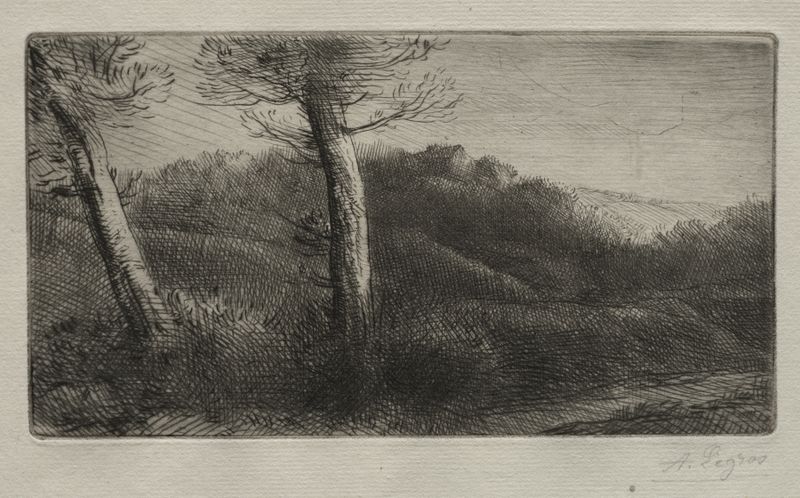
The Traveler Stretched out on the Grass
Alphonse Legros
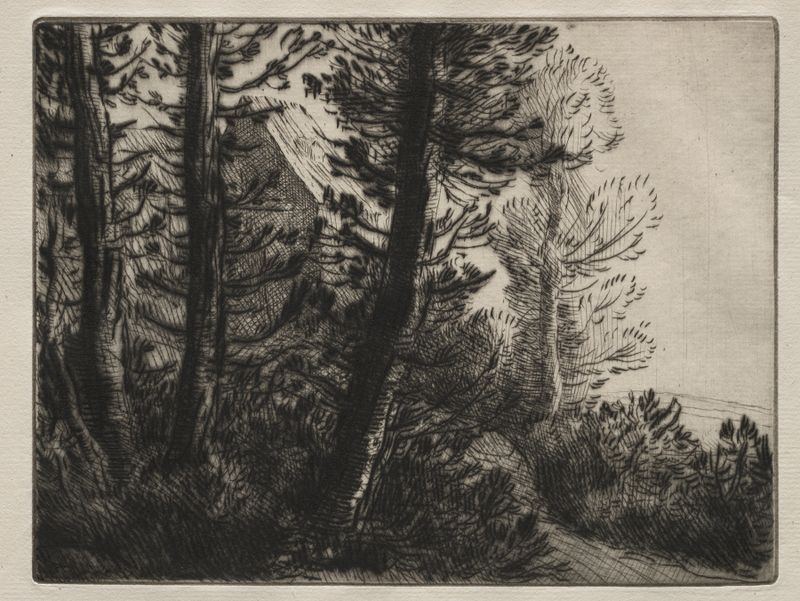
Guard House
Alphonse Legros

Death of a Vagabond
Alphonse Legros
More Architecture Art
Browse all →
The statue of Liberty
Frédéric Auguste Bartholdi

View of Houses in Delft, Known as ‘The Little Street’
Johannes Vermeer

View of Houses in Delft, Known as ‘The Little Street’
Johannes Vermeer

The Cathedral in Rouen. The portal, Grey Weather
Claude Monet

The yellow house
Vincent van Gogh

The Church in Auvers-sur-Oise, View from the Chevet
Vincent van Gogh